
In an increasingly volatile and unpredictable world, the concept of a “strategic reserve” has never been more pertinent. Far from being a mere financial buffer or a collection of forgotten assets, a strategic reserve is a meticulously planned and managed store of vital resources, held back not just for emergencies, but also to seize critical opportunities or exert influence in the future. Whether at the national, corporate, or even personal level, understanding and implementing strategic reserves is a cornerstone of robust financial health, resilience, and long-term success.
At its heart, a strategic reserve is about foresight and preparation. It’s a proactive measure against unforeseen disruptions and a foundational element for navigating periods of economic uncertainty, supply chain shocks, or geopolitical shifts. For nations, it might manifest as vast stockpiles of essential commodities; for businesses, it could be a robust cash position or critical inventory; and for individuals, it might be a carefully constructed emergency fund. In all cases, the underlying principle remains the same: to create a robust capacity to endure shocks, pivot effectively, and capitalize on emergent circumstances that others, unprepared, might miss.

The Fundamental Concept of Strategic Reserves
The idea of setting aside resources for future use is as old as civilization itself, dating back to ancient agricultural societies that stored grain to weather droughts or famines. Over millennia, this instinct for self-preservation evolved into sophisticated systems of resource management, culminating in the modern strategic reserve.
Defining a Strategic Reserve: More Than Just a Rainy-Day Fund
A strategic reserve differentiates itself from a simple “rainy-day fund” through its intentionality, scale, and strategic purpose. While a rainy-day fund is typically reactive, designed to cover immediate, minor unexpected expenses, a strategic reserve is proactive and far-reaching. It’s a deliberate investment in future security and potential.
For a nation, a strategic reserve might involve billions of barrels of crude oil (like the U.S. Strategic Petroleum Reserve), vast quantities of medical supplies, or foreign currency reserves held by a central bank. Its purpose isn’t just to tide over a brief shortage but to stabilize markets during a global crisis, ensure national security, or defend currency value.
For a business, it could be a substantial cash reserve to fund acquisitions during an economic downturn, a stockpile of critical raw materials to protect against supply chain disruptions, or even a reserve of skilled talent to address future growth needs. These aren’t just funds for operational hiccups; they are assets positioned to ensure long-term viability and competitive advantage.
Historical Context and Evolution
The concept gained significant prominence in the 20th century, particularly after the two World Wars and the Cold War. Nations realized the critical importance of self-sufficiency and resilience in the face of widespread conflict and economic blockade. The 1970s oil crises further cemented the necessity of strategic petroleum reserves to mitigate the economic impact of energy supply shocks.
In the corporate world, the dot-com bubble burst and the 2008 financial crisis highlighted the vulnerability of companies operating with lean, just-in-time inventories and minimal cash buffers. These events spurred a renewed focus on building financial and operational reserves to absorb shocks and maintain continuity. More recently, the COVID-19 pandemic underscored the critical need for strategic reserves of personal protective equipment, vaccines, and essential goods, revealing vulnerabilities in global supply chains and national preparedness. This evolution demonstrates a continuous learning curve, adapting the concept of reserves to the complexities of modern challenges.
The Core Purpose: Mitigating Risk and Seizing Opportunity
The twin pillars supporting the establishment of any strategic reserve are risk mitigation and opportunity capture.
- Risk Mitigation: This is the more commonly understood purpose. Strategic reserves act as shock absorbers against a wide array of potential threats: economic downturns, natural disasters, geopolitical conflicts, technological failures, or health crises. By having critical resources immediately available, entities can avoid market panic, minimize disruptions, maintain essential services, and prevent catastrophic failures that could otherwise halt operations or undermine stability.
- Opportunity Capture: Less obvious but equally vital, strategic reserves empower entities to act decisively when new opportunities arise. A company with a strong cash reserve can acquire a struggling competitor at a favorable price during a recession, invest in cutting-edge technology, or expand into new markets without incurring excessive debt. A nation with robust foreign currency reserves can intervene to stabilize its currency, invest in strategic infrastructure, or provide aid to allies, enhancing its global influence. For an individual, a significant savings reserve can enable career changes, educational pursuits, or early retirement opportunities.
Types of Strategic Reserves Across Sectors
Strategic reserves manifest in various forms, tailored to the specific needs and contexts of different sectors. While the underlying principle is consistent, their application and management differ significantly.
National Strategic Reserves: Securing Essential Resources
Governments globally maintain strategic reserves to safeguard national interests and ensure the well-being of their citizens. These are often vast in scale and critical to national security and economic stability.
- Energy Reserves: The most prominent example is the Strategic Petroleum Reserve (SPR), maintained by several countries, notably the U.S. It holds millions of barrels of crude oil to counteract supply disruptions and stabilize global oil prices.
- Food Reserves: Many nations maintain strategic food stockpiles (grains, non-perishables) to ensure food security during widespread crop failures, natural disasters, or international conflicts that could disrupt food imports.
- Monetary Reserves: Central banks hold foreign currency reserves (e.g., U.S. dollars, Euros, Yen, Gold) to manage exchange rates, finance international trade, service foreign debt, and provide liquidity in times of financial crisis.
- Medical Reserves: As highlighted by the pandemic, strategic national reserves of pharmaceuticals, vaccines, personal protective equipment (PPE), and medical supplies are crucial for public health emergencies.
- Mineral and Critical Materials Reserves: Some nations stockpile rare earth elements or other vital minerals essential for defense industries, technology, and manufacturing, to reduce reliance on foreign suppliers.
Corporate Strategic Reserves: Fueling Business Resilience and Growth
For businesses, strategic reserves are integral to risk management, operational continuity, and competitive advantage. They are not merely assets on a balance sheet but active components of a strategic framework.
- Financial Reserves: This often includes significant cash on hand, readily marketable securities, or lines of credit. These funds allow companies to weather economic downturns, make strategic acquisitions, invest in R&D, or manage unexpected liabilities without resorting to expensive debt or diluting equity.
- Inventory Reserves: While modern supply chains often favor “just-in-time” delivery, strategic inventory reserves of critical components or finished goods can protect against supplier failures, shipping delays, or surges in demand, ensuring production continuity and customer satisfaction.
- Talent Reserves: Beyond current staffing, a strategic talent reserve involves nurturing a pipeline of skilled employees, investing in succession planning, and having access to contract or contingent workers. This ensures that the organization can adapt to future skill needs, leadership transitions, or sudden increases in workload.
- Data and Technology Reserves: In the digital age, secure backups, redundant systems, and contingency plans for IT infrastructure constitute a vital strategic reserve against cyberattacks, data loss, or system failures.
Personal Strategic Reserves: Building Individual Financial Security
While smaller in scale, the principle of strategic reserves applies equally to individual financial planning, forming the bedrock of personal security and future opportunity.
- Emergency Funds: A cornerstone of personal finance, this is a readily accessible cash reserve typically covering 3-6 months (or more) of living expenses. It acts as a buffer against job loss, medical emergencies, or unexpected major expenses, preventing debt accumulation.
- Investment Buffers: Beyond the emergency fund, strategic reserves in investment portfolios might include low-risk assets (e.g., short-term bonds, money market funds) that can be drawn upon without liquidating long-term growth investments during market downturns. This allows for tactical investing during periods of market volatility or to fund major life goals like a down payment or education.
- Skill Set Reserves: Analogous to corporate talent reserves, individuals can build a “reserve” of diverse skills, certifications, and professional networks. This enhances career resilience, opens doors to new opportunities, and provides leverage in the job market, especially during economic shifts.
The Strategic Imperative: Why Reserves Matter
The existence and effective management of strategic reserves are not optional luxuries but fundamental necessities for stability, growth, and autonomy across all levels.
Economic Stability and National Security
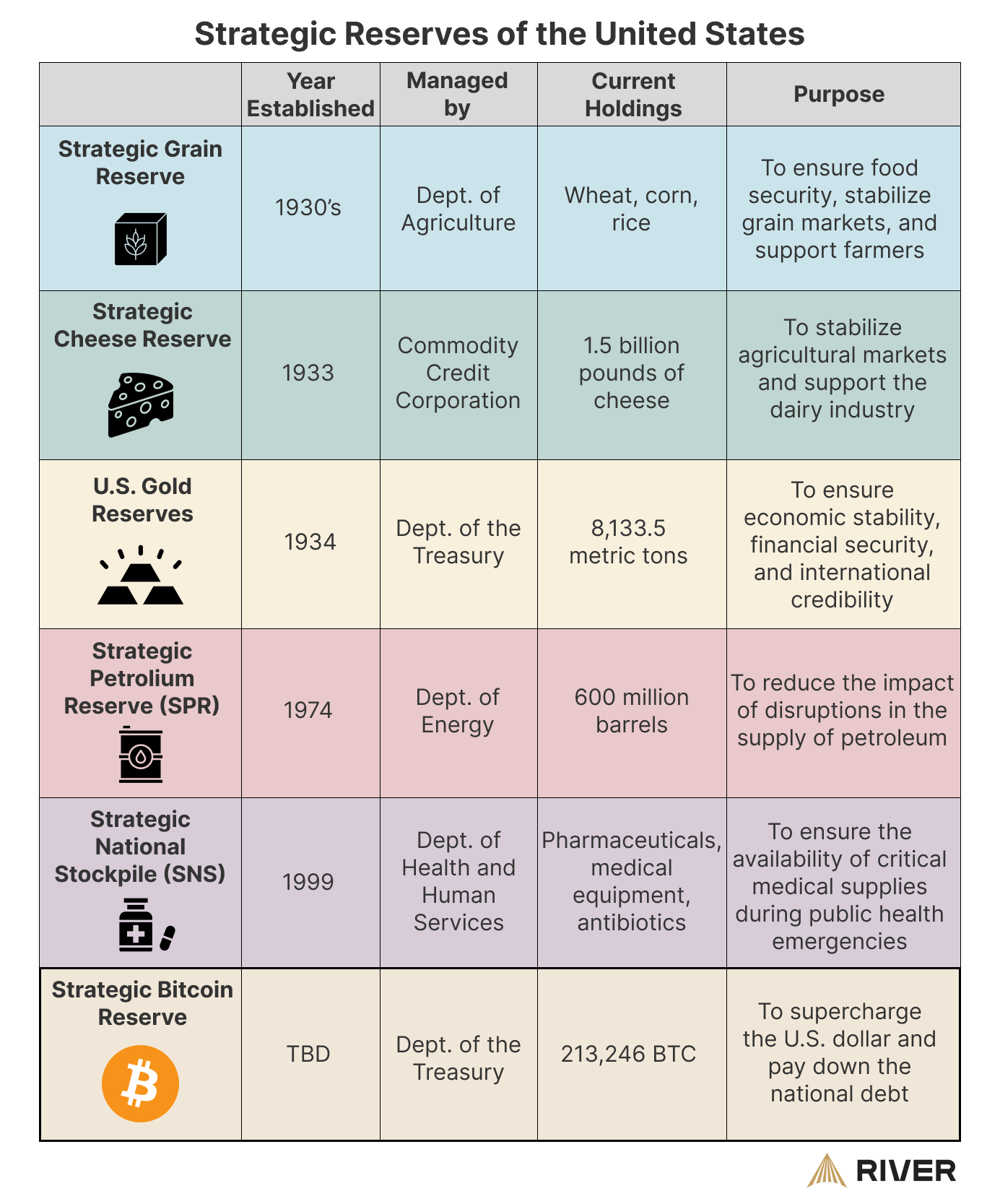
For nations, strategic reserves are paramount. Energy reserves prevent economic paralysis during supply shocks. Food reserves avert humanitarian crises and social unrest. Monetary reserves bolster national currency and financial credibility, providing tools to navigate global economic turbulences. Beyond economics, strategic reserves of critical materials and defense resources directly contribute to national security, ensuring a nation’s ability to defend itself and maintain its sovereignty. Without these reserves, a nation becomes highly vulnerable to external pressures and domestic instability.
Business Continuity and Competitive Advantage
In the business world, a strong balance sheet supported by strategic financial reserves provides a crucial competitive edge. It allows companies to:
- Weather Crises: Endure recessions, supply chain disruptions, or unexpected legal challenges without collapsing or having to make drastic, damaging cuts.
- Invest for the Future: Fund research and development, expand into new markets, or upgrade technology during periods when competitors are struggling to merely survive.
- Improve Negotiating Power: Strong cash positions allow for favorable terms with suppliers, better acquisition opportunities, and reduced reliance on costly external financing.
- Enhance Reputation: Companies known for their stability and resilience attract better talent, investors, and customers.
Personal Financial Freedom and Peace of Mind
At the individual level, strategic reserves translate directly into financial freedom and peace of mind. Knowing that you have a safety net for unforeseen events reduces stress and allows for greater risk-taking in career or investment choices. It provides the option to pursue education, switch careers, or take a sabbatical without fear of immediate financial ruin. This security enables individuals to make life choices based on aspiration rather than desperation, fostering long-term well-being and wealth accumulation.
Challenges and Best Practices in Managing Strategic Reserves
While invaluable, managing strategic reserves is not without its complexities. It requires careful planning, dynamic adaptation, and a keen understanding of trade-offs.
Balancing Costs and Benefits: The Opportunity Cost Dilemma
Maintaining strategic reserves incurs costs. Storing physical commodities requires infrastructure, security, and maintenance. Holding large cash reserves means foregoing higher returns that could be earned from more aggressive investments (the opportunity cost of liquidity). For businesses, excess inventory ties up capital. Governments face the political and financial burden of funding and maintaining national stockpiles.
The challenge lies in finding the optimal balance: enough reserve to be effective without being excessive to the point where the costs outweigh the benefits or stifle growth. This requires rigorous cost-benefit analysis, scenario planning, and a clear understanding of risk tolerance.
Dynamic Management: Adapting to Changing Environments
The world is constantly evolving, and what constitutes an adequate or necessary reserve today may change tomorrow. Technological advancements can render certain stockpiles obsolete, while new geopolitical realities or environmental changes can elevate the importance of others. Effective reserve management is thus a dynamic process, requiring:
- Regular Review: Periodic assessments of the adequacy, composition, and relevance of reserves.
- Flexibility: The ability to adjust reserve levels and types in response to new threats or opportunities.
- Early Warning Systems: Monitoring global and local trends to anticipate potential disruptions or shifts in demand.
Transparency and Accountability (Especially for National Reserves)
For national strategic reserves, transparency and accountability are paramount. Public funds are used to establish and maintain these reserves, and citizens have a right to know how they are managed and for what purposes they are utilized. Clear policies regarding deployment triggers, replenishment strategies, and oversight mechanisms are crucial to build public trust, prevent mismanagement, and ensure that reserves serve their intended national purpose rather than political expediency.
Building and Maintaining Effective Strategic Reserves
Developing robust strategic reserves requires a systematic approach, whether for a nation, a corporation, or an individual.
Identifying Critical Needs and Vulnerabilities
The first step is a thorough assessment of potential risks and critical dependencies. What resources are absolutely essential for continuity? What are the most likely and impactful threats?
- For a Nation: Analyze energy dependencies, food import reliance, public health infrastructure gaps, and defense capabilities.
- For a Business: Identify critical supply chain components, key personnel, technological infrastructure, and financial vulnerability points.
- For an Individual: Assess job security, health risks, family dependencies, and essential living expenses.
This analysis helps prioritize what resources need to be reserved and to what extent.
Establishing Clear Policies and Triggers
Once critical needs are identified, clear policies and operational triggers must be established for the deployment and management of reserves.
- Deployment Criteria: Under what specific circumstances will the reserve be used? (e.g., oil prices exceeding a certain threshold, a declared national emergency, a significant drop in corporate revenue).
- Access Protocols: Who has the authority to authorize the use of the reserve? What approval processes are required?
- Usage Limits: Are there limits on how much of the reserve can be used at one time or over a certain period?
Clear guidelines prevent arbitrary usage and ensure that reserves are deployed effectively when genuinely needed.

Regular Review and Replenishment Strategies
Strategic reserves are not static assets. They require ongoing attention and a structured replenishment strategy.
- Scheduled Reviews: Periodically (annually, quarterly, or even monthly for some financial reserves) review the reserve’s status, assess its adequacy against current risks, and adjust as necessary.
- Replenishment Mechanisms: Establish clear plans for how depleted reserves will be refilled. This might involve specific budget allocations, market purchases, or policy decisions linked to economic cycles. For example, a national petroleum reserve might be refilled when oil prices are low.
- Diversification: For financial reserves, consider diversifying holdings to mitigate specific risks. For physical reserves, explore alternative sources or storage locations to enhance resilience.
In conclusion, a strategic reserve is a sophisticated and indispensable tool for navigating the complexities of the modern world. It is a testament to foresight, an investment in resilience, and a powerful enabler of future opportunities. By understanding its various forms, appreciating its imperative, and adopting best practices for its management, individuals, businesses, and nations can build a more secure, stable, and prosperous future.
aViewFromTheCave is a participant in the Amazon Services LLC Associates Program, an affiliate advertising program designed to provide a means for sites to earn advertising fees by advertising and linking to Amazon.com. Amazon, the Amazon logo, AmazonSupply, and the AmazonSupply logo are trademarks of Amazon.com, Inc. or its affiliates. As an Amazon Associate we earn affiliate commissions from qualifying purchases.