
The world of cryptocurrency, once a niche interest for tech enthusiasts, has evolved into a significant frontier for investors seeking new opportunities. For many, the concept of digital assets can seem complex and intimidating, yet the underlying principles of investment remain largely the same. Entering this market requires a foundational understanding, a strategic approach, and a commitment to continuous learning. This guide aims to demystify the initial steps, providing a clear roadmap for anyone looking to make their first foray into cryptocurrency investing.
Understanding the Basics: What is Cryptocurrency?
Before diving into the mechanics of buying and selling, it’s crucial to grasp what cryptocurrency truly is. Far from being a fleeting trend, it represents a revolutionary shift in financial technology.
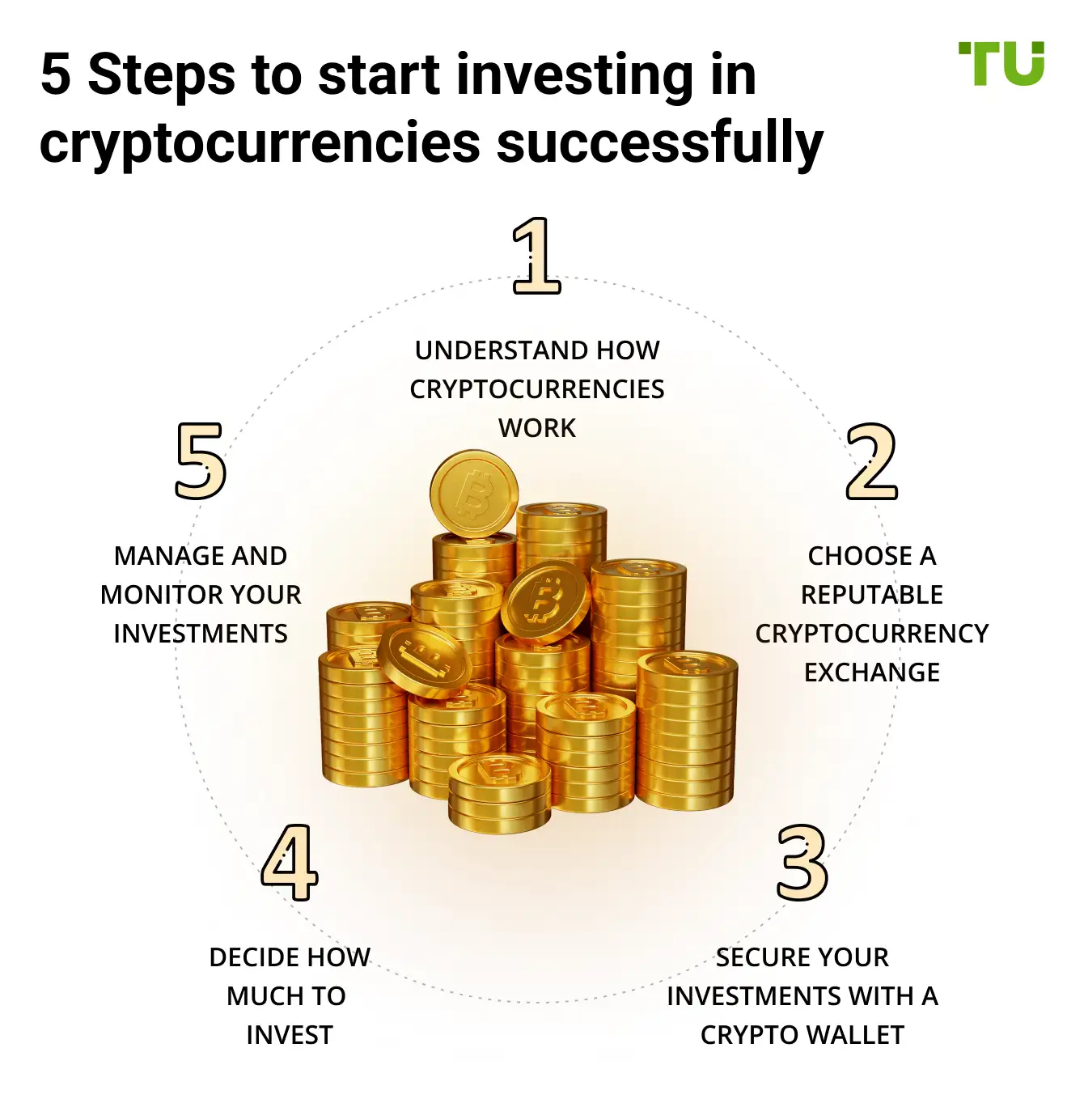
What is Cryptocurrency?
At its core, a cryptocurrency is a digital or virtual currency secured by cryptography, making it nearly impossible to counterfeit or double-spend. Unlike traditional currencies issued by central banks, cryptocurrencies operate on decentralized networks, typically based on blockchain technology. A blockchain is a distributed ledger, maintained by a network of computers, that records all transactions in a secure, transparent, and immutable manner. Bitcoin, launched in 2009, was the first cryptocurrency and remains the largest and most well-known. Since then, thousands of other cryptocurrencies, known as “altcoins,” have emerged, each with unique features and use cases.
Why Invest in Crypto?
Investors are drawn to cryptocurrency for several compelling reasons. The primary allure is the potential for significant returns, as some cryptocurrencies have experienced exponential growth over short periods. Beyond speculative gains, cryptocurrencies offer diversification from traditional asset classes like stocks and bonds, potentially reducing overall portfolio risk. Many also see cryptocurrencies as a hedge against inflation, given their finite supply and independence from government monetary policies. Furthermore, the underlying blockchain technology offers innovative solutions across various industries, from decentralized finance (DeFi) to supply chain management, hinting at long-term utility and value.
Risks Involved
Despite the tantalizing prospects, investing in cryptocurrency carries substantial risks that new investors must acknowledge. The market is notoriously volatile, with prices capable of dramatic swings in short periods. This volatility is driven by factors such as market sentiment, regulatory news, technological developments, and macroeconomic events. Regulatory uncertainty remains a significant concern, as governments worldwide grapple with how to classify and oversee digital assets, leading to potential shifts in market conditions. Security risks, while mitigated by blockchain technology, still exist in the form of exchange hacks, phishing scams, and loss of private keys. Furthermore, the lack of extensive historical data, compared to traditional assets, makes fundamental analysis more challenging. It is imperative to only invest capital you can afford to lose, understanding that capital preservation is paramount in such a nascent market.
Preparing for Your First Crypto Investment
Entering the crypto market unprepared is akin to sailing into a storm without a compass. A structured approach focusing on education, goal setting, and budget allocation is essential.
Educate Yourself Thoroughly
The cryptocurrency landscape is vast and ever-evolving. Before committing any capital, dedicate time to understanding the fundamentals of blockchain technology, the differences between various cryptocurrencies (e.g., Bitcoin vs. Ethereum vs. stablecoins), market capitalization, trading volumes, and basic technical analysis concepts. Resources abound, from reputable financial news outlets and educational platforms to whitepapers published by project developers. Understanding the specific use case, technology, and team behind a cryptocurrency is crucial for informed decision-making. Avoid relying solely on social media hype or unqualified advice.
Define Your Investment Goals and Risk Tolerance
Every successful investment journey begins with clearly defined goals. Are you looking for short-term speculative gains, or are you aiming for long-term wealth accumulation? Your objectives will dictate your investment strategy, asset allocation, and holding period. Equally important is an honest assessment of your risk tolerance. Given the inherent volatility of cryptocurrency, can you emotionally handle significant price fluctuations? Will a substantial downturn cause you undue stress or force you to make impulsive decisions? Only invest an amount that aligns with your financial capacity and psychological comfort level. A common guideline is to start small and gradually increase your exposure as you gain experience and confidence.
Allocate a Sensible Budget
One of the most critical steps is to determine how much capital you are willing and able to invest. This should be discretionary income that, if lost, would not jeopardize your financial stability or impact your ability to meet essential living expenses. Avoid using funds earmarked for emergencies, debt repayment, or other critical financial goals. A conservative approach often suggests allocating a small percentage (e.g., 1-5%) of your total investment portfolio to highly speculative assets like cryptocurrency, especially when starting out. This approach allows you to participate in the market’s potential upside while limiting your exposure to its downside risks.
Choosing Your Investment Platform
Once you’re educated and prepared, the next practical step is selecting a platform to buy, sell, and manage your cryptocurrencies. The primary options are centralized and decentralized exchanges.
Centralized Exchanges (CEXs)
Centralized exchanges are the most common entry point for new investors. These platforms operate similarly to traditional stockbrokers, acting as intermediaries that facilitate trades between buyers and sellers. Examples include Coinbase, Binance, Kraken, and Gemini. CEXs offer user-friendly interfaces, often support fiat currency deposits (USD, EUR, GBP), and provide a wide range of cryptocurrencies. They also typically offer features like advanced trading tools, educational resources, and customer support. However, using a CEX means entrusting your assets to a third party, which introduces counterparty risk. While reputable CEXs employ robust security measures, they can still be targets for cyberattacks, and your assets are subject to the platform’s terms of service and regulatory compliance.
Decentralized Exchanges (DEXs)
Decentralized exchanges allow users to trade cryptocurrencies directly with each other without the need for an intermediary. DEXs operate on blockchain networks (e.g., Uniswap and PancakeSwap on Ethereum and Binance Smart Chain, respectively) and use smart contracts to execute trades. The main advantage of DEXs is that users retain full control over their funds throughout the trading process, as assets are held in their personal wallets rather than on the exchange. This eliminates counterparty risk and enhances privacy. However, DEXs can be more complex to use for beginners, often require users to manage their own private keys, and may have higher transaction fees (gas fees) depending on network congestion. They also typically offer a narrower selection of assets compared to CEXs and primarily deal with crypto-to-crypto trades.
Key Factors for Selection
When choosing an exchange, consider the following:

- Security: Prioritize platforms with strong security track records, two-factor authentication (2FA), insurance for digital assets, and cold storage for the majority of funds.
- Fees: Understand the trading fees, deposit/withdrawal fees, and network fees associated with each platform. These can vary significantly and impact your overall returns.
- Supported Assets: Ensure the exchange offers the specific cryptocurrencies you intend to invest in. A broader selection might be beneficial for diversification in the future.
- User Experience: For beginners, an intuitive and easy-to-navigate interface can significantly smooth the learning curve.
- Customer Support: Responsive and helpful customer support is invaluable, especially when encountering issues or having questions.
- Regulatory Compliance: Choose exchanges that comply with regulations in your jurisdiction, as this often indicates a higher level of trustworthiness and operational stability.
Making Your First Crypto Purchase
With your preparation complete and an exchange chosen, you’re ready to execute your first trade. This process generally involves a few straightforward steps.
Setting Up and Verifying Your Account
After selecting an exchange, you’ll need to create an account. This typically involves providing an email address and creating a strong password. Due to regulatory requirements (Know Your Customer – KYC and Anti-Money Laundering – AML), you will likely need to verify your identity. This usually entails submitting government-issued identification (e.g., passport, driver’s license) and sometimes proof of address. This process can take anywhere from a few minutes to several days, so plan accordingly. Full verification is often required to access all platform features, including higher deposit/withdrawal limits.
Funding Your Account
Once your account is set up and verified, you’ll need to deposit funds. Most centralized exchanges support various funding methods:
- Bank Transfer (ACH/SEPA): Often the cheapest option, but can take a few business days to process.
- Debit Card/Credit Card: Funds are usually available instantly, but transaction fees can be significantly higher.
- Wire Transfer: Faster than ACH but typically involves higher fees and minimums.
- PayPal/Other Payment Processors: Some exchanges integrate with these services for convenience, though fees may apply.
Choose the method that balances speed, cost, and convenience for your needs.
Selecting Your First Cryptocurrency
For new investors, it’s generally advisable to start with well-established cryptocurrencies that have large market capitalizations and strong liquidity. Bitcoin (BTC) and Ethereum (ETH) are often recommended as foundational investments due to their long track records, extensive ecosystems, and relative stability compared to smaller altcoins. These assets tend to be less volatile than newer, more speculative coins, offering a potentially gentler entry into the market. Researching specific projects and understanding their long-term potential before investing is always a good practice.
Executing the Trade
On most exchanges, buying cryptocurrency is straightforward. Navigate to the “Buy” or “Trade” section, select the cryptocurrency you wish to purchase (e.g., Bitcoin), enter the amount of fiat currency you want to spend, and review the transaction details (price, fees, total crypto received). Some platforms offer simple “Buy” options for immediate purchases at the current market price, while others provide advanced trading interfaces with various order types (market order, limit order). For beginners, a simple market order is often sufficient to execute the purchase quickly. Confirm your order, and the cryptocurrency will be added to your exchange wallet.
Post-Investment Strategies and Best Practices
Your journey doesn’t end with the first purchase; it’s merely the beginning. Effective management and continuous learning are vital for long-term success.
Secure Storage: Wallets
While holding cryptocurrencies on an exchange wallet is convenient, it carries inherent risks. For larger holdings, consider transferring your assets to a personal wallet where you control the private keys.
- Hot Wallets: These are connected to the internet (e.g., software wallets, mobile apps, web wallets). They offer convenience for frequent transactions but are more susceptible to online threats.
- Cold Wallets: These are offline storage solutions (e.g., hardware wallets like Ledger or Trezor, paper wallets). They provide the highest level of security for long-term holdings by keeping your private keys isolated from the internet.
It’s a common best practice to use a combination: a hot wallet for small amounts needed for trading and a cold wallet for significant long-term investments. Always safeguard your private keys and seed phrases; losing them means losing access to your funds forever.
Diversification
Just as with traditional investing, diversification is a key strategy to mitigate risk in the crypto market. Instead of putting all your capital into a single cryptocurrency, consider allocating it across several different assets with varying risk profiles and use cases. This could include a mix of large-cap cryptocurrencies (BTC, ETH), mid-cap projects with promising technology, and potentially a small allocation to smaller, higher-risk altcoins. Diversification helps reduce the impact of a poor performance by any single asset on your overall portfolio.
Staying Informed and Continuous Learning
The cryptocurrency market is dynamic and constantly evolving. New projects emerge, technologies advance, and regulatory landscapes shift. To make informed decisions, commit to continuous learning. Follow reputable crypto news sources, read analysis from experienced professionals, and stay updated on macroeconomic trends that can influence asset prices. Understanding the ongoing developments within the blockchain space and the specific projects you’ve invested in is crucial for adapting your strategy and recognizing new opportunities or potential threats.

Tax Implications
Cryptocurrency investments are subject to taxes in many jurisdictions. Gains from selling crypto for a profit (capital gains), using crypto to purchase goods or services, or even receiving crypto as income are typically taxable events. The specific rules vary by country and region, often distinguishing between short-term and long-term capital gains. It is essential to keep meticulous records of all your transactions, including purchase dates, prices, sale dates, and sale prices. Consult with a qualified tax professional who specializes in cryptocurrency to ensure compliance with local tax laws and to optimize your tax strategy. Ignoring tax obligations can lead to significant penalties.
Starting your investment journey in cryptocurrency can be an exciting and potentially rewarding endeavor. By taking the time to educate yourself, define your financial goals, choose appropriate platforms, and employ sound investment and security practices, you can navigate this innovative market with greater confidence and work towards achieving your financial objectives. Remember, patience and a long-term perspective are invaluable assets in the volatile world of digital finance.
aViewFromTheCave is a participant in the Amazon Services LLC Associates Program, an affiliate advertising program designed to provide a means for sites to earn advertising fees by advertising and linking to Amazon.com. Amazon, the Amazon logo, AmazonSupply, and the AmazonSupply logo are trademarks of Amazon.com, Inc. or its affiliates. As an Amazon Associate we earn affiliate commissions from qualifying purchases.