
Bitcoin, the pioneering decentralized digital currency, has emerged as a significant asset class within the global financial landscape. Its unique characteristics—decentralization, limited supply, and borderless transactions—have captivated investors, tech enthusiasts, and individuals seeking alternatives to traditional financial systems. Understanding the mechanisms of buying and selling Bitcoin is crucial for anyone looking to engage with this dynamic market, whether for investment, wealth preservation, or transactional utility. This guide delves into the financial intricacies and practical steps involved in navigating the Bitcoin market.
Understanding Bitcoin as a Financial Asset
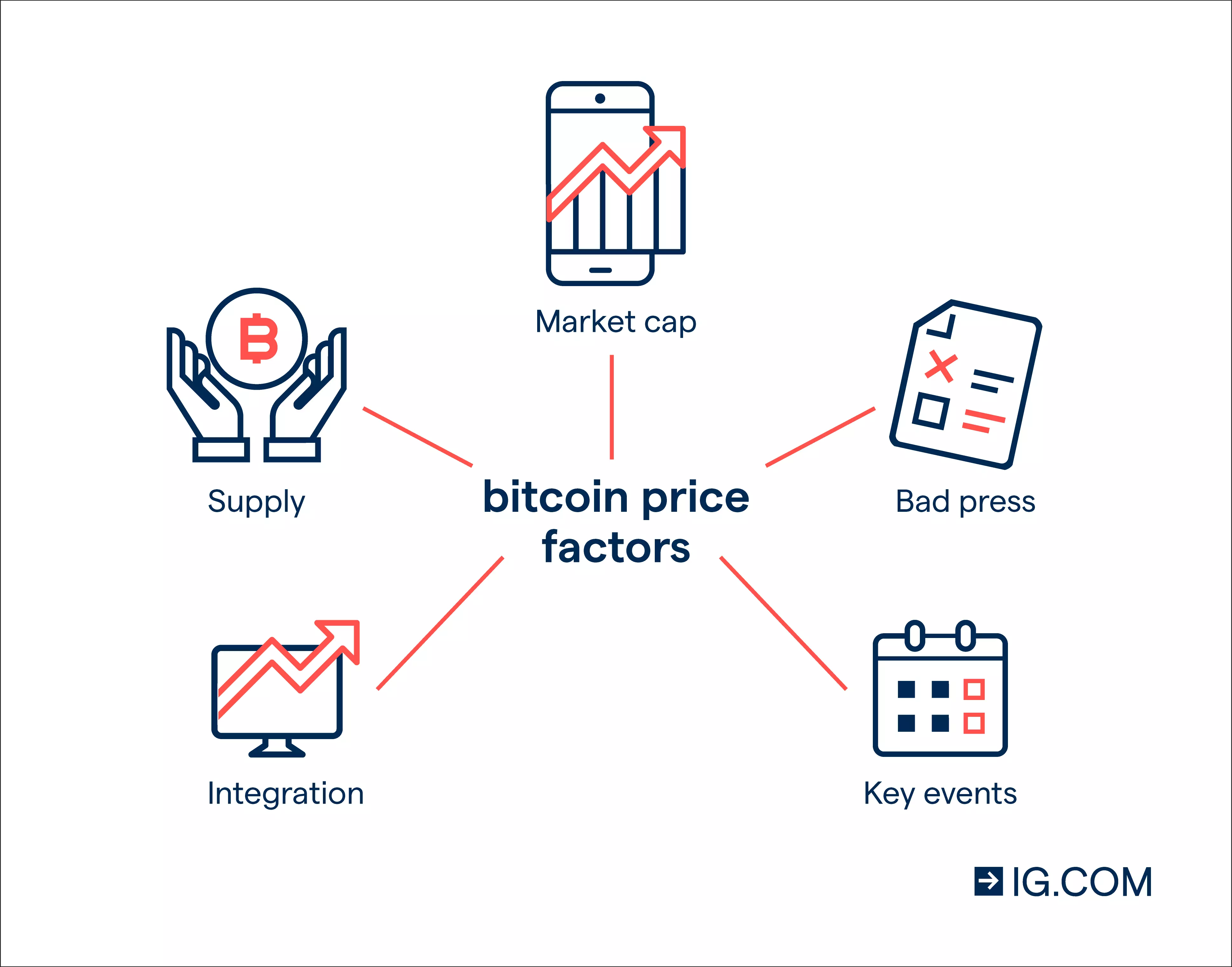
At its core, Bitcoin operates on a distributed public ledger known as a blockchain, secured by cryptographic proofs. Unlike fiat currencies issued by central banks, Bitcoin’s supply is capped at 21 million units, a deflationary characteristic that often appeals to investors seeking a store of value. Its price is determined by market forces of supply and demand, leading to significant volatility—a double-edged sword that presents both high-return potential and considerable risk.
Investors are drawn to Bitcoin for various reasons:
- Investment and Speculation: Many treat Bitcoin as a speculative asset, buying low and selling high to profit from price fluctuations.
- Store of Value (“Digital Gold”): Some view Bitcoin as a hedge against inflation and economic uncertainty, akin to gold, due to its scarcity and independence from government control.
- Payment and Remittance: While less common for everyday purchases due to volatility and transaction speeds, Bitcoin can facilitate cross-border payments with lower fees and faster settlement times than traditional banking.
- Portfolio Diversification: Adding Bitcoin to a diversified investment portfolio is a strategy employed by some to potentially enhance returns and mitigate risks associated with traditional assets.
Before diving into transactions, it’s essential to recognize Bitcoin’s inherent market characteristics, including its price volatility, the influence of global economic news, regulatory shifts, and technological developments.
Essential Platforms and Methods for Acquiring Bitcoin
The process of buying Bitcoin has become increasingly accessible, with several established avenues catering to different investor preferences and technical proficiencies.
Centralized Cryptocurrency Exchanges (CEXs)
These are the most popular platforms for buying and selling Bitcoin, acting as intermediaries where users can trade digital assets for fiat currency (like USD, EUR, GBP) or other cryptocurrencies.
- How They Work: Users create an account, complete identity verification (Know Your Customer/Anti-Money Laundering – KYC/AML protocols), link a bank account or debit/credit card, and then place buy orders.
- Leading Examples: Coinbase, Binance, Kraken, Gemini, Crypto.com.
- Pros for Investors:
- High Liquidity: Large trading volumes ensure efficient price discovery and quick execution of orders.
- User-Friendly Interfaces: Designed for ease of use, making them ideal for beginners.
- Fiat On/Off-Ramps: Seamless conversion between traditional currencies and Bitcoin.
- Security Features: Many offer insurance, cold storage for a majority of assets, and robust cybersecurity protocols.
- Advanced Trading Tools: For experienced traders, features like limit orders, stop-loss orders, and margin trading may be available.
- Cons for Investors:
- Centralized Control: Users do not fully control their private keys on the exchange, posing a counterparty risk.
- Fees: Transaction fees (maker/taker fees), deposit fees, and withdrawal fees can accumulate.
- Regulatory Scrutiny: Exchanges are subject to government regulations, which can impact operations and user access.
- Process Overview:
- Account Creation: Sign up with an email and password.
- Identity Verification (KYC): Submit government-issued ID, proof of address, and sometimes a selfie. This is crucial for financial compliance.
- Fund Your Account: Deposit fiat currency via bank transfer (ACH, SEPA, wire), debit card, or sometimes PayPal.
- Place an Order: Use a market order for immediate execution at the current price, or a limit order to specify the desired purchase price.
Peer-to-Peer (P2P) Marketplaces
P2P platforms connect buyers and sellers directly, often allowing for more diverse payment methods and increased privacy.
- How They Work: Sellers post offers with their desired price and payment methods (e.g., bank transfer, PayPal, cash). Buyers browse these offers and initiate trades. An escrow service typically holds the Bitcoin until the payment is confirmed.
- Leading Examples: LocalBitcoins, Paxful.
- Pros for Investors:
- Diverse Payment Options: Broader range of payment methods compared to CEXs.
- Increased Privacy: Less stringent KYC requirements for smaller trades.
- Global Reach: Facilitates trades with individuals worldwide.
- Cons for Investors:
- Higher Risk: Greater potential for scams if not careful, though escrow helps mitigate this.
- Less Liquidity: May take longer to find a suitable counterparty.
- Price Discrepancies: Prices can vary significantly between sellers.
Bitcoin ATMs
These physical kiosks allow users to buy Bitcoin with cash, similar to traditional ATMs.
- How They Work: Users insert cash, scan a QR code for their Bitcoin wallet address, and the equivalent amount of Bitcoin is sent to their wallet.
- Pros for Investors:
- Convenience for Cash Transactions: Ideal for those preferring to use physical cash.
- Speed: Transactions are often instant once cash is inserted.
- Cons for Investors:
- High Fees: Typically much higher fees than online exchanges.
- Lower Limits: Transaction limits are often imposed.
- Scarcity: Not available in all locations.
Strategic Approaches to Selling Your Bitcoin Holdings
Selling Bitcoin, often referred to as “cashing out,” involves converting your digital assets back into fiat currency or another cryptocurrency. The methods mirror the buying process, with specific considerations for withdrawing funds.
Cashing Out via Centralized Exchanges
This is generally the most straightforward and secure method for selling Bitcoin back to fiat currency.
- How They Work: You place a sell order on the exchange, converting your Bitcoin into your chosen fiat currency. Once sold, you initiate a withdrawal to your linked bank account or other supported methods.
- Process Overview:
- Transfer Bitcoin to Exchange: If your Bitcoin is in a personal wallet, transfer it to your exchange wallet address.
- Place a Sell Order: Choose between a market order (sells immediately at the current price) or a limit order (sells when Bitcoin reaches your specified price).
- Initiate Fiat Withdrawal: Once the sale is complete and your account is credited with fiat, select your preferred withdrawal method (e.g., bank transfer, wire transfer).
- Considerations:
- Withdrawal Limits: Exchanges often have daily, weekly, or monthly withdrawal limits.
- Fees: Withdrawal fees apply, varying by platform and method.
- Processing Times: Bank transfers can take several business days.

Selling Through P2P Platforms
Similar to buying, P2P platforms offer an alternative for selling Bitcoin directly to other individuals.
- How They Work: You create an offer to sell your Bitcoin, specifying the price, amount, and accepted payment methods. Once a buyer accepts, you send the Bitcoin to an escrow service, and release it once you confirm receipt of payment.
- Considerations:
- Verification: Always verify payment receipt thoroughly before releasing Bitcoin from escrow.
- Reputation: Trade with reputable buyers who have positive feedback.
- Security: Utilize the platform’s escrow and messaging services to document all communications.
Direct Transactions and Merchant Payments
While not a direct “sell to fiat” mechanism, using Bitcoin for direct purchases is an evolving way to liquidate your holdings.
- How They Work: Pay for goods or services directly with Bitcoin at merchants that accept it.
- Considerations: Limited acceptance, and for tax purposes, this is often considered a taxable event (like selling).
Critical Financial Considerations and Best Practices
Engaging with Bitcoin requires a comprehensive understanding of financial implications beyond simple transactions.
Understanding Transaction Fees
- Exchange Fees: These are charged by centralized exchanges for facilitating trades (maker/taker fees) and for deposits/withdrawals. They vary by platform and volume.
- Network Fees (Miner Fees): When you send Bitcoin from one wallet to another (not within an exchange’s internal system), a small fee is paid to the Bitcoin network miners. This fee incentivizes miners to include your transaction in a block and can fluctuate based on network congestion. Higher fees generally lead to faster confirmation times.
Tax Implications of Buying and Selling Bitcoin
In many jurisdictions, including the United States, buying or holding Bitcoin is not a taxable event. However, selling, exchanging, or spending Bitcoin is generally treated as a taxable capital gain or loss.
- Capital Gains/Losses: If you sell Bitcoin for more than you paid for it, you incur a capital gain. If you sell it for less, you incur a capital loss.
- Short-term Capital Gains: Bitcoin held for less than a year is typically taxed at ordinary income rates.
- Long-term Capital Gains: Bitcoin held for more than a year benefits from lower long-term capital gains tax rates.
- Record-Keeping: Meticulous record-keeping of all Bitcoin purchases, sales, and transfers (date, cost basis, sale price, fees) is crucial for accurate tax reporting.
- Jurisdictional Differences: Tax laws surrounding cryptocurrencies vary significantly by country. Consulting a qualified tax professional specializing in digital assets is highly recommended.
Security Measures for Your Investment
Protecting your Bitcoin is paramount due to its irreversible nature and the prevalence of scams.
- Wallet Choices:
- Hardware Wallets (Cold Storage): Devices like Ledger or Trezor store your private keys offline, offering the highest level of security for significant holdings.
- Software Wallets (Hot Wallets): Apps or desktop programs (e.g., Electrum, Exodus) connected to the internet, convenient for smaller, more frequent transactions.
- Exchange Wallets: Convenient but less secure as the exchange holds your private keys. Best practice is to withdraw significant amounts to a personal hardware wallet.
- Two-Factor Authentication (2FA): Always enable 2FA on exchanges and wallets using authenticator apps (e.g., Google Authenticator) rather than SMS-based 2FA, which is less secure.
- Strong, Unique Passwords: Use complex, unique passwords for all accounts and a password manager.
- Beware of Phishing and Scams: Be vigilant against fake websites, emails, and social media schemes attempting to steal your private keys or account credentials. Never share your seed phrase.
Market Volatility and Risk Management
Bitcoin’s price can fluctuate dramatically, sometimes by 10-20% in a single day.
- Dollar-Cost Averaging (DCA): Instead of making a large lump-sum investment, invest a fixed amount of money at regular intervals (e.g., weekly or monthly). This strategy reduces the impact of volatility by averaging out the purchase price over time.
- Only Invest What You Can Afford to Lose: The highly speculative nature of Bitcoin means there’s a risk of losing your entire investment. Never invest funds essential for your living expenses.
- Diversification: While Bitcoin can be a component of an investment portfolio, it should ideally be part of a broader, diversified strategy that includes traditional assets to mitigate overall risk.
Navigating the Regulatory and Future Landscape
The regulatory environment for Bitcoin and other cryptocurrencies is continuously evolving. Governments worldwide are grappling with how to classify, tax, and oversee these digital assets. Future regulations could impact everything from exchange operations and KYC requirements to the ease of transactions and tax treatment. Staying informed about legislative developments in your region is crucial for responsible participation in the Bitcoin economy.
Ultimately, buying and selling Bitcoin presents both exciting opportunities and substantial challenges. A disciplined, informed approach, prioritizing security, understanding financial implications, and managing risks, is essential for any investor venturing into this innovative financial frontier.
aViewFromTheCave is a participant in the Amazon Services LLC Associates Program, an affiliate advertising program designed to provide a means for sites to earn advertising fees by advertising and linking to Amazon.com. Amazon, the Amazon logo, AmazonSupply, and the AmazonSupply logo are trademarks of Amazon.com, Inc. or its affiliates. As an Amazon Associate we earn affiliate commissions from qualifying purchases.