
The question of “when to invest in stocks” is one of the most frequently asked, and perhaps most misunderstood, aspects of personal finance and investing. It speaks to a fundamental desire for optimal timing – to buy low and sell high – a strategy that, while theoretically appealing, proves to be extraordinarily difficult, if not impossible, to execute consistently for the vast majority of investors. Rather than fixating on pinpointing the perfect moment, a more pragmatic and profitable approach involves understanding your personal financial readiness, adopting strategic investment methodologies, and maintaining a disciplined, long-term perspective. This article will delve into the various facets of this complex question, guiding you toward a more insightful and effective investment journey.
Dispelling the Myth of Perfect Market Timing
The allure of market timing is powerful: imagine consistently buying at the market’s trough and selling at its peak. Unfortunately, this vision remains largely a fantasy for individual investors and even seasoned professionals. The reality of market fluctuations and human psychology paints a very different picture.
The Futility of Predicting Short-Term Movements
Financial markets are complex, dynamic systems influenced by countless variables, from economic data and corporate earnings to geopolitical events and investor sentiment. Predicting short-term movements with any consistent accuracy is a game of chance, not skill. Numerous studies have demonstrated that even professional fund managers struggle to consistently beat market averages through timing strategies. For individual investors, who often lack access to sophisticated analytical tools and real-time data, the odds are even more stacked against them. Attempting to time the market often leads to poor decisions driven by fear and greed, causing investors to miss out on significant gains or lock in losses.
Time in the Market vs. Timing the Market
A cornerstone of successful investing is the concept that “time in the market beats timing the market.” This principle underscores the power of compounding and the long-term upward trend of equity markets. By staying invested over extended periods, investors allow their capital to grow, not just from price appreciation but also from reinvested dividends, which then earn returns themselves. Missing even a few of the market’s best days can drastically diminish overall returns. A study by J.P. Morgan Asset Management showed that six of the ten best days for the S&P 500 over a 20-year period often occurred within two weeks of the ten worst days. This illustrates the extreme difficulty of trying to sidestep downturns without also missing out on subsequent recoveries.
Emotional Biases and Irrational Decisions
Human psychology plays a significant, often detrimental, role in market timing. Fear tends to drive investors out of the market during downturns, precisely when assets are cheaper and offer better long-term value. Conversely, greed can tempt investors to jump into an overheated market, only to see it correct shortly thereafter. These emotional responses lead to buying high and selling low – the exact opposite of a successful investment strategy. A disciplined approach, free from emotional interference, is crucial for long-term wealth creation.
Key Indicators of Personal Readiness to Invest
Before even considering market conditions, the most critical “when” revolves around your personal financial situation. Investing in stocks requires a solid financial foundation to ensure that capital committed to the market isn’t needed for immediate expenses and that you can withstand potential short-term volatility.
Establishing a Solid Financial Foundation
The first step toward investing is securing your financial base. This means having a fully funded emergency savings account, typically three to six months’ worth of essential living expenses, held in an easily accessible, liquid account. This fund acts as a buffer against unexpected life events (job loss, medical emergencies, car repairs) that could otherwise force you to sell investments at an inopportune time. Simultaneously, it’s crucial to address high-interest debt, such as credit card balances or payday loans. The guaranteed return from paying off such debt often far exceeds the potential, but not guaranteed, returns from stock market investing, making it a priority before speculative ventures.
Defining Your Financial Goals
Why are you investing? The answer to this question fundamentally shapes your investment strategy. Are you saving for retirement decades away, a down payment on a house in five years, or a child’s education? Each goal has a different time horizon, which dictates the level of risk you can reasonably take. Long-term goals generally allow for greater exposure to equities due to their higher growth potential and ability to weather short-term market fluctuations. Shorter-term goals might require more conservative investment vehicles. Clearly defined goals provide purpose and discipline to your investing.
Assessing Your Risk Tolerance
Risk tolerance is your psychological comfort level with potential losses in exchange for potential gains. A high-risk tolerance means you’re comfortable with significant market fluctuations, understanding that short-term paper losses might occur on the path to long-term growth. A low-risk tolerance suggests you’d prefer less volatility, even if it means potentially lower returns. Be honest with yourself about your true risk tolerance – not what you think it should be, but how you genuinely feel about seeing your portfolio value drop. This assessment will guide your asset allocation (the mix of stocks, bonds, and other investments).
Educating Yourself on Investment Basics
Investing successfully requires a basic understanding of how markets work, different investment vehicles (stocks, bonds, mutual funds, ETFs), diversification principles, and the fees associated with investing. You don’t need to be a financial expert, but a foundational knowledge empowers you to make informed decisions, understand the risks involved, and critically evaluate investment opportunities. Many resources are available, from books and reputable financial websites to online courses. Never invest in something you don’t understand.
Strategic Approaches to Entering the Market
Once your personal finances are in order and you understand your goals and risk tolerance, you can begin to think about how to enter the market. The best strategies prioritize consistency and risk management over trying to outsmart the market.
Dollar-Cost Averaging (DCA)
Dollar-cost averaging is perhaps the most practical and effective strategy for most investors. It involves investing a fixed amount of money at regular intervals (e.g., weekly, bi-weekly, monthly) regardless of market conditions. When prices are high, your fixed sum buys fewer shares; when prices are low, it buys more shares. Over time, this averages out your purchase price, reducing the risk of investing a large sum at a market peak. DCA removes emotion from the investment process, encourages consistent saving, and leverages the market’s long-term upward trend. It’s an ideal strategy for funding retirement accounts or regular contributions to brokerage accounts.

Investing During Market Downturns (The “Buy the Dip” Strategy)
While market timing is generally ill-advised, periods of significant market downturns can present compelling long-term buying opportunities for those with capital and a strong stomach. When the market experiences a substantial correction or bear market (a 20% or more decline from recent highs), quality stocks are often available at discounted prices. This strategy requires a long-term perspective, as recovery can take time, and the “bottom” is only evident in hindsight. However, for investors who are financially secure and can commit funds they won’t need for several years, buying into a depressed market can significantly boost long-term returns. It’s important to note that this is distinct from trying to predict a dip; rather, it’s reacting opportunistically to an existing downturn.
Reinvesting Dividends
For dividend-paying stocks, opting to reinvest dividends can significantly accelerate wealth accumulation through the power of compounding. Instead of receiving dividend payments as cash, they are automatically used to purchase additional shares (or fractional shares) of the same stock. Over time, these additional shares generate their own dividends, creating a snowball effect that substantially boosts total returns without requiring any additional cash contributions from the investor. This is a passive yet highly effective growth strategy.
Gradual Entry with a Lump Sum
If you have a significant lump sum of money available for investment (e.g., an inheritance, a bonus, proceeds from a sale), the question arises whether to invest it all at once or gradually. While historical data often suggests that investing a lump sum immediately tends to outperform DCA over long periods (because markets historically trend upwards), this doesn’t account for psychological comfort. For those who fear a market downturn shortly after investing a large sum, a gradual entry strategy (e.g., investing a quarter of the sum each month over four months) can reduce anxiety and mitigate the risk of investing at a single peak, even if it potentially means missing out on some gains. The best approach balances statistical likelihood with individual psychological comfort.
Understanding Market Cycles and Economic Context
While avoiding attempts to time the market, a general awareness of market cycles and broader economic contexts can provide valuable perspective without dictating impulsive actions.
The Long-Term Upward Trend of the Stock Market
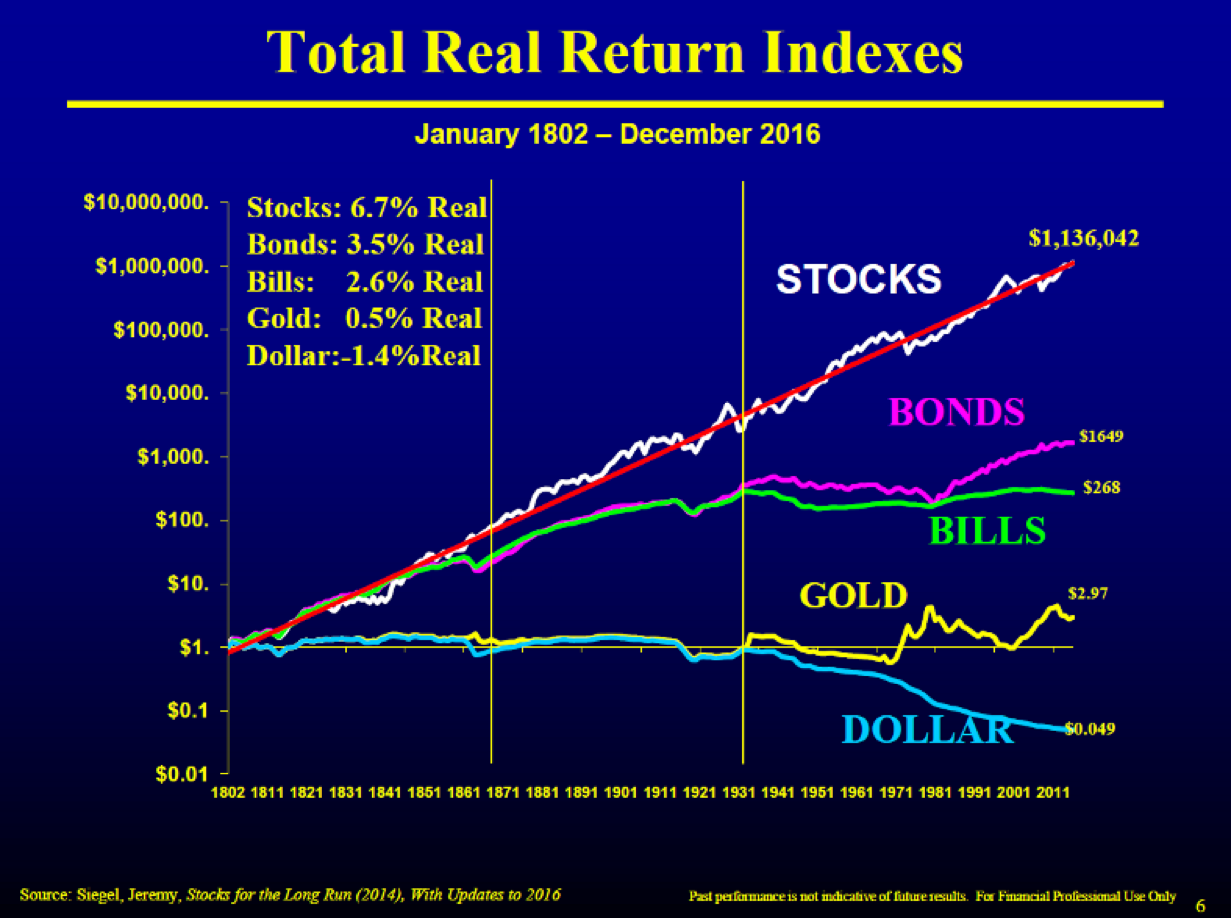
Despite numerous recessions, market crashes, and periods of high volatility, the stock market, particularly diversified indices like the S&P 500, has demonstrated a consistent upward trend over the long term. This historical performance, driven by innovation, economic growth, and corporate profitability, is the fundamental reason why equities are considered a powerful wealth-building tool. Understanding this long-term trend reinforces the wisdom of a buy-and-hold strategy and discourages panic selling during downturns.
Economic Indicators to Observe (Not to Time)
Instead of using economic indicators to time specific buys or sells, view them as part of the broader narrative that explains market behavior. For instance, rising interest rates from central banks might signal efforts to curb inflation, potentially impacting corporate borrowing costs and consumer spending, which in turn influences earnings. Strong GDP growth might indicate a healthy economy, while high unemployment could suggest weakness. Observing these trends helps you understand the economic landscape your investments operate within, informing your long-term outlook rather than triggering short-term trades.
The Role of Diversification
Diversification is not about timing, but about mitigating risk. By spreading your investments across different companies, industries, geographic regions, and asset classes (stocks, bonds, real estate), you reduce the impact of any single investment performing poorly. A well-diversified portfolio is designed to be resilient across various market conditions, preventing a single sector downturn from derailing your entire financial plan. This strategy allows you to remain invested through different economic cycles without needing to predict which sectors will perform best at any given time.
Maintaining a Long-Term Investment Discipline
The true secret to successful stock market investing lies not in selecting the perfect time or the perfect stock, but in establishing and maintaining a consistent, disciplined approach over many years.
Regular Portfolio Reviews (Not Reactive Trading)
Your investment portfolio should be reviewed periodically, typically once or twice a year. This is not for reactive trading based on market news, but to ensure your asset allocation still aligns with your financial goals, risk tolerance, and time horizon. Life circumstances change, and your investment strategy should adapt accordingly. This might involve rebalancing – selling some assets that have performed well to buy more of those that have lagged, bringing your portfolio back to its target allocation.
Sticking to Your Investment Plan
The most challenging aspect of long-term investing is often staying the course during volatile periods. Market corrections are a normal, albeit uncomfortable, part of investing. Those who panic and sell during downturns often miss the subsequent recovery, turning temporary paper losses into permanent real losses. Having a clear investment plan, based on your goals and risk tolerance, provides a framework to resist impulsive decisions driven by fear or market noise. Trust your strategy.
The Power of Patience and Compounding
Patience is arguably the most undervalued virtue in investing. Wealth creation through stocks is rarely a get-rich-quick scheme; it’s a gradual process driven by consistent contributions, market growth, and the magic of compounding. Understanding that significant returns are often realized over decades, not months, helps cultivate the patience needed to ride out market fluctuations and benefit from the market’s long-term upward trajectory.
Seeking Professional Guidance
While this article provides general insights, individual financial situations are unique. If you find yourself overwhelmed by investment decisions, unsure about your risk tolerance, or dealing with complex financial planning needs, consider consulting a qualified financial advisor. A good advisor can help you develop a personalized investment plan, provide objective guidance, and keep you disciplined through market ups and downs.

Conclusion
The perennial question “when to invest in stocks” ultimately has a nuanced answer. It’s less about identifying a specific date or market signal, and more about a confluence of personal financial readiness and strategic, disciplined action. The best time to invest is when you have established a solid financial foundation (emergency fund, managed debt), clearly defined your financial goals, understood your risk tolerance, and committed to a long-term, consistent investment approach like dollar-cost averaging.
While market downturns can present opportunities for those prepared, attempting to perfectly time the market is a futile endeavor that often leads to underperformance. Instead, focus on “time in the market,” leveraging the power of compounding, and maintaining emotional discipline. By prioritizing your personal financial health and adopting a strategic, long-term mindset, you’ll find that “when to invest” becomes less a question of market prognostication and more a continuous journey of wealth building.
aViewFromTheCave is a participant in the Amazon Services LLC Associates Program, an affiliate advertising program designed to provide a means for sites to earn advertising fees by advertising and linking to Amazon.com. Amazon, the Amazon logo, AmazonSupply, and the AmazonSupply logo are trademarks of Amazon.com, Inc. or its affiliates. As an Amazon Associate we earn affiliate commissions from qualifying purchases.