
Four years ago, the global economy stood on the precipice of an unprecedented crisis. The Dow Jones Industrial Average (DJIA), a bellwether for the U.S. stock market and broader economic sentiment, was not just a number; it was a daily barometer of escalating fear, urgent policy responses, and an eventual, remarkable resilience. Peering back to early to mid-2020 reveals a period of intense volatility, profound uncertainty, and pivotal shifts that continue to shape today’s financial landscape. Understanding where the Dow stood then, and more importantly, why it moved the way it did, offers invaluable lessons for investors navigating the inherent complexities of the market. This retrospective delves into the specifics of that tumultuous era, exploring the economic context, the market’s dramatic movements, and the enduring insights gleaned from one of the most challenging periods in modern financial history.
A Look Back at Early 2020: The Brink of Uncertainty
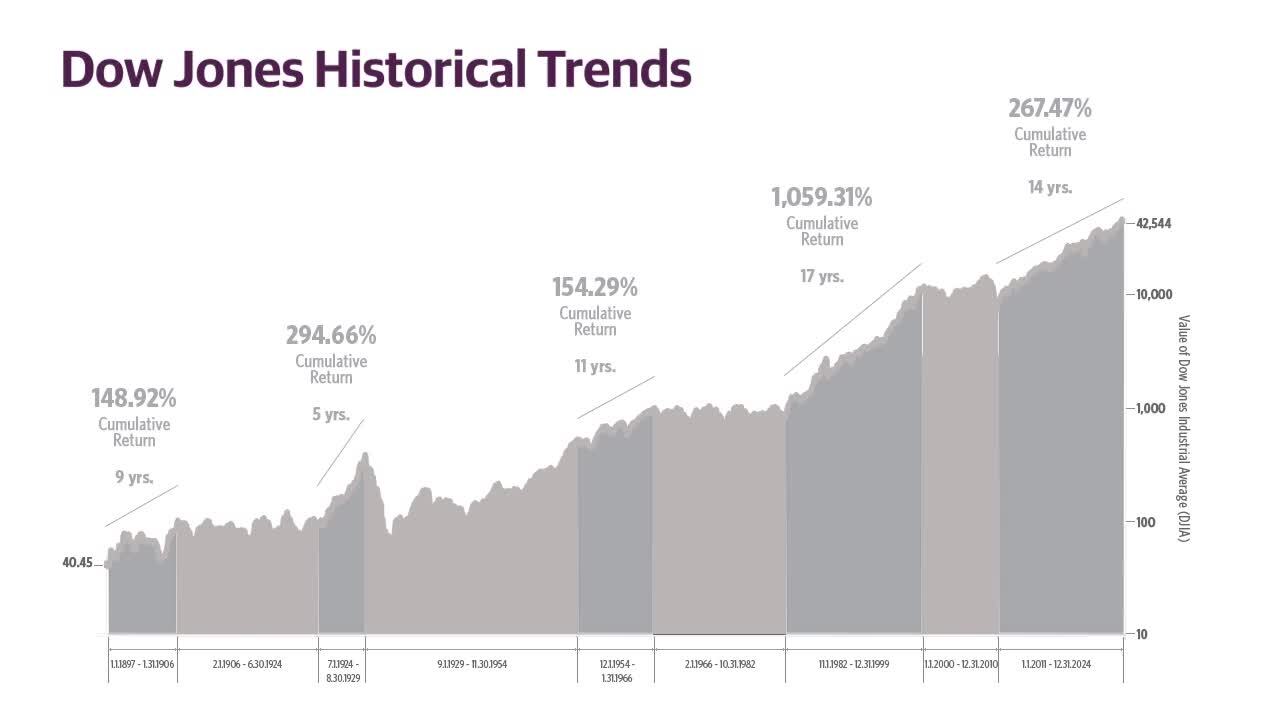
The year 2020 dawned with a sense of optimism, building on a decade-long bull run that had seen equity markets, including the Dow, reach new highs. The unemployment rate was at a 50-year low, corporate profits were robust, and consumer confidence was strong. However, this period of apparent calm was swiftly shattered by an invisible enemy, heralding an economic shockwave unlike any experienced in living memory.
Pre-Pandemic Market Strength
Leading into the first quarter of 2020, the Dow Jones Industrial Average had been riding a wave of growth. By mid-February 2020, the index was trading near its all-time highs, hovering close to the 29,500 to 30,000 point mark. This reflected a period of sustained economic expansion, fueled by low interest rates, technological innovation, and a generally stable geopolitical environment. Investor sentiment was largely positive, with many anticipating continued gains. Companies were reporting solid earnings, and the global supply chains, though often complex, were functioning efficiently. The market seemed to shrug off minor geopolitical tensions, embodying a “risk-on” attitude that had characterized much of the post-2008 recovery. Diversified portfolios had generally seen strong appreciation, and the concept of market corrections seemed a distant memory for many newer investors.
The Initial Shock and Rapid Decline
The comfortable trajectory of the market came to an abrupt halt in late February 2020, as the novel coronavirus, COVID-19, transitioned from a regional concern to a full-blown global pandemic. The scale and speed of its spread, coupled with the unprecedented public health measures taken to contain it – including widespread lockdowns, travel bans, and social distancing mandates – unleashed an immediate and profound economic shock. Businesses shuttered, supply chains seized up, and consumer demand plummeted in numerous sectors.
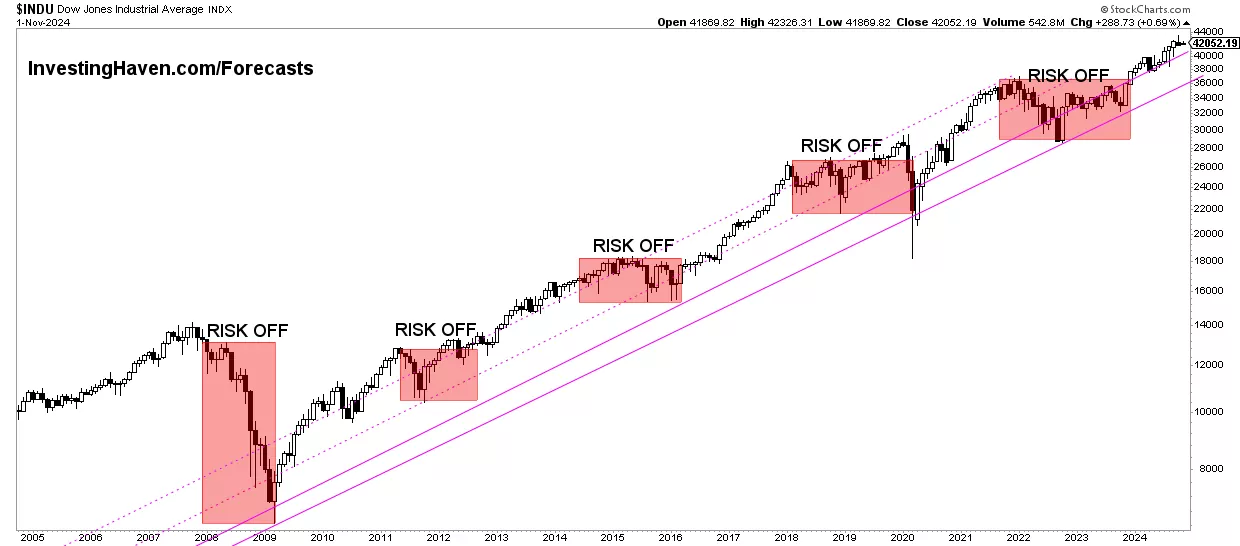
The stock market reacted with dizzying speed and severity. From its peak on February 12, 2020, the Dow plunged by nearly 37% in just over a month, hitting a low of approximately 18,591 on March 23, 2020. This was one of the fastest bear market plunges in history. Trading days were marked by “circuit breakers” being triggered multiple times – a mechanism designed to halt trading temporarily to prevent panic selling during extreme market movements. Investors faced immense uncertainty regarding corporate earnings, global trade, and the very structure of daily economic activity. The immediate reaction was a flight to safety, with a surge in demand for U.S. Treasury bonds, yet even gold, a traditional safe haven, saw initial volatility. The prevailing sentiment was one of genuine fear and a pervasive unknown, challenging even the most seasoned investors.
Specific Dow Levels (Approximate)
To contextualize this period, consider these approximate benchmarks for the Dow Jones Industrial Average around four years ago:
- February 12, 2020 (Pre-Pandemic Peak): Near 29,550 points.
- March 23, 2020 (Pandemic Trough): Approximately 18,591 points.
- Mid-2020 (Start of Recovery): By the end of April, the Dow had begun a significant rebound, climbing back towards the 24,000-25,000 range. By June, it was pushing above 26,000 as the initial shock subsided and policy responses took hold.
These numbers illustrate the dramatic swing – a decline of over 10,000 points in little more than a month, followed by a surprisingly robust initial recovery, driven by extraordinary policy actions and shifting market dynamics.
The Unprecedented Economic Response and Market Rebound
The severity of the economic contraction and the unprecedented nature of the public health crisis prompted an equally unprecedented response from central banks and governments worldwide. This swift and massive intervention played a critical role in stabilizing financial markets and eventually fueling a remarkable rebound, defying many initial doomsday predictions.
Monetary Policy Interventions
The Federal Reserve, under Chairman Jerome Powell, acted with extraordinary speed and force. In early March 2020, the Fed cut its benchmark federal funds rate to near zero (0% to 0.25%), effectively making borrowing cheaper to stimulate economic activity. This was followed by a series of aggressive quantitative easing (QE) measures, involving the purchase of vast quantities of Treasury bonds and mortgage-backed securities, designed to inject liquidity into the financial system, lower long-term interest rates, and ensure the smooth functioning of credit markets. The Fed also established a range of emergency lending facilities to support businesses, municipalities, and key financial markets, including commercial paper, corporate bonds, and money market mutual funds. These actions signaled a “whatever it takes” approach, reassuring investors that the central bank would provide ample liquidity to prevent a systemic financial collapse. The sheer scale and speed of these interventions were critical in stemming the tide of panic and restoring a measure of confidence.
Fiscal Stimulus Measures
Complementing the Fed’s monetary actions, the U.S. government enacted several massive fiscal stimulus packages. The most prominent of these was the Coronavirus Aid, Relief, and Economic Security (CARES) Act, signed into law in late March 2020. This monumental package, totaling over $2 trillion, included direct payments to individuals and families, expanded unemployment benefits, and established the Paycheck Protection Program (PPP) to provide forgivable loans to small businesses to keep workers on payrolls. Subsequent legislative actions added further rounds of stimulus checks and extended unemployment benefits. These fiscal measures aimed to provide a direct lifeline to households and businesses, offsetting lost income and preventing a deeper economic spiral. By injecting trillions of dollars directly into the economy, policymakers hoped to bridge the gap until the health crisis could be brought under control, underpinning consumer spending and corporate solvency.
The V-Shaped Recovery
Against this backdrop of massive monetary and fiscal support, the stock market began a powerful and surprisingly rapid recovery, often referred to as a “V-shaped” recovery. While the real economy continued to grapple with lockdowns, job losses, and supply chain disruptions, the equity market, particularly the Dow, began its ascent from the March lows. This decoupling between the financial markets and the immediate economic reality was a significant feature of the period. Investors began to look beyond the immediate crisis, anticipating a future recovery fueled by unprecedented stimulus and the eventual development of vaccines. The market’s rebound was also supported by the fact that many of the largest, most resilient companies – particularly in the technology sector – were better positioned to weather the storm, and in some cases, even thrived in the “stay-at-home” environment. This period demonstrated that markets are often forward-looking mechanisms, pricing in future expectations rather than just current conditions.
Key Factors Driving the Post-Crash Market
The recovery from the March 2020 lows was not uniform across all sectors, nor was it driven by a single factor. Several distinct forces converged to propel the market rebound, creating new investment trends and exacerbating existing ones.
The Rise of “Stay-at-Home” Economy Stocks
One of the most defining characteristics of the post-crash market was the dramatic outperformance of companies that benefited from the shift to remote work, online commerce, and digital entertainment. Technology giants, e-commerce platforms, software-as-a-service (SaaS) providers, and companies facilitating remote communication and cloud infrastructure saw their valuations soar. As people spent more time at home, demand for streaming services, home exercise equipment, and online groceries surged. This created a stark divergence in market performance, with “growth” stocks, particularly in tech, vastly outperforming traditional “value” stocks in sectors like energy, finance, and industrials, which were more directly impacted by economic shutdowns and reduced mobility. The Dow, being a more diversified index, reflected both the struggles of some traditional components and the gains of its tech-heavy constituents.
Retail Investor Engagement
The pandemic era also saw an unprecedented surge in retail investor participation. With many people working from home, stimulus checks in hand, and commission-free trading platforms becoming ubiquitous, a new wave of individual investors entered the market. Online forums and social media played an increasingly influential role in driving sentiment and trading activity, particularly in certain meme stocks, though this phenomenon was more pronounced in broader market trends than necessarily specific to Dow components. This increased retail activity contributed to market liquidity and, at times, amplified upward movements, adding another layer of complexity to market dynamics. The accessibility of trading tools made it easier for individuals to participate in the market’s recovery, fostering a sense of democratized investing.
Investor Psychology and FOMO
The rapid recovery from the March 2020 lows quickly ignited “Fear Of Missing Out” (FOMO) among investors. Those who had sold off positions during the initial panic found themselves on the sidelines as the market rallied aggressively. This psychological pressure often led to a chasing of returns, further fueling the upward momentum. The narrative shifted from fear of collapse to fear of being left behind. This dynamic, coupled with the massive liquidity injected by central banks, created a powerful feedback loop, where positive momentum attracted more capital, reinforcing the market’s upward trajectory, even amidst lingering economic uncertainties. Behavioral finance principles were on full display, as emotions played a significant role in investment decisions.
Inflationary Pressures Begin to Mount
While the immediate focus was on recovery, the seeds of future challenges were sown during this period. The combination of unprecedented monetary and fiscal stimulus, coupled with supply chain disruptions caused by the pandemic, began to exert upward pressure on prices. Though initially dismissed as “transitory” by many policymakers, the inflationary forces that took root in 2020 and 2021 would eventually become a dominant concern, leading to a dramatic shift in central bank policy and higher interest rates in subsequent years. The liquidity flood, while necessary for market stability, inevitably had long-term consequences for purchasing power.
Lessons for Investors from a Volatile Period
The market’s journey from early 2020 offers a rich tapestry of lessons for both novice and experienced investors, reinforcing fundamental principles of sound financial management and market navigation.
The Importance of Diversification
The sharp divergence in performance between various sectors and asset classes during the pandemic underscored the critical importance of diversification. Portfolios heavily concentrated in sectors directly impacted by lockdowns (e.g., travel, hospitality) suffered significant losses, while those with exposure to resilient technology and healthcare companies fared much better. A well-diversified portfolio, spread across different industries, geographies, and asset types (equities, bonds, real estate, etc.), acts as a buffer against unforeseen shocks, ensuring that no single event can catastrophically derail one’s financial goals. It reinforces the wisdom of not putting all your eggs in one basket.
Long-Term Perspective vs. Panic Selling
Perhaps the most potent lesson was the danger of emotional decision-making, particularly panic selling. Investors who liquidated their portfolios during the market’s trough in March 2020 locked in substantial losses and missed out on the subsequent, powerful rebound. Those who maintained a long-term perspective, or even strategically bought into the downturn, were ultimately rewarded. This period vividly demonstrated that market volatility, while uncomfortable, can present opportunities for patient investors. It emphasized that market corrections are often temporary, and staying invested through downturns is frequently the optimal strategy for achieving long-term growth.
Understanding Market Cycles and Black Swan Events
The COVID-19 pandemic was a quintessential “black swan” event – an unpredictable, high-impact occurrence that fundamentally alters market dynamics. This period served as a stark reminder that market cycles are inevitable and that unforeseen events, though rare, can and do occur. Investors must prepare for such eventualities by having an emergency fund, a diversified portfolio, and a clear investment strategy that can withstand periods of extreme stress. It highlighted the need for financial resilience and preparedness for the unknown.
The Role of Government and Central Bank Intervention
The speed and scale of government and central bank intervention were unprecedented and proved crucial in stabilizing financial markets. This highlighted the significant role that policymakers can play in mitigating economic crises. Understanding the potential for such interventions, and their subsequent impact on asset prices, becomes an important consideration for investors. While not a guarantee for future crises, the 2020 response set a precedent for aggressive policy action in times of severe distress, influencing investor expectations.
Beyond the Numbers: The Broader Economic and Societal Impact
The Dow’s movements in early 2020 were merely the surface manifestation of deeper, transformative changes sweeping across the global economy and society. The pandemic acted as an accelerant for existing trends and created entirely new paradigms.
Shifting Economic Paradigms
The rapid adoption of remote work fundamentally altered traditional office-centric business models and urban planning. It accelerated digital transformation across industries, making companies that embraced technology more resilient and competitive. Discussions around supply chain resilience gained prominence, leading to efforts to diversify sourcing and even “reshoring” production to reduce reliance on single points of failure. The push towards deglobalization, which had already begun, received further impetus as nations prioritized domestic stability and security over purely cost-driven global efficiencies. These shifts continue to reshape business strategies and investment opportunities.
Wealth Disparity and K-Shaped Recovery
While the stock market staged a robust recovery, the economic impact on individuals was highly uneven. Many low-wage workers, particularly in service industries, faced job losses and financial hardship, while those in white-collar professions often retained their jobs and even saw their savings grow as spending opportunities diminished. This led to what is often described as a “K-shaped recovery,” where some segments of the economy and population thrived (the upper arm of the K), while others struggled or declined (the lower arm of the K). The Dow’s resurgence reflected the prosperity of the former, highlighting the growing wealth disparity that became a significant societal concern.
Looking Forward: Lingering Effects and New Challenges
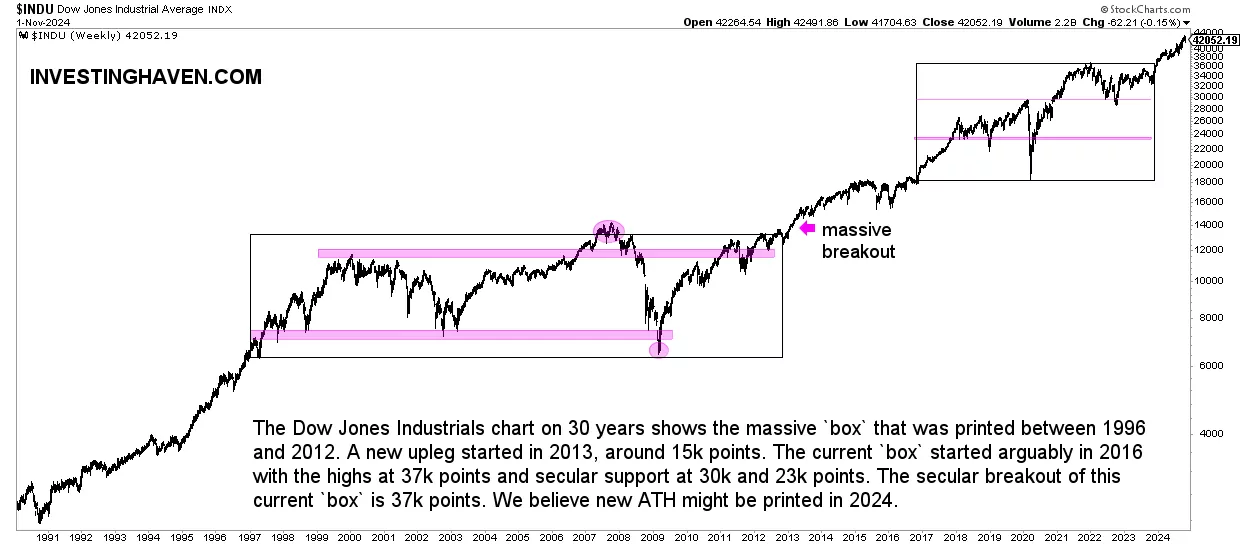
The events of four years ago continue to cast a long shadow. The massive fiscal and monetary stimulus, while preventing a deeper collapse, contributed significantly to the inflationary pressures that emerged in 2021 and 2022. This, in turn, forced central banks to pivot to aggressive interest rate hikes, creating a new set of challenges for investors and businesses. The legacy of this period includes persistent debates about the role of government in the economy, the resilience of global supply chains, and the future of work. Understanding “what was the Dow 4 years ago” is therefore not just an exercise in historical recall, but a crucial context for comprehending the economic realities and investment landscape of today. The lessons learned about market resilience, policy intervention, and human behavior remain incredibly pertinent for navigating an ever-evolving financial world.
aViewFromTheCave is a participant in the Amazon Services LLC Associates Program, an affiliate advertising program designed to provide a means for sites to earn advertising fees by advertising and linking to Amazon.com. Amazon, the Amazon logo, AmazonSupply, and the AmazonSupply logo are trademarks of Amazon.com, Inc. or its affiliates. As an Amazon Associate we earn affiliate commissions from qualifying purchases.