
Music, a universal language that transcends borders and cultures, is a constantly evolving tapestry woven with countless threads of expression. While the very essence of music is its boundless creativity, the human tendency to categorize has led to the emergence of distinct “genres.” These genres serve as roadmaps, helping us understand, appreciate, and discover the vast sonic landscapes that have been shaped by history, technology, culture, and the sheer ingenuity of artists. But with the ever-accelerating pace of innovation, particularly in the realm of technology, the lines between these genres are becoming increasingly blurred, creating exciting new hybrids and challenging our traditional classifications.

This exploration delves into the core of what constitutes a music genre, examining how various influences, from cutting-edge technology to strategic branding and even the economic realities of the industry, shape their evolution and our understanding of them.
The Foundations of Musical Classification: Understanding Genre
At its heart, a music genre is a category used to classify music that shares a common tradition, set of practices, or stylistic conventions. These conventions can encompass a wide array of elements, including:
- Instrumentation: The types of instruments used (e.g., electric guitars in rock, synthesizers in electronic dance music, acoustic instruments in folk).
- Rhythm and Tempo: The characteristic beat patterns and speed of the music.
- Melody and Harmony: The arrangement of musical notes and chords.
- Vocal Style: The way lyrics are sung or spoken, including the use of effects.
- Lyrical Content: The themes and subjects addressed in the lyrics.
- Production Techniques: The methods used to record, mix, and master the music, which are increasingly influenced by technology.
- Cultural and Historical Context: The social, political, and historical environment in which the music emerged.
Understanding these foundational elements is crucial for grasping why certain sounds are grouped together and how new genres emerge from the fusion or subversion of existing ones. The “main” genres, often considered the pillars of musical discourse, represent broad stylistic umbrellas under which a multitude of subgenres and microgenres thrive.
The Influence of Technology: Reshaping Sonic Boundaries
The evolution of music is inextricably linked to technological advancements. From the invention of new instruments to the digital revolution, technology has consistently provided artists with new tools for creation, performance, and distribution, profoundly impacting genre development.
From Analog to Digital: The AI and Software Revolution
The transition from analog recording to digital formats has been a seismic shift. Digital Audio Workstations (DAWs) and a plethora of sophisticated software have democratized music production, allowing artists to create complex arrangements with relatively affordable tools. This has fostered the growth of genres heavily reliant on electronic manipulation and synthesized sounds, such as Electronic Dance Music (EDM) in its myriad forms (house, techno, trance, dubstep), Hip-Hop, and modern Pop.
Artificial Intelligence (AI) is the latest frontier, opening up unprecedented possibilities. AI-powered music generation tools can now create entire compositions, suggest melodies, and even mimic the styles of established artists. This technology is not just a novelty; it’s beginning to influence the very sonic palettes of genres, leading to discussions about authorship, originality, and the future of musical creativity. For instance, AI could be used to generate unique basslines for a new wave of electronic music or to craft intricate instrumental arrangements for film scores, pushing the boundaries of what’s sonically achievable within existing genres.
Gadgets, Apps, and the Democratization of Creation
The proliferation of user-friendly music creation apps on smartphones and tablets has further lowered the barrier to entry. Anyone with a creative idea can now experiment with beats, melodies, and vocal effects without needing formal training or expensive equipment. This has led to an explosion of independent artists and a diversification of musical styles. Platforms like SoundCloud and Bandcamp, facilitated by digital infrastructure, have become vital ecosystems for emerging genres and artists who might not fit into traditional industry molds.
Brand and Identity: How Marketing Shapes Genre Perception
While technology provides the tools, the way music is presented, marketed, and perceived plays a significant role in defining and solidifying genres. This is where the principles of Brand strategy become highly relevant.
Personal Branding and the Artist’s Persona
In today’s music landscape, the artist’s persona is often as important as their sound. A strong personal brand can help an artist connect with their audience and differentiate themselves within a crowded market. Think of the distinct visual aesthetics and thematic cohesiveness associated with genres like Goth, Punk, or even the elaborate stage shows of many Pop and Rock artists. These elements, carefully curated through branding, reinforce the genre’s identity and create a deeper emotional connection with fans.
Corporate Identity and Genre Marketing
Record labels and music marketing companies employ sophisticated strategies to position artists and their music within specific genres. This involves targeted advertising, creating music videos that embody the genre’s tropes, and curating playlists that cater to the tastes of genre enthusiasts. The aim is to build a recognizable “brand” for the genre itself, making it easier for consumers to discover and engage with music they are likely to enjoy. Case studies in successful genre marketing reveal how a consistent visual identity, a compelling narrative, and strategic collaborations can propel an artist and their associated genre to mainstream success.
The Economic Landscape: Money, Income, and Genre Viability
The economic realities of the music industry profoundly influence the types of music that are created, promoted, and sustained, directly impacting the evolution and popularity of different genres.
Personal Finance and the Rise of the Independent Artist
The advent of online income streams and side hustles has empowered musicians to pursue their passion with greater financial independence. Platforms like Patreon allow fans to directly support artists they admire, providing a more sustainable income than traditional record sales or royalty structures. This financial shift has fostered a thriving independent music scene, where artists are free to experiment with niche genres and unconventional sounds without the pressure of mainstream commercial appeal. Budgeting and financial planning are now essential skills for independent artists, enabling them to manage touring, recording, and promotional expenses.
Investing in Sound: Business Finance and Genre Trends
For established artists and record labels, music production and promotion are significant business investments. Decisions about which genres to invest in are often driven by market trends, potential for commercial success, and the ability to leverage existing infrastructure. This can lead to periods where certain genres dominate the charts, as capital is funneled into their production and marketing. Understanding business finance helps artists and industry professionals navigate these cycles, identifying opportunities for growth and ensuring the long-term viability of their musical endeavors. Financial tools and software are increasingly used to track revenue, manage royalties, and forecast market performance, all of which indirectly shape the musical landscape by influencing which genres receive the most attention and resources.
Navigating the Main Music Genres: A Fluid Landscape
Given the dynamic interplay of technology, branding, and economics, it’s important to recognize that “main music genres” are not static entities. They are living, breathing categories that constantly adapt and splinter. However, some broad classifications have historically held significant sway and continue to represent major currents in musical expression.
The Enduring Pillars: Rock, Pop, Hip-Hop, and Electronic Music
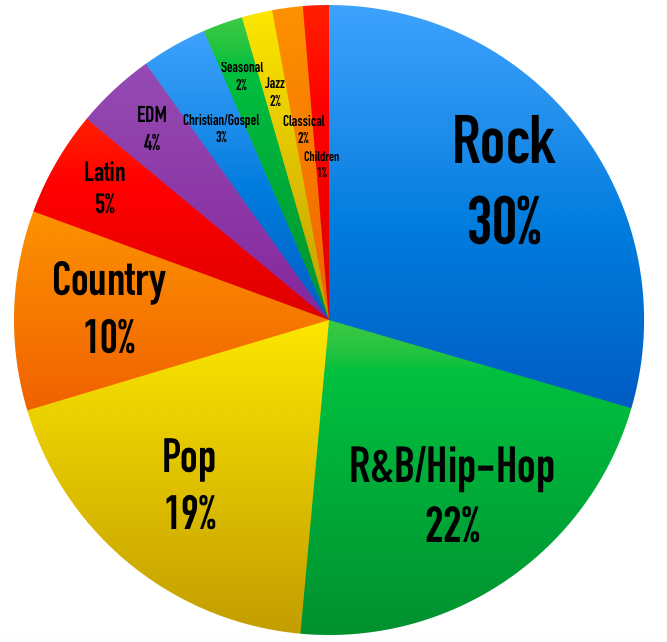
- Rock: With its roots in blues and rock and roll, rock music has a vast and diverse history. From the raw energy of garage rock and the rebellious spirit of punk rock to the intricate musicianship of progressive rock and the stadium anthems of hard rock, it remains a powerful force. Its evolution has seen countless subgenres emerge, often fueled by technological innovations in guitar effects and amplification.
- Pop: “Popular music” is by definition designed for mass appeal. It’s characterized by catchy melodies, accessible structures, and often polished production. Pop music is incredibly adaptable, absorbing influences from virtually every other genre. Its ability to reinvent itself, often driven by the latest technological trends and branding strategies, ensures its continued dominance.
- Hip-Hop: Emerging from urban communities, Hip-Hop is more than just music; it’s a cultural movement encompassing DJing, rapping, breakdancing, and graffiti art. Its genre evolution has been marked by technological advancements in sampling, beatmaking, and vocal processing, leading to diverse styles from old-school boom-bap to trap and conscious hip-hop.
- Electronic Dance Music (EDM): This broad category encompasses a vast array of genres produced primarily with electronic instruments and synthesizers. From the pulsating beats of house and techno to the euphoric soundscapes of trance and the bass-heavy rhythms of dubstep, EDM has been a direct beneficiary of technological innovation. Its vibrant club culture and festival scene are testament to its widespread appeal and constant evolution.
Beyond the Pillars: Jazz, Classical, Country, and World Music
While the aforementioned genres often dominate mainstream discourse, a rich tapestry of other significant categories enriches the global musical landscape:
- Jazz: Characterized by improvisation, syncopation, and sophisticated harmonies, jazz has a deep historical lineage. From the early sounds of New Orleans jazz to the experimental explorations of free jazz and the smooth stylings of smooth jazz, it continues to inspire and influence.
- Classical Music: Encompassing a vast historical period from the Baroque era to contemporary compositions, classical music is known for its intricate structures, orchestral arrangements, and emotional depth. While often perceived as traditional, contemporary classical composers are increasingly embracing new technologies and collaborations with other genres.
- Country Music: With its roots in folk music, blues, and gospel, country music often tells stories of everyday life, love, and hardship. Its evolution has seen it embrace elements of rock and pop, leading to subgenres like outlaw country, pop-country, and Americana.
- World Music: This is a broad and often debated category encompassing music from diverse cultures worldwide. It highlights the incredible variety of rhythms, instruments, and vocal traditions found across the globe, offering a rich source of inspiration for artists across all genres.

Conclusion: The Ever-Expanding Universe of Sound
Understanding “what are the main music genres” is not about creating rigid boxes, but rather about appreciating the dynamic forces that shape our sonic experiences. Technology provides the tools for innovation, brand strategy influences perception and connection, and the economic realities of the industry dictate what can be sustained and amplified. As these elements continue to evolve at an unprecedented pace, the landscape of music genres will undoubtedly become even more complex, blended, and exciting. Whether you’re a seasoned audiophile or a casual listener, embracing this fluidity is key to discovering the endless wonders that music has to offer. The next big genre might be just around the corner, born from the intersection of a groundbreaking AI tool, a savvy personal brand, and a musician’s unwavering passion.
aViewFromTheCave is a participant in the Amazon Services LLC Associates Program, an affiliate advertising program designed to provide a means for sites to earn advertising fees by advertising and linking to Amazon.com. Amazon, the Amazon logo, AmazonSupply, and the AmazonSupply logo are trademarks of Amazon.com, Inc. or its affiliates. As an Amazon Associate we earn affiliate commissions from qualifying purchases.