
For anyone looking to step into the dynamic world of investing and finance, one of the most fundamental questions often arises: “What time does the trading market open?” While seemingly straightforward, the answer is far from monolithic. The concept of a “trading market” encompasses a vast ecosystem of exchanges, asset classes, and global time zones, each with its own specific operational hours. Understanding these opening and closing times is not merely a matter of scheduling; it’s a critical component of strategic investing, risk management, and capitalizing on market opportunities.
This article will delve into the intricacies of market hours across different financial instruments and geographies, offering a comprehensive guide for both novice and experienced participants. We’ll explore the significance of these timings, the mechanics of pre-market and after-hours trading, and the practical implications for those looking to manage their investments effectively in an increasingly interconnected global economy.
Understanding Global Trading Hours and Market Dynamics
The financial world operates on a decentralized yet interconnected schedule, dictated by the individual opening and closing times of exchanges around the globe. These timings are not arbitrary; they are deeply ingrained in the local business culture, regulatory frameworks, and the desire to balance accessibility with orderliness.
The Significance of Market Opening Times
The “opening bell” is more than just a ceremonial act; it often marks a period of heightened activity, volatility, and liquidity. At market open, all pending orders accumulated overnight are processed, and investors react to news and economic data released during the off-hours. This initial surge can set the tone for the day, making the first few minutes or hours crucial for many day traders and algorithms seeking to exploit immediate price movements. Conversely, the market close also presents unique dynamics, as traders look to consolidate positions or make last-minute adjustments. Understanding these dynamics is paramount for developing an effective trading strategy that aligns with one’s risk tolerance and investment goals.
Key Global Stock Exchanges and Their Schedules
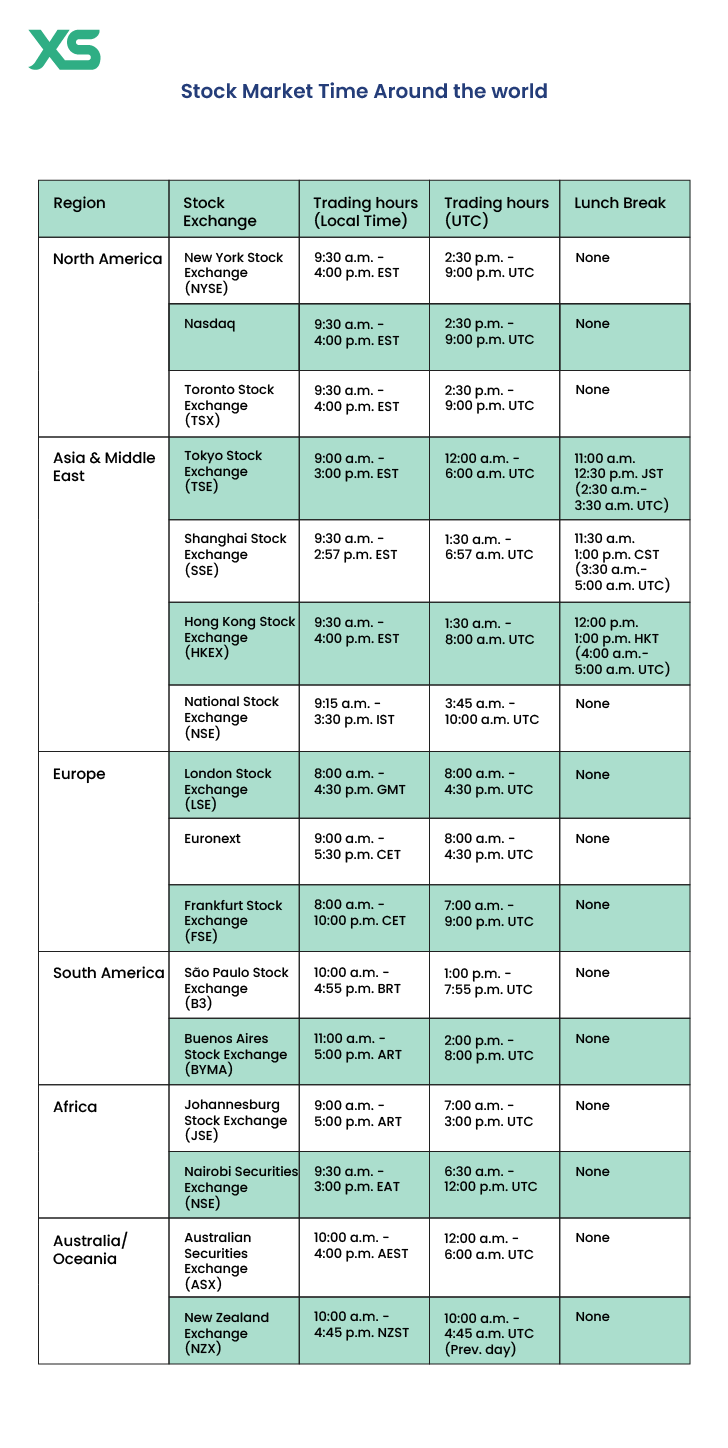
The world’s major stock exchanges largely adhere to local business hours, typically operating five days a week, Monday through Friday, with closures for public holidays. Here’s a snapshot of some of the most influential markets:
- North America:
- New York Stock Exchange (NYSE) and NASDAQ: Both operate from 9:30 AM to 4:00 PM Eastern Time (ET).
- Toronto Stock Exchange (TSX): 9:30 AM to 4:00 PM Eastern Time (ET).
- Europe:
- London Stock Exchange (LSE): 8:00 AM to 4:30 PM Greenwich Mean Time (GMT).
- Euronext (Paris, Amsterdam, Brussels, Lisbon): Generally 9:00 AM to 5:30 PM Central European Time (CET).
- Deutsche Börse (Frankfurt): 9:00 AM to 5:30 PM Central European Time (CET).
- Asia-Pacific:
- Tokyo Stock Exchange (TSE): 9:00 AM to 11:30 AM, then 12:30 PM to 3:00 PM Japan Standard Time (JST).
- Shanghai Stock Exchange (SSE) / Shenzhen Stock Exchange (SZSE): 9:30 AM to 11:30 AM, then 1:00 PM to 3:00 PM China Standard Time (CST).
- Australian Securities Exchange (ASX): 10:00 AM to 4:00 PM Australian Eastern Standard Time (AEST).
These examples highlight the diverse operating hours influenced by local time zones and market practices, emphasizing the need for global investors to be aware of the specific schedules relevant to their target assets.
Impact of Time Zones on International Trading
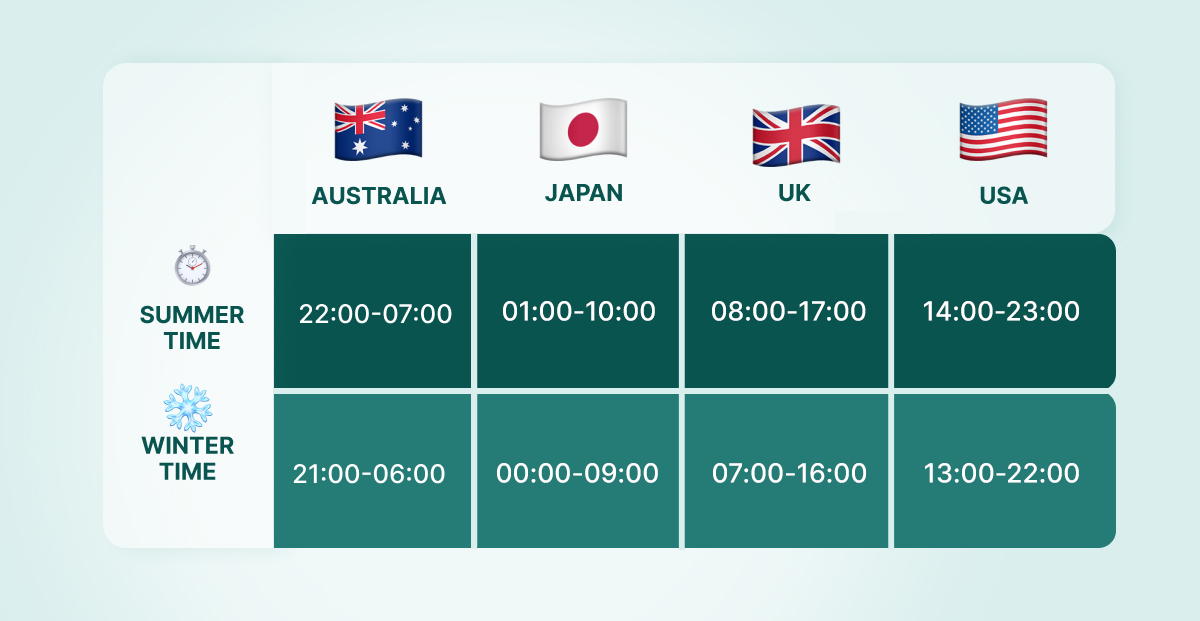
The interconnectedness of global financial markets means that as one major market closes, another is often opening. This continuous cycle allows for round-the-clock trading opportunities in certain asset classes, particularly currencies. For investors trading across different time zones, managing these overlaps and staggered openings is crucial. For instance, European markets react to news from Asia, and U.S. markets react to developments in both Asia and Europe, creating a domino effect of price discovery and adjustment throughout the 24-hour cycle. This also introduces challenges in terms of monitoring portfolios, executing trades, and staying abreast of relevant news when one’s target market is active in the middle of the night.
Navigating Different Asset Classes and Their Trading Windows
The “trading market” is not a singular entity; it’s a collection of distinct markets for different asset classes, each with its own trading rhythm. Understanding these variations is essential for any diversified investment strategy.
Equities (Stocks): Standard Exchange Hours
As discussed, stock exchanges like the NYSE, NASDAQ, LSE, and TSE primarily operate during standard business hours, typically from Monday to Friday. These hours are designed to align with traditional workdays, allowing market participants sufficient time to analyze information, execute trades, and manage their positions within a structured environment. These fixed hours contribute to market liquidity and orderliness, though they also mean that investors cannot react to news or events occurring outside these windows until the next opening bell, often leading to “gap openings” or “gap downs.”
Foreign Exchange (Forex): A 24-Hour Market
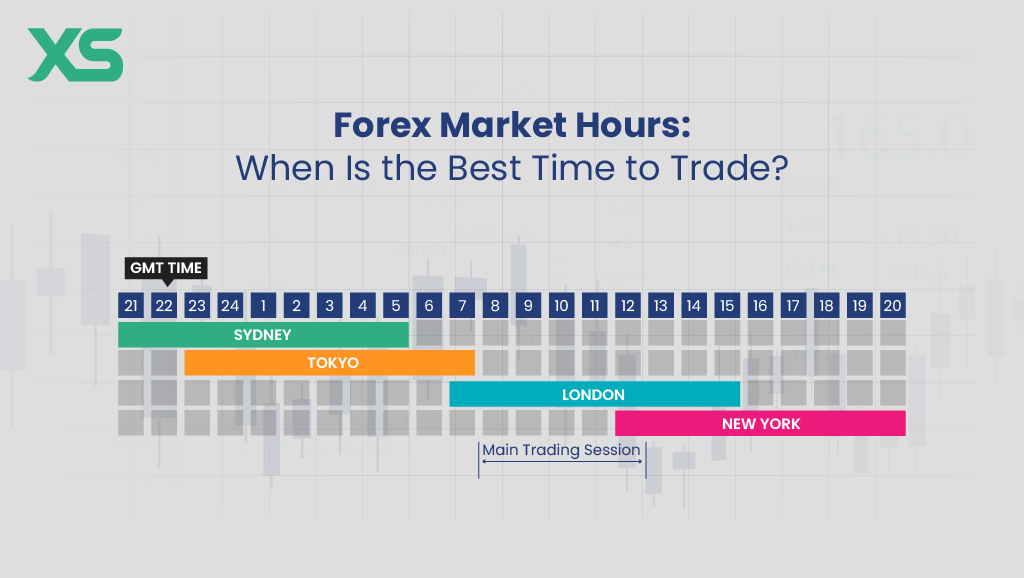
Unlike stock markets, the foreign exchange (forex) market is truly a 24-hour operation, five days a week. It opens Sunday evening (ET) as markets in Sydney and Tokyo begin trading, and closes Friday afternoon (ET) when New York wraps up. This continuous trading is possible because forex is an over-the-counter (OTC) market, meaning trades are conducted directly between participants rather than through a centralized exchange. Major financial centers around the world (Sydney, Tokyo, London, New York) act as anchors, ensuring that there is always an active market somewhere. This perpetual liquidity makes forex trading unique, allowing participants to react instantaneously to global geopolitical or economic news, regardless of the time of day.
Commodities: Energy, Metals, and Agricultural Products
Commodity markets, which include everything from crude oil and natural gas to gold, silver, wheat, and corn, often have varied trading hours depending on the specific commodity and the exchange where it’s traded. Many major commodities are traded on futures exchanges, such as the CME Group (which includes NYMEX and COMEX) in the US, and ICE Futures Europe. These exchanges often offer extended electronic trading hours, far beyond the traditional pit trading hours (where applicable). For instance, crude oil futures might trade nearly 24 hours a day, Sunday through Friday, to accommodate global supply and demand dynamics, while agricultural commodities might have more restricted hours aligned with their specific harvest cycles and reporting schedules.
Cryptocurrencies: The Always-On Digital Frontier
The newest frontier in asset trading, cryptocurrencies, stands apart with its truly 24/7/365 availability. Unlike traditional markets, cryptocurrency exchanges like Coinbase, Binance, and Kraken never close. This constant liquidity is a defining characteristic of the decentralized digital asset space, reflecting its global, internet-native nature. Investors can buy, sell, and trade cryptocurrencies at any hour, on any day, including weekends and public holidays. While this offers unparalleled flexibility, it also means that price volatility can occur at any moment, requiring constant vigilance or sophisticated automated trading strategies for active participants.
Pre-Market, After-Hours, and Extended Trading
While standard exchange hours define the core trading day, many markets offer additional periods for trading, known as pre-market and after-hours sessions. These extended hours have become increasingly prevalent with the advent of electronic trading platforms and provide opportunities, as well as distinct challenges, for investors.
What is Pre-Market Trading?
Pre-market trading refers to the period before the regular trading session begins. For U.S. stock exchanges, this typically runs from 4:00 AM ET to 9:30 AM ET. During this time, institutional investors, professional traders, and increasingly, individual investors, can place orders and execute trades. The volume is usually lower than in regular hours, and liquidity can be thinner, meaning that fewer shares are being bought and sold, which can lead to larger price swings on relatively small trade volumes. Pre-market activity is often driven by corporate earnings announcements, news releases, or global market movements that occur overnight.
The Role of After-Hours Sessions
After-hours trading takes place once the regular market session concludes. For U.S. markets, this usually runs from 4:00 PM ET to 8:00 PM ET. Similar to pre-market, after-hours trading allows investors to react to news that breaks after the market closes, such as quarterly earnings reports or significant economic data. Volume and liquidity tend to be lower than regular hours, which can result in wider bid-ask spreads and increased volatility. Both pre-market and after-hours trading are primarily conducted through Electronic Communication Networks (ECNs), which match buy and sell orders directly.
Advantages and Disadvantages of Extended Trading
Advantages:
- Flexibility: Allows investors to react immediately to news outside regular hours, or to trade around work schedules.
- Early Reaction: Opportunity to get ahead of the curve on significant news or earnings reports before the general market opens or closes.
- Convenience: For global investors, it may align better with their local time zones.
Disadvantages:
- Lower Liquidity: Fewer participants can lead to larger price swings and difficulty executing trades at desired prices.
- Wider Spreads: The difference between the buy (bid) and sell (ask) price can be significantly larger, increasing transaction costs.
- Higher Volatility: Lower liquidity combined with breaking news can create dramatic and unpredictable price movements.
- Limited Order Types: Not all order types (e.g., certain stop orders) may be available or function optimally during extended hours.
- Lack of Price Transparency: With lower volume, it can be harder to gauge the true market consensus price.
These sessions require careful consideration and are generally more suited for experienced traders who understand the inherent risks.
The Strategic Importance of Knowing Market Hours
Beyond mere logistical planning, a deep understanding of market hours is a cornerstone of effective trading and investment strategy. It influences everything from trade execution to risk management.
Volatility and Liquidity at Market Open
The “opening bell” of any major stock exchange is typically accompanied by a surge in volatility and liquidity. This is due to the influx of orders accumulated overnight and the immediate reaction to any news that occurred while the market was closed. Traders often employ specific strategies to capitalize on these initial movements, though the increased volatility also presents higher risks. Conversely, liquidity also tends to be at its highest, meaning orders can be filled quickly and efficiently. Smart investors learn to either harness this initial energy or choose to wait until the market settles down, typically within the first hour, before executing their trades.
Event-Driven Trading Around Opening Bells
Many significant economic reports, corporate earnings announcements, and geopolitical statements are strategically released either before the market opens or after it closes. This timing is deliberate, aiming to give investors time to digest the information before trading resumes, or to prevent immediate, chaotic reactions during market hours. Consequently, the periods immediately before and after market opens become crucial for event-driven traders who seek to profit from the market’s reaction to such news. Having a clear understanding of when these reports are scheduled and how they might impact specific assets is vital for success in this domain.
Risk Management and Trading Psychology
Knowing market hours is integral to effective risk management. For instance, holding highly volatile positions overnight exposes an investor to “gap risk,” where the asset’s price can open significantly higher or lower due to off-hours news. Traders who are aware of upcoming economic data releases or corporate events might choose to reduce their exposure before the market closes to mitigate this risk. Furthermore, understanding market hours helps manage trading psychology. Attempting to trade when liquidity is low or volatility is extreme can lead to impulsive decisions. By aligning trading activities with optimal market conditions, investors can maintain discipline and make more rational choices, reducing the likelihood of emotional trading errors.
Practical Considerations for Traders and Investors
Navigating the complexities of global market hours requires more than just theoretical knowledge; it demands practical tools and disciplined habits.
Developing a Trading Schedule
For active traders, particularly those participating in multiple markets or asset classes, developing a structured trading schedule is paramount. This might involve setting alarms for specific market opens, planning trade entries and exits around periods of expected liquidity, and allocating specific times for research and analysis. For long-term investors, the need for real-time monitoring is less acute, but they should still be aware of when their chosen markets are open to place orders or review their portfolios without delay. Utilizing market calendars that show trading holidays and specific opening/closing times for relevant exchanges is an invaluable resource.
Utilizing Financial Tools and Platforms
Modern financial technology has made it significantly easier for investors to manage their trading across different time zones. Most online brokerage platforms provide real-time market data, pre-market and after-hours trading capabilities, and tools to manage orders even when markets are closed (e.g., pending orders that activate at market open). News aggregators and financial data providers can filter news based on market impact and release times, helping investors stay informed. Setting up customized alerts for specific stocks or economic events can also be a game-changer, ensuring that important information is not missed regardless of the time.
Staying Informed About Market Holidays and Disruptions
Finally, it’s crucial to remember that market hours are not static. Exchanges observe various national holidays, during which they remain closed. Unexpected disruptions, such as technical issues, severe weather, or major geopolitical events, can also lead to temporary closures or adjusted hours. Savvy investors regularly consult the holiday calendars of the exchanges they trade on and stay updated with financial news channels for any announcements regarding unforeseen market closures. A missed holiday can lead to missed opportunities or, worse, unexpected exposure to overnight risk.
In conclusion, the question “What time does the trading market open?” unveils a rich tapestry of global financial mechanics. From the synchronized opening bells of stock exchanges to the perpetual hum of the forex and crypto markets, each schedule offers unique dynamics, opportunities, and risks. By mastering these timings, investors can refine their strategies, enhance their risk management, and ultimately position themselves for greater success in the ever-evolving world of finance.
aViewFromTheCave is a participant in the Amazon Services LLC Associates Program, an affiliate advertising program designed to provide a means for sites to earn advertising fees by advertising and linking to Amazon.com. Amazon, the Amazon logo, AmazonSupply, and the AmazonSupply logo are trademarks of Amazon.com, Inc. or its affiliates. As an Amazon Associate we earn affiliate commissions from qualifying purchases.