
For investors residing on the West Coast, understanding the precise opening and closing times of major U.S. stock exchanges in Pacific Standard Time (PST) is not merely a matter of curiosity; it’s a critical component of strategic trading and effective portfolio management. The bustling activity of Wall Street might seem a world away, both geographically and chronologically, but with a clear grasp of time zone conversions, PST-based investors can position themselves advantageously within the market’s daily ebb and flow. This article aims to demystify market hours for those operating in PST, providing a comprehensive guide to standard trading sessions, extended hours, and essential considerations for West Coast financial professionals and individual investors alike.
Understanding Standard Market Hours
The heart of U.S. stock market activity beats according to Eastern Time (ET), a fact that forms the baseline for all trading schedules. Grasping these fundamental hours is the first step toward synchronizing your investment strategy with the market’s rhythm, regardless of your local time zone.
Core Trading Session Overview
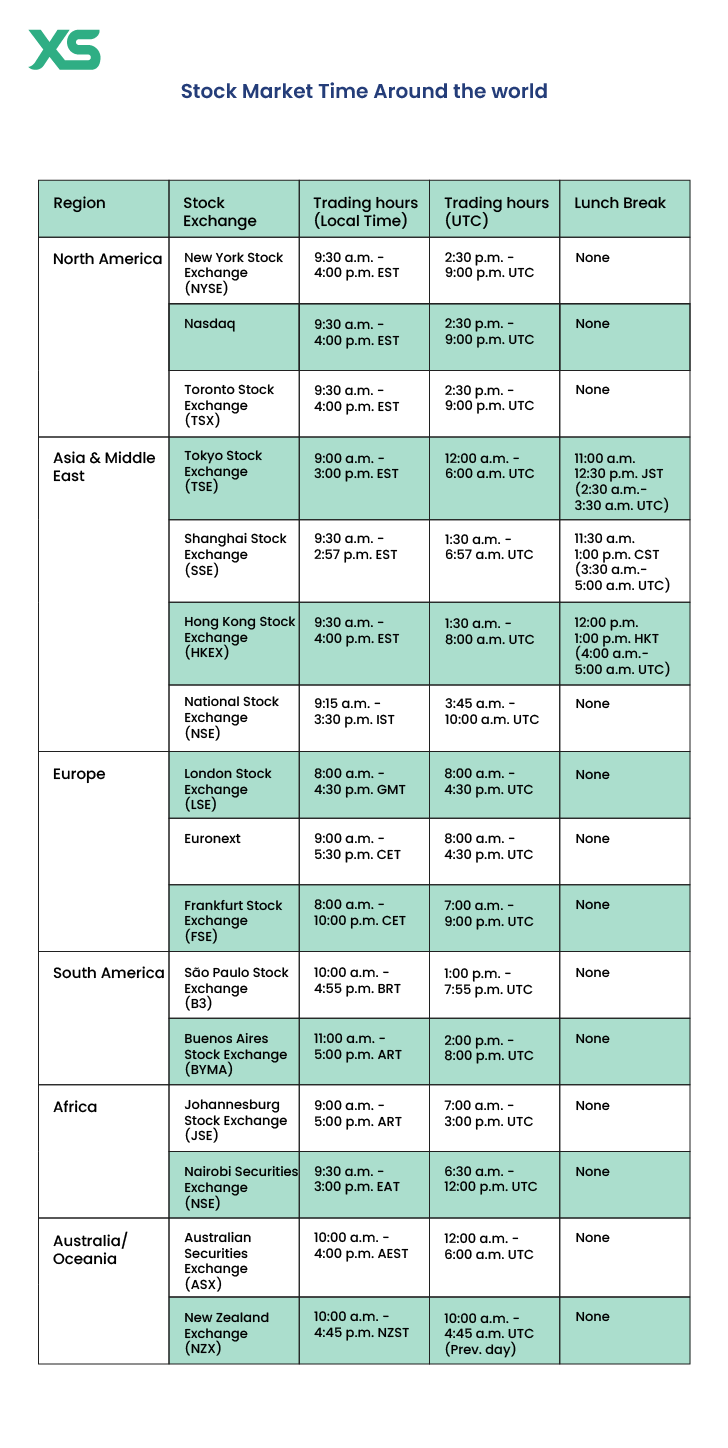
The primary trading session for the major U.S. stock exchanges is a well-defined period during which the vast majority of transactions occur. This session is characterized by high liquidity, tight bid-ask spreads, and the most robust participation from institutional and individual investors. For the New York Stock Exchange (NYSE) and the Nasdaq Stock Market, this core trading window runs from 9:30 AM to 4:00 PM Eastern Time, Monday through Friday.
During these hours, a confluence of factors dictates market movements: corporate earnings reports, economic data releases, geopolitical events, and investor sentiment all contribute to price fluctuations and trading volumes. Active traders often focus their efforts during this period, leveraging the market’s depth and responsiveness. Long-term investors, while less focused on intraday movements, still benefit from understanding these core hours as they represent the official period when daily closing prices are established.
Eastern Time as the Benchmark
The choice of Eastern Time as the benchmark for U.S. financial markets is deeply rooted in history and geography. New York City, the epicenter of American finance, operates on ET. Consequently, market participants, regulatory bodies, and financial news outlets universally report market hours and events in ET. This standardization simplifies communication and coordination across the diverse financial ecosystem, from brokerages to data providers.
For anyone trading or investing in U.S. equities, internalizing ET as the primary reference point is crucial. All official announcements, exchange statements, and market data timestamps will adhere to ET. This means that while you might convert these times to your local zone for personal planning, the underlying data stream and market events unfold in Eastern Time.
Major US Exchanges: NYSE and NASDAQ
The two dominant forces in U.S. equity trading are the New York Stock Exchange (NYSE) and the Nasdaq Stock Market. Both adhere to the same 9:30 AM to 4:00 PM ET core trading hours, though they list different types of companies and employ distinct trading mechanisms.
The NYSE, often referred to as “Wall Street,” is known for its hybrid market, combining electronic trading with human specialists on its trading floor. It lists many of the oldest, largest, and most established companies, often associated with traditional industries.
The Nasdaq, on the other hand, is a fully electronic exchange, famous for listing technology giants and growth-oriented companies. Its entirely screen-based operation allows for rapid execution and wide accessibility.
Despite their differences, for the purposes of understanding market opening times, they function identically. When we speak of “the stock market” opening or closing, we are primarily referring to the synchronous operation of these two behemoths.
Navigating Time Zones: Pacific Standard Time Explained
Now that the bedrock of Eastern Time market hours is established, the critical step for West Coast investors is to accurately convert these times into Pacific Standard Time (PST). This conversion is simple but absolutely essential for timely participation.
Converting Eastern Time to Pacific Time
Pacific Standard Time is three hours behind Eastern Time. This simple differential forms the basis of all conversions.
Therefore, to determine the opening and closing times of the U.S. stock market in PST:
- Market Open: 9:30 AM ET becomes 6:30 AM PST
- Market Close: 4:00 PM ET becomes 1:00 PM PST
This means that for an investor in California, Oregon, Washington, or other PST zones, their trading day officially begins at 6:30 AM and concludes at 1:00 PM. It’s important to note that this applies during standard time. During Daylight Saving Time, when most of the U.S. shifts forward an hour, the differential remains three hours (e.g., Eastern Daylight Time to Pacific Daylight Time), so the 6:30 AM to 1:00 PM PST schedule remains consistent.
The PST Investor’s Trading Day
For those operating in PST, the market’s official open at 6:30 AM can present both unique challenges and opportunities. Waking up before the market bell might be necessary for those who wish to catch the initial flurry of activity. The first hour of trading (6:30 AM – 7:30 AM PST) is often characterized by heightened volatility and significant price movements as overnight news and pre-market activity are absorbed.
Conversely, the market’s close at 1:00 PM PST means that West Coast investors conclude their trading day much earlier than their East Coast counterparts. This can free up afternoons for other activities, but it also means having less time during regular business hours to react to late-breaking news or make end-of-day adjustments. The peak trading hours, generally the first and last hours of the market, occur for PST investors between 6:30 AM – 7:30 AM and 12:00 PM – 1:00 PM.
Practical Implications for West Coast Investors
The 6:30 AM PST market open has several practical implications. For active day traders, this early start necessitates a disciplined morning routine, ensuring they are alert and prepared to execute strategies. Data feeds, news headlines, and trading platforms must be up and running well before 6:30 AM.
For long-term investors, the early close at 1:00 PM PST means that any actions needing to be taken based on afternoon news or personal availability must be factored into this shortened window. It also means that much of the post-market analysis and planning for the next day can be conducted in the afternoon, potentially allowing for a more relaxed and reflective approach without the pressure of live market movements. Furthermore, for those with full-time jobs, the market’s full standard session runs during typical work hours, making it crucial to have tools or strategies for monitoring investments discreetly or allocating specific times for trading activities.
Beyond Standard Hours: Pre-Market and After-Hours Trading
The concept of a “trading day” extends beyond the conventional 9:30 AM to 4:00 PM ET (or 6:30 AM to 1:00 PM PST) window. Electronic communication networks (ECNs) and alternative trading systems (ATSs) facilitate trading sessions both before the market officially opens and after it closes. These extended hours offer flexibility but come with their own set of characteristics and risks.
Opportunities and Risks of Extended Sessions

Opportunities:
- Reacting to News: Extended hours allow investors to react immediately to news releases (e.g., earnings reports, economic data) that occur outside standard market hours, potentially capturing significant price movements.
- Flexibility: For PST investors, pre-market trading, which begins as early as 4:00 AM ET (1:00 AM PST), can allow for early participation without disrupting their entire morning. After-hours trading, which can extend until 8:00 PM ET (5:00 PM PST), offers a chance to manage positions after the main market close.
- Convenience: Investors can place trades when it’s most convenient for them, fitting investing around other commitments.
Risks:
- Lower Liquidity: Significantly fewer participants trade during extended hours, leading to lower liquidity. This means fewer buyers and sellers, making it harder to execute large orders without impacting the price.
- Wider Spreads: Lower liquidity often results in wider bid-ask spreads, increasing transaction costs for traders.
- Increased Volatility: News-driven movements can lead to extreme volatility, and prices can gap significantly when the standard market opens.
- Limited Order Types: Some brokers may restrict the types of orders available during extended hours (e.g., only limit orders).
- Professional Dominance: Institutional investors and professional traders often dominate extended hours trading, potentially putting retail investors at a disadvantage.
How Pre-Market Trading Works (PST Perspective)
Pre-market trading typically runs from 4:00 AM ET to 9:30 AM ET. For PST investors, this translates to a window from 1:00 AM PST to 6:30 AM PST. This early start means that significant price action can occur before the regular market even opens on the West Coast.
For a PST investor, leveraging pre-market trading requires an extremely early start or the use of sophisticated order types placed the previous day. It’s often used by those who need to react to overnight news or position themselves for the market open. Given the lower liquidity, placing limit orders is highly advisable to avoid unfavorable execution prices. Monitoring international markets and futures contracts during these very early hours can also provide clues about potential market sentiment.
After-Hours Trading Dynamics for PST Investors
After-hours trading generally takes place from 4:00 PM ET to 8:00 PM ET. For PST investors, this means the session runs from 1:00 PM PST to 5:00 PM PST. This period immediately follows the West Coast market close, offering a window to adjust positions based on late-day news or to correct any missed opportunities from the standard session.
Similar to pre-market, after-hours trading is characterized by reduced liquidity and potential volatility. Many companies release their earnings reports after the 4:00 PM ET close, making the after-hours session a crucial period for investors to react to corporate news. For PST investors, the ability to trade until 5:00 PM PST means they have a relatively normal business hours window to respond to these late-breaking developments, which is a considerable advantage compared to the early market close.
Factors Influencing Market Open and Trader Considerations
Beyond the clock, several other factors can impact the actual trading window and require attention from PST investors. These considerations ensure that you are always aligned with the market’s operational status.
Market Holidays and Early Closures
The stock market does not operate every calendar day. Major U.S. holidays, such as New Year’s Day, Martin Luther King, Jr. Day, Presidents’ Day, Good Friday, Memorial Day, Juneteenth, Independence Day, Labor Day, Thanksgiving Day, and Christmas Day, result in full market closures. These holidays are observed uniformly across all time zones.
Additionally, there are instances of early closures, most notably on the day before Independence Day, the day after Thanksgiving, and Christmas Eve. On these days, the market might close at 1:00 PM ET (10:00 AM PST). It is crucial for PST investors to consult the official NYSE and Nasdaq holiday schedules well in advance, as an unexpected closure or early close can impact trading plans and liquidity, especially around long weekends or festive periods. Brokerage platforms typically publish these schedules prominently.
Impact of Economic News Releases (PST Perspective)
Key economic data releases, such as inflation reports, employment figures, GDP growth, and Federal Reserve announcements, are meticulously scheduled and can trigger significant market movements. Most of these high-impact announcements occur either before the market open (e.g., 8:30 AM ET / 5:30 AM PST) or during the core trading session.
For PST investors, pre-market releases at 5:30 AM PST mean that critical information is available well before the market opens at 6:30 AM PST. This allows an hour for analysis and strategic positioning. Releases during the trading day, while disruptive, are equally impactful. PST investors must be attuned to their economic calendar, understanding that events unfolding at 7:00 AM PST might be market-moving news, requiring immediate attention. Being three hours behind means that some daily financial shows or news outlets might discuss events that have already transpired in the early PST morning.
Technological Tools for Time Zone Management
Modern trading platforms and financial news services offer various features to help investors manage time zone differences. Many platforms allow users to customize their display settings to show market hours and timestamps in their local time zone.
- Customizable Trading Platforms: Most online brokers provide settings to display times in PST, making it easier to track activity without manual conversion.
- Economic Calendars: High-quality economic calendars often allow filtering by time zone, ensuring you see event times relevant to your location.
- Alerts and Notifications: Set up alerts for market open/close, significant news releases, or specific stock price movements, ensuring you’re notified regardless of the time zone.
- News Aggregators: Utilize tools that consolidate financial news, often timestamped, to quickly grasp pre-market developments.
- Mobile Apps: Trading apps offer convenience for monitoring markets and executing trades on the go, crucial for those whose work hours coincide with market activity.
Leveraging these technological aids minimizes the risk of missing critical windows or misinterpreting market data due to time zone discrepancies.
Strategic Trading for Pacific Standard Time Investors
Operating from the Pacific Standard Time zone offers a unique perspective on the U.S. stock market. Strategic planning is paramount to leverage the specific timing dynamics rather than being disadvantaged by them.
Developing a Trading Routine
A well-defined routine is the cornerstone of success for any trader, but it holds particular importance for those in PST. Given the early market open at 6:30 AM PST, planning starts even earlier.
- Pre-Market Preparation (5:00 AM – 6:30 AM PST): This involves reviewing overnight news, checking futures markets, analyzing pre-market trading activity in your watchlist stocks, and finalizing your trading plan for the day. Setting up your workstation and having a clear head before the bell rings is critical.
- Market Open Focus (6:30 AM – 7:30 AM PST): Be prepared for volatility and rapid price movements. This is often when day traders make their initial moves.
- Mid-Day Analysis (7:30 AM – 12:00 PM PST): This period can be less volatile, offering opportunities for strategic entry/exit points or deeper research. Monitor news and sector-specific developments.
- Market Close Strategy (12:00 PM – 1:00 PM PST): The final hour can see increased activity as traders adjust positions. This is your last chance to execute trades within the regular session.
- Post-Market Review (1:00 PM – 2:00 PM PST): Review your trades, analyze market performance, identify lessons learned, and begin scouting for opportunities in the extended hours or for the next day.
- Extended Hours Consideration (1:00 PM – 5:00 PM PST): Decide if trading in the after-hours session is necessary to react to news or manage specific positions, always mindful of the associated risks.
Leveraging Technology and Information Flow
For PST investors, technology bridges the geographical and temporal gap to Wall Street. Reliable high-speed internet, real-time data feeds, and robust trading platforms are non-negotiable. Subscribing to financial news services that offer pre-market reports and breaking news alerts (configurable to PST) ensures you are never behind the curve. Using multi-monitor setups can help track various data points—charts, news feeds, order books—simultaneously, crucial during volatile periods. Moreover, leveraging analytical tools and screeners to filter through thousands of stocks efficiently can save valuable time during the relatively condensed PST trading window.

Risk Management and Time Zone Awareness
Effective risk management is always paramount, but time zone differences add another layer of consideration. If you are operating at 6:30 AM PST, your decision-making might be impacted by sleep patterns or early morning distractions. Ensure you are fully alert and free from distractions during critical trading hours.
Stop-loss orders become even more vital, especially if you cannot monitor the market continuously or need to step away during the short PST trading day. Understand that significant market-moving news released in the late ET afternoon (which is your late morning/early afternoon) might not fully manifest in price action until the next ET morning, giving you a chance to react in pre-market or at the open. Conversely, late news in your PST afternoon could catch you off guard if you aren’t monitoring after-hours trading. Always be aware of when you are most exposed to market risk based on the time zone differential and manage your positions accordingly.
In conclusion, while the U.S. stock market operates on Eastern Time, a clear understanding of the 6:30 AM to 1:00 PM PST window is empowering for West Coast investors. By developing a disciplined routine, leveraging technology, and adopting a proactive approach to risk management, PST investors can effectively navigate the financial markets and optimize their investment strategies.
aViewFromTheCave is a participant in the Amazon Services LLC Associates Program, an affiliate advertising program designed to provide a means for sites to earn advertising fees by advertising and linking to Amazon.com. Amazon, the Amazon logo, AmazonSupply, and the AmazonSupply logo are trademarks of Amazon.com, Inc. or its affiliates. As an Amazon Associate we earn affiliate commissions from qualifying purchases.