
The question of “what are the main causes of unemployment?” is a perennial concern, touching upon individuals, businesses, and the very fabric of society. While often simplified to a lack of jobs, the reality is far more nuanced, encompassing a complex interplay of economic forces, technological advancements, and shifting market demands. Understanding these underlying causes is crucial for developing effective strategies to foster a more stable and prosperous employment landscape.
This article will delve into the multifaceted reasons behind unemployment, drawing connections to the core principles of Technology, Brand, and Money – the pillars of our digital and economic world. We’ll explore how technological shifts reshape industries, how brand perception influences hiring decisions, and how the ebb and flow of financial capital impacts job creation and retention.

Technological Disruption and the Evolving Job Market
One of the most significant drivers of unemployment in the modern era is technological disruption. As innovations emerge at an unprecedented pace, they inevitably alter the skills required for success in the workforce and can even render certain job roles obsolete. This dynamic is deeply intertwined with the “Tech” pillar of our website, as we witness the constant evolution of software, AI tools, gadgets, and digital security practices.
Automation and Artificial Intelligence (AI)
The rise of automation and artificial intelligence is perhaps the most prominent example of technology’s impact on employment. AI-powered systems are increasingly capable of performing tasks that were once the exclusive domain of human workers. This includes everything from routine data entry and customer service interactions to complex analysis and even creative endeavors.
- Impact on Repetitive Tasks: Jobs that involve highly repetitive and predictable tasks are particularly vulnerable to automation. Think of assembly line workers, data processors, and even some administrative roles. As machines become more sophisticated and cost-effective, businesses are incentivized to replace human labor with automated solutions to increase efficiency and reduce operational costs. This can lead to significant job displacement in sectors heavily reliant on these types of tasks.
- AI in Service Industries: The service sector, once considered a bastion of human-centric employment, is also experiencing the influence of AI. Chatbots are handling customer inquiries, AI algorithms are personalizing recommendations, and even virtual assistants are taking on administrative duties. While this can improve customer experience and operational efficiency for businesses, it can also lead to a reduction in the number of human customer service representatives, call center agents, and administrative staff.
- The “Skill Gap” Widens: The challenge isn’t solely about jobs disappearing; it’s also about the widening gap between the skills possessed by the existing workforce and the skills demanded by emerging technologies. As AI and automation take over certain tasks, new roles are created that require proficiency in areas such as AI development, data science, cybersecurity, and the maintenance of automated systems. Individuals who lack these new skills may find themselves struggling to find employment, even as opportunities exist in other areas. This highlights the critical need for continuous learning, upskilling, and reskilling initiatives.
Digital Transformation and Industry Restructuring
Beyond specific AI applications, the broader phenomenon of digital transformation is reshaping entire industries, leading to both job losses and the creation of new ones. The “Tech” focus on trends, software, and apps underscores this continuous evolution.
- E-commerce vs. Brick-and-Mortar: The explosive growth of e-commerce, facilitated by sophisticated online platforms and delivery logistics, has had a profound impact on traditional brick-and-mortar retail. While online businesses create jobs in areas like web development, digital marketing, and warehouse management, they can simultaneously lead to significant job losses for retail sales associates, cashiers, and store managers in physical stores. This shift requires a re-evaluation of employment models in the retail sector.
- The Gig Economy and Freelancing: Technology platforms have also fueled the rise of the gig economy and freelance work. While this offers flexibility and new income streams for some, it can also contribute to a less stable employment landscape for others, with fewer benefits and job security. The traditional employer-employee relationship is being redefined, and this has implications for overall unemployment figures and the nature of work.
- Data-Driven Decision Making: The ability to collect, analyze, and act upon vast amounts of data is transforming business operations across all sectors. This creates demand for data analysts, data scientists, and professionals skilled in business intelligence tools. However, it can also lead to the streamlining of roles that previously relied on manual data interpretation or intuition, potentially reducing the need for certain mid-level management positions.
Economic Cycles and Market Fluctuations
While technology plays a significant role, it operates within the broader context of economic cycles. Recessions, booms, and the general ebb and flow of financial capital profoundly impact employment levels. This aligns with the “Money” pillar, as we examine personal finance, investing, and business finance.
Recessions and Economic Downturns
Recessions are characterized by a significant decline in economic activity, leading to widespread job losses. During these periods, consumer spending plummets, businesses face reduced demand for their products and services, and investment slows down.

- Reduced Consumer Demand: When consumers have less disposable income or are more cautious about spending due to economic uncertainty, businesses experience a drop in sales. To cut costs and survive the downturn, companies often resort to layoffs, hiring freezes, and reduced working hours. This is a direct consequence of decreased demand for goods and services, impacting numerous industries.
- Business Investment and Expansion Stalls: In times of economic uncertainty, businesses become hesitant to invest in new projects, expand their operations, or hire new employees. The risk associated with these decisions increases significantly when the economic outlook is bleak. This lack of investment translates into fewer job opportunities being created, exacerbating unemployment.
- Impact on Specific Industries: Some industries are more sensitive to economic downturns than others. Cyclical industries, such as construction, manufacturing, and hospitality, often experience sharper job losses during recessions. Conversely, defensive industries, like healthcare and utilities, tend to be more resilient.
Inflation and Interest Rates
The interplay of inflation and interest rates also plays a critical role in shaping the employment landscape. These are fundamental concepts within “Money” and have direct consequences for businesses and individuals.
- High Inflation and Reduced Purchasing Power: When inflation is high, the cost of goods and services rises, eroding the purchasing power of consumers. This can lead to a decrease in consumer spending, impacting business revenue and potentially leading to job cuts. Businesses also face increased costs for raw materials, labor, and operations, which can strain their profitability.
- Interest Rate Hikes to Combat Inflation: Central banks often raise interest rates to combat high inflation. While this can help stabilize prices in the long run, it also makes borrowing more expensive for businesses. This can discourage investment, expansion, and hiring, as companies become less inclined to take on debt for new ventures. High interest rates can also dampen consumer spending on big-ticket items financed by loans, such as cars and homes, further impacting related industries.
- Deflationary Pressures: While less common, periods of deflation (a general decline in prices) can also be detrimental to employment. In a deflationary environment, businesses may delay production and investment, anticipating further price drops. Consumers might also postpone purchases, expecting lower prices in the future. This can lead to reduced economic activity and job losses.
Structural and Inherent Market Imperfections
Beyond cyclical economic forces and technological shifts, several structural and inherent imperfections within the labor market can contribute to unemployment. These often relate to the skills mismatch, geographical disparities, and the effectiveness of job market mechanisms, touching upon the “Brand” aspect through reputation and how individuals and companies present themselves.
Skills Mismatch and Education System Deficiencies
A persistent cause of unemployment is the mismatch between the skills that employers are looking for and the skills that job seekers possess. This is a critical issue for individuals seeking employment and for businesses struggling to find qualified candidates.
- Outdated Curricula and Training: Education systems and vocational training programs may not always keep pace with the evolving demands of the job market. If curricula are not updated to reflect current industry needs, graduates may enter the workforce with skills that are no longer in high demand, or they may lack the foundational knowledge for emerging fields. This can leave them at a disadvantage when seeking employment.
- Lack of Soft Skills: While technical skills are crucial, employers also increasingly value soft skills such as communication, problem-solving, critical thinking, teamwork, and adaptability. Individuals who possess strong technical expertise but lack these essential soft skills may struggle to secure and thrive in certain roles. This highlights the importance of holistic education and development.
- The “Digital Divide” in Skills: The rapid advancement of digital technologies has created a “digital divide” in skills. Individuals who are not digitally literate or lack proficiency in using essential software and online tools may be excluded from a growing number of job opportunities, even in non-tech industries.
Geographical Disparities and Labor Mobility
The location of job opportunities and the mobility of the labor force play a significant role in unemployment rates.
- Regional Economic Decline: Certain regions may experience economic decline due to the closure of major industries, a lack of investment, or changing demographic trends. This can lead to high unemployment rates in those areas, even if job opportunities exist elsewhere in the country.
- Barriers to Relocation: Relocating for work can be a significant undertaking, involving costs associated with moving, finding new housing, and adjusting to a new community. For many individuals, these barriers can be prohibitive, leading them to remain unemployed in their current location despite job openings elsewhere.
- Information Asymmetry: A lack of readily available information about job openings in different regions can also contribute to geographical unemployment. If job seekers are not aware of opportunities outside their immediate vicinity, they may miss out on potential employment.
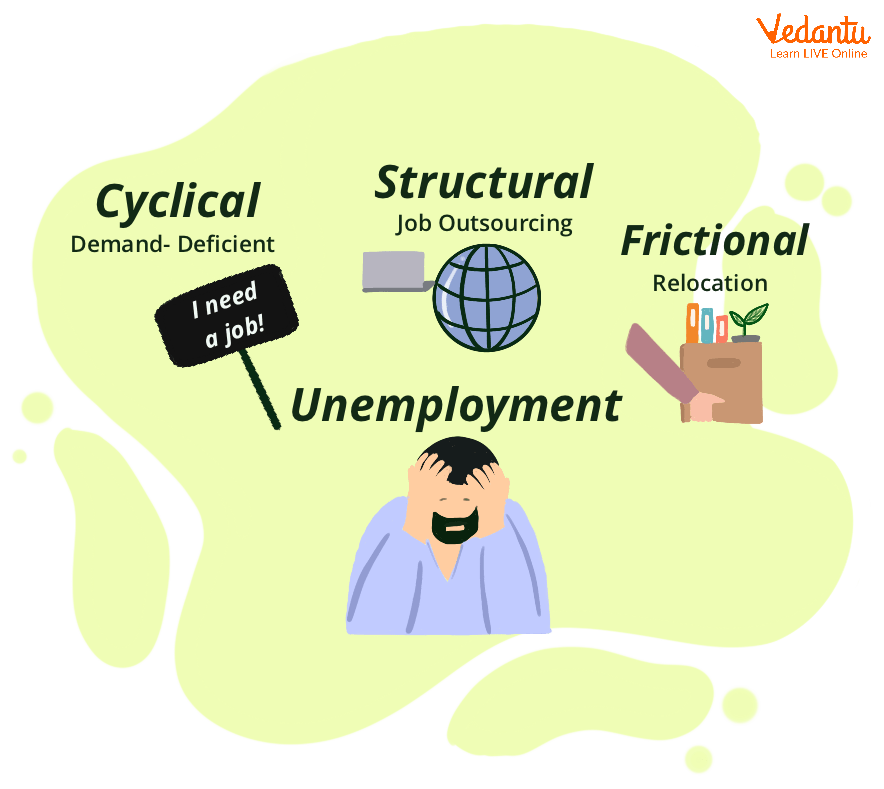
Labor Market Frictions and Inefficiencies
Even in a healthy economy, certain frictions within the labor market can lead to temporary or structural unemployment.
- Job Search Duration: The process of finding a new job can take time. Individuals may need to search for suitable positions, apply for them, and go through interview processes. This inherent duration of the job search contributes to frictional unemployment, which is a natural part of a dynamic labor market.
- Information Gaps: Employers may struggle to find suitable candidates, and job seekers may struggle to find appropriate vacancies. This information asymmetry, where neither party has complete knowledge of the other’s needs and offerings, can lead to inefficiencies and prolonged unemployment.
- Labor Market Regulations and Policies: While often designed to protect workers, certain labor market regulations and policies can, in some instances, contribute to unemployment. For example, rigid hiring and firing laws can make businesses more hesitant to hire in the first place, while generous unemployment benefits, if not structured appropriately, could, in some cases, reduce the incentive for immediate re-employment. The design and implementation of these policies require careful consideration of their impact on job creation and retention.
In conclusion, understanding the main causes of unemployment requires a comprehensive view that integrates technological advancements, economic cycles, and inherent market structures. By addressing the challenges posed by automation, navigating economic downturns, and improving the alignment between skills and job demands, we can work towards building a more resilient and inclusive employment landscape for everyone. The interconnectedness of “Tech,” “Brand,” and “Money” provides a crucial framework for analyzing and tackling this complex societal issue.
aViewFromTheCave is a participant in the Amazon Services LLC Associates Program, an affiliate advertising program designed to provide a means for sites to earn advertising fees by advertising and linking to Amazon.com. Amazon, the Amazon logo, AmazonSupply, and the AmazonSupply logo are trademarks of Amazon.com, Inc. or its affiliates. As an Amazon Associate we earn affiliate commissions from qualifying purchases.