
For millions of investors, traders, and financial professionals worldwide, the New York Stock Exchange (NYSE) represents the pulsating heart of global capitalism. Understanding its operating hours, particularly its closing time, is not merely a matter of trivia; it is a fundamental aspect of strategy, risk management, and effective participation in the financial markets. The precise moment the closing bell rings marks the culmination of a day’s trading, influencing everything from portfolio valuations to the execution of complex institutional orders.
Today, like most standard trading days, the NYSE market will close at 4:00 PM Eastern Time (ET). This seemingly simple piece of information underpins a vast ecosystem of financial activity, dictating when trades can be executed, when news releases have their most immediate impact, and when market participants must finalize their positions. While 4:00 PM ET is the standard, the financial landscape is rarely static, and a comprehensive understanding requires delving into the nuances of extended trading hours, market holidays, and the occasional, unexpected schedule adjustment. This guide will explore the standard NYSE closing time, the mechanisms of trading beyond regular hours, and the critical exceptions every market participant needs to know.
The Standard NYSE Trading Day: A Cornerstone of Global Finance
The regular trading session on the New York Stock Exchange is a finely tuned machine, operating within specific hours that have become globally recognized benchmarks. These hours are designed to provide a structured environment for price discovery and capital allocation, ensuring fairness and efficiency for a diverse range of market participants.
Regular Session Hours: The 9:30 AM to 4:00 PM ET Window
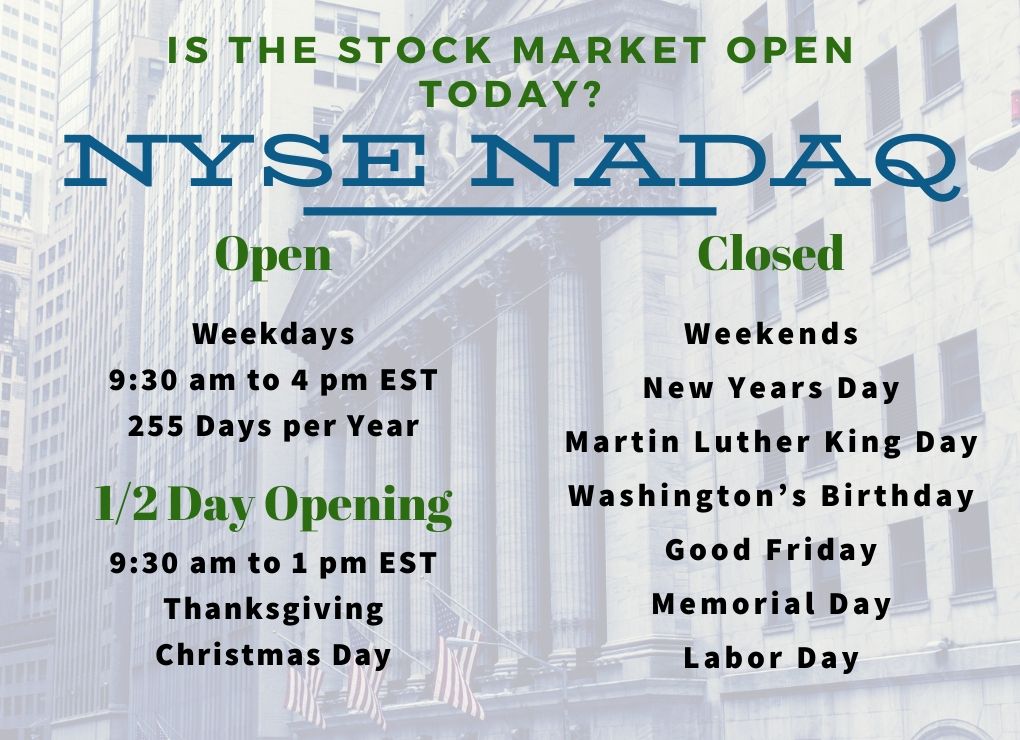
The standard trading day for the NYSE begins at 9:30 AM Eastern Time (ET) with the iconic opening bell and concludes promptly at 4:00 PM ET with the equally famous closing bell. This six-and-a-half-hour window is when the vast majority of trading volume occurs, characterized by high liquidity and the most robust price discovery.
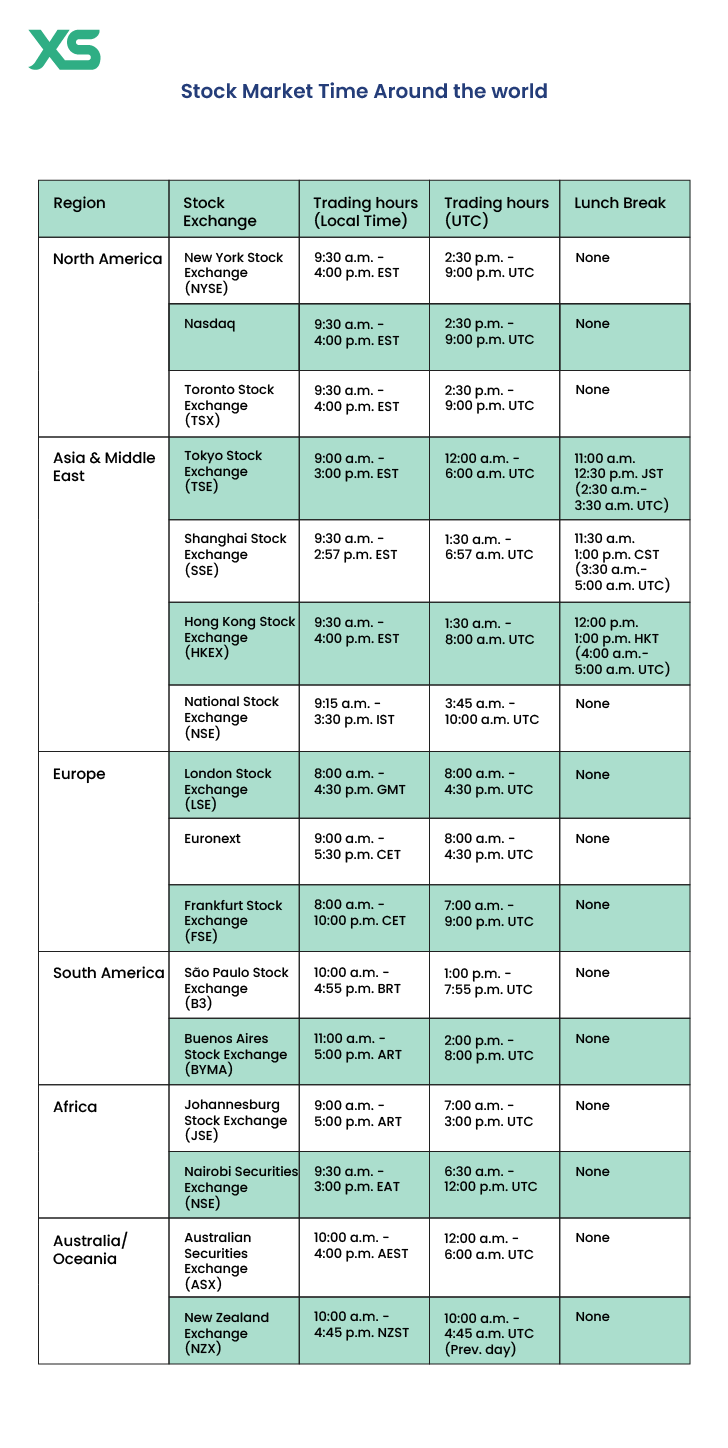
The use of Eastern Time is crucial. For investors and traders operating in different time zones, converting 4:00 PM ET to their local time is an essential daily ritual. For example, for someone on the West Coast of the United States, 4:00 PM ET translates to 1:00 PM Pacific Time (PT), while in London, it would be 9:00 PM GMT, and in Hong Kong, it would be 4:00 AM HKT the following day. This universal time reference ensures clarity across international markets, emphasizing the NYSE’s role as a global financial hub. During this regular session, market orders are typically executed at the prevailing market price, and limit orders are filled if the market reaches the specified price. This period is often the most volatile at the open and close, as initial reactions to overnight news play out and traders adjust positions before the market shuts down.
The Significance of Market Close: Why 4:00 PM Matters
The 4:00 PM ET market close is far more than just a stopping point for transactions; it is a critical juncture with profound implications for investors, traders, and the broader financial industry. Firstly, it represents the final opportunity to execute trades at regular session prices for the day. Any order placed after 4:00 PM ET will either be rejected, queued for the next trading session, or routed to extended-hours trading platforms, often at different pricing and liquidity conditions.
Secondly, the closing price of a stock at 4:00 PM ET is often used as the official benchmark for daily performance. This price is crucial for calculating portfolio valuations, determining mutual fund Net Asset Values (NAVs), and settling various financial instruments such as options and futures contracts. Analysts, media outlets, and investors all scrutinize these closing prices to gauge market sentiment and individual company performance.
Furthermore, the period leading up to the close can be particularly dynamic. Traders often engage in “window dressing,” adjusting their portfolios to improve their reported holdings, or executing “power hour” strategies, anticipating increased volatility and volume in the final hour of trading. For institutional investors, the close is a critical time for executing large block trades with minimal market disruption, often relying on specialized closing auctions or algorithms designed to achieve optimal execution at the final price. Understanding the rhythm and significance of the 4:00 PM ET close is therefore foundational for anyone serious about navigating the stock market effectively.
Beyond the Bell: Understanding Extended Trading Hours
While the 9:30 AM to 4:00 PM ET window defines the regular NYSE trading day, market activity doesn’t cease completely at the sound of the closing bell. Extended trading hours, comprising pre-market and after-hours sessions, allow market participants to react to news and execute trades outside the standard timeframe. These periods offer flexibility but come with their own set of characteristics and risks.
Pre-Market Trading: Setting the Stage for the Day
Pre-market trading typically commences as early as 4:00 AM ET and runs until the regular market opens at 9:30 AM ET. This period serves as a critical prelude to the official trading day. It allows investors, particularly institutional players and high-frequency traders, to react to news that breaks overnight, such as corporate earnings reports released before market hours, geopolitical developments, or economic data from other global markets.
During pre-market hours, traders might try to gauge market sentiment and anticipate the day’s opening moves. Companies often strategically release significant announcements before the market opens to allow investors time to digest the information without the immediate pressure of a live trading session. However, pre-market trading is characterized by lower liquidity and higher volatility compared to regular hours. Fewer participants mean wider bid-ask spreads, and even small orders can cause significant price swings. This environment, while offering opportunities for those who can act quickly on news, also presents increased risk due to the potential for exaggerated price movements that may not reflect true market consensus once the full trading day begins.
After-Hours Trading: Post-Close Activity
After-hours trading typically begins right after the regular market close at 4:00 PM ET and can extend as late as 8:00 PM ET. Similar to pre-market, this session provides an opportunity for market participants to react to developments that occur after the closing bell. Common triggers for after-hours activity include company earnings releases made after 4:00 PM ET, analyst rating changes, or late-breaking political and economic news.
Just like pre-market, after-hours trading is marked by reduced liquidity and increased volatility. The pool of active traders is smaller, leading to fewer buyers and sellers for any given stock. This can result in larger price movements on lower volume and wider bid-ask spreads, making it more challenging to execute trades at desired prices. While some investors use after-hours trading to adjust positions based on new information, it is generally recommended for experienced traders who understand its unique dynamics and inherent risks. Individual investors should approach after-hours trading with caution, prioritizing thorough research and realistic expectations regarding execution and price stability.
The Mechanics of Extended Hours: Electronic Communication Networks (ECNs)
Extended trading hours on the NYSE and other exchanges are primarily facilitated by Electronic Communication Networks (ECNs). Unlike the traditional floor-based trading or specialist-driven systems of regular hours, ECNs are automated systems that match buy and sell orders electronically. They aggregate orders from various market participants and provide a platform for continuous trading outside the standard exchange hours.
ECNs display limit orders submitted by users, and when a matching buy and sell order is found, the trade is executed. These networks play a crucial role in maintaining market continuity and allowing for price discovery even when the main exchanges are officially closed. While ECNs enhance accessibility, they also contribute to the unique liquidity and volatility profiles of extended trading sessions. It’s important for investors to understand that trades executed via ECNs during extended hours may not always reflect the prices seen during the subsequent regular session, and they operate under slightly different rules and order types.
Navigating Exceptions: When the NYSE Schedule Changes
While the 9:30 AM to 4:00 PM ET schedule is the norm, the NYSE, like any major institution, observes specific holidays and may occasionally adjust its hours for other reasons. Being aware of these exceptions is crucial for planning trading strategies and avoiding missed opportunities or unexpected delays.
Market Holidays: Planned Closures
The NYSE observes a set calendar of federal holidays, during which the exchange is completely closed. On these days, no trading occurs, and financial markets remain dormant. Key NYSE holidays typically include:
- New Year’s Day (January 1)
- Martin Luther King, Jr. Day (Third Monday in January)
- Presidents’ Day (Third Monday in February)
- Good Friday (Variable, before Easter Sunday)
- Memorial Day (Last Monday in May)
- Juneteenth National Independence Day (June 19)
- Independence Day (July 4)
- Labor Day (First Monday in September)
- Thanksgiving Day (Fourth Thursday in November)
- Christmas Day (December 25)
When a holiday falls on a weekend, the NYSE may observe it on the preceding Friday or the following Monday. For example, if Independence Day falls on a Saturday, the market might close on Friday, July 3rd. It is always advisable to consult the official NYSE holiday schedule published annually on their website to confirm exact dates and any observed shifts, as this is the most reliable source of information. These full closures mean no trading, no order execution, and no extended-hours activity related to the exchange.
Early Closures: Half-Days and Special Events
In addition to full holidays, the NYSE occasionally operates on a “half-day” schedule, closing early, typically at 1:00 PM ET. These early closures are less frequent but are generally scheduled in advance around certain holidays. Common examples include:
- The day before Independence Day (if it falls on a weekday)
- The day after Thanksgiving (Black Friday)
- Christmas Eve (if it falls on a weekday)
During these half-days, pre-market trading generally operates as usual, but the regular session is shortened, and after-hours trading may also be truncated or cancelled. For traders, this means a condensed timeframe to execute strategies and a heightened focus on liquidity leading up to the early close. It’s essential for investors to be aware of these shortened sessions, as they can significantly impact trading volume and price volatility during the reduced hours. Staying informed through financial news outlets and the NYSE’s official communications is paramount to planning effectively.
Unforeseen Interruptions: Weather, Technical Glitches, or Emergencies
While rare, there can be instances where the NYSE market closes early or remains closed due to unforeseen circumstances. These events are typically in response to:
- Severe Weather: Major blizzards, hurricanes, or other natural disasters that impact New York City’s infrastructure or the safety of market participants.
- Technical Glitches: System malfunctions or cybersecurity incidents that disrupt trading operations.
- National Emergencies: Events of significant national importance that necessitate a market closure, such as the closures following the September 11, 2001, attacks.
Such closures are almost always communicated with urgency through official NYSE channels, major financial news services, and regulatory bodies. While infrequent, their impact can be significant, potentially halting trading, delaying order execution, and causing market uncertainty. Investors should have a plan for how to access critical information during such emergencies and understand the implications for their portfolio management.
Strategic Implications for Investors and Traders
Understanding the NYSE’s closing time and the nuances of market hours is not just about knowing when to trade; it’s about making informed decisions that align with your financial goals and risk tolerance. The timing of market activity significantly impacts liquidity, volatility, and information flow, all of which are critical for effective strategy execution.
Timing Your Trades: Optimizing Execution and Strategy
For active traders, the timing of their entries and exits can be paramount. The market open (9:30 AM ET) and market close (4:00 PM ET) are often periods of heightened volatility and increased trading volume. This “power hour” at the end of the day can present opportunities for quick gains or losses. Experienced day traders often focus on these periods, leveraging rapid price movements, while long-term investors might avoid them due to the increased unpredictability.
Understanding the closing time also informs decisions on order types. A market order placed just before the close might execute at a less favorable price if volatility spikes. Conversely, a limit order offers more control over the execution price but carries the risk of not being filled if the desired price isn’t reached before the bell. For investors with a longer time horizon, the specific minute of the market close might be less critical than the overall daily price action, but even they benefit from understanding how end-of-day dynamics can influence reported prices and portfolio valuations.
Risk Management and Information Flow
Market closing times directly influence risk management strategies. Holding positions overnight carries the risk of “gap up” or “gap down” scenarios, where a stock’s price opens significantly higher or lower than its previous close due to news that broke after market hours. Investors who are uncomfortable with this overnight risk may choose to close out their positions before 4:00 PM ET.
Furthermore, the flow of information is often structured around market hours. Companies typically release critical earnings reports either before the market open or after the market close to allow investors time to digest the information without the immediate pressure of live trading. Being aware of these reporting schedules and their proximity to the closing bell is vital for anticipating market reactions and making proactive decisions. Relying solely on extended-hours trading for information can be risky due to lower liquidity and potential for misinformation or overreaction in a less liquid environment. Diligence requires monitoring reliable news sources throughout the entire 24-hour cycle, but interpreting that news in the context of official market hours.
Global Market Context: Interconnectedness of Trading Hours
The NYSE does not operate in a vacuum. Its closing time, and indeed its entire schedule, is part of a larger, interconnected global financial system. When the NYSE is closing, other major markets like London (which overlaps with the NYSE for several hours) might still be active, and Asian markets (like Tokyo, Hong Kong, and Shanghai) are preparing to open or are already in their trading sessions.
This global interconnectedness means that events or economic data from one region can directly influence another, even if their regular trading hours don’t perfectly align. News from European markets might affect pre-market trading in New York, just as NYSE closing prices can influence the opening sentiment in Asian markets the following day. Investors with international portfolios or an interest in global macroeconomics must appreciate this continuous, 24-hour cycle of financial activity, recognizing that while the NYSE bell marks a local cessation of standard trading, the global market continues its ceaseless churn.

Conclusion
The question “What time does the NYSE market close today?” is fundamental to navigating the complex world of finance. While the standard answer is 4:00 PM Eastern Time (ET), this seemingly simple fact unlocks a deeper understanding of market mechanics, strategic timing, and risk management. From the regular trading session that defines daily benchmarks to the intricate dance of pre-market and after-hours activity, every minute of the market day holds significance.
Equally critical is the awareness of exceptions—the planned market holidays that bring trading to a halt, the early closures that shorten the trading window, and the rare unforeseen events that can disrupt the financial rhythm. For investors and traders alike, staying informed about the NYSE’s official schedule is not just good practice; it is an essential component of a robust and resilient financial strategy. By understanding when the market operates and the implications of its closing bell, participants can make more informed decisions, manage risk effectively, and ultimately, engage with the stock market with greater confidence and insight. The closing bell serves as a daily reminder of the structured environment that underpins one of the world’s most dynamic financial landscapes, urging participants to plan, execute, and adapt within its well-defined parameters.
aViewFromTheCave is a participant in the Amazon Services LLC Associates Program, an affiliate advertising program designed to provide a means for sites to earn advertising fees by advertising and linking to Amazon.com. Amazon, the Amazon logo, AmazonSupply, and the AmazonSupply logo are trademarks of Amazon.com, Inc. or its affiliates. As an Amazon Associate we earn affiliate commissions from qualifying purchases.