
Navigating the world of alcohol can feel like a minefield when you’re trying to maintain a healthy lifestyle or keep an eye on your calorie intake. The question, “What are the lowest calorie alcoholic beverages?” is a common one, and understanding the answer can empower you to make more informed choices. While alcohol itself contains calories, the type of drink and how it’s prepared can significantly impact its overall caloric value. This exploration will delve into the strategies for minimizing calorie consumption from alcohol, aligning with principles of smart personal finance and mindful consumption.
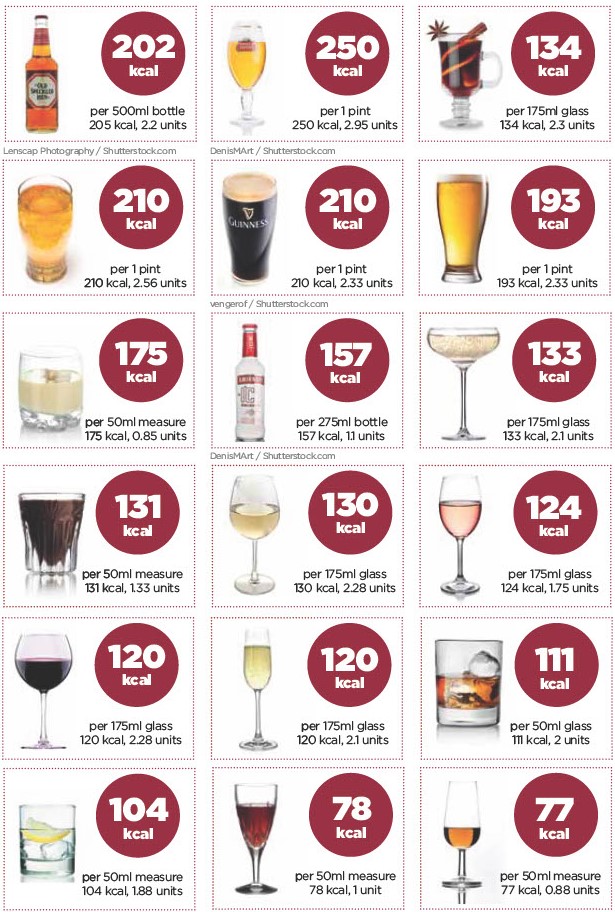
When we talk about the calories in alcohol, it’s important to understand where they come from. Alcohol itself, or ethanol, provides approximately 7 calories per gram, which is more than carbohydrates and protein, but less than fat. However, the primary calorie contributors in most alcoholic beverages are not the alcohol itself, but rather the carbohydrates and sugars added during the production or mixing process. This is where the “lowest calorie” aspect comes into play. By choosing drinks with less sugar and fewer additives, we can significantly reduce our caloric intake.
Understanding Alcohol’s Caloric Footprint
Before we dive into specific drink recommendations, it’s helpful to have a foundational understanding of how alcohol contributes to our daily calorie intake. This knowledge can be likened to understanding the fundamentals of personal finance – knowing where your money (or calories) are going allows for better management.
The Science of Alcohol Calories
Ethanol, the psychoactive component of alcoholic beverages, is a concentrated source of energy. Unlike macronutrients like carbohydrates, proteins, and fats, alcohol is metabolized differently by the body. It’s essentially treated as a toxin, and the body prioritizes its elimination. This means that while alcohol provides calories, these calories are “empty,” offering little to no nutritional value. This makes them particularly problematic when consumed in excess, as they contribute to caloric surplus without providing essential vitamins or minerals.
The caloric density of ethanol is a significant factor. With approximately 7 calories per gram, a standard shot of 80-proof vodka (40% alcohol by volume) contains roughly 97 calories from the alcohol alone. This might not seem substantial in isolation, but it quickly adds up, especially when considering mixers.
The Role of Sugars and Carbohydrates
Beyond the alcohol itself, the primary drivers of calorie content in most alcoholic drinks are added sugars and carbohydrates. This is particularly true for:
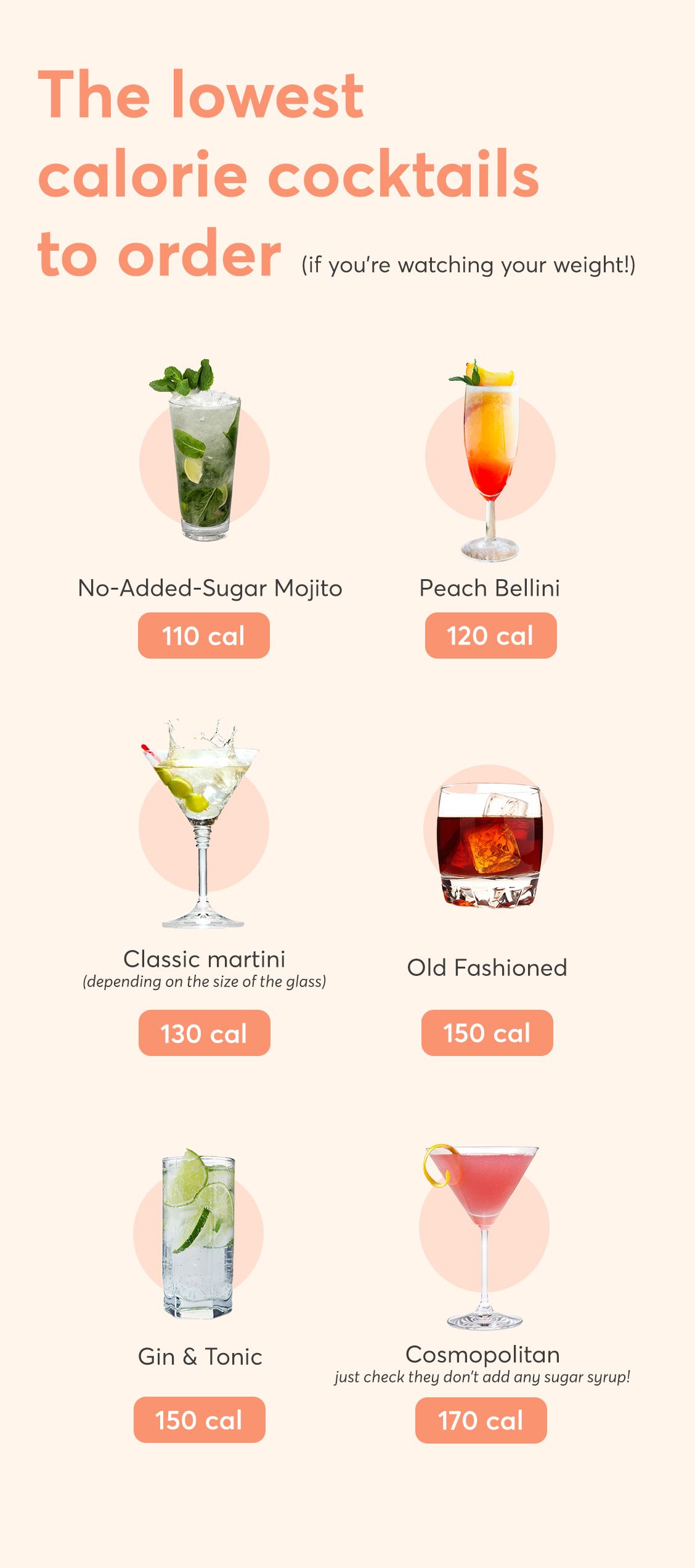
- Sugary Cocktails: Drinks loaded with fruit juices, liqueurs, syrups, and sodas can quickly become calorie bombs. A margarita, for instance, can easily exceed 300 calories due to the triple sec, sweeteners, and sometimes even sugary sour mix.
- Sweet Wines and Dessert Wines: While dry wines are relatively lower in calories, sweeter varieties have more residual sugar, leading to a higher calorie count.
- Flavored Alcohols: Many flavored vodkas, rums, and liqueurs have added sugars to impart their distinct tastes, increasing their caloric impact.
- Beer: Beer’s calories primarily come from its carbohydrate content, derived from the grains used in its fermentation. While lighter beers have fewer carbs and thus fewer calories, traditional lagers and ales can be quite calorific.
By focusing on beverages that minimize these added sugars and carbohydrates, we can effectively “invest” our calorie budget more wisely when enjoying an alcoholic drink.
The Lowest Calorie Alcoholic Beverages: Smart Choices
When the goal is to minimize calorie intake from alcohol, the focus shifts towards spirits with minimal or no added sugars and mixers that are calorie-free or low in calories.
Straight Spirits: The Purest Form
The most straightforward way to minimize calories is to opt for unflavored, distilled spirits served neat or on the rocks. These beverages are essentially pure alcohol and water, with minimal to no carbohydrates or sugars.
- Vodka: Typically around 97 calories per 1.5 oz shot (80 proof), vodka is a popular choice due to its neutral flavor profile.
- Gin: Similar to vodka, a 1.5 oz shot of 80-proof gin hovers around 97 calories. Its botanicals can offer a more complex flavor without adding calories.
- Rum (Light/White): Light or white rums generally contain fewer calories than their darker, aged counterparts, which often have added caramel color and sugars. A 1.5 oz shot of 80-proof light rum is typically around 97 calories.
- Tequila (Blanco/Silver): Blanco or silver tequila is made from 100% blue agave and is unaged, making it a lower-calorie option. A 1.5 oz shot of 80-proof blanco tequila is around 97 calories.
- Whiskey/Bourbon/Scotch: While the base ingredients are grains, leading to some residual carbohydrates, these spirits are generally considered low in calories when consumed neat. A 1.5 oz shot of 80-proof whiskey is usually around 97 calories. The calorie count can vary slightly based on aging and specific production methods.
The key takeaway here is that the calorie count for a standard serving of most unflavored, 80-proof spirits is remarkably consistent. The difference in calories between a shot of vodka and a shot of whiskey is negligible. The real calorie savings come from what you add to them.
Smart Mixers for Calorie Conscious Drinks
This is where the “brand” strategy of mixing comes into play. Just as a strong brand identity is built on consistent messaging and design, a low-calorie alcoholic beverage is built on consistent, smart choices of mixers.

- Water: The ultimate calorie-free mixer. Club soda, sparkling water, and plain water can be used to dilute spirits and create refreshing, calorie-free beverages. Think of a vodka soda or a gin and tonic (with diet tonic water).
- Diet Soda: Diet versions of popular sodas like cola, lemon-lime, and ginger ale offer the flavor without the sugar and calories. A gin and diet tonic, or a rum and diet cola, are excellent low-calorie options.
- Club Soda/Sparkling Water: These provide effervescence and volume without adding any calories. They are perfect for creating simple, refreshing highball drinks.
- Unsweetened Cranberry Juice/Lime Juice: While fruit juices are generally high in sugar, small amounts of 100% unsweetened cranberry juice or fresh lime juice can add flavor and tartness without significantly increasing the calorie count. Be mindful of “cocktail” versions of juices, which are often loaded with added sugar.
By combining a low-calorie spirit with a calorie-free or low-calorie mixer, you can significantly reduce the overall caloric impact of your drink. For instance, a vodka soda (vodka + club soda) is a much healthier alternative to a vodka cranberry juice (vodka + sugary cranberry juice cocktail).
Beverages with Naturally Lower Calorie Counts
While spirits mixed with diet options are king, some alcoholic beverages inherently have a lower calorie profile due to their ingredients and production.
Wine: A Nuanced Choice
Wine calories are primarily derived from residual sugar and alcohol content.
- Dry White Wines: Wines like Sauvignon Blanc, Pinot Grigio, and dry Rieslings have lower residual sugar and typically range from 90-120 calories per 5 oz glass.
- Dry Red Wines: Similarly, dry red wines like Merlot, Cabernet Sauvignon, and Pinot Noir tend to fall within a similar calorie range of 90-120 calories per 5 oz glass.
- Rosé: Dry rosés are generally comparable in calories to dry red and white wines.
The key here is “dry.” Sweet wines, dessert wines, and fortified wines will have a significantly higher calorie count due to their elevated sugar content.
Light Beer and Hard Seltzers: Modern Conveniences
In recent years, the market has seen a surge in low-calorie beer and hard seltzer options, catering specifically to the health-conscious consumer.
- Light Beer: Brands offer “light” versions of their beers, which are brewed to have fewer carbohydrates and a lower alcohol content, resulting in fewer calories. A typical light beer can range from 50-100 calories.
- Hard Seltzers: These are perhaps the most popular low-calorie alcoholic beverage trend. Made by fermenting sugar, they are typically mixed with fruit flavoring and carbonated water. Most hard seltzers contain around 90-100 calories per 12 oz can, with minimal carbohydrates and sugar.
These options offer a convenient way to enjoy a pre-packaged, lower-calorie alcoholic beverage without the need for mixing. However, it’s still wise to check nutrition labels, as calorie and sugar content can vary between brands and flavors.
Beyond the Drink: Financial and Productivity Parallels
The pursuit of lower-calorie alcoholic beverages can be viewed through the lens of other interests on this website, such as personal finance and productivity.
The “Return on Investment” of Calories
In personal finance, we talk about the “return on investment” (ROI) – getting the most value for our money. Similarly, when consuming calories, we can consider the “return on investment” of those calories. Empty calories from sugary drinks provide little nutritional value and can detract from health goals. Choosing lower-calorie alcoholic beverages is akin to making a strategic financial investment that aligns with your long-term well-being. It’s about making conscious choices that contribute positively rather than detracting from your overall health “portfolio.”
Mindful Consumption and Digital Security
The concept of digital security, where we protect our valuable information from threats, can be loosely paralleled with mindful consumption. Just as we are careful about what we share online, we can be mindful about what we consume. This involves understanding the components of our drinks and making deliberate choices. This mindfulness extends to productivity as well. Wasting calories on drinks that don’t align with your goals can feel like wasting valuable time or resources. By being informed and intentional, you can enjoy social occasions without derailing your health efforts.
Conclusion: Enjoying Alcohol Responsibly and Mindfully
The journey to discovering the lowest calorie alcoholic beverages is about informed choices and mindful consumption. By prioritizing spirits mixed with calorie-free options, exploring naturally lower-calorie beverages like dry wines and light beers, and understanding the caloric impact of sugars and carbohydrates, you can enjoy alcohol without compromising your health goals.
Think of it as curating your “brand” of responsible drinking. Just as a strong corporate identity is built on clear values and consistent delivery, a healthy approach to alcohol is built on self-awareness and making choices that support your well-being. The “money” aspect comes into play not just in terms of financial cost, but also in the “cost” to your health. By being savvy about the calories in your drinks, you’re effectively managing your personal “calorie budget,” ensuring you get the most enjoyable experience for your investment. Ultimately, the goal is to find a balance where you can socialize and relax without feeling guilty, armed with the knowledge of how to make the best, lowest-calorie choices.
aViewFromTheCave is a participant in the Amazon Services LLC Associates Program, an affiliate advertising program designed to provide a means for sites to earn advertising fees by advertising and linking to Amazon.com. Amazon, the Amazon logo, AmazonSupply, and the AmazonSupply logo are trademarks of Amazon.com, Inc. or its affiliates. As an Amazon Associate we earn affiliate commissions from qualifying purchases.