
Understanding the precise operating hours of the New York Stock Exchange (NYSE) and its electronic counterpart, Nasdaq, is fundamental for anyone participating in or observing the financial markets. Beyond simply knowing the opening bell, a comprehensive grasp of the various trading sessions—pre-market, standard, and after-hours—is crucial for making informed investment decisions, managing risk, and capitalizing on opportunities. These schedules are not arbitrary; they reflect deep-seated market traditions, regulatory frameworks, and the practicalities of a globally interconnected financial ecosystem, directly impacting liquidity, volatility, and price discovery for countless assets.
Understanding Market Hours: More Than Just Opening Bells
The perception of stock market activity often revolves around the iconic opening and closing bells. However, the modern financial landscape offers a more complex, extended trading environment that significantly influences investment strategies and market dynamics.
Standard Trading Hours
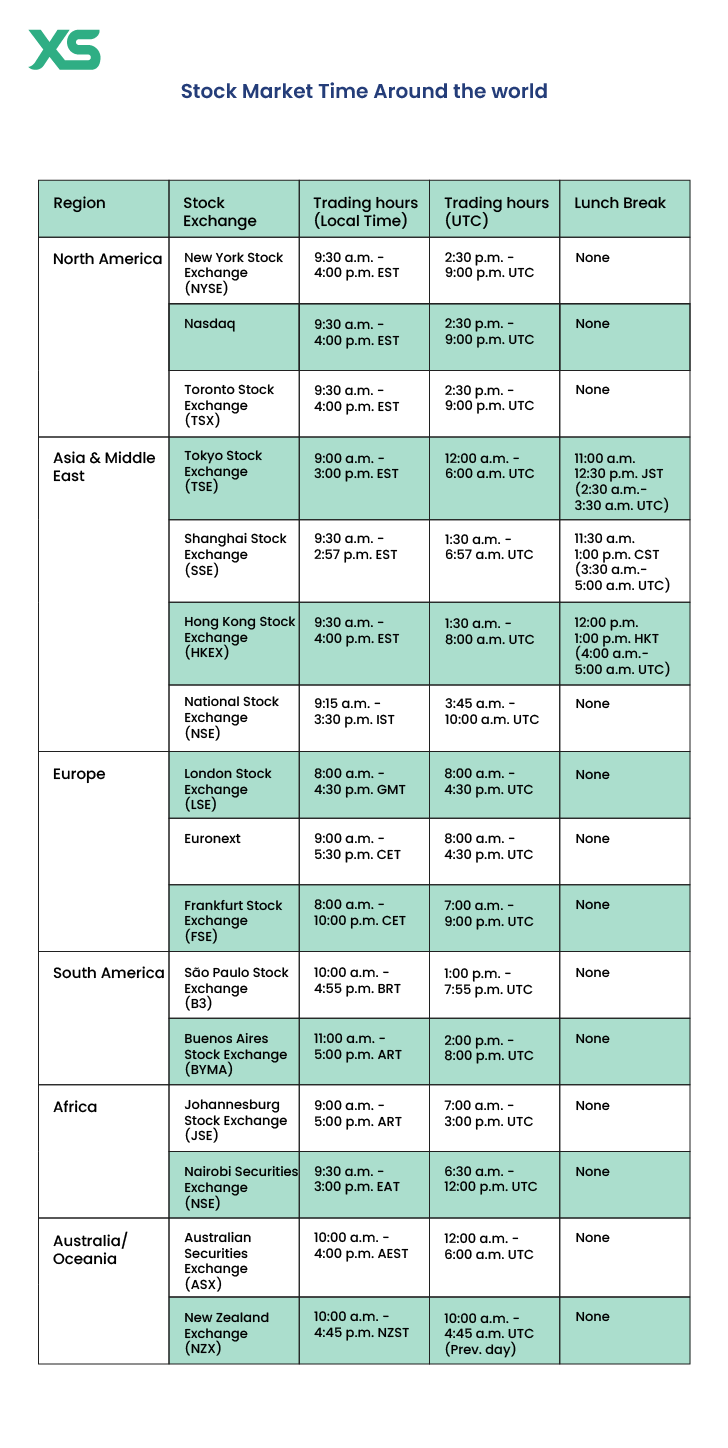
The core of U.S. stock market operations occurs during its standard trading hours. Both the New York Stock Exchange (NYSE) and the Nasdaq Stock Market operate from 9:30 AM Eastern Time (ET) to 4:00 PM ET, Monday through Friday. These hours represent the period of highest liquidity, where the vast majority of trading volume takes place, and when most individual and institutional investors execute their primary transactions. During this window, market makers ensure a robust trading environment, providing competitive bid and ask prices that facilitate efficient price discovery. This uniformity across major exchanges simplifies trading for investors and ensures consistent market access throughout the day.
Pre-Market Trading
Activity on the exchanges doesn’t just spring to life at 9:30 AM ET. Pre-market trading allows investors to trade securities before the official market open. This session typically begins as early as 4:00 AM ET and extends until 9:30 AM ET. While not all brokerage platforms offer access to the full spectrum of these hours, many provide a window from 7:00 AM ET onwards. Pre-market trading is largely driven by overnight news, earnings reports released before the market opens, and economic data announcements. Participants in this session often include institutional investors, hedge funds, and sophisticated individual traders looking to react quickly to breaking news. The liquidity during pre-market hours is generally lower than during standard hours, which can lead to wider bid-ask spreads and increased price volatility. However, it offers a crucial window for initial price discovery, setting the tone for the day’s regular session.
After-Hours Trading
Just as trading commences before the official open, it also continues after the closing bell. After-hours trading typically runs from 4:00 PM ET until 8:00 PM ET. Similar to pre-market trading, this session provides an opportunity for investors to react to news released after the market close, such as corporate earnings announcements, analyst upgrades or downgrades, and significant geopolitical developments. While offering flexibility, after-hours trading mirrors pre-market in its characteristics: lower liquidity, wider spreads, and heightened volatility compared to the standard trading session. These extended hours have become increasingly important in a 24/7 global news cycle, allowing investors to adjust positions or initiate new ones based on information that would otherwise have to wait until the next trading day.
The Significance of Market Open and Close for Investors
The moments surrounding the opening and closing bells are often characterized by distinct market behaviors that can present both opportunities and risks for investors. Understanding these dynamics is crucial for strategic decision-making.
Volatility and Opportunity at the Open
The market open at 9:30 AM ET is frequently one of the most volatile periods of the trading day. This surge in activity is a direct result of overnight news, economic data releases, and pending orders accumulated since the previous close. Traders and investors use this initial window to react to information that emerged while the market was closed. The rapid influx of buy and sell orders can lead to significant price swings, creating opportunities for day traders and active investors who aim to profit from short-term movements. For long-term investors, the open can provide insights into market sentiment and the initial direction a stock or the broader market might take, though acting impulsively on opening volatility is generally discouraged for a buy-and-hold strategy. Initial price action can be misleading, and it often takes some time for prices to stabilize as more liquidity enters the market.
The Closing Bell’s Impact
The final hour of trading, often dubbed the “power hour” (from 3:00 PM to 4:00 PM ET), and the moments leading up to the 4:00 PM ET closing bell, are also periods of heightened activity. Institutional investors, mutual funds, and large asset managers often execute significant trades during this period to rebalance portfolios, meet redemption requests, or “mark the close”—a practice of attempting to influence a security’s closing price. This concentrated activity can lead to substantial price movements in either direction. For individual investors, the closing bell provides a final opportunity to adjust positions for the day, or to observe how a stock closes, which can sometimes indicate momentum or weakness heading into the next session. Volume tends to spike as the market approaches 4:00 PM, and unexpected news can trigger sharp movements in the final minutes.
Time Zones and Global Markets
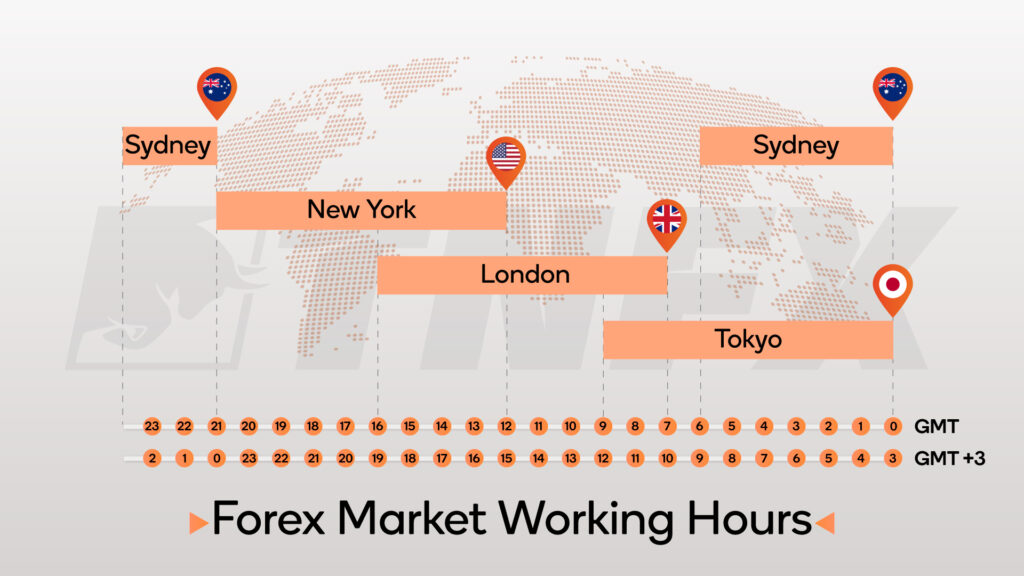
While the NYSE and Nasdaq operate on Eastern Time, the financial world is inherently global. Investors across different time zones must adjust their schedules to monitor the U.S. markets. For instance, an investor in London will observe the New York market opening in the early afternoon, while an investor in Tokyo will watch it during their late evening or early morning. This global perspective highlights how market hours, though specific to New York, are part of a continuous, 24-hour cycle of trading across different bourses worldwide. Significant events in Asian or European markets can thus influence pre-market activity in the U.S., making it essential for globally-minded investors to be aware of these interconnections.
Navigating Extended Hours Trading: Risks and Rewards
Extended hours trading, encompassing both pre-market and after-hours sessions, offers unique advantages but also comes with amplified risks that investors must carefully consider.
Enhanced Flexibility and Reaction Time
The primary benefit of extended hours trading is the increased flexibility it provides. Investors can react almost immediately to news events that occur outside of standard market hours. For example, a company’s quarterly earnings report often gets released after the market closes. Access to after-hours trading allows investors to buy or sell shares based on this new information without having to wait until the next morning’s open, potentially avoiding a significant price gap. This agility can be particularly valuable for active traders looking to capitalize on immediate market reactions or for long-term investors needing to adjust their positions in response to critical geopolitical or economic announcements.
Reduced Liquidity and Wider Spreads
One of the most significant drawbacks of extended hours trading is the substantially reduced liquidity. With fewer participants actively trading, the volume of shares being bought and sold is much lower compared to regular market hours. This lack of liquidity often leads to wider bid-ask spreads, meaning there’s a larger difference between the highest price a buyer is willing to pay and the lowest price a seller is willing to accept. For investors, this can translate into less favorable execution prices, as they might have to pay more when buying or receive less when selling than they would during standard hours. Executing large orders can also be challenging without significantly impacting the stock price.
Increased Volatility and Price Discrepancies
Lower liquidity also contributes to increased volatility during extended hours. Relatively small trades can cause disproportionately large price swings, making stocks more susceptible to dramatic movements. Furthermore, prices during extended hours may not always accurately reflect the true market value of a security. It’s common for a stock’s price to open significantly higher or lower at 9:30 AM ET than its last traded price in after-hours, a phenomenon known as a “gap.” This discrepancy can result from new information emerging after the after-hours session ends or simply from the influx of greater liquidity and diverse trading interests at the regular open. Investors participating in extended hours run the risk of their positions being gapped against them once regular trading commences.
Access and Brokerage Considerations
Not all brokerage platforms offer the same level of access to extended hours trading. Some may provide limited windows, while others offer the full 4:00 AM to 8:00 PM ET range. It’s crucial for investors to check their broker’s specific policies and capabilities regarding extended hours. Additionally, due to the inherent risks, many brokerages recommend using limit orders exclusively during these periods. A limit order ensures that a trade is executed only at a specified price or better, providing a safeguard against extreme price fluctuations that can occur in a low-liquidity environment, unlike market orders which execute at the best available price immediately, regardless of how unfavorable it might be.
Key Factors Influencing Market Hours and Trading Activity
Beyond the set schedule, various external factors critically influence how markets behave during and around their operating hours, shaping investor sentiment and trading volumes.
Economic Data Releases
Major economic indicators are often strategically timed around market hours to minimize immediate disruption and allow for a more measured response. Reports such as the Consumer Price Index (CPI), employment figures (non-farm payrolls), Gross Domestic Product (GDP) reports, and Federal Reserve announcements (e.g., interest rate decisions) are frequently released either before the market open (e.g., 8:30 AM ET) or mid-day. These releases can dramatically shift market sentiment, leading to significant volatility and high trading volumes, especially at the market open or during the hour following a mid-day announcement. Investors closely monitor these schedules to anticipate potential market-moving events and adjust their strategies accordingly.
Corporate Earnings and News
Company-specific news, particularly quarterly earnings reports, plays a pivotal role in driving extended hours trading activity. Most public companies choose to release their earnings either before the market opens (pre-market) or after the market closes (after-hours). This timing allows investors to digest the information and react without disrupting the core standard trading session. Positive or negative surprises in earnings or future guidance can cause dramatic price swings in pre-market or after-hours sessions, sometimes carrying significant momentum into the next regular trading day. Other corporate news, such as mergers and acquisitions, drug trial results, or significant product announcements, also frequently occur outside standard hours, making extended-hours access valuable for investors to react promptly.
Holidays and Market Closures
The NYSE and Nasdaq adhere to a calendar of official holidays when the markets are entirely closed or have shortened trading hours. Major holidays like New Year’s Day, Martin Luther King, Jr. Day, Presidents’ Day, Good Friday, Memorial Day, Juneteenth, Independence Day, Labor Day, Thanksgiving Day, and Christmas Day typically see a full market closure. Additionally, some holidays, such as the day after Thanksgiving (Black Friday) or the day before Christmas (if it falls on a weekday), may have shortened trading hours, often closing at 1:00 PM ET. It is imperative for investors to consult the official market holiday calendar provided by their brokerage or the exchanges themselves to avoid unexpected delays in trade execution or to plan around non-trading days. These closures are important for operational efficiency and also provide periods for reflection away from daily market pressures.
Strategic Implications for Different Investor Types
Understanding market hours is not a one-size-fits-all concept; its strategic implications vary significantly depending on an investor’s approach and objectives.
Day Traders and Active Investors
For day traders and other active investors, a precise understanding of market hours, particularly the volatility surrounding the open and close, is paramount. These traders often seek to capitalize on the rapid price movements and increased liquidity during these periods. Strategies might involve identifying stocks with significant pre-market or after-hours activity and anticipating how that momentum will translate into the regular session. They may use advanced technical analysis to pinpoint entry and exit points during the initial surge or final push of the day. For these investors, missing the first hour of trading or not being prepared for the “power hour” can mean missing crucial opportunities or failing to manage risk effectively. Extended hours also allow them to react to news instantly, though with the added risks of reduced liquidity.
Long-Term Investors
While long-term investors, often referred to as “buy and hold” investors, do not typically engage in rapid-fire trading, understanding market hours still holds significant value. For them, daily price fluctuations, especially at the open and close, are often noise rather than signals. However, observing these patterns helps in contextualizing daily performance. For instance, a sharp drop at the open might be attributable to specific overnight news rather than a fundamental change in the company’s long-term prospects. Long-term investors also need to be aware of the impact of corporate earnings releases, which often occur outside standard hours and can affect their portfolio’s value, even if they don’t plan to trade on them immediately. Knowing market closures is also vital for planning dividend reinvestments, option expirations, or other time-sensitive portfolio adjustments.
Retail vs. Institutional Investors
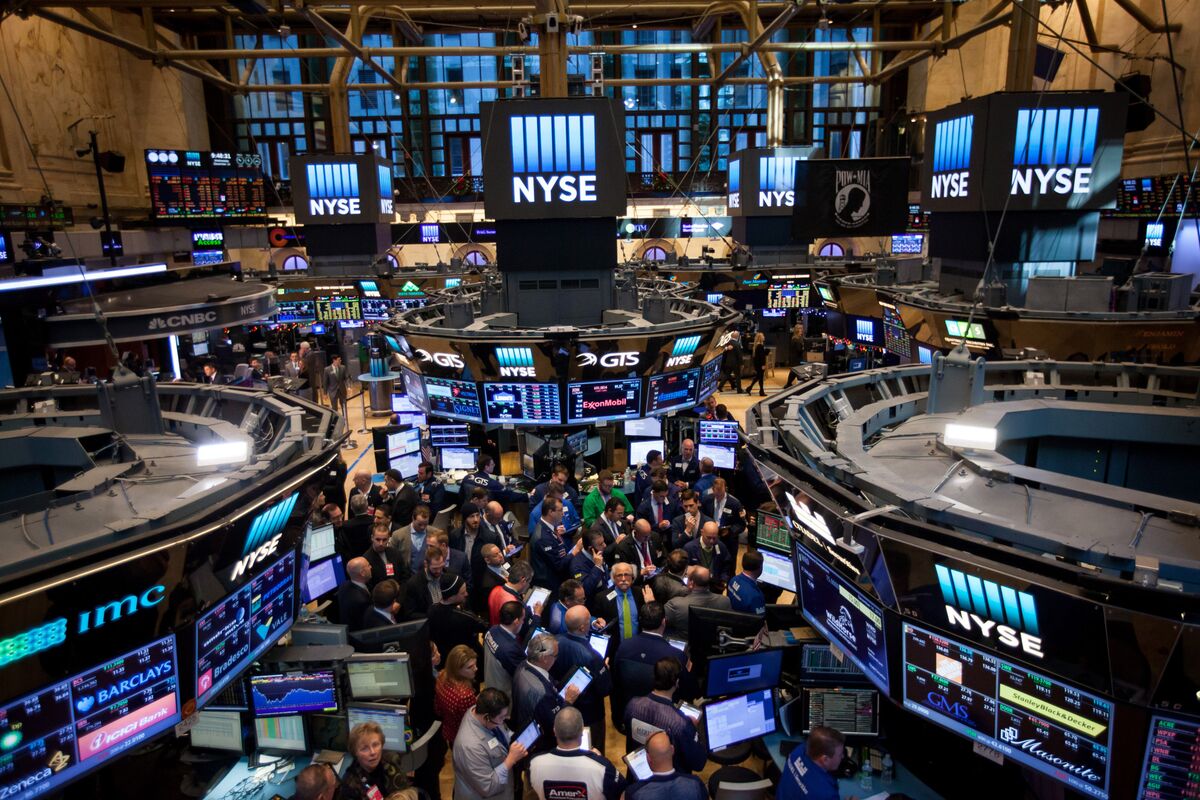
The capabilities and needs related to market hours often differ between retail (individual) investors and institutional investors. Institutional players, such as hedge funds, mutual funds, and pension funds, possess sophisticated trading infrastructure, direct market access, and often have dedicated teams monitoring markets 24/7. They frequently execute large block trades during extended hours, especially in response to major news, and their actions can significantly influence prices. Retail investors, while having increased access to extended hours trading through online brokers, typically face higher risks due to lower liquidity, wider spreads, and the presence of these larger, more sophisticated players. Thus, retail investors must exercise greater caution and often utilize limit orders to protect themselves when participating in pre-market or after-hours sessions. Understanding who is active and when they are most active helps both types of investors strategize more effectively in their respective domains.
aViewFromTheCave is a participant in the Amazon Services LLC Associates Program, an affiliate advertising program designed to provide a means for sites to earn advertising fees by advertising and linking to Amazon.com. Amazon, the Amazon logo, AmazonSupply, and the AmazonSupply logo are trademarks of Amazon.com, Inc. or its affiliates. As an Amazon Associate we earn affiliate commissions from qualifying purchases.