
The world of finance is a dynamic arena, constantly setting new benchmarks and shattering old records. Among the most closely watched indicators of this relentless progression is the Dow Jones Industrial Average (DJIA). When investors, analysts, and the general public inquire, “What is the highest Dow Jones?”, they are tapping into a fundamental curiosity about market performance, economic health, and the very concept of financial milestones. It’s not merely about identifying a number; it’s about understanding what that number signifies, the journey to reach it, and its implications for the broader economic landscape and individual investors.
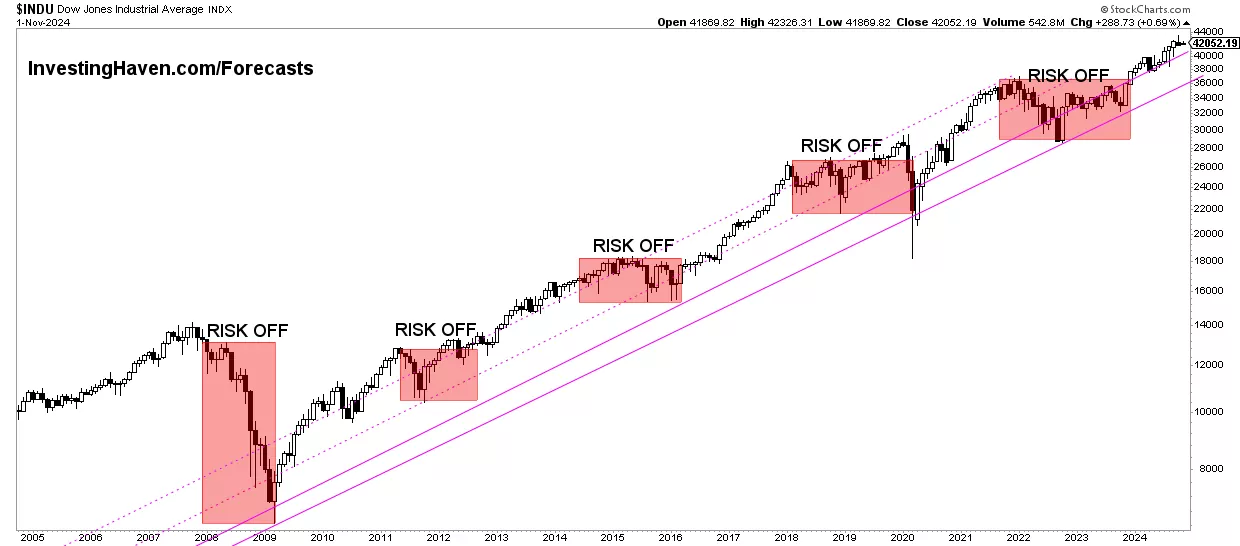
The Dow Jones Industrial Average, often simply called “the Dow,” is more than just a ticker on a screen; it’s a historical narrative of American enterprise and economic resilience. Its peaks represent moments of collective optimism, robust corporate earnings, and investor confidence, reflecting the powerful forces that drive markets forward. This article will delve into the essence of the Dow, explore its record-breaking moments, unravel the significance of these market highs, and provide insights into navigating an investment landscape characterized by constant change and the pursuit of new records.
Demystifying the Dow Jones Industrial Average (DJIA)
To truly appreciate what the “highest Dow Jones” means, one must first understand the venerable index itself. The DJIA is not just a random collection of stocks; it is a carefully curated barometer of the U.S. economy, steeped in history and continuously evolving.
A Legacy of Market Representation
The Dow Jones Industrial Average was created in 1896 by Charles Dow, co-founder of Dow Jones & Company and editor of The Wall Street Journal. Initially comprising just 12 industrial companies, its purpose was to provide a clear, concise snapshot of the health of the burgeoning American industrial sector. Over a century later, its mission remains largely the same: to serve as a leading indicator of the U.S. stock market and, by extension, the broader economy.
Today, the DJIA comprises 30 large, publicly traded companies that are considered “blue-chip” stocks—leaders in their respective industries with a long history of stable earnings and growth. These aren’t necessarily the largest companies by market capitalization, nor are they strictly “industrial” in the modern sense. Instead, they represent a diverse cross-section of sectors, including technology, finance, healthcare, retail, and manufacturing, reflecting the complexity and breadth of the contemporary American economy. The selection of these companies is not driven by strict quantitative rules but by a committee that seeks to ensure the index accurately reflects the U.S. market and economy. Its composition is dynamic, with companies being added or removed as economic tides shift and corporate landscapes transform. This legacy of adaptability has allowed the Dow to remain relevant and influential for over 125 years.
How the DJIA is Calculated (Briefly)
Unlike many modern indices that are market-capitalization weighted (where companies with larger market values have a greater impact), the DJIA is a price-weighted index. This means that stocks with higher share prices have a greater influence on the index’s value than stocks with lower share prices, regardless of their total market capitalization.
The calculation is not a simple average of the 30 stock prices. Instead, the sum of the prices of its 30 component stocks is divided by a “Dow Divisor.” This divisor is a crucial element that adjusts for stock splits, spin-offs, and changes in the index components, ensuring that such events do not artificially distort the index’s value. For instance, if a company in the Dow undergoes a stock split, its price per share decreases, but its overall market value does not. The Dow Divisor is adjusted to account for this, preventing the index from dropping solely due to the split. The precise value of the divisor is published daily, typically a number significantly less than one, often around 0.15. This unique calculation method is a hallmark of the Dow, differentiating it from other major indices like the S&P 500 or Nasdaq Composite.
Beyond the Number: What it Represents
While the Dow’s numerical value is often the focus of headlines, its true significance lies in what it represents. As a barometer of blue-chip performance, it offers a snapshot of the health and investor confidence in some of America’s most recognizable and economically significant companies. A rising Dow generally signals investor optimism, strong corporate earnings, robust economic growth, and often, a favorable interest rate environment.
It reflects the aggregate sentiment of millions of investors and the collective performance of companies that employ millions, generate vast revenues, and drive innovation. While critics sometimes point out its limitations—such as its price-weighted methodology or its relatively small number of components compared to the broader market—its historical pedigree and broad recognition ensure its continued status as a primary touchstone for economic discourse. When the Dow reaches a new high, it’s not just a number; it’s a testament to sustained economic expansion and the enduring power of American capitalism.
Pinpointing the Peaks: The Dow’s Historic Highs
The quest for the “highest Dow Jones” is a journey through time, marked by relentless innovation, economic cycles, and human aspiration. Identifying these peaks requires distinguishing between nominal and real values, understanding psychological barriers, and recognizing the underlying forces that propel markets to new records.
The All-Time Nominal Highs
When people speak of the “highest Dow Jones,” they are almost always referring to its all-time nominal high—the absolute highest closing price the index has ever reached, unadjusted for inflation. In the modern era, propelled by technological advancements, globalization, and accommodative monetary policies, the Dow has frequently achieved new nominal highs. These record-breaking moments are significant psychological milestones, often celebrated by investors and analyzed by economists.
It’s crucial to understand that in a growing economy with inflation, nominal highs are expected to be broken over time. What constitutes the “highest Dow Jones” is a moving target, constantly being redefined as the market advances. For instance, after periods of strong economic growth in the early 2000s and post-2008 financial crisis recovery, the Dow has consistently climbed past significant benchmarks. More recently, robust corporate earnings, technological innovation, and a resilient consumer base have propelled the index to unprecedented levels, often breaking records multiple times within a single year or even month. Each new peak tells a story of the market’s underlying strength at that particular moment, often reflecting sustained corporate profitability, increasing consumer spending, or favorable macroeconomic conditions such as low interest rates and high employment.
Key Milestones and Psychological Barriers
Beyond the continuous climb, certain “round numbers” hold particular psychological significance for investors and the public. Breaking through thresholds like 10,000, 20,000, 30,000, and even 40,000 becomes a major news event, fueling optimism and attracting more attention to the market.
- Dow 10,000: Achieved in 1999 during the dot-com boom, this milestone symbolized the peak of a decade of unprecedented economic expansion and technological revolution.
- Dow 20,000: Reached in January 2017, this marked a significant recovery from the 2008 financial crisis and signaled renewed confidence in the U.S. economy.
- Dow 30,000: Broken in November 2020 amidst a global pandemic, this demonstrated the market’s remarkable resilience and the impact of massive fiscal and monetary stimulus.
- Dow 40,000: This future (or very recent past, depending on when this article is consumed) milestone represents the continued upward trajectory driven by technological breakthroughs, corporate innovation, and evolving economic policies.
These round numbers act as powerful psychological barriers. Once breached, they can generate a sense of momentum, encouraging further investment and potentially accelerating the index’s climb. They serve as tangible markers of progress, transforming abstract market movements into understandable achievements that resonate with a wider audience.
Major Bull Runs Leading to New Records
The journey to new Dow highs is rarely linear; it’s characterized by extended periods of growth known as bull markets. These bull runs are typically driven by a combination of factors, including:
- Technological Innovation: Periods of transformative tech (e.g., the internet boom of the 1990s, the rise of AI and cloud computing today) create new industries and drive efficiency across existing ones, fueling corporate growth.
- Economic Expansion: Strong GDP growth, low unemployment, and rising consumer confidence create a fertile environment for businesses to thrive, leading to higher earnings.
- Favorable Monetary Policy: Low interest rates and quantitative easing by central banks can make borrowing cheaper for companies and make equities more attractive relative to bonds, driving capital into the stock market.
- Corporate Profitability: Ultimately, sustained high earnings across the Dow’s 30 components are the bedrock of its upward movement. Companies that innovate, manage costs effectively, and expand their markets naturally see their stock prices rise.
Historically, we’ve seen major bull markets following significant economic troughs. The post-World War II boom, the recovery from the 1987 crash, the sustained growth of the 1990s, and the remarkable rebound after the 2008 financial crisis and the COVID-19 pandemic have all led to consecutive new Dow highs. These periods illustrate the market’s capacity for recovery and growth, underpinned by fundamental economic and corporate strengths. Understanding these patterns is key to recognizing the forces that contribute to the Dow consistently reaching its “highest” points.
The Significance of Market Peaks for Investors and the Economy
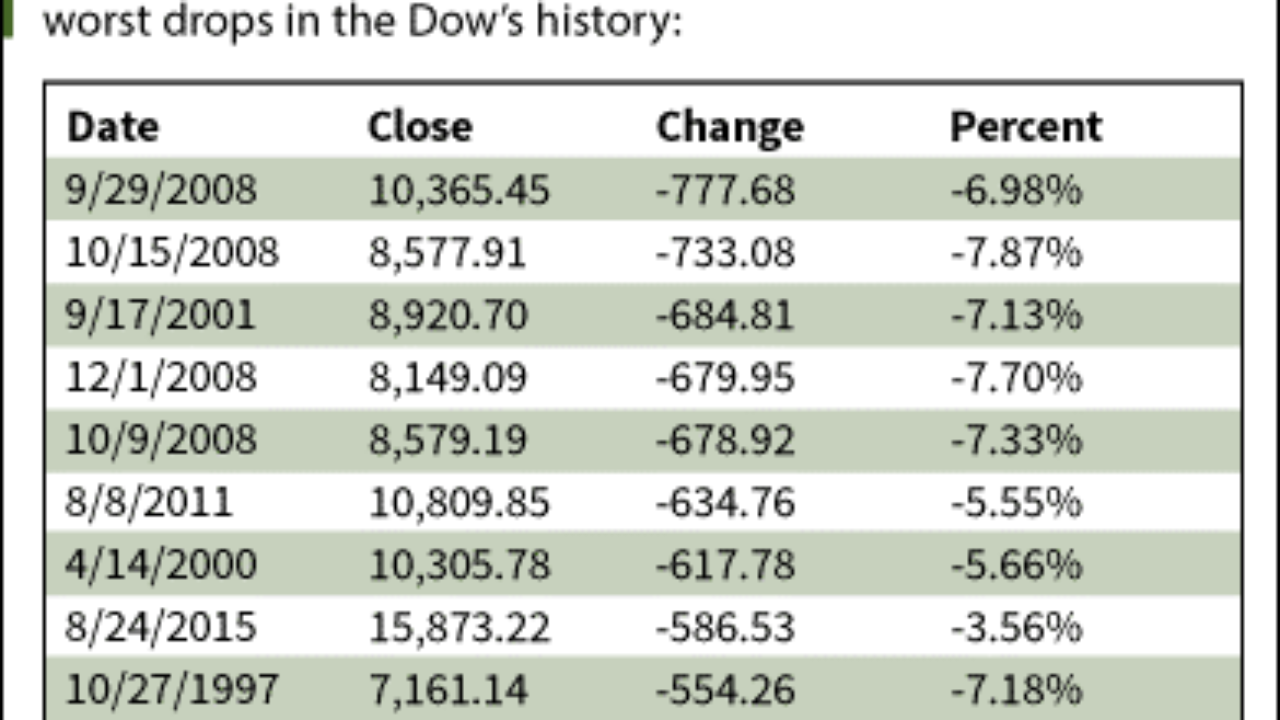
When the Dow Jones Industrial Average hits a new all-time high, it’s more than just a headline; it carries significant implications for both individual investors and the broader economy. These peaks represent a culmination of various forces, influencing sentiment, reflecting economic health, and presenting both opportunities and potential pitfalls.
Investor Psychology and Market Sentiment
Market peaks have a profound effect on investor psychology. A continually rising Dow fosters optimism, often leading to increased participation in the market. The “fear of missing out” (FOMO) can become prevalent, drawing in new investors who don’t want to be left behind while the market surges. This often creates a positive feedback loop: rising prices attract more buyers, which pushes prices even higher.
However, this euphoria can sometimes lead to what former Federal Reserve Chairman Alan Greenspan famously termed “irrational exuberance.” At market highs, valuations might become stretched, meaning stock prices rise faster than underlying corporate earnings can justify. While optimism is a powerful driver, excessive exuberance can detach prices from fundamental value, increasing the risk of a sharp correction or bear market. Savvy investors understand that while peaks are exciting, they also warrant a degree of caution and a re-evaluation of one’s portfolio strategy. The emotional pull to join the rally must be balanced with a disciplined, rational approach.
Economic Health and Corporate Performance
A sustained ascent of the Dow to new highs is generally a strong indicator of a healthy and expanding economy. The 30 companies that comprise the Dow are leaders in their respective sectors, and their collective performance offers a reliable gauge of overall economic vitality.
- Strong Corporate Profits: New highs in the Dow are typically underpinned by robust corporate earnings growth. Companies are making more money, indicating effective business operations, strong consumer demand, and efficient resource allocation.
- Investor Confidence: A rising Dow reflects high investor confidence in the future prospects of these companies and the broader economy. This confidence can translate into increased capital investment, job creation, and further economic expansion.
- Wealth Effect: When the stock market performs well, individuals who own stocks or have retirement accounts invested in the market see their wealth increase. This “wealth effect” can encourage greater consumer spending, further boosting economic activity.
- Capital Formation: A strong stock market makes it easier and more attractive for companies to raise capital through equity offerings, funding expansion, innovation, and job creation.
In essence, the Dow hitting new highs acts as a powerful signal that the economic engine is firing on all cylinders, providing a positive feedback loop that can sustain growth for extended periods.
The Dual Nature of Highs: Opportunity and Caution
Market peaks present a dual nature: they are periods of significant opportunity for long-term investors but also necessitate caution. For those with a long-term horizon, continuous market highs, even if punctuated by corrections, contribute significantly to wealth creation through compounding returns. Historically, staying invested through various market cycles, including periods of new highs, has proven to be the most effective strategy for building wealth.
However, the “highest Dow Jones” also serves as a potent reminder of the principle of “buy low, sell high.” While nobody can consistently time the market perfectly, buying aggressively at market peaks without a clear strategy or understanding of underlying valuations can expose investors to greater risk should a correction occur. Every market peak, by definition, implies that future returns from that point might be more modest, or that a downturn could be imminent. It’s a time for investors to review their asset allocation, ensure their portfolios are diversified, and consider trimming positions in overvalued assets if they align with their financial goals and risk tolerance. The lesson from market peaks is not to panic, but to be prudent, disciplined, and strategic, understanding that the market’s journey involves both peaks and valleys.
Navigating the Market: Strategies Beyond Chasing Highs
While the spectacle of the Dow Jones reaching new highs is captivating, a successful long-term investment strategy is rarely about chasing these peaks. Instead, it involves discipline, diversification, and a deep understanding of one’s personal financial landscape.
Long-Term Perspective and Dollar-Cost Averaging
The “highest Dow Jones” is a snapshot in time. For most investors, the key to building wealth is to adopt a long-term perspective, focusing on consistent growth over decades rather than attempting to predict short-term market movements. Market highs, while impressive, are simply points along a much longer upward trend driven by economic progress and innovation.
One of the most effective strategies for navigating a perpetually advancing market is dollar-cost averaging (DCA). This involves investing a fixed amount of money at regular intervals (e.g., monthly, quarterly), regardless of whether the market is high or low. When prices are high, your fixed investment buys fewer shares; when prices are low, it buys more shares. Over time, this strategy averages out your purchase price, reducing the risk of investing a large sum at an unfortunate market peak. DCA removes emotion from investing, ensuring a disciplined approach that benefits from market fluctuations rather than being derailed by them. It acknowledges that consistently investing over the long haul, through highs and lows, is more powerful than attempting to time the “perfect” entry point.
Diversification and Asset Allocation
Putting all your eggs in one basket, particularly if that basket is solely the 30 companies of the Dow, is a risky proposition. While the Dow components are robust, even they can face sector-specific headwinds or company-specific challenges. A prudent investment strategy emphasizes diversification, spreading investments across a variety of asset classes, sectors, geographies, and company sizes.
- Asset Classes: Beyond stocks, consider bonds, real estate, and other alternative investments to balance risk and return. Bonds, for instance, often provide stability during equity market downturns.
- Sectors: Don’t concentrate too heavily in one industry. If the Dow is hitting highs due to tech growth, ensure you also have exposure to healthcare, consumer staples, industrials, and utilities.
- Geographies: Invest in international markets to capture global growth opportunities and reduce reliance on a single economy.
- Company Size: While the Dow focuses on large-cap stocks, consider mid-cap and small-cap companies for additional growth potential.
Asset allocation is the process of deciding how much of your portfolio to put into each asset class, based on your age, risk tolerance, and financial goals. Rebalancing your portfolio periodically ensures that your asset allocation remains aligned with your objectives, especially after significant market moves like new Dow highs.
Understanding Your Risk Tolerance and Financial Goals
Before investing, it’s paramount to understand your personal risk tolerance—how much volatility you can comfortably handle without losing sleep or making impulsive decisions. Someone nearing retirement will likely have a lower risk tolerance than a young investor with decades to save. Similarly, clearly defined financial goals (e.g., buying a home, funding retirement, saving for education) dictate the time horizon and required returns for your investments.
An investment strategy should be tailored to these individual circumstances. Chasing the “highest Dow Jones” without considering your personal risk profile or goals can lead to significant stress and potentially suboptimal outcomes. A financial advisor can be invaluable in helping to define these parameters and construct a suitable investment plan that focuses on your objectives rather than headline-grabbing market peaks.
Fundamental Analysis and Value Investing
Instead of being swayed by the index’s overall movement, a more grounded approach involves fundamental analysis and value investing. This strategy focuses on evaluating the intrinsic value of individual companies based on their financial health, management quality, competitive advantages, and growth prospects.
Value investors seek to buy quality companies when their stock price is below their intrinsic value, effectively getting a bargain. They are less concerned with whether the overall market, or the Dow, is at an all-time high, and more focused on whether the individual companies they are investing in are sound, profitable, and trading at a reasonable price. This approach requires patience, research, and a willingness to go against the crowd, but it can lead to substantial long-term returns regardless of overall market sentiment. It shifts the focus from an external market indicator to the underlying business fundamentals, a much more sustainable and controllable aspect of investing.

Conclusion
The question “what is the highest Dow Jones?” leads us down a fascinating path through the annals of financial history, economic theory, and investor psychology. It underscores the dynamic, ever-evolving nature of capital markets, where new records are not just numbers but narratives of progress, innovation, and human endeavor. The peaks of the Dow Jones Industrial Average serve as powerful indicators of economic strength and investor optimism, reflecting the collective performance of some of the nation’s most influential companies.
However, while observing these market milestones is inherently captivating, a truly effective approach to wealth creation transcends the allure of chasing highs. It demands a disciplined, long-term perspective, an unwavering commitment to diversification, and a deep understanding of one’s individual financial goals and risk tolerance. By adopting strategies like dollar-cost averaging and focusing on the fundamental value of businesses rather than fleeting index movements, investors can navigate the exciting yet often volatile landscape of the stock market. Ultimately, the “highest Dow Jones” will always be a moving target, a testament to continuous growth. But for the savvy investor, true success lies not in pinpointing the ultimate peak, but in steadily building a robust portfolio that thrives across all market cycles, securing financial well-being for the long haul.
aViewFromTheCave is a participant in the Amazon Services LLC Associates Program, an affiliate advertising program designed to provide a means for sites to earn advertising fees by advertising and linking to Amazon.com. Amazon, the Amazon logo, AmazonSupply, and the AmazonSupply logo are trademarks of Amazon.com, Inc. or its affiliates. As an Amazon Associate we earn affiliate commissions from qualifying purchases.