
In the dynamic world of finance, few terms are as fundamental yet often misunderstood as “shares” and “stocks.” These concepts form the bedrock of public markets, representing not just financial instruments but tangible slices of ownership in the world’s most innovative and influential companies. For anyone looking to build wealth, understand market movements, or simply grasp the mechanics of the economy, a clear comprehension of what shares and stocks entail is absolutely essential.
This article will demystify these core components of investing, breaking down their definitions, exploring why companies issue them, and illuminating the potential for both growth and risk they offer to individual investors. We’ll delve into the nuances of common versus preferred shares, discuss the motivations behind stock purchases, and provide a framework for understanding how these pieces of paper – or, more accurately, digital entries – translate into real-world value and financial opportunity. By the end, you’ll have a professional, insightful, and engaging understanding of this crucial aspect of personal finance and investing.

Understanding the Fundamentals: Shares, Stocks, and Equity
At the heart of the capital markets lies the concept of fractional ownership. When a company needs to raise capital beyond what it can borrow from banks or generate through its operations, it often turns to the public, offering pieces of itself for sale. These pieces are what we refer to as shares and stocks.
Shares: A Slice of Ownership
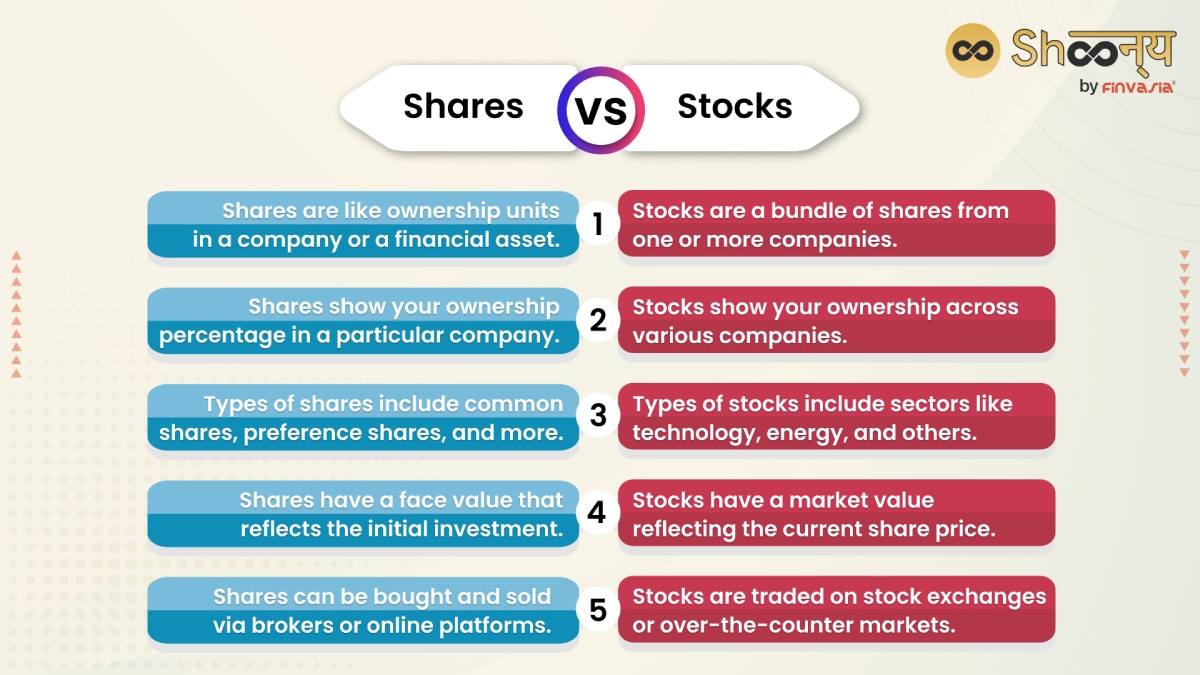
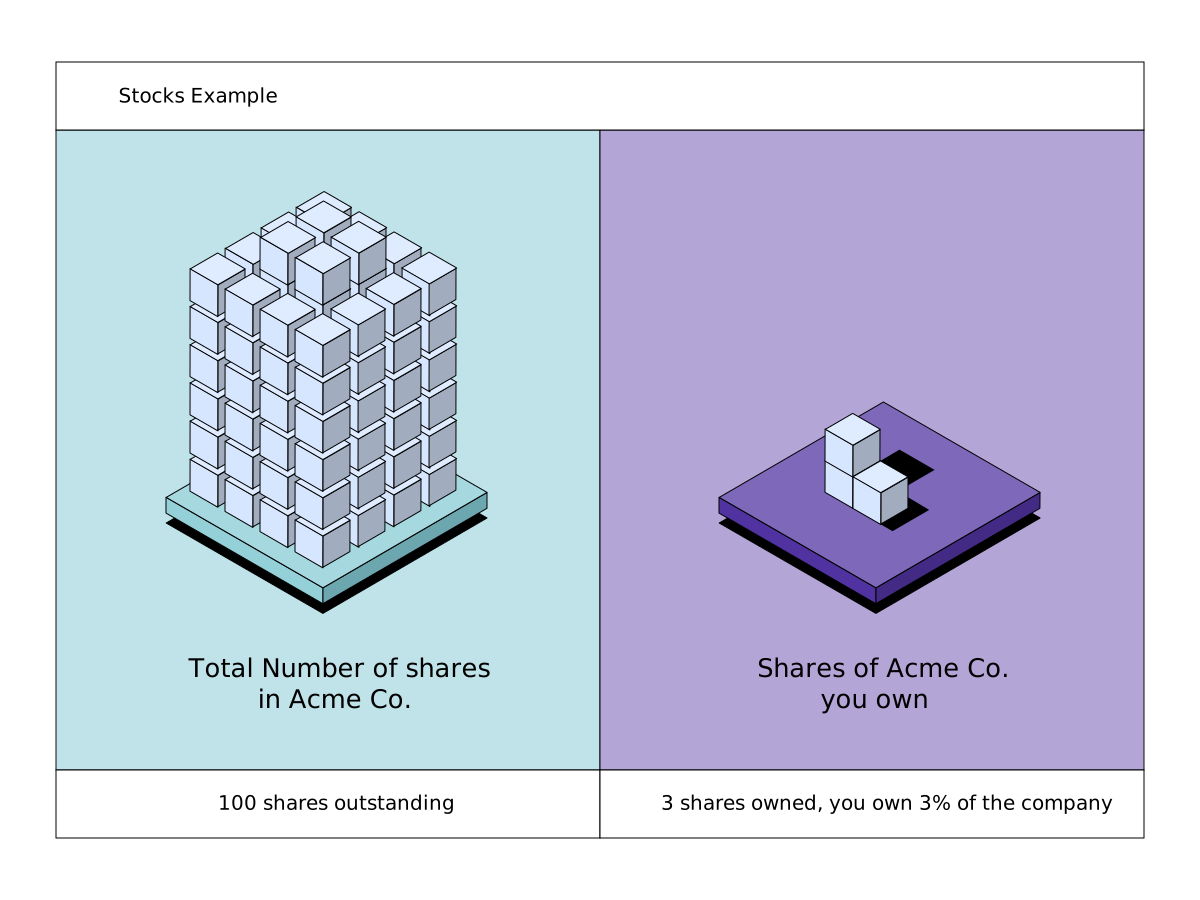
A share represents a single unit of ownership in a company. Think of a company as a pie. When a company “goes public” (becomes listed on a stock exchange), it essentially divides that pie into many small, equal slices. Each slice is a share. When an investor buys one or more shares, they become a part-owner of that company, albeit a very small one in most cases. This ownership stake grants certain rights, which can vary depending on the type of share purchased, but fundamentally, it means the investor has a claim on a fraction of the company’s assets and earnings.
The value of a share is determined by market forces – supply and demand – which are influenced by the company’s performance, industry trends, economic conditions, and investor sentiment. As the company grows and its profitability increases, the value of its shares typically rises, benefiting its owners. Conversely, if the company struggles, the share value may fall.
Stocks: The Collection of Shares
While often used interchangeably with “shares,” the term stock generally refers to the collective ownership certificates of a particular company, or, more broadly, to an investor’s overall portfolio of shares across various companies. For instance, if you own 100 shares of Apple, you might say you own “Apple stock.” If you own shares in Apple, Microsoft, and Amazon, you could say you have “stocks” in your portfolio.
The market where these shares are bought and sold is known as the stock market. It’s a vast, global network of exchanges and brokers that facilitates the trading of these ownership units, providing liquidity and price discovery for millions of investors and companies worldwide.
Equity: The Ownership Stake
Equity is the broader financial term that encompasses shares and stocks. It represents the value of an owner’s interest in an asset or company, after all liabilities are accounted for. When you buy shares, you are investing in the company’s equity. For a company, its “shareholders’ equity” or “owner’s equity” is the portion of the business that belongs to its shareholders, as listed on its balance sheet. It’s a fundamental measure of the company’s net worth.
Understanding equity is crucial because it highlights the fundamental principle: investors who buy shares are not lending money to the company; they are becoming part-owners, sharing in both its potential successes and its inherent risks.
Why Companies Issue Shares
The decision for a private company to “go public” and issue shares to a broad base of investors is a monumental one, driven by several strategic imperatives. It transforms the company’s structure, governance, and financial capabilities.
Capital Generation for Growth
The primary reason companies issue shares is to raise substantial capital. This process, often initiated through an Initial Public Offering (IPO), allows companies to access a vast pool of money from institutional and individual investors. This capital is then strategically deployed for a multitude of purposes:
- Expansion: Funding new factories, offices, or geographic market entry.
- Research and Development (R&D): Investing in innovation, product development, and technological advancements.
- Debt Reduction: Paying off existing loans to improve financial health.
- Acquisitions: Buying other companies to gain market share or new capabilities.
- Working Capital: Ensuring smooth day-to-day operations.
Without the ability to issue shares, many ambitious companies would be severely constrained in their growth potential, relying solely on retained earnings or limited debt financing.
Liquidity for Founders and Early Investors
Going public provides a crucial exit strategy for the company’s founders, early employees, and venture capitalists who invested during the private stages. These individuals and entities often hold significant portions of the company’s shares, and an IPO allows them to sell some or all of their holdings, converting their illiquid ownership stakes into cash. This liquidity incentivizes early-stage investment and rewards those who took the initial risks in building the company.
Public Visibility and Credibility
Being a publicly traded company comes with increased scrutiny and regulatory obligations, but it also brings significant benefits in terms of visibility and credibility. A company listed on a major stock exchange gains prestige and is often perceived as more stable and transparent. This can enhance its brand image, attract top talent, facilitate partnerships, and improve its ability to secure future financing or negotiate favorable terms with suppliers and customers. The rigorous reporting requirements often foster better corporate governance and management practices.
The Investor’s Perspective: Why Buy Shares?
For individuals and institutions, buying shares is a cornerstone of long-term wealth creation and financial planning. The motivations are diverse, but they generally revolve around the potential for financial gain and participation in economic growth.
Capital Appreciation
The most common reason investors buy shares is the expectation of capital appreciation. This means buying shares at a lower price and selling them at a higher price later, pocketing the difference. This increase in share price typically occurs when the underlying company grows, becomes more profitable, or gains a stronger market position, leading investors to value its future earnings potential more highly. Over the long term, well-chosen stocks have historically outperformed many other asset classes, making them a powerful engine for wealth accumulation.
Dividends: Sharing the Profits
Some companies distribute a portion of their profits directly to shareholders in the form of dividends. These are typically paid out quarterly, semi-annually, or annually, either as a fixed cash amount per share or as additional shares. Dividend-paying stocks are particularly attractive to income-focused investors, such as retirees, who seek a steady stream of passive income. While not all companies pay dividends (growth companies often reinvest all earnings back into the business), for those that do, dividends can provide a valuable additional return on investment, often compounding over time if reinvested.
Portfolio Diversification
Shares play a critical role in diversifying an investment portfolio. By investing across various companies, industries, and geographies, investors can mitigate the risk associated with any single investment. Stocks generally offer higher potential returns than safer assets like bonds or cash, but they also come with higher volatility. Including a diversified mix of stocks helps balance risk and reward, enhancing the overall resilience and growth potential of a portfolio.
Participation in Company Growth
Beyond the financial returns, many investors are motivated by the opportunity to own a piece of companies they believe in, admire, or whose products and services they use daily. Owning shares allows individuals to indirectly participate in the success and innovation of these businesses, aligning their financial interests with the company’s growth trajectory. This can provide a sense of connection and pride, especially when investing in companies that are solving global challenges or creating groundbreaking technologies.
Types of Shares and Their Characteristics
The world of shares isn’t monolithic; different types of shares come with distinct rights, risks, and reward profiles, catering to various investor preferences and company structures.
Common Stock
Common stock is the most prevalent type of share and what most people refer to when they talk about “stocks.” Holders of common stock typically have:
- Voting Rights: They have the right to vote on corporate matters, such as electing the board of directors and approving major company decisions. The number of votes usually corresponds to the number of shares owned.
- Potential for Higher Returns: Common stockholders generally have unlimited upside potential if the company performs well.
- Residual Claim on Assets: In the event of liquidation, common stockholders are the last in line to receive any remaining assets after bondholders, creditors, and preferred stockholders have been paid. This makes common stock inherently riskier but also offers greater potential reward.
Preferred Stock
Preferred stock is a hybrid security with characteristics of both stocks and bonds. It differs from common stock in several key ways:
- Fixed Dividends: Preferred stockholders typically receive a fixed dividend payment, similar to bond interest. These dividends are usually paid before common stock dividends.
- No Voting Rights (Typically): Most preferred stocks do not carry voting rights.
- Preference in Liquidation: In the event of bankruptcy or liquidation, preferred stockholders have a higher claim on the company’s assets than common stockholders, but still below bondholders.
- Less Volatility: Due to their fixed dividends and preference, preferred stocks are generally less volatile than common stocks and are often favored by conservative, income-seeking investors.
Growth Stocks vs. Value Stocks
Beyond common and preferred, stocks can also be categorized by their investment style:
- Growth Stocks: These are shares in companies expected to grow at an above-average rate compared to the market. They often reinvest most of their earnings back into the business, paying little or no dividends. Investors buy them for capital appreciation. Examples often include tech startups or rapidly expanding firms.
- Value Stocks: These are shares in companies that are believed to be undervalued by the market, trading below their intrinsic worth. They often have stable earnings, pay dividends, and are typically found in more mature industries. Investors buy them hoping the market will eventually recognize their true value.
Navigating the Stock Market: Risks and Rewards
Investing in shares can be incredibly rewarding, offering a powerful avenue for wealth creation. However, it’s crucial to approach the stock market with a clear understanding of the inherent risks and a strategic mindset.
Market Volatility and Risk Factors
The value of shares can fluctuate significantly, sometimes daily, due to various factors:
- Company-Specific Risks: Poor management decisions, product failures, legal issues, or competitive pressures can negatively impact a company’s stock price.
- Industry Risks: Economic downturns affecting a specific sector (e.g., oil price drops impacting energy stocks).
- Economic Risks: Broader economic conditions like recessions, inflation, interest rate hikes, or geopolitical events can cause widespread market downturns.
- Market Sentiment: Investor emotions, speculation, and herd mentality can sometimes drive prices away from fundamentals.
It’s vital for investors to recognize that capital is at risk, and there is no guarantee of returns. The value of an investment can go down as well as up.
Long-Term Potential and Wealth Creation
Despite the short-term volatility, the stock market has historically proven to be a robust engine for long-term wealth creation. Over extended periods (decades), diversified stock portfolios have consistently outperformed inflation and other asset classes. This power lies in:
- Compounding Returns: Reinvesting dividends and capital gains allows your earnings to generate further earnings, leading to exponential growth.
- Economic Growth: Stock markets generally reflect the underlying growth of economies and corporate profits over time.
- Innovation: Investing in companies at the forefront of innovation allows investors to benefit from technological advancements and new market creation.
The Importance of Research and Due Diligence
Successful stock investing isn’t about guesswork; it requires thorough research and due diligence. Investors should:
- Understand the Business: Know what the company does, its business model, competitive advantages, and market position.
- Analyze Financials: Review income statements, balance sheets, and cash flow statements to assess financial health, profitability, and growth prospects.
- Evaluate Management: Assess the competence and integrity of the company’s leadership.
- Consider Valuation: Determine if the stock price is reasonable relative to the company’s earnings, assets, and future potential.
Tools like fundamental analysis (evaluating a company’s intrinsic value) and technical analysis (studying price charts and market trends) can aid in this process.
Diversification and Risk Management
The golden rule of investing, especially in stocks, is diversification. Spreading investments across different companies, industries, asset classes, and geographies is crucial for managing risk. A diversified portfolio can cushion the blow if one particular investment performs poorly, enhancing the overall stability and long-term potential of your returns. This principle underscores why simply buying “a stock” isn’t enough; thoughtful portfolio construction is key.
Conclusion
Shares in stocks are more than just financial instruments; they are the fundamental building blocks of modern capitalism, enabling companies to grow and providing individuals with an accessible pathway to participate in that growth. By understanding what shares represent – a slice of ownership – and distinguishing them from the broader term “stocks,” investors can begin to appreciate the mechanics of the market.
Whether driven by the allure of capital appreciation, the steady income of dividends, or the desire to be a part of a company’s success story, buying shares is a powerful step towards financial empowerment. However, this journey demands diligence, a long-term perspective, and an acute awareness of the inherent risks. By leveraging knowledge, conducting thorough research, and embracing the principles of diversification, investors can strategically navigate the stock market, transforming these small slices of ownership into significant components of a robust and prosperous financial future.
aViewFromTheCave is a participant in the Amazon Services LLC Associates Program, an affiliate advertising program designed to provide a means for sites to earn advertising fees by advertising and linking to Amazon.com. Amazon, the Amazon logo, AmazonSupply, and the AmazonSupply logo are trademarks of Amazon.com, Inc. or its affiliates. As an Amazon Associate we earn affiliate commissions from qualifying purchases.