
Investing is more than just a financial activity; it’s a strategic pathway to achieving financial independence, securing your future, and realizing long-term aspirations. In an economic landscape often characterized by inflation and fluctuating markets, simply saving money might not be enough to grow your wealth or even maintain its purchasing power over time. Investing, however, allows your money to work for you, potentially generating returns that outpace inflation and contribute significantly to your financial goals.
The question “how do you invest in?” is a fundamental one for anyone looking to build wealth beyond their immediate income. It’s a journey that begins with understanding foundational principles and progresses through exploring diverse asset classes and implementing robust strategies. This guide aims to demystify the investment process, offering a clear, professional, and engaging roadmap for both nascent and seasoned investors navigating the world of personal finance and wealth creation.
Laying the Foundation: Understanding Investment Basics
Before you even consider what to invest in, it’s crucial to establish a robust personal framework. Investing isn’t a one-size-fits-all endeavor; it’s deeply personal and should align with your individual circumstances and aspirations. Building this foundation ensures that your investment decisions are informed, strategic, and sustainable.
Defining Your Financial Goals
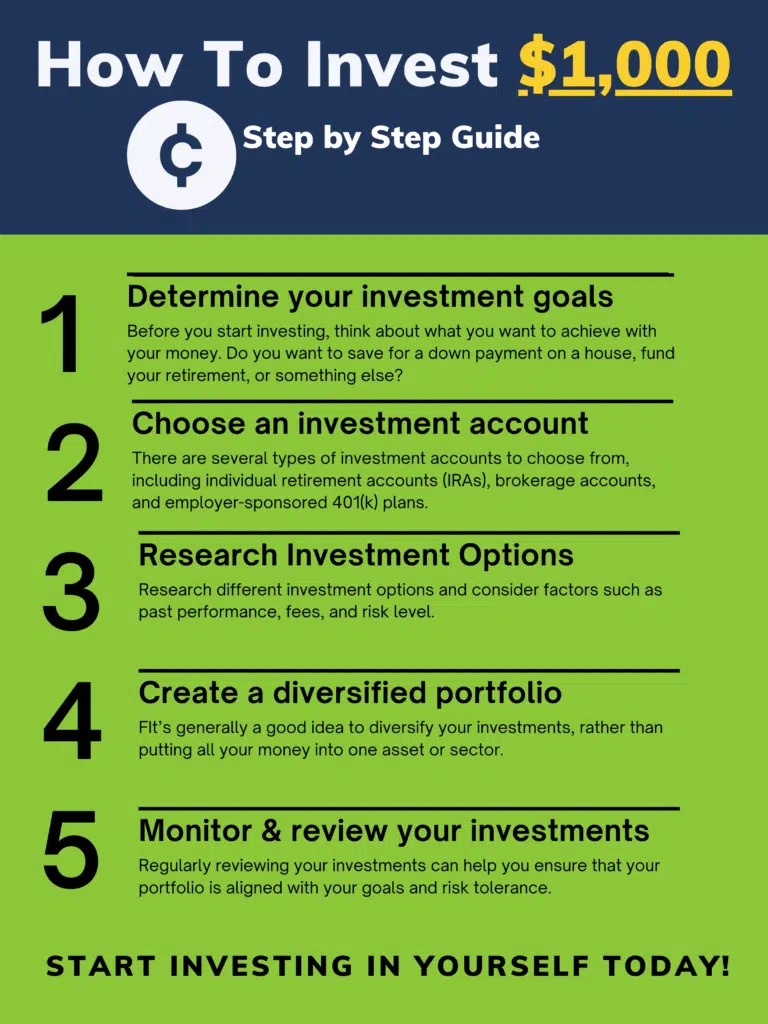
The first and most critical step in your investment journey is to clearly articulate what you’re investing for. Without defined goals, your investment strategy lacks direction and purpose. Are you saving for a down payment on a house in five years? Planning for retirement in thirty years? Funding your child’s college education? Or perhaps building a passive income stream?
Categorize your goals into short-term (1-3 years), medium-term (3-10 years), and long-term (10+ years). Each category will likely necessitate different investment approaches due to varying time horizons and liquidity needs. Specific, measurable, achievable, relevant, and time-bound (SMART) goals provide the clarity needed to select appropriate investment vehicles and monitor your progress effectively.
Assessing Your Risk Tolerance
Risk tolerance refers to your emotional and financial ability to withstand declines in the value of your investments. It’s a crucial factor that dictates the types of assets you should consider. A conservative investor might prioritize capital preservation and stable, albeit lower, returns, opting for bonds or high-yield savings accounts. Conversely, an aggressive investor might be comfortable with higher volatility in exchange for potentially greater long-term growth, leaning towards stocks or even more speculative assets.
Understanding your risk tolerance involves honest self-assessment. Consider how you would react to a significant market downturn. Would you panic and sell, or would you see it as an opportunity to buy more? Your age, income stability, existing savings, and financial obligations all play a role in determining your true capacity for risk. Tools like online questionnaires or discussions with a financial advisor can help quantify this often-subjective measure.
The Power of Compounding: Your Wealth Accelerator
Often dubbed the “eighth wonder of the world” by Albert Einstein, compounding is the process by which your investment earnings generate their own earnings. Simply put, it’s earning returns on your initial investment plus the accumulated interest from previous periods. The effect is exponential growth, especially over longer time horizons.
Consider this: if you invest $10,000 today at an average annual return of 7%, in 10 years it could grow to approximately $19,671. In 20 years, it could be $38,700, and in 30 years, nearly $76,123. The key takeaway is the importance of starting early. Time is your greatest ally in compounding, allowing even modest initial investments to blossom into substantial wealth.
Diversification: Don’t Put All Your Eggs in One Basket
Diversification is the strategy of spreading your investments across various asset classes, industries, and geographies to minimize risk. The principle is simple: if one investment performs poorly, the impact on your overall portfolio is mitigated by the performance of others. For example, when technology stocks are declining, consumer staples might be stable, or bonds might even be rising.
A well-diversified portfolio typically includes a mix of stocks, bonds, and potentially real estate or alternative assets. Within each asset class, further diversification is advisable, such as investing in different sectors (e.g., healthcare, tech, energy) or different company sizes (large-cap, mid-cap, small-cap). While diversification doesn’t guarantee profits or protect against all market risks, it is a critical strategy for reducing the potential for significant losses.
Exploring Key Investment Avenues
Once your financial foundation is solid, you can begin to explore the specific vehicles available for investment. The “how do you invest in” question truly comes to life here, as you decide which assets best align with your goals and risk tolerance.
Stocks: Ownership in Public Companies
When you buy a stock, you’re purchasing a small piece of ownership, or “equity,” in a publicly traded company. Stocks are generally considered growth-oriented investments, offering two primary ways to generate returns:
- Capital Appreciation: The stock price increases, allowing you to sell it for more than you paid.
- Dividends: Some companies distribute a portion of their profits to shareholders in the form of regular cash payments.
Stocks offer high growth potential but come with higher volatility and risk compared to bonds. They are best suited for long-term investors who can ride out market fluctuations. Individual stocks require thorough research, but investors can also gain diversified exposure through stock mutual funds or Exchange-Traded Funds (ETFs).
Bonds: Lending to Governments and Corporations
Bonds represent a loan made by an investor to a borrower, which can be a corporation or a government entity. In return for the loan, the borrower promises to pay the investor regular interest payments over a specified period, and then repay the original principal amount (face value) on a maturity date.
Bonds are generally considered less risky than stocks and provide a more predictable stream of income. They are often used by conservative investors or those nearing retirement who prioritize capital preservation and stable income. Types include:
- Treasury Bonds: Issued by national governments (e.g., U.S. Treasuries), considered very low risk.
- Corporate Bonds: Issued by companies, with risk levels varying depending on the company’s financial health.
- Municipal Bonds: Issued by state and local governments, often offering tax-exempt interest.
Mutual Funds and Exchange-Traded Funds (ETFs): Diversification Made Easy
For many investors, especially those without the time or expertise to research individual stocks and bonds, mutual funds and ETFs offer a convenient and diversified approach.
- Mutual Funds: These are professionally managed portfolios that pool money from many investors to purchase a diversified collection of stocks, bonds, or other securities. They are bought and sold at the end of each trading day based on their Net Asset Value (NAV).
- Exchange-Traded Funds (ETFs): Similar to mutual funds in that they hold a basket of assets, but ETFs trade like individual stocks on exchanges throughout the day. Many ETFs are designed to track specific market indices (e.g., S&P 500), offering broad market exposure at low costs.
Both mutual funds and ETFs provide instant diversification and often professional management, making them excellent choices for building a core portfolio. Index funds, a type of mutual fund or ETF that passively tracks a market index, are particularly popular due to their low fees and historical performance.
Real Estate: Tangible Assets with Potential Income

Investing in real estate involves acquiring properties, whether residential or commercial, with the expectation of generating income or capital appreciation.
- Direct Ownership: This involves buying physical properties, such as rental homes or commercial buildings. Benefits include potential rental income, property value appreciation, and tax advantages. However, it requires significant capital, management effort, and can be illiquid.
- Real Estate Investment Trusts (REITs): For those seeking real estate exposure without direct ownership, REITs are companies that own, operate, or finance income-producing real estate. They trade on stock exchanges like stocks, offering liquidity and diversification across various property types (e.g., apartments, offices, shopping centers).
Real estate can be a valuable component of a diversified portfolio, offering a hedge against inflation and a different risk-return profile than traditional stocks and bonds.
Crafting Your Investment Strategy and Execution
Knowing what to invest in is only part of the equation. How you execute and manage your investments is equally critical to long-term success. A well-defined strategy and disciplined approach are paramount.
Developing an Investment Plan
An investment plan serves as your personalized roadmap. It integrates your financial goals, risk tolerance, and chosen investment vehicles into a coherent strategy. Your plan should outline:
- Asset Allocation: The specific percentage breakdown of your portfolio across different asset classes (e.g., 60% stocks, 30% bonds, 10% real estate). This allocation should reflect your risk tolerance and time horizon.
- Contribution Schedule: How much and how often you plan to invest.
- Monitoring Frequency: How often you’ll review your portfolio and make adjustments.
- Withdrawal Strategy (for retirement): How you plan to draw income from your investments when you reach your goals.
Your investment plan isn’t static; it should be reviewed and adjusted periodically as your life circumstances, goals, or market conditions change.
Regular Contributions: The Power of Dollar-Cost Averaging
One of the most effective strategies for long-term investing is to make regular, consistent contributions regardless of market conditions. This practice is known as dollar-cost averaging. By investing a fixed amount of money at regular intervals (e.g., monthly), you buy more shares when prices are low and fewer shares when prices are high.
This strategy helps to reduce the impact of market volatility and eliminates the need to time the market, which is notoriously difficult even for seasoned professionals. Over time, dollar-cost averaging can result in a lower average cost per share and significant wealth accumulation, especially when combined with the power of compounding.
Monitoring and Rebalancing Your Portfolio
Your initial asset allocation might drift over time due to varying asset class performance. For instance, if stocks have a stellar year, their weight in your portfolio might exceed your target allocation. Rebalancing is the process of periodically adjusting your portfolio back to your desired asset allocation.
This typically involves selling some of your outperforming assets and using the proceeds to buy more of your underperforming assets. Rebalancing helps maintain your target risk level, ensures you’re not overly exposed to any single asset class, and provides a systematic way to “buy low and sell high.” Most experts recommend rebalancing once or twice a year, or when an asset class deviates by a certain percentage from its target.
Understanding Fees and Taxes
Fees and taxes, though often overlooked, can significantly erode your investment returns over time.
- Fees: These include expense ratios for mutual funds/ETFs, trading commissions, advisory fees, and account maintenance fees. Even seemingly small fees (e.g., an extra 1% in an expense ratio) can cost you tens of thousands of dollars over decades. Prioritize low-cost index funds and ETFs where possible.
- Taxes: Investment gains are subject to various taxes, such as capital gains tax (on profits from selling investments), dividend tax, and interest income tax. Utilizing tax-advantaged accounts like 401(k)s, IRAs, and HSAs can provide substantial tax benefits, such as tax-deferred growth or tax-free withdrawals in retirement. Understanding the tax implications of your investment decisions is crucial for maximizing net returns.
Common Pitfalls and How to Avoid Them
The path to successful investing is often fraught with behavioral biases and common mistakes. Recognizing and avoiding these pitfalls is just as important as understanding sound investment principles.
Emotional Investing
One of the greatest enemies of successful investing is emotion. Panic selling during market downturns or chasing hot stocks during bull runs often leads to poor decisions and underperformance. The stock market is inherently volatile; corrections and bear markets are a normal part of its cycle. Successful investors understand this and stick to their long-term plan, resisting the urge to make rash decisions based on fear or greed.
Lack of Diversification
While already emphasized, the temptation to concentrate investments in a few “sure things” or a single company remains a significant pitfall. Even seemingly stable companies can face unforeseen challenges. An undiversified portfolio exposes you to unnecessary risk, potentially jeopardizing your financial goals if those concentrated bets don’t pay off. Revisit the principle: spread your investments widely.
Ignoring Fees and Expenses
As discussed, the cumulative effect of high fees can be devastating to long-term returns. Many investors underestimate just how much a 1% or 2% annual fee can subtract from their wealth over 30 or 40 years. Always scrutinize expense ratios and other charges associated with your investments and prioritize low-cost options whenever possible.
Procrastination: The Cost of Waiting
The most significant regret many investors have is not starting sooner. Thanks to the power of compounding, every year you delay investing is a year of lost potential growth. The “time in the market” is far more impactful than “timing the market.” Even small, consistent contributions started early can outperform larger contributions started later.
Falling for Get-Rich-Quick Schemes
The investment world is unfortunately ripe with schemes promising unrealistic, fast returns with little to no risk. True wealth building through investing is a marathon, not a sprint. It requires patience, discipline, and a long-term perspective. If an investment opportunity sounds too good to be true, it almost certainly is. Always conduct thorough due diligence and be wary of anything that deviates from established, transparent financial principles.

Conclusion
The question “how do you invest in?” opens the door to a rewarding journey of financial empowerment. It’s a process rooted in understanding your personal financial landscape, meticulously selecting appropriate investment vehicles, and adhering to a disciplined strategy. From defining clear financial goals and assessing your risk tolerance to embracing the power of compounding and the necessity of diversification, each step is integral to building a robust and resilient investment portfolio.
Successful investing is not about predicting market movements or getting rich overnight; it’s about making informed decisions, staying patient through market cycles, and consistently contributing to your financial future. By avoiding common pitfalls like emotional trading and ignoring fees, and by committing to continuous learning, you can effectively navigate the complexities of the investment world. Remember, investing is a marathon, not a sprint—a continuous journey that, with foresight and discipline, can lead to substantial wealth and lasting financial security.
aViewFromTheCave is a participant in the Amazon Services LLC Associates Program, an affiliate advertising program designed to provide a means for sites to earn advertising fees by advertising and linking to Amazon.com. Amazon, the Amazon logo, AmazonSupply, and the AmazonSupply logo are trademarks of Amazon.com, Inc. or its affiliates. As an Amazon Associate we earn affiliate commissions from qualifying purchases.