
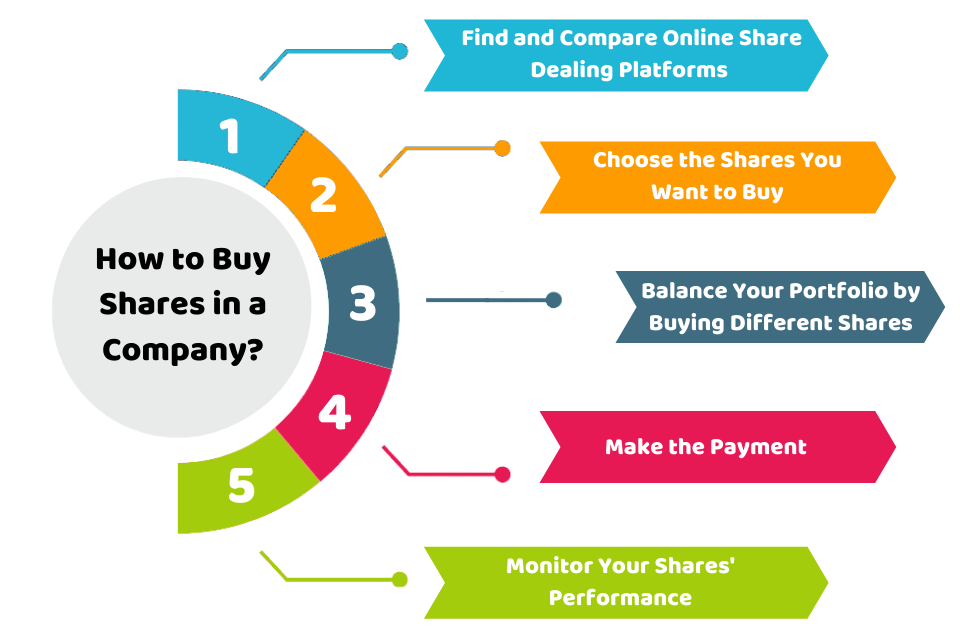
Embarking on the journey of stock market investing can seem daunting, a complex labyrinth reserved for financial titans and seasoned professionals. However, the reality is far more accessible than popular perception suggests. Buying stock in a company is a fundamental component of personal finance, a pathway to potentially grow your wealth and participate directly in the success of businesses you believe in. For many, it represents a tangible step towards financial independence, a strategic move to outpace inflation and build a secure future. This guide aims to demystify the process, breaking down the steps from understanding the basics to executing your first trade and managing your investments over time. Whether you’re a complete novice or simply looking for a refresher, understanding how to buy stock is the first crucial step towards building a robust investment portfolio.
Understanding the Fundamentals of Stock Investment
Before you dive into the mechanics of purchasing shares, it’s vital to grasp the foundational concepts that underpin the stock market. Investing without this basic knowledge is akin to sailing without a map – you might get somewhere, but it’s unlikely to be your intended destination and fraught with unnecessary risks. A clear understanding empowers you to make informed decisions, align your investments with your financial goals, and navigate the market with confidence.
What Exactly is a Stock?
At its core, a stock, also known as equity, represents a fractional ownership interest in a company. When you buy a share of stock, you become a part-owner of that company, however small your stake may be. This ownership comes with certain rights, typically including voting rights on company matters (proportionate to your shares) and a claim on a portion of the company’s assets and earnings. Companies issue stocks to raise capital, which they then use to fund operations, expand, develop new products, or repay debt. The value of a stock can fluctuate based on a multitude of factors, including the company’s performance, industry trends, economic conditions, and overall market sentiment. This dynamic nature is what creates both the opportunity for significant returns and the inherent risks associated with stock investing.
Why Invest in Stocks?
There are several compelling reasons why individuals choose to invest in stocks. Primarily, stocks offer the potential for significant capital appreciation. As a company grows and becomes more profitable, the value of its shares typically increases, allowing investors to sell their shares for more than they paid for them. Additionally, many companies distribute a portion of their profits to shareholders in the form of dividends, providing a regular income stream. Over the long term, historical data suggests that stocks have generally outperformed other asset classes like bonds or savings accounts, making them an attractive option for wealth creation that can keep pace with or even exceed inflation. Beyond the financial gains, investing in stocks allows you to support companies whose products, services, or values you believe in, becoming a stakeholder in their journey.
Key Risks and Considerations
While the allure of high returns is strong, it’s crucial to acknowledge the inherent risks involved in stock investing. The most prominent risk is market volatility, meaning the value of your investments can fluctuate significantly, sometimes rapidly, leading to potential losses. A company’s poor performance, industry downturns, economic recessions, or even geopolitical events can negatively impact stock prices. There’s also the risk of “information asymmetry,” where large institutional investors might have access to more comprehensive data than individual investors. Therefore, understanding your personal risk tolerance – how much potential loss you are comfortable with – is paramount. Never invest money you cannot afford to lose, and always remember that past performance is not indicative of future results. A balanced approach that considers both potential rewards and risks is essential for sustainable investing.
Preparing for Your First Stock Purchase
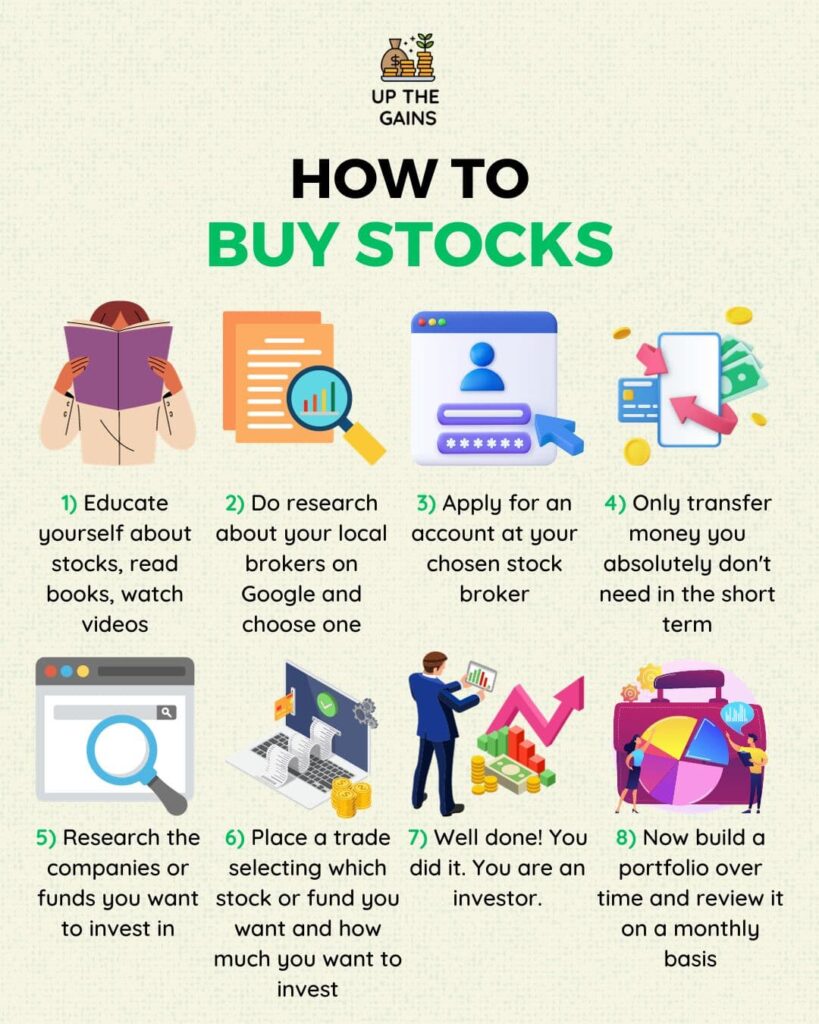
Once you have a grasp of the basics, the next phase involves thoughtful preparation. Rushing into the market without a clear strategy can be detrimental to your financial health. This preparatory stage is about defining your personal investment framework, understanding your financial capacity, and arming yourself with the knowledge needed to make judicious investment choices. It sets the foundation for a disciplined and potentially successful investment journey.
Defining Your Investment Goals and Risk Tolerance
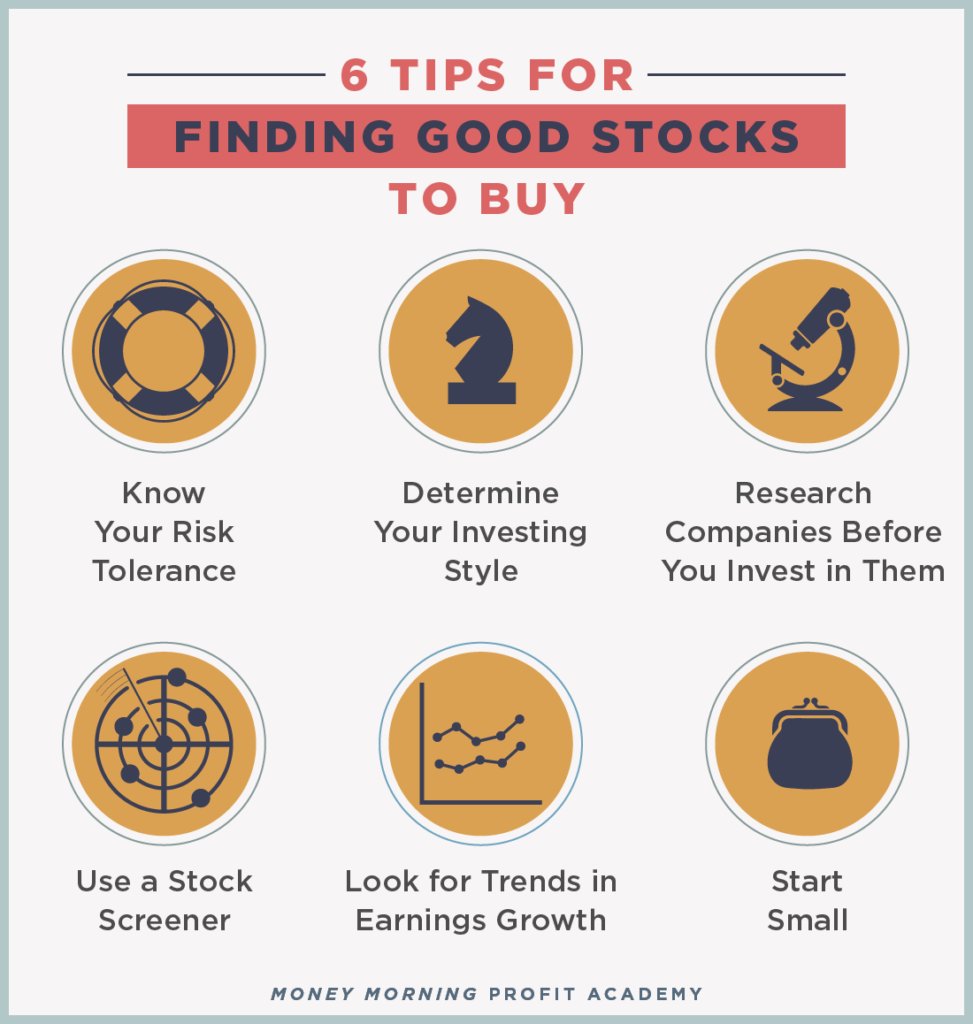
Before you buy your first stock, ask yourself: Why am I investing? Are you saving for retirement, a down payment on a house, your child’s education, or simply long-term wealth growth? Your investment goals will dictate your time horizon and, consequently, the level of risk you might be comfortable taking. A long-term goal (e.g., 20+ years for retirement) generally allows for greater risk, as there’s more time to recover from market downturns. Conversely, a short-term goal necessitates a more conservative approach. Simultaneously, honestly assess your risk tolerance. Would a 10% dip in your portfolio cause you sleepless nights, or would you view it as a buying opportunity? Your emotional response to market fluctuations is a critical factor in determining an appropriate investment strategy.
Setting Up Your Investment Budget
Investing should complement, not compromise, your overall financial stability. Before allocating funds to stocks, ensure you have an emergency fund covering 3-6 months of living expenses readily available in a liquid account. Once that’s secured, determine how much you can comfortably invest regularly without impacting your essential living expenses or other financial obligations. It’s often better to start small and invest consistently over time, rather than making a large, one-time investment that strains your finances. Consider using the “dollar-cost averaging” strategy, where you invest a fixed amount at regular intervals, regardless of the stock price. This helps mitigate risk by averaging out your purchase price over time.
Essential Research and Due Diligence
Never invest in a company you don’t understand. Thorough research and due diligence are non-negotiable. Start by looking at a company’s financial health: review its income statements, balance sheets, and cash flow statements. Pay attention to metrics like revenue growth, profitability, debt levels, and competitive advantages. Understand the company’s business model, its industry landscape, and its growth prospects. Who are its competitors? What are its strengths and weaknesses? Utilize reliable financial news sources, company websites (investor relations sections), regulatory filings (e.g., SEC filings like 10-K and 10-Q), and reputable financial analysis websites. This research is crucial for identifying companies with strong fundamentals that align with your investment philosophy.
Choosing the Right Investment Platform
With your goals defined and research skills honed, the next practical step is selecting an investment platform. The advent of digital technology has democratized investing, offering a plethora of options catering to different needs, experience levels, and investment styles. Choosing the right platform is critical for executing trades efficiently and managing your portfolio effectively.
Brokerage Accounts: Full-Service vs. Discount Brokers
The most common way to buy stocks is through a brokerage account. These accounts are offered by financial institutions (brokers) that facilitate the buying and selling of securities on your behalf.
- Discount Brokers: These are popular among self-directed investors. They offer low commissions (or even commission-free trading), a wide range of investment products (stocks, ETFs, mutual funds, options), and robust online platforms and mobile apps. They provide the tools, but you make all the investment decisions. Examples include Charles Schwab, Fidelity, Vanguard, E*TRADE, and Robinhood. They are ideal for investors who are comfortable doing their own research and managing their own portfolios.
- Full-Service Brokers: These firms offer personalized advice, financial planning, portfolio management, and a broader suite of services, often at a higher cost (e.g., higher commissions, advisory fees, or asset-based fees). They are suitable for investors who prefer a hands-off approach, require comprehensive financial guidance, or have complex financial situations.
Robo-Advisors: Automated Investing for Beginners
For those who prefer a more automated, hands-off approach or are new to investing, robo-advisors offer an excellent solution. These platforms use algorithms to build and manage diversified portfolios based on your financial goals, risk tolerance, and time horizon. You typically answer a series of questions, and the robo-advisor recommends a portfolio, often comprised of low-cost exchange-traded funds (ETFs) that track various market indexes. Robo-advisors are known for their low fees, ease of use, and automatic rebalancing features. Examples include Betterment, Wealthfront, and many traditional brokerages now offer their own robo-advisor services. They simplify investing significantly, making it accessible to those who might find traditional stock picking overwhelming.
Direct Stock Purchase Plans (DSPs) – A Niche Option
Some companies offer Direct Stock Purchase Plans (DSPs) or Dividend Reinvestment Plans (DRIPs), which allow investors to buy shares directly from the company, often bypassing a traditional broker. DSPs typically allow for small, recurring investments and can be a way to acquire shares without paying brokerage commissions. DRIPs automatically reinvest any dividends you receive back into purchasing more shares of the company. While they can be a cost-effective way to invest in specific companies, the selection of companies offering DSPs is limited, and they might not offer the same diversification or flexibility as a brokerage account. This option is generally more suited for long-term investors focused on accumulating shares in a particular company.
Executing Your Stock Trade
Once you’ve chosen your platform and funded your account, you’re ready to place your first order. This is where your research translates into action. Understanding the different types of orders and fees associated with trading will ensure you execute your purchases effectively and efficiently.
Placing an Order: Market Orders vs. Limit Orders
When buying stock, you’ll encounter different order types that control how your trade is executed:
- Market Order: This is the simplest and most common type. A market order instructs your broker to buy or sell shares immediately at the best available current price. While it guarantees execution, it doesn’t guarantee a specific price. In volatile markets, the price you pay might be slightly different from what you saw seconds before placing the order.
- Limit Order: A limit order allows you to specify the maximum price you’re willing to pay for a stock (for a buy order) or the minimum price you’re willing to accept (for a sell order). Your order will only be executed if the stock reaches or falls below your specified buy limit price. While a limit order guarantees your price, it does not guarantee execution. If the stock never reaches your desired price, your order might expire unfilled.
- Stop Order (Stop-Loss Order): Primarily used for selling, a stop order becomes a market order once the stock price reaches a specified “stop price.” This is a risk management tool designed to limit potential losses.
For beginners, a market order is often sufficient for highly liquid stocks. However, for less liquid stocks or when you want precise control over your entry price, a limit order is preferable.
Understanding Trading Fees and Commissions
While many brokers now offer commission-free trading for stocks and ETFs, it’s essential to understand the fee structure of your chosen platform. Some brokers may still charge commissions for certain types of trades (e.g., options, mutual funds) or for trading specific types of securities. There might also be other fees, such as account maintenance fees, inactivity fees, or fees for transferring funds. Always read the fee schedule carefully before opening an account to avoid unexpected charges. Lower fees mean more of your money goes towards investing, maximizing your potential returns over the long term.
Diversification and Portfolio Management
As you begin to build your portfolio, remember the adage: “Don’t put all your eggs in one basket.” Diversification is a crucial risk management strategy. It involves spreading your investments across various assets, industries, and geographies to reduce the impact of any single investment performing poorly. Instead of buying stock in just one company, consider investing in several companies across different sectors, or even better, investing in exchange-traded funds (ETFs) or mutual funds that hold a basket of many stocks. Regularly review and rebalance your portfolio to ensure it continues to align with your financial goals and risk tolerance. This ongoing management is key to long-term investment success.
Long-Term Strategies and Continuous Learning
Investing is not a one-time event; it’s a continuous process that requires patience, discipline, and a commitment to ongoing learning. While the excitement of the first purchase is significant, sustained success in the stock market often comes from adhering to long-term strategies and adapting your knowledge as markets evolve.
The Power of Compounding and Long-Term Holding
One of the most powerful concepts in investing is compounding. This is the process where your investment earnings generate their own earnings. When you hold stocks for the long term, especially those that appreciate steadily, your initial investment grows, and the gains from that growth also start to generate returns. Over decades, this effect can lead to substantial wealth accumulation. Trying to time the market – buying low and selling high – is notoriously difficult and often leads to suboptimal results. A “buy and hold” strategy, focusing on quality companies with strong long-term prospects, has historically proven to be a more effective approach for most individual investors.
Reinvesting Dividends for Growth
If you invest in dividend-paying stocks, consider enrolling in a Dividend Reinvestment Plan (DRIP) or manually reinvesting your dividends back into purchasing more shares. This is another powerful way to leverage compounding. By using the dividends to buy additional shares, you increase your ownership stake in the company, which in turn generates more dividends in the future. This virtuous cycle can significantly accelerate your portfolio’s growth over time, especially during market downturns when dividends can purchase more shares at lower prices.
Staying Informed and Adapting Your Strategy
The financial markets are dynamic and constantly evolving. While a long-term mindset is crucial, it doesn’t mean setting it and forgetting it entirely. Stay informed about macroeconomic trends, industry developments, and the performance of the companies you own. Regularly review your portfolio’s performance against your goals and make adjustments as necessary. This might involve rebalancing your asset allocation, selling underperforming stocks, or investing in new opportunities. However, avoid making impulsive decisions based on daily news cycles or market speculation. Instead, base your adjustments on fundamental changes to your investment thesis or personal financial situation. Continuous learning, whether through reading financial news, books, or online courses, will enhance your investing acumen and help you navigate the market’s complexities more effectively.
In conclusion, buying stock in a company is a rewarding endeavor that can significantly contribute to your financial well-being. By understanding the fundamentals, preparing diligently, choosing the right platform, executing trades thoughtfully, and maintaining a long-term perspective, you can confidently participate in the stock market. Start small, stay disciplined, and commit to lifelong learning, and you’ll be well on your way to building a successful investment portfolio.
aViewFromTheCave is a participant in the Amazon Services LLC Associates Program, an affiliate advertising program designed to provide a means for sites to earn advertising fees by advertising and linking to Amazon.com. Amazon, the Amazon logo, AmazonSupply, and the AmazonSupply logo are trademarks of Amazon.com, Inc. or its affiliates. As an Amazon Associate we earn affiliate commissions from qualifying purchases.