
In the vast and often complex world of finance, few terms are as fundamental yet as frequently misunderstood as “stock.” For many, it evokes images of bustling trading floors, ticker symbols flashing across screens, and the dizzying ascent or descent of wealth. Yet, at its core, stock represents something far simpler and more tangible: a piece of ownership in a company. Understanding what stock is, how it functions, and its role in both corporate finance and personal wealth building is not just for seasoned investors; it’s essential for anyone seeking to navigate the modern economic landscape.

This article will demystify the concept of stock, breaking down its various facets from its basic definition to its practical implications for investors and businesses alike. We will explore the different types of stock, the mechanisms through which they are traded, and the critical considerations that inform their value. By the end, you will have a comprehensive grasp of what stock truly means and why it remains a cornerstone of the global financial system.
The Fundamentals of Stock Ownership
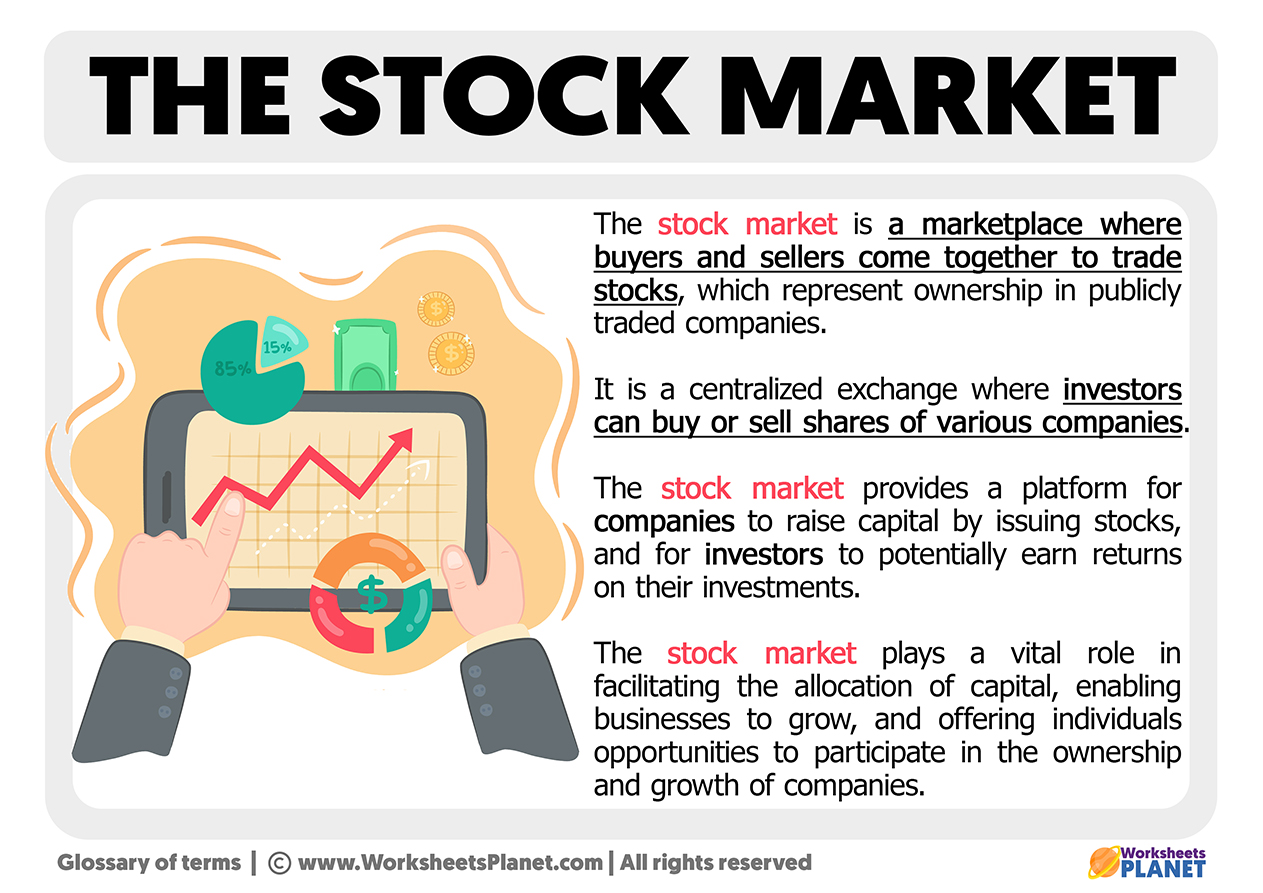
At its very essence, stock represents fractional ownership of a company. When you purchase stock, you are buying a small sliver of that business, making you a shareholder. This seemingly simple concept underpins the entire equity market and has profound implications for both the issuing company and the individual investor.
Defining a Share: A Slice of Ownership
Imagine a large cake that represents an entire company. When a company decides to “go public” or issue equity, it effectively slices that cake into many small, identical pieces. Each of these pieces is called a “share” of stock. Owning a share means you own a proportionate slice of the company’s assets and earnings, and potentially, a say in its future direction. The more shares you own, the larger your slice of the company. This ownership comes with certain rights and responsibilities, which vary depending on the type of stock held. For instance, common stockholders typically have voting rights, allowing them to influence corporate governance by electing directors and weighing in on major corporate decisions. Preferred stockholders, while often lacking voting rights, usually have other advantages, such as priority in receiving dividends.
Why Companies Issue Stock: Raising Capital
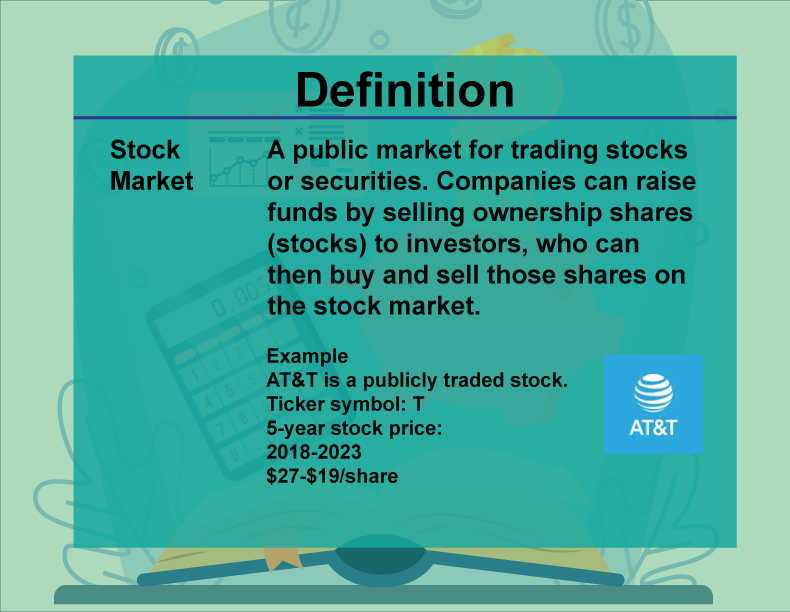
The primary reason companies issue stock is to raise capital. Businesses require funds to grow, invest in new projects, expand operations, research and develop new products, or pay down debt. There are several ways to secure capital, such as taking out loans (debt financing) or using retained earnings. However, issuing stock (equity financing) offers a distinct advantage: it provides capital without incurring debt that needs to be repaid with interest. When a company sells shares to the public for the first time, it’s known as an Initial Public Offering (IPO). This infusion of capital from investors allows the company to pursue its strategic objectives, potentially leading to increased profitability and market value. For investors, participating in an IPO or buying shares on the open market offers the opportunity to share in the company’s future success.
The Dual Nature of Stock: Equity and Risk
Stock embodies a dual nature: it represents both equity and risk. As equity, it signifies a claim on a company’s assets and future earnings. If the company performs well, its value increases, and so does the value of its stock. This appreciation in value, along with potential dividend payments (a portion of profits distributed to shareholders), constitutes the primary return for investors. However, stock also inherently carries risk. Unlike a bond, which promises a fixed return and the return of principal, stock offers no such guarantees. The value of a stock can fluctuate dramatically based on market conditions, industry trends, company performance, and broader economic factors. If a company underperforms or faces financial distress, its stock price can fall, leading to losses for shareholders. In the worst-case scenario, if a company goes bankrupt, stockholders are typically the last to be paid after all creditors have been satisfied, meaning they could lose their entire investment. This inherent risk is the trade-off for the potential for higher returns compared to less volatile assets.
Types of Stock: Understanding Your Options
While the basic concept of stock as fractional ownership remains consistent, the financial markets offer various types of stock, each with unique characteristics that appeal to different investor objectives and risk tolerances. Understanding these distinctions is crucial for building a well-rounded and effective investment portfolio.
Common Stock: Voting Rights and Volatility
Common stock is the most prevalent type of stock and what most people refer to when they talk about “stocks.” Holders of common stock typically possess voting rights, allowing them to participate in corporate governance. This usually means one vote per share, enabling shareholders to elect the board of directors and vote on major company policies, such as mergers, acquisitions, and executive compensation. This democratic aspect gives common shareholders a direct stake in the company’s strategic direction.
However, common stock also comes with the highest degree of volatility. Its value is directly influenced by the company’s performance, industry trends, and overall market sentiment. While common stockholders have the potential for significant capital appreciation if the company thrives, they also face the risk of substantial losses if the company falters. In the event of bankruptcy, common stockholders are at the bottom of the repayment hierarchy, meaning creditors and preferred stockholders are paid first. Despite this, common stock is favored by many investors seeking long-term growth and capital gains, as its potential for returns is generally higher than other forms of equity.
Preferred Stock: Fixed Dividends and Priority
Preferred stock offers a different set of features designed to appeal to investors seeking stability and regular income. The most distinguishing characteristic of preferred stock is its typically fixed dividend payment, which must be paid out before common stockholders receive any dividends. These dividends are often paid quarterly and are a percentage of the stock’s par value, making them more akin to bond interest payments than common stock dividends, which can fluctuate or be suspended.
Another significant advantage for preferred stockholders is their priority in receiving payments. In the event of a company’s liquidation or bankruptcy, preferred stockholders have a claim on the company’s assets before common stockholders, though still after creditors. This senior claim reduces their risk compared to common shareholders. However, this stability often comes at the cost of voting rights, which preferred shareholders typically do not possess. Additionally, preferred stock usually has less potential for capital appreciation compared to common stock because its value is less tied to the company’s explosive growth and more to its ability to make fixed dividend payments. Preferred stock can also be callable, meaning the issuing company can repurchase the shares at a specified price after a certain date, which can limit an investor’s upside potential.
Other Categories: Growth vs. Value, Income, Blue-Chip
Beyond the common and preferred dichotomy, stocks can be categorized in various ways based on their characteristics and the companies they represent:
- Growth Stocks: These are typically issued by companies expected to grow at an above-average rate compared to other companies in the market. They often reinvest earnings back into the business rather than paying dividends, aiming for significant capital appreciation. Tech companies and startups often fall into this category.
- Value Stocks: These stocks are often seen as undervalued by the market, trading at a lower price relative to their intrinsic worth or fundamentals (e.g., earnings, assets). Value investors seek to buy these stocks when they are out of favor and hold them until the market recognizes their true value.
- Income Stocks: These are stocks that regularly pay higher-than-average dividends, making them attractive to investors seeking a steady stream of income. Utility companies, real estate investment trusts (REITs), and mature companies with stable earnings often qualify as income stocks.
- Blue-Chip Stocks: These are shares of large, well-established, and financially sound companies with a long track of consistent earnings and stable growth. They are generally considered less risky investments, offering reliability and often paying dividends, making them a staple for conservative portfolios. Examples include companies like Coca-Cola, Microsoft, or Johnson & Johnson.
- Cyclical Stocks: These stocks are heavily influenced by the overall economic cycle, performing well during economic expansion and poorly during contractions (e.g., auto manufacturers, airlines).
- Defensive Stocks: These stocks tend to perform relatively consistently regardless of the economic cycle, as they represent companies providing essential goods and services (e.g., consumer staples, healthcare).
Each type of stock serves a different purpose within an investment strategy, and a diversified portfolio often includes a mix of these to balance risk and reward according to individual financial goals.
How Stocks Are Traded: Markets and Mechanisms
The journey of a stock from a company’s issuance to an investor’s portfolio involves a sophisticated ecosystem of markets and intermediaries. Understanding these mechanisms is key to comprehending how stock prices are determined and how investors interact with the financial system.
Primary vs. Secondary Markets: Issuance and Exchange
The trading of stocks occurs in two distinct but interconnected markets: the primary market and the secondary market.
The primary market is where new securities are issued for the first time. This is where companies raise capital directly from investors by selling new shares. The most well-known example is an Initial Public Offering (IPO), where a private company sells its shares to the public for the first time. Other primary market transactions include subsequent public offerings (SPOs) or rights issues, where a company issues new shares to existing shareholders. In these transactions, the money from the sale of shares goes directly to the issuing company, providing it with the capital it needs. Investment banks often act as underwriters in the primary market, facilitating the issuance process and selling the shares to investors.
The secondary market, conversely, is where existing securities are traded among investors. Once shares have been issued in the primary market, they can then be bought and sold repeatedly between investors without any direct involvement from the issuing company. The company does not receive any proceeds from secondary market transactions; the money changes hands between the buyer and the seller. The vast majority of daily stock trading activity takes place in the secondary market. This market provides liquidity for investors, meaning they can easily buy or sell their shares, converting them into cash when needed. Without a robust secondary market, investors would be reluctant to buy shares in the primary market, as they would have no easy way to sell them later.
Stock Exchanges: The Hubs of Trading
Stock exchanges are centralized marketplaces where buyers and sellers meet to trade stocks and other securities. They provide the infrastructure and regulatory framework for transparent and efficient trading. Globally, there are numerous major stock exchanges, each with its own listing requirements and trading rules.
The New York Stock Exchange (NYSE) is one of the oldest and largest stock exchanges in the world, known for its traditional auction-based system where designated market makers facilitate trades on a physical trading floor. Many large, established companies are listed on the NYSE.
The NASDAQ (National Association of Securities Dealers Automated Quotations), on the other hand, is a fully electronic exchange, pioneering screen-based trading. It is particularly known for listing technology and growth companies. Other prominent exchanges include the London Stock Exchange (LSE), Tokyo Stock Exchange (TSE), Shanghai Stock Exchange (SSE), and Euronext, among others.
These exchanges serve multiple crucial functions: they provide a platform for price discovery, ensuring that the price of a stock reflects supply and demand; they ensure transparency by publishing trading data; and they enforce rules to maintain fair and orderly markets.
The Role of Brokers: Facilitating Transactions
Individual investors typically do not trade directly on stock exchanges. Instead, they rely on brokers or brokerage firms to execute trades on their behalf. A broker is a licensed financial professional or firm that acts as an intermediary between investors and the stock exchange.
When an investor decides to buy or sell a stock, they place an order with their broker. The broker then transmits this order to the relevant stock exchange for execution. Brokers provide access to trading platforms, research tools, and sometimes financial advice. In exchange for these services, they typically charge commissions or fees on trades.
The advent of online discount brokers and commission-free trading has significantly lowered the barrier to entry for individual investors, making it easier and more affordable to participate in the stock market. However, even with these platforms, the underlying mechanism still involves a broker facilitating the transaction with the exchange.
Valuing Stocks: What Makes a Share Worthwhile?
Determining the “worth” of a stock is a complex endeavor that occupies analysts, investors, and academics alike. Unlike a fixed asset with a clear purchase price, a stock’s value is dynamic, influenced by a myriad of factors both intrinsic to the company and external to its operations. Investors employ various methodologies to gauge whether a stock is overvalued, undervalued, or fairly priced.
Fundamental Analysis: Peering into Company Health
Fundamental analysis is a methodology used to evaluate a security’s intrinsic value by examining related economic, industry, and company-specific factors. The core idea is that a company’s stock price should ultimately reflect its underlying business health and future earnings potential.
Analysts conducting fundamental analysis delve deeply into a company’s financial statements, including:
- Balance Sheet: To assess assets, liabilities, and equity, giving a snapshot of the company’s financial position.
- Income Statement: To understand revenues, expenses, and profitability over a period.
- Cash Flow Statement: To track how cash is generated and used by the company.
Key metrics and ratios derived from these statements are critical:
- Earnings Per Share (EPS): A company’s profit allocated to each outstanding share of common stock.
- Price-to-Earnings (P/E) Ratio: Compares a company’s current share price to its EPS, indicating how much investors are willing to pay for each dollar of earnings.
- Debt-to-Equity Ratio: Measures a company’s financial leverage, indicating the proportion of equity and debt used to finance assets.
- Return on Equity (ROE): Measures a company’s profitability in relation to the equity invested by shareholders.
Beyond financial numbers, fundamental analysis also considers qualitative factors such as the strength of the company’s management team, its competitive advantages (e.g., patents, brand recognition), industry outlook, regulatory environment, and macroeconomic conditions. The goal is to arrive at an estimated “intrinsic value” for the stock, which can then be compared to its current market price to determine if it’s a good investment.
Technical Analysis: Charting Past Trends
In contrast to fundamental analysis, technical analysis focuses on past market data, primarily price and volume, to predict future price movements. Technical analysts believe that all known fundamental information is already reflected in the stock’s price, and that prices move in trends and patterns that tend to repeat over time.
Instead of looking at a company’s financials, technical analysts study charts to identify trends, support and resistance levels, and various patterns (e.g., head and shoulders, double tops/bottoms). They use a wide array of indicators, such as:
- Moving Averages: To smooth out price data and identify trend direction.
- Relative Strength Index (RSI): To gauge momentum and identify overbought or oversold conditions.
- Bollinger Bands: To measure volatility and potential price extremes.
Technical analysis is often used for short-term trading decisions, as it helps identify entry and exit points for trades based on perceived market psychology and momentum. While it doesn’t aim to determine a stock’s intrinsic value, it can be a valuable tool for understanding market dynamics and potential short-term price behavior.
Market Sentiment and External Factors
Beyond rigorous analytical methods, a stock’s valuation is heavily influenced by less quantifiable factors like market sentiment and broader external factors.
Market sentiment refers to the overall attitude of investors towards a particular stock or the market as a whole. It’s driven by emotions like fear, greed, optimism, and pessimism. Positive sentiment (bullish) can drive prices up beyond what fundamentals might suggest, while negative sentiment (bearish) can cause prices to fall, even for fundamentally sound companies. News events, analyst ratings, social media trends, and even general economic confidence can all sway market sentiment.
External factors encompass a wide range of macroeconomic, geopolitical, and industry-specific elements:
- Economic Conditions: Interest rates, inflation, GDP growth, and employment figures all impact corporate earnings and investor willingness to take risks.
- Geopolitical Events: Wars, trade disputes, and political instability can create uncertainty and impact global supply chains and consumer demand.
- Regulatory Changes: New laws or regulations can significantly affect specific industries or companies (e.g., environmental regulations, antitrust rulings).
- Technological Disruptions: Breakthroughs or obsolescence of technologies can rapidly shift competitive landscapes.
- Commodity Prices: For companies reliant on raw materials or energy, fluctuations in commodity prices can directly impact profitability.
These factors can sometimes overshadow even the strongest fundamental analysis or the clearest technical patterns, making stock valuation a constantly evolving challenge rather than a static calculation. A comprehensive approach to investing often involves considering aspects of both fundamental and technical analysis, while remaining acutely aware of the broader market and economic context.
Investing in Stocks: Strategies and Considerations
Investing in stocks offers a powerful avenue for wealth creation and financial growth, but it requires a thoughtful approach. It’s not simply about picking winning companies; it’s about understanding your financial goals, risk tolerance, and the strategies best suited to achieving them.
Long-Term Growth vs. Short-Term Trading
One of the first distinctions an investor must make is between long-term growth investing and short-term trading.
Long-term growth investing, often associated with strategies like “buy and hold,” involves purchasing stocks with the intention of holding them for several years, even decades. The primary goal is to benefit from the compounding returns of capital appreciation and, potentially, growing dividends over time. Long-term investors typically focus on companies with strong fundamentals, sustainable competitive advantages, and robust growth prospects. They are less concerned with daily price fluctuations and more focused on the company’s long-term trajectory. This strategy generally involves lower transaction costs and can be more tax-efficient due to long-term capital gains tax rates. It also requires patience and a belief in the market’s historical tendency to rise over extended periods.
Short-term trading, on the other hand, involves frequent buying and selling of stocks, sometimes within the same day (day trading) or over a few weeks or months. Traders aim to profit from small, rapid price movements. This strategy often relies heavily on technical analysis, market sentiment, and identifying quick trends. Short-term trading is significantly riskier, more time-consuming, and can incur higher transaction costs. It demands constant market monitoring, quick decision-making, and a high tolerance for risk. While the potential for quick profits exists, so does the potential for rapid and substantial losses. It is generally not recommended for novice investors or those who cannot afford significant capital risk.
Diversification: Spreading the Risk
Diversification is perhaps the most fundamental principle of prudent investing. It means spreading your investments across various assets, industries, and geographies to reduce risk. The adage “Don’t put all your eggs in one basket” perfectly encapsulates this concept.
If you invest all your capital in a single stock, your entire portfolio’s performance hinges on that one company. Should that company face unexpected challenges or even bankruptcy, your entire investment could be jeopardized. By diversifying, you mitigate this specific risk. If one investment underperforms, the others in your portfolio might perform well, cushioning the impact on your overall returns.
Diversification can be achieved in several ways:
- Across Industries: Investing in companies from different sectors (e.g., technology, healthcare, finance, consumer goods).
- Across Company Sizes: Including small-cap, mid-cap, and large-cap stocks.
- Across Geographies: Investing in domestic and international markets.
- Across Asset Classes: While this article focuses on stocks, a truly diversified portfolio often includes other asset classes like bonds, real estate, and commodities to further reduce overall portfolio volatility.
Exchange-Traded Funds (ETFs) and mutual funds are popular tools for diversification, as they allow investors to gain exposure to a broad basket of stocks with a single investment.
Understanding Risk and Reward: Volatility and Potential Returns
Every investment carries a degree of risk and reward. In the stock market, generally, higher potential returns are associated with higher risk.
Risk in stock investing primarily refers to the potential for losing some or all of your invested capital. It also encompasses volatility, which is the degree of variation in a stock’s price over time. Highly volatile stocks can experience rapid and significant price swings, offering both opportunities for quick gains and increased potential for losses. Factors contributing to risk include company-specific issues, industry downturns, economic recessions, and geopolitical instability.
Reward in stock investing comes in two primary forms:
- Capital Appreciation: The increase in the stock’s price from your purchase price.
- Dividends: A portion of a company’s profits distributed to shareholders.
Understanding your personal risk tolerance is paramount. Can you stomach significant temporary losses without panicking and selling? Or do you prefer more stable, albeit potentially lower-return, investments? Your age, financial obligations, and overall financial goals should guide your risk assessment. Younger investors with a longer time horizon often have a higher risk tolerance, as they have more time to recover from market downturns.
Getting Started: From Research to Execution
For those ready to venture into stock investing, the process typically involves several steps:
- Define Your Goals and Risk Tolerance: Determine what you want to achieve (e.g., retirement, down payment) and how much risk you’re comfortable with.
- Educate Yourself: Continuously learn about investing principles, market dynamics, and specific companies or industries.
- Open a Brokerage Account: Choose a reputable online broker that aligns with your needs regarding fees, platform features, and research tools.
- Fund Your Account: Transfer money into your brokerage account.
- Conduct Research: Use fundamental and/or technical analysis to identify potential investments. Look at company financials, news, analyst reports, and industry trends.
- Place Orders: Use your brokerage platform to buy or sell shares. Understand different order types (market order, limit order) and when to use them.
- Monitor and Review: Regularly review your portfolio’s performance and make adjustments as needed based on your goals and market conditions. Avoid emotional decisions and stick to your long-term plan.
Investing in stocks is a journey that combines research, discipline, and a degree of patience. By understanding the underlying principles and making informed decisions, individuals can effectively harness the power of the stock market to build and secure their financial future.
Conclusion: The Enduring Role of Stocks in Wealth Creation
The concept of “stock” transcends a mere financial instrument; it represents a fundamental mechanism for economic growth and individual wealth creation. From providing crucial capital for businesses to expand and innovate, to offering ordinary individuals a tangible stake in the success of the world’s most dynamic companies, stocks play an indispensable role in the global economy.
By understanding the basic definition of a share, the reasons companies issue them, the distinctions between common and preferred stocks, and the intricate dance of primary and secondary markets, investors can approach the stock market with greater confidence and clarity. The methodologies of fundamental and technical analysis, alongside an awareness of broader market sentiment, equip individuals with the tools to make informed decisions about valuation.
Ultimately, successful stock investing is a journey of continuous learning, strategic planning, and disciplined execution. It demands an appreciation for diversification, a realistic assessment of risk and reward, and a commitment to long-term financial goals. In a world constantly seeking avenues for prosperity, the meaning of stock remains profoundly significant: it is a gateway to shared ownership, a catalyst for progress, and a powerful engine for building lasting wealth.
aViewFromTheCave is a participant in the Amazon Services LLC Associates Program, an affiliate advertising program designed to provide a means for sites to earn advertising fees by advertising and linking to Amazon.com. Amazon, the Amazon logo, AmazonSupply, and the AmazonSupply logo are trademarks of Amazon.com, Inc. or its affiliates. As an Amazon Associate we earn affiliate commissions from qualifying purchases.