
The Dow Jones Industrial Average (DJIA) stands as one of the most recognizable and frequently quoted stock market indices globally. For decades, it has served as a critical barometer for the health of the U.S. economy and the broader market sentiment, capturing the public imagination with its daily fluctuations and, more notably, its march towards new all-time highs. Understanding “what is the highest for Dow Jones” isn’t merely about pinpointing a specific numerical peak on a given day; it’s about delving into the underlying economic forces, corporate performance, and investor psychology that propel this venerable index to unprecedented levels. Each new record high signifies a confluence of factors, reflecting periods of robust economic growth, technological innovation, corporate profitability, and often, an optimistic outlook for the future. For investors, economists, and the general public alike, these record highs spark both excitement and analytical scrutiny, prompting questions about sustainability, market valuations, and the road ahead.
Understanding the Dow Jones Industrial Average (DJIA)
To fully appreciate the significance of the Dow’s record highs, it’s essential to understand what the index truly represents and how it functions within the intricate tapestry of financial markets. The DJIA is more than just a number; it’s a historical artifact and a powerful indicator.
A Brief History and Composition
The Dow Jones Industrial Average was created in 1896 by Charles Dow and Edward Jones, pioneers of financial journalism. Initially comprising 12 prominent American industrial companies, it was designed to provide a snapshot of the U.S. stock market’s performance. Over the century, its composition has evolved significantly, reflecting the changing landscape of American industry. Today, the DJIA consists of 30 large, publicly owned U.S. companies chosen to represent broad sectors of the economy. Unlike market-capitalization-weighted indices such as the S&P 500, the Dow is a price-weighted index. This means that stocks with higher share prices have a greater impact on the index’s value than those with lower share prices, regardless of their total market capitalization. This unique weighting methodology often sparks debate among financial analysts, yet it hasn’t diminished the Dow’s pervasive influence and iconic status. Its constituent companies are diverse, ranging from tech giants like Apple and Microsoft to industrial stalwarts like Boeing and consumer brands like McDonald’s, aiming to provide a comprehensive cross-section of American corporate prowess.
Why the Dow Matters
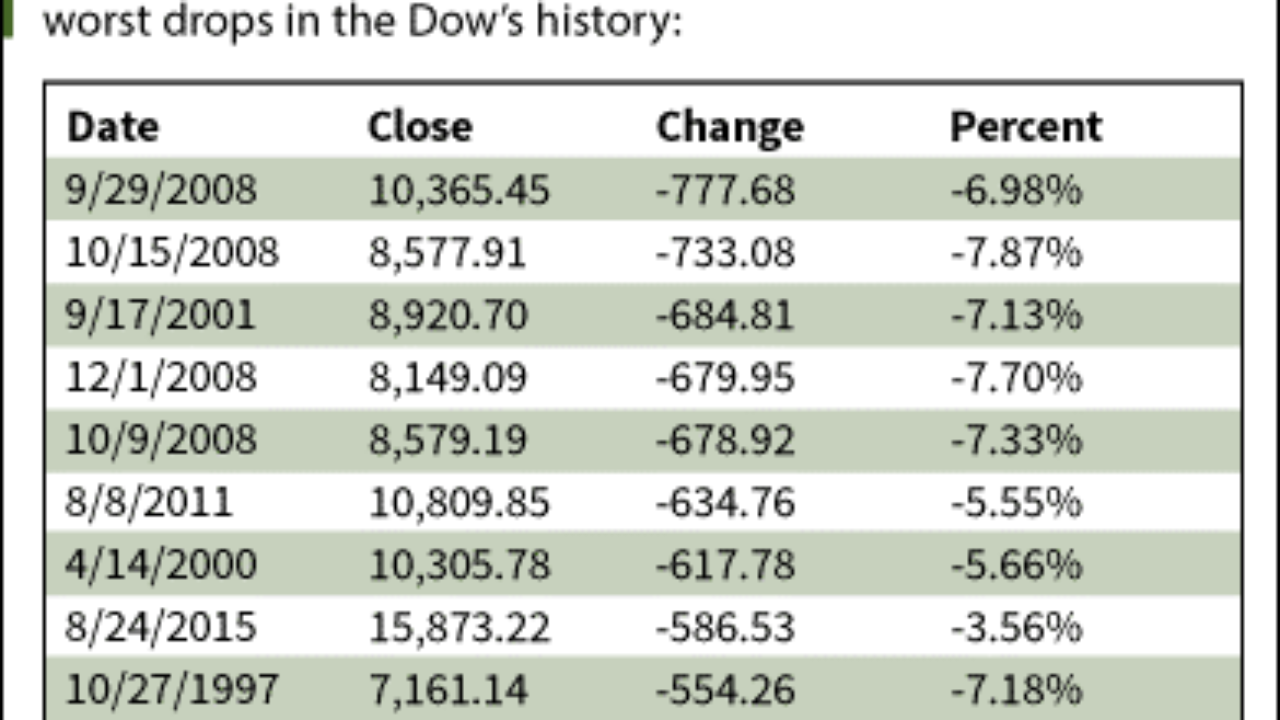
Despite its methodological quirks and the existence of other, arguably more representative indices, the Dow Jones Industrial Average remains profoundly important. Its long history lends it a certain gravitas, making it a familiar touchstone for investors and the public alike when discussing market performance. For many, a rising Dow signals a healthy economy, strong corporate earnings, and a favorable environment for investment and job creation. Conversely, significant drops often trigger concerns about economic recession or market instability. It acts as a primary gauge of investor sentiment, with its movements widely reported across all forms of media. While critics point to its limited number of companies and price-weighting as drawbacks, arguing it doesn’t fully capture the breadth of the market, its role as a headline indicator and a psychological benchmark is undeniable. Businesses, policymakers, and individual investors often look to the Dow’s trajectory as a quick, albeit simplified, indicator of the nation’s financial pulse. Its highs and lows are not just numbers; they are narratives of economic booms, busts, and recoveries, shaping perceptions and influencing decisions.
The Journey to All-Time Highs: A Historical Perspective
The Dow’s ascent to its highest points is not a linear climb but a complex journey marked by periods of robust growth, sharp corrections, and resilient recoveries. Each record high is a testament to the market’s enduring ability to adapt and expand.
Notable Milestones and Market Drivers
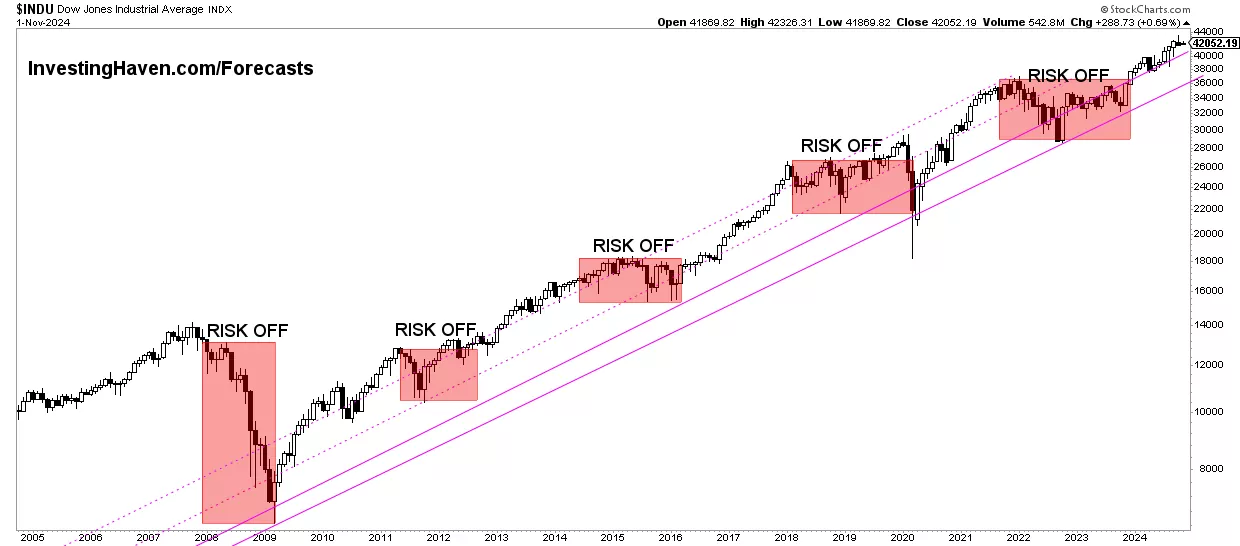
The Dow’s history is punctuated by numerous milestones, with each new peak signifying significant economic or technological shifts. For instance, the post-World War II economic boom fueled steady gains, reflecting America’s industrial might. The late 1990s witnessed the dot-com bubble, which briefly propelled the Dow to new highs before a subsequent bust. A more recent and pronounced period of sustained growth followed the 2008 financial crisis. Propelled by unprecedented monetary stimulus, corporate deleveraging, and a gradual recovery in consumer confidence, the Dow embarked on one of its longest bull markets. This era saw the index repeatedly shatter previous records, driven by strong corporate earnings, technological advancements, and low interest rates that made equities more attractive. Similarly, following the initial shock of the COVID-19 pandemic in early 2020, massive fiscal stimulus, accommodative monetary policies, and rapid vaccine development spurred a remarkable recovery, propelling the Dow to new historical peaks at an accelerated pace. These milestones underscore that market highs are rarely accidental; they are often the culmination of specific economic forces and policy decisions.
Economic Factors Fueling Growth
Several macroeconomic factors consistently contribute to the Dow’s upward trajectory towards record highs. Paramount among these are strong corporate earnings. When the 30 companies within the DJIA report robust profits and positive outlooks, it signals health across broad economic sectors, translating into higher stock valuations. Low interest rates, typically set by the Federal Reserve, also play a crucial role. Lower rates reduce borrowing costs for companies, encouraging investment and expansion, and simultaneously make fixed-income investments less appealing, driving investors towards equities in search of higher returns. Technological innovation is another significant driver, as companies at the forefront of new technologies—many of which are Dow constituents—experience rapid growth and contribute disproportionately to the index’s gains. Furthermore, a confident consumer base, spending freely, boosts corporate revenues. Lastly, favorable government policies, such as tax cuts, deregulation, or infrastructure spending, can provide substantial tailwinds for corporate profitability and economic expansion, all of which ultimately reflect in the Dow’s performance. The synergy of these factors often creates the perfect environment for the index to scale new heights.
Analyzing the Mechanics Behind Record Valuations
Understanding the Dow’s record highs requires a deeper dive into the specific economic and policy mechanics that influence market valuations. It’s a complex interplay of micro and macro forces, constantly shifting and rebalancing.
The Role of Earnings and Valuations
At its core, the value of a stock, and by extension a stock index like the Dow, is fundamentally tied to the earnings power of its constituent companies. When companies consistently generate strong profits, demonstrate robust revenue growth, and issue optimistic guidance for future performance, their stock prices tend to rise. Investors are willing to pay more for shares in profitable and growing enterprises. This relationship is often expressed through valuation metrics like the Price-to-Earnings (P/E) ratio. When the Dow reaches new highs, it often reflects either an increase in aggregate corporate earnings or an expansion in P/E multiples, meaning investors are willing to pay a higher price per dollar of earnings, perhaps due to optimism about future growth or a lack of attractive alternatives. Sustained high valuations, however, can also raise concerns about market “overheating” or potential asset bubbles, especially if earnings growth doesn’t justify the elevated prices. Analysts constantly scrutinize these metrics to assess whether the market’s record highs are fundamentally supported or largely driven by speculative fervor.
Monetary and Fiscal Policy Impacts

Government policies wield immense power over financial markets. Monetary policy, orchestrated by central banks like the U.S. Federal Reserve, directly influences the cost and availability of money. When the Fed implements accommodative policies, such as lowering interest rates or engaging in quantitative easing (buying bonds to inject liquidity), it makes borrowing cheaper for businesses and consumers, stimulating economic activity. These actions also tend to push investors into riskier assets like stocks, as safer investments offer lower returns, thus contributing to rising stock prices and often new Dow highs. Conversely, tightening monetary policy (raising rates, quantitative tightening) can slow economic growth and dampen market enthusiasm. Fiscal policy, managed by the government through taxation and spending, also has a profound impact. Tax cuts for corporations can significantly boost their after-tax profits, directly increasing earnings per share and driving stock valuations higher. Government spending on infrastructure or social programs can inject demand into the economy, benefiting various industries. Both monetary and fiscal policies, when aligned with growth objectives, are powerful engines for propelling the Dow to record valuations.
Global Events and Market Dynamics
The Dow Jones Industrial Average, while reflecting the U.S. economy, does not operate in a vacuum. Global events and international market dynamics play an increasingly crucial role in its performance, particularly as many Dow companies have significant international operations and revenue streams. Geopolitical stability, or the lack thereof, can dramatically influence investor confidence. For instance, trade disputes, international conflicts, or shifts in global alliances can introduce uncertainty, impacting supply chains, corporate profits, and investor sentiment. Conversely, periods of geopolitical calm and cooperative international relations tend to foster greater investment and cross-border trade, supporting market growth. The health of major international economies, such as China or the Eurozone, also affects the Dow, as downturns in these regions can reduce demand for U.S. exports or impact the earnings of multinational corporations. Currency fluctuations, commodity price movements (like oil), and even global health crises can also ripple through financial markets, either bolstering or challenging the Dow’s ascent to record levels. The interconnectedness of today’s global economy means that the Dow’s highest points are often influenced by a complex web of domestic and international factors.
Implications for Investors and the Broader Economy
The Dow’s journey to record highs carries significant implications, not just for the portfolio statements of investors, but for the fundamental health and future outlook of the broader economy. These peaks represent both opportunities and potential challenges.
What Highs Mean for Individual Investors
For individual investors, record Dow highs can evoke a mixed bag of emotions. For those who have been invested for the long term, these peaks often translate into substantial portfolio growth and a sense of financial well-being. It can validate their investment strategies and encourage continued participation in the market. However, market highs can also present psychological challenges. New investors might experience “fear of missing out” (FOMO), tempting them to invest aggressively at elevated prices, potentially exposing them to greater risk if a correction occurs. Conversely, some long-term investors might become overly cautious, choosing to take profits or move to cash, potentially missing out on further gains. The danger of chasing highs or investing based on emotion is that market corrections inevitably follow periods of significant growth. For the prudent investor, record highs reinforce the importance of having a well-diversified portfolio, sticking to a long-term investment plan, and avoiding reactive decisions based solely on the market’s current trajectory. It’s a reminder that past performance is not indicative of future results, and even at the highest points, a balanced approach is key.
Economic Indicators and Future Outlook
Beyond individual portfolios, the Dow’s record highs serve as a vital economic indicator. A surging Dow often reflects strong corporate earnings, robust consumer spending, and healthy business investment—all hallmarks of a thriving economy. High market valuations can create a “wealth effect,” where individuals feel richer due to their appreciating investments, potentially leading to increased consumer spending, which in turn fuels further economic growth. Companies, seeing their market capitalizations rise and confidence abound, may be more inclined to invest in expansion, hiring more employees and driving innovation. This positive feedback loop can contribute to a virtuous cycle of economic prosperity. However, consistently high valuations also prompt economists and analysts to scrutinize the sustainability of the growth. They examine underlying economic data—GDP growth, inflation rates, unemployment figures—to determine if the market’s optimism is fundamentally justified or if it is running ahead of economic reality. The future outlook often depends on whether these fundamental indicators can catch up to, or continue to support, the market’s elevated levels.
The Debate: Is the Market Overvalued?
Whenever the Dow Jones Industrial Average reaches new all-time highs, a vigorous debate invariably ensues among financial experts: is the market overvalued? This is a critical question with significant implications for future investment strategies. Proponents of continued growth often point to strong corporate earnings, low interest rates making equity valuations relatively attractive compared to bonds, and the transformative power of technological advancements driving productivity. They might argue that “this time is different,” citing unique economic conditions or structural shifts in the market. Conversely, those who caution against overvaluation typically highlight elevated P/E ratios relative to historical averages, concerns about inflation eroding purchasing power, and potential economic headwinds like rising interest rates or geopolitical instability. They may warn of an impending “bubble” and the inevitability of a market correction or even a bear market. This debate is central to market psychology at peak times, influencing whether capital continues to flow into equities or shifts towards safer assets. For investors, understanding both sides of this argument is crucial for making informed decisions and managing risk effectively during periods of record market performance.
Navigating the Market’s Peaks and Valleys
The financial markets are inherently cyclical, characterized by periods of growth (peaks) and contraction (valleys). For investors aiming for long-term financial success, understanding how to navigate these fluctuations, particularly when the Dow is at its highest, is paramount.
Strategies for Long-Term Growth
While the allure of quick gains during bull markets can be tempting, disciplined, long-term strategies remain the bedrock of successful investing. One such strategy is dollar-cost averaging, where an investor commits to investing a fixed amount of money at regular intervals, regardless of market highs or lows. This approach reduces the risk of buying all shares at a market peak and helps average out the purchase price over time. Another powerful strategy is dividend reinvestment, where dividends received from investments are automatically used to purchase more shares of the same stock or fund. This compound interest effect can significantly accelerate portfolio growth, especially over many years, allowing investors to benefit from the market’s natural upward bias even during periods of volatility. Furthermore, maintaining a disciplined investment plan, sticking to predetermined asset allocations, and avoiding emotional reactions to daily market news are critical for harnessing the market’s long-term growth potential and weathering its inevitable downturns.
Risk Management and Diversification
Even when the Dow is soaring to new heights, effective risk management is crucial. The higher the market climbs, the greater the potential for a subsequent correction. Diversification is the cornerstone of risk management. This involves spreading investments across various asset classes (stocks, bonds, real estate, commodities), different industries, geographic regions, and company sizes. A diversified portfolio helps protect against the underperformance of any single asset or sector, reducing overall portfolio volatility. For example, if tech stocks are driving the Dow to new highs, a diversified investor would also have exposure to healthcare, financials, or consumer staples, which might behave differently during a downturn. Asset allocation, the process of deciding how to divide investments among different asset categories, should be tailored to an individual’s risk tolerance, financial goals, and time horizon. Rebalancing the portfolio periodically to maintain the desired allocation is also essential, ensuring that gains in one area don’t lead to an overconcentration of risk.
Staying Informed and Adaptive
The financial landscape is dynamic, and what drives the Dow to its highest point today might not be the same factors that sustain it tomorrow. Therefore, staying informed about macroeconomic trends, geopolitical developments, technological advancements, and shifts in corporate performance is vital for investors. This doesn’t mean reacting to every news headline, but rather understanding the broader forces at play. An adaptive investment approach involves regularly reviewing one’s portfolio, assessing its alignment with current market conditions and personal goals, and being prepared to make adjustments if fundamental changes warrant them. This might mean re-evaluating the weighting of certain sectors, exploring new investment opportunities, or adjusting risk levels. While the Dow’s record highs are exciting indicators of wealth creation, the savvy investor understands that they are merely points in a continuous cycle. The ability to learn from the past, analyze the present, and strategically plan for the future, while remaining grounded in sound financial principles, is the ultimate key to sustained success in navigating the complex world of finance.
aViewFromTheCave is a participant in the Amazon Services LLC Associates Program, an affiliate advertising program designed to provide a means for sites to earn advertising fees by advertising and linking to Amazon.com. Amazon, the Amazon logo, AmazonSupply, and the AmazonSupply logo are trademarks of Amazon.com, Inc. or its affiliates. As an Amazon Associate we earn affiliate commissions from qualifying purchases.