
In the vast and often complex world of finance, few terms are as ubiquitous and yet as frequently misunderstood as “stocks.” For many, the stock market conjures images of flashing tickers, high-stakes trading floors, and abstract financial jargon. However, at its core, understanding what a stock truly represents is a fundamental step for anyone looking to build wealth, invest for the future, or simply comprehend the economic forces that shape our world. Far from being an exclusive domain for financial professionals, grasping the basics of stock ownership is an essential component of financial literacy, empowering individuals to make informed decisions about their money.
This article aims to demystify stocks, breaking down their essence, how they are traded, what drives their value, and the inherent opportunities and risks associated with them. Whether you’re a curious beginner, an aspiring investor, or simply seeking to solidify your financial knowledge, a clear understanding of stocks is your gateway to navigating the investment landscape with confidence and insight.
The Core Concept: Understanding What a Stock Represents
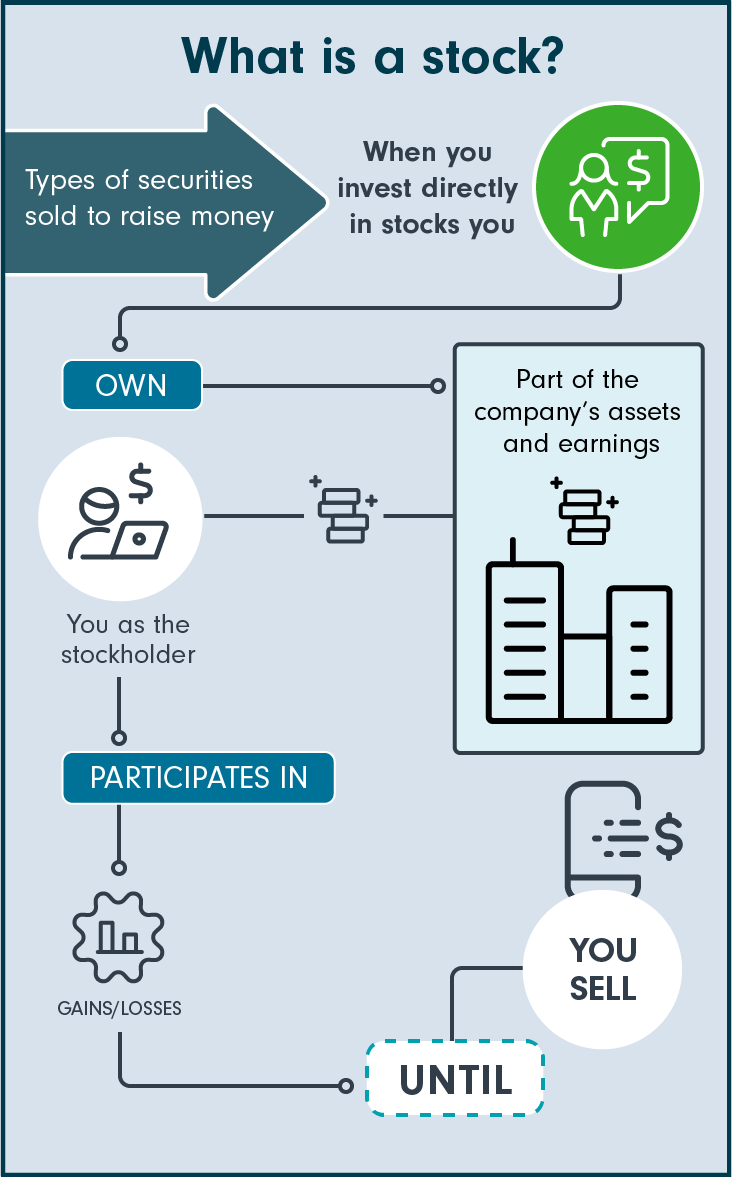
At its most fundamental level, a stock is much more than just a number on a screen; it represents a tangible piece of ownership in a company. When you purchase a stock, you become a shareholder, meaning you own a tiny fraction of that business, with all the rights and responsibilities that entail.
Shares of Ownership
Imagine a company as a pie. When a company wants to raise capital to expand, innovate, or cover operational costs, one common method is to divide that pie into many small, equal slices, which are called shares. Each share represents a proportionate claim on the company’s assets and earnings. So, if a company issues one million shares, and you own one thousand of them, you effectively own 0.1% of that company. This fractional ownership grants you a stake in the company’s future success or struggles.
The Company-Shareholder Relationship
This relationship is symbiotic. Companies benefit from access to capital, which they use to grow their operations without incurring debt. Shareholders, in turn, hope to profit from their investment in two primary ways: through capital appreciation (the stock price increasing over time) and, in many cases, through dividends (a portion of the company’s profits distributed to shareholders). As an owner, you also typically gain certain rights, such as voting on important corporate matters, like electing board members or approving mergers, especially if you hold common stock.
Why Companies Issue Stock
Companies issue stock for several strategic reasons, primarily to raise capital. This capital is crucial for funding various initiatives:
- Expansion: Opening new branches, entering new markets, or increasing production capacity.
- Research and Development: Investing in new products, services, or technologies.
- Debt Repayment: Reducing financial obligations and improving financial health.
- Acquisitions: Buying other companies to gain market share or new capabilities.
- Working Capital: Ensuring sufficient funds for day-to-day operations.
By issuing stock, companies bring in money without taking on loans that require regular interest payments, offering a flexible and often attractive financing option, particularly for growth-oriented businesses.
Types of Stocks and Their Characteristics
The world of stocks isn’t monolithic; various types of stocks cater to different investment goals and risk tolerances. Understanding these distinctions is crucial for building a diversified and effective portfolio.
Common Stock: The Voice of the Investor
Common stock is the most prevalent type of stock and what most people refer to when they talk about “stocks.” As a common stockholder, you have ownership equity in the company and typically receive voting rights – usually one vote per share owned – allowing you to influence corporate policy and management. However, common stockholders are at the bottom of the priority ladder when it comes to claims on the company’s assets and earnings. In the event of bankruptcy, common stockholders are paid only after bondholders, creditors, and preferred stockholders have been compensated. The upside, however, is significant: common stock offers the greatest potential for capital appreciation as the company grows and succeeds.
Preferred Stock: Stability and Priority
Preferred stock represents a hybrid between a common stock and a bond. Preferred stockholders usually do not have voting rights, but they have a higher claim on a company’s assets and earnings than common stockholders. This means they receive dividends before common stockholders, and in the event of liquidation, they are paid out before common stockholders. Preferred stock dividends are often fixed and regular, making them more predictable income streams, appealing to investors seeking steady income over high growth potential.
Growth vs. Value Stocks
Beyond their structural differences, stocks can also be categorized by their investment characteristics:
- Growth Stocks: These are stocks of companies that are expected to grow at an above-average rate compared to other companies in the market. They often reinvest most of their earnings back into the business, so they typically pay little to no dividends. Investors buy growth stocks hoping for significant capital appreciation. Examples often include companies in emerging industries or those with innovative technologies.
- Value Stocks: These are stocks of companies that are perceived to be trading below their intrinsic value. They often belong to mature industries, have strong balance sheets, and may pay consistent dividends. Investors buy value stocks believing the market has undervalued them and that their price will eventually rise to reflect their true worth.
Income Stocks vs. Blue-Chip Stocks
- Income Stocks: These are companies known for paying consistent, often high, dividends. They are typically mature companies with stable earnings that have less need to reinvest all their profits back into the business. Investors seeking regular income, such as retirees, often favor income stocks.
- Blue-Chip Stocks: These are stocks of large, well-established, and financially sound companies with a long history of reliable earnings and stable growth. They are often leaders in their respective industries and have proven track records through various economic cycles. Blue-chip stocks are generally considered less volatile and a safer long-term investment, though no investment is without risk.
How Stocks are Traded: The Market Mechanism
The process by which stocks are bought and sold is facilitated by sophisticated market mechanisms designed to ensure efficiency, transparency, and liquidity. Understanding these mechanisms is key to comprehending how stock prices are determined and how investors interact with the market.
Primary Markets: IPOs and Direct Offerings
When a company first decides to offer its shares to the public, it does so in the primary market. This is where new securities are issued for the first time. The most well-known method for this is an Initial Public Offering (IPO). In an IPO, a company sells its shares to institutional investors and the general public, converting from a private entity to a publicly traded one. This process is typically managed by investment banks, which underwrite the offering, help determine the initial share price, and facilitate the sale. Other primary market offerings include secondary offerings (when a company issues additional shares after its IPO) and direct listings (where a company lists its shares on an exchange without an underwriter).
Secondary Markets: Exchanges and OTC
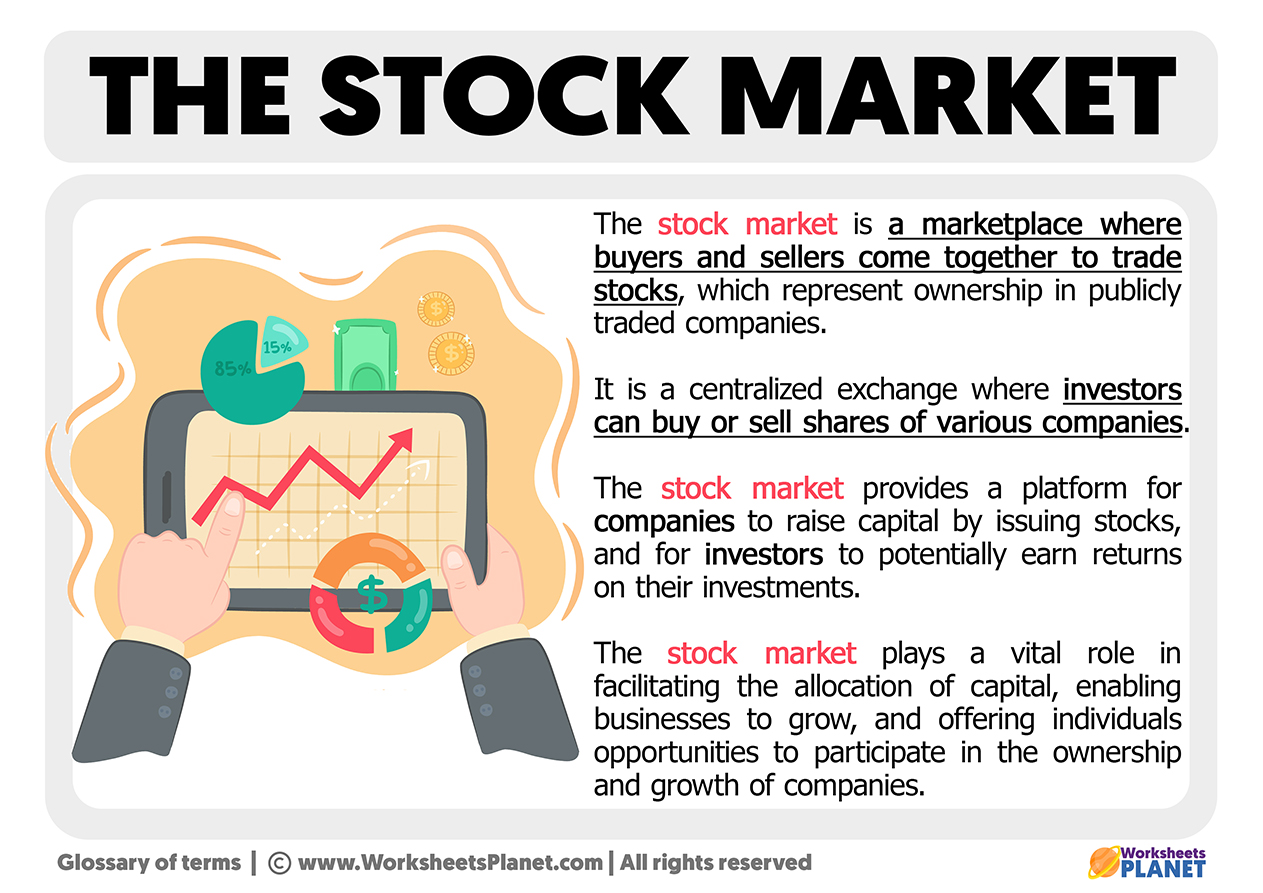
Once shares have been sold in the primary market, they are then traded among investors in the secondary market. This is the market most people refer to when they talk about the “stock market.” Secondary markets do not involve the issuing company directly but rather facilitate transactions between existing shareholders and new buyers.
- Stock Exchanges: These are centralized marketplaces where stocks are traded. Prominent examples include the New York Stock Exchange (NYSE) and the NASDAQ. Exchanges provide a regulated environment for buyers and sellers to meet, ensuring fair pricing and efficient execution of trades. They operate through complex electronic systems and, in some cases, physical trading floors.
- Over-the-Counter (OTC) Markets: For stocks that are not listed on major exchanges, trading occurs in the over-the-counter market. This is a decentralized market where brokers trade directly with each other over computer networks. OTC markets are often used for smaller companies, penny stocks, or certain types of bonds.
Brokers and Trading Platforms
Individual investors typically access the secondary market through brokers. A stockbroker is a licensed professional or firm that executes buy and sell orders on behalf of clients. In the digital age, online brokerage platforms have become the dominant way for retail investors to trade stocks. These platforms provide tools, research, and educational resources, allowing investors to place trades from their computers or mobile devices, often with low or zero commissions. Examples include Charles Schwab, Fidelity, Robinhood, and E*TRADE.
The Dynamics of Stock Value: What Drives Prices?
The price of a stock is not static; it constantly fluctuates based on a myriad of factors, reflecting the collective assessment of a company’s current and future prospects. Understanding these drivers is essential for any investor.
Supply and Demand: The Basic Economic Principle
At its most fundamental level, stock prices are governed by the classic economic principle of supply and demand. If more investors want to buy a particular stock than sell it (high demand, low supply), the price will rise. Conversely, if more investors want to sell a stock than buy it (low demand, high supply), the price will fall. This constant interplay of buying and selling pressure is reflected in every tick of the stock market.
Company Performance and Earnings
The most significant long-term driver of a stock’s value is the performance of the underlying company. Strong financial results, such as increasing revenues, growing profits, and positive earnings per share (EPS), typically lead to higher stock prices. Investors closely watch quarterly and annual earnings reports, looking for signs of robust financial health and future growth potential. Positive news about new products, successful ventures, or efficient management can also boost investor confidence and, consequently, stock prices.
Economic Factors and Market Sentiment
Broader economic conditions play a crucial role. A strong economy, characterized by low unemployment, rising GDP, and consumer confidence, often creates a favorable environment for corporate growth and stock market gains. Conversely, economic downturns, recessions, or periods of high inflation can suppress company earnings and lead to declining stock prices. Market sentiment, which is the overall attitude of investors towards a particular stock or the market as a whole, can also significantly influence prices. Optimism can lead to rallies, while fear or pessimism can trigger sell-offs, sometimes irrespective of a company’s actual performance.
Geopolitical Events and Industry Trends
External factors beyond a company’s direct control can also have a profound impact. Geopolitical events, such as wars, trade disputes, or political instability, can introduce uncertainty and volatility. Similarly, shifts in industry trends, technological disruptions, regulatory changes, or even natural disasters can significantly affect a company’s operations and, by extension, its stock price. For instance, a sudden shift in consumer preference towards electric vehicles could boost EV manufacturers while negatively impacting traditional carmakers.
The Benefits and Risks of Stock Investing
Investing in stocks offers unique opportunities for wealth creation but also carries inherent risks that investors must understand and manage. A balanced perspective on both is crucial for making informed decisions.
Potential for Capital Appreciation
One of the most attractive benefits of stock investing is the potential for capital appreciation. As a company grows, becomes more profitable, and its intrinsic value increases, its stock price tends to rise over time. This allows investors to sell their shares for more than they originally paid, generating a profit. Historically, the stock market has been one of the most effective long-term vehicles for wealth accumulation, outpacing inflation and other asset classes over extended periods.
Dividends: A Share of the Profits
Many companies distribute a portion of their profits to shareholders in the form of dividends. These payments, usually made quarterly, provide a regular income stream to investors. While not all companies pay dividends (especially growth-focused ones that reinvest all profits), those that do can offer a significant boost to an investor’s overall return, particularly for those seeking income in retirement or supplementing their capital gains.
Diversification and Portfolio Growth
Stocks can be a powerful component of a diversified investment portfolio. By investing in a range of companies across different industries, geographies, and market capitalizations, investors can mitigate risk. While individual stocks can be volatile, a well-diversified portfolio aims to smooth out returns, allowing the overall portfolio to grow steadily. Furthermore, stocks offer exposure to economic growth and innovation, which are critical for long-term wealth building.
Market Volatility and Risk of Loss
The primary risk of stock investing is market volatility and the potential for capital loss. Stock prices can fluctuate dramatically over short periods due to company-specific news, economic data, or investor sentiment. There is no guarantee that a stock’s price will go up; it can just as easily go down, meaning investors could sell their shares for less than they paid, resulting in a loss. Company-specific risks, such as poor management decisions, competitive pressures, or product failures, can also lead to significant declines in stock value.
Inflation and Economic Downturns
While stocks generally perform well against inflation over the long term, high inflation periods can erode the purchasing power of investment returns. Economic downturns or recessions can lead to widespread declines in corporate earnings and, consequently, broad market sell-offs. While these periods are often temporary, they can be stressful for investors and require a long-term perspective to navigate successfully. Moreover, liquidity risk can be a concern for less frequently traded stocks, where selling shares quickly without significantly impacting the price can be challenging.

Conclusion
Understanding what stocks are is the foundational step in embarking on an investment journey. They are more than just abstract financial instruments; they represent ownership in real businesses, offering both the potential for substantial returns and inherent risks. By grasping the core concepts of ownership, the different types of stocks, the mechanics of trading, and the forces that drive their value, aspiring and experienced investors alike can approach the market with greater clarity and confidence.
Successful stock investing isn’t about chasing quick gains but about informed decision-making, a long-term perspective, and a commitment to continuous learning. By building a diversified portfolio, aligning investments with personal financial goals, and managing risk prudently, individuals can harness the power of stocks to build lasting wealth and secure their financial future. The stock market, though complex, remains one of the most accessible and powerful avenues for participating in economic growth and achieving financial independence.
aViewFromTheCave is a participant in the Amazon Services LLC Associates Program, an affiliate advertising program designed to provide a means for sites to earn advertising fees by advertising and linking to Amazon.com. Amazon, the Amazon logo, AmazonSupply, and the AmazonSupply logo are trademarks of Amazon.com, Inc. or its affiliates. As an Amazon Associate we earn affiliate commissions from qualifying purchases.