
When the familiar scent of Vicks VapoRub fills the air, it’s a signal for many of us that relief from coughs and congestion is on its way. For generations, this iconic topical ointment has been a household staple, trusted by families worldwide. But what exactly is in this seemingly magical balm? While the “proprietary blend” aspect often keeps the precise ratios a secret, the active and inactive ingredients of Vicks VapoRub are publicly disclosed. Understanding these components can provide valuable insight into how the product works and offer clarity for those with sensitivities or a desire for greater knowledge about the products they use.
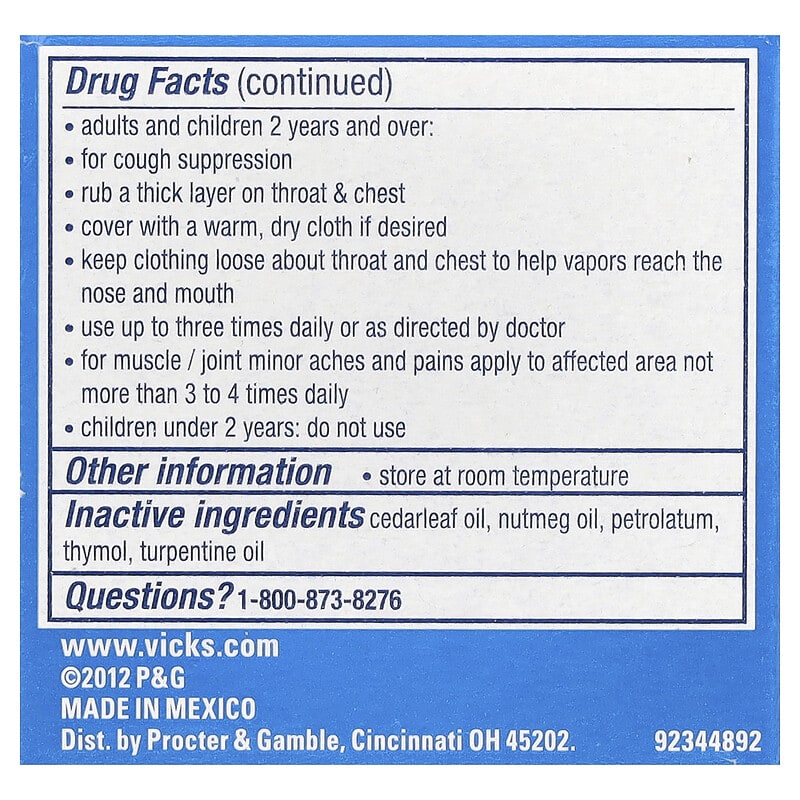
This exploration delves into the science behind Vicks VapoRub, examining its key ingredients and their roles in delivering that signature cooling and soothing sensation. We’ll look at how these ingredients contribute to its efficacy and, importantly, discuss potential considerations for consumers.
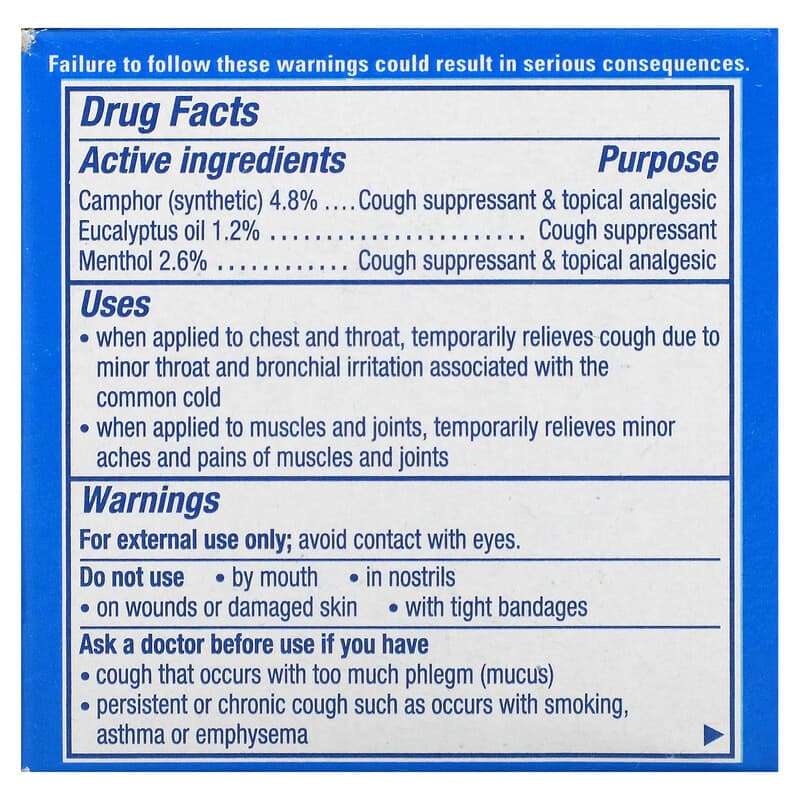
The Core of VapoRub: Active Ingredients and Their Therapeutic Actions
The power of Vicks VapoRub lies in its carefully selected active ingredients. These are the components that directly contribute to the product’s therapeutic effects, primarily by providing a sensation of improved airflow and soothing irritation. While they don’t “cure” congestion in a medical sense, they work by stimulating sensory nerve endings in the nasal passages and chest, creating a perception of easier breathing.
Camphor: The Cooling Sensation Catalyst
Camphor is perhaps one of the most recognizable active ingredients in Vicks VapoRub. Derived from the wood of the camphor laurel tree, this crystalline substance has a long history of medicinal use. In VapoRub, camphor plays a dual role.
1. Sensory Stimulation: When applied topically, camphor creates a cooling and slightly numbing sensation. This is achieved by interacting with cold receptors in the skin, tricking the brain into perceiving a cooling effect. This sensation, particularly when inhaled from the chest or throat, can provide a temporary feeling of reduced congestion. It’s important to note that this is a sensory perception, not a direct decongestion of the airways.
2. Analgesic Properties: Camphor also possesses mild analgesic (pain-relieving) properties. This can help to soothe any discomfort associated with coughing or sore throat.
Considerations with Camphor: While effective for many, camphor can be problematic for certain individuals. It can cause skin irritation, especially in those with sensitive skin. Furthermore, camphor should never be ingested, as it can be toxic. For infants and young children, the use of camphor-containing products is generally discouraged due to their developing respiratory systems and potential for adverse reactions. Always adhere to the age recommendations on VapoRub packaging.
Menthol: The Breath-Enhancing Powerhouse
Menthol, a compound found naturally in peppermint and other mint oils, is another cornerstone of the VapoRub formula. Its contribution to the product’s effectiveness is significant and multifaceted.
1. Nasal and Respiratory Tract Cooling: Similar to camphor, menthol activates cold-sensitive receptors in the nasal passages and airways. This activation creates a powerful sensation of improved airflow, making breathing feel easier. The cooling sensation can also help to distract from the discomfort of a sore throat.
2. Mild Analgesic and Anti-inflammatory Effects: Menthol exhibits mild pain-relieving and anti-inflammatory properties, which can contribute to the soothing of irritated tissues in the throat and chest.
3. Aromatic Qualities: The distinct, invigorating aroma of menthol is a key component of the Vicks VapoRub experience. This strong scent is not just for pleasure; the olfactory stimulation can play a role in the overall perception of relief by influencing the brain’s response to respiratory discomfort.
Using Menthol Safely: As with camphor, menthol can cause skin irritation in some individuals. It’s generally advised to avoid applying it directly to broken skin. While its inhalation is considered safe in the context of VapoRub, excessive or prolonged exposure to high concentrations of menthol vapor should be approached with caution, especially for very young children.
Eucalyptus Oil: The Aromatic Ally
Eucalyptus oil, extracted from the leaves of the eucalyptus tree, is renowned for its strong, medicinal aroma and its historical use in respiratory remedies. In Vicks VapoRub, it primarily contributes to the product’s aromatic profile and its potential to provide a sense of clear airways.
1. Decongestant Aroma: The strong scent of eucalyptus oil is believed to help create a sensation of decongestion. The volatile compounds in the oil can stimulate olfactory receptors, which are closely linked to the respiratory system, potentially leading to a feeling of clearer breathing.
2. Expectorant Properties (Traditional Use): While the scientific evidence for its efficacy as a direct expectorant when applied topically is limited, eucalyptus oil has been traditionally used to help loosen mucus. The aroma may contribute to this perception by making the air feel less “stuffy.”
3. Potential Soothing Effects: Some studies suggest that eucalyptus oil may possess mild anti-inflammatory and soothing properties, which could contribute to the overall comfort provided by VapoRub.
Eucalyptus Oil and Sensitivity: Eucalyptus oil can be a skin irritant for some individuals. Those with known sensitivities to essential oils should exercise caution. As with other VapoRub ingredients, it is not intended for ingestion and should be kept out of reach of children, especially young ones.
The Foundation: Inactive Ingredients and Their Functional Roles
Beyond the active ingredients that deliver the therapeutic sensations, Vicks VapoRub contains a base of inactive ingredients. These components are crucial for creating the ointment’s texture, ensuring its stability, and facilitating the delivery of the active compounds. While they don’t have direct medicinal effects, their presence is vital for the product’s overall performance and usability.
Petrolatum: The Ointment’s Backbone
Petrolatum, commonly known as petroleum jelly, is the primary ingredient forming the base of Vicks VapoRub. Its role is primarily functional, providing the ointment’s characteristic thick, occlusive texture.
1. Occlusive Barrier: Petrolatum creates a protective barrier on the skin. When applied to the chest or throat area, this barrier can help to lock in moisture and prevent the evaporation of the volatile active ingredients, allowing them to be released more slowly and consistently.
2. Emollient Properties: It also acts as an emollient, helping to soften and smooth the skin. This can be particularly beneficial for dry, chapped skin that might accompany a cold.
3. Vehicle for Active Ingredients: Petrolatum serves as an effective vehicle for dispersing the active ingredients evenly throughout the ointment, ensuring that each application delivers a consistent dose.
Safety and Petrolatum: Petrolatum is generally considered a safe and non-irritating ingredient for topical use. It is non-comedogenic, meaning it is unlikely to clog pores. However, for those concerned about petroleum-derived products, it’s worth noting its origin.
Other Inactive Contributors: Enhancing Texture and Stability
Beyond petrolatum, Vicks VapoRub includes several other inactive ingredients that contribute to its final formulation:
-
Mineral Oil: Similar to petrolatum, mineral oil is a derivative of petroleum that helps to maintain the ointment’s consistency and provides emollient properties. It contributes to the smooth glide of the product during application.
-
Paraffin: This waxy substance further contributes to the ointment’s structure and texture, helping to stabilize the blend and prevent separation of ingredients.
-
Camphor Tree Oil (for some formulations): While camphor is an active ingredient, in some regional formulations, a more diluted “camphor tree oil” might be listed. This likely refers to the natural essential oil from which camphor is derived, contributing to the overall aromatic profile.
-
Turpentine Oil: Historically, turpentine oil has been used for its perceived rubefacient properties (causing redness and warming of the skin) and its strong aroma. In VapoRub, it likely contributes to the aromatic experience and may enhance the perception of warmth or stimulation.
-
Fragrance: The distinct Vicks VapoRub scent is a carefully crafted fragrance blend that includes components beyond the primary active ingredients. This fragrance is integral to the product’s identity and its association with relief.
-
Denatured Alcohol: In some formulations, a small amount of denatured alcohol might be present. This can act as a solvent for other ingredients and contribute to the product’s stability.
Understanding Your Vicks VapoRub: A Consumer’s Guide to Ingredient Awareness
The transparency regarding Vicks VapoRub’s ingredients, while not revealing exact proportions, allows consumers to make informed decisions about its use. For many, the familiar combination of camphor, menthol, and eucalyptus oil is synonymous with comfort and relief. However, for individuals with specific concerns, understanding these components is paramount.
Sensitivities and Allergies: Patch Testing and Caution
While Vicks VapoRub is widely used, allergic reactions or sensitivities to its ingredients, particularly camphor, menthol, and eucalyptus oil, are possible. These can manifest as skin redness, itching, rash, or respiratory irritation.
Recommendations:
- Patch Test: If you have sensitive skin or a history of allergies to essential oils or mentholated products, it’s advisable to perform a patch test. Apply a small amount of VapoRub to a discreet area of skin (like the inner forearm) and observe for any adverse reactions over 24 hours before applying it more broadly.
- Avoid Broken Skin: Do not apply VapoRub to open wounds, cuts, or severely irritated skin, as this can increase absorption and the likelihood of a reaction.
- Consult a Professional: If you experience any signs of an allergic reaction, discontinue use immediately and consult a healthcare professional.
Age-Specific Considerations: Protecting Vulnerable Populations
The efficacy and safety of Vicks VapoRub’s ingredients are age-dependent. Due to their more sensitive respiratory systems and thinner skin, infants and very young children require special consideration.
Infants (Under 2 Years): It is generally not recommended to use Vicks VapoRub on infants under two years of age. The strong vapors from camphor and menthol can potentially cause breathing difficulties or other adverse reactions in this age group. Always consult a pediatrician for recommendations on treating respiratory symptoms in infants.
Young Children (2-6 Years): For children in this age range, Vicks VapoRub can be used, but with extreme caution. Apply only a thin layer to the chest and back, and ensure the child is not sensitive to the ingredients. Avoid applying near the face or nose. Always follow product labeling instructions and consult a doctor if you have concerns.
Older Children and Adults: Vicks VapoRub is generally considered safe for older children and adults when used as directed. However, individuals with pre-existing respiratory conditions like asthma should consult their doctor before use, as the strong vapors could potentially trigger symptoms.
The “Proprietary Blend” and Ingredient Transparency
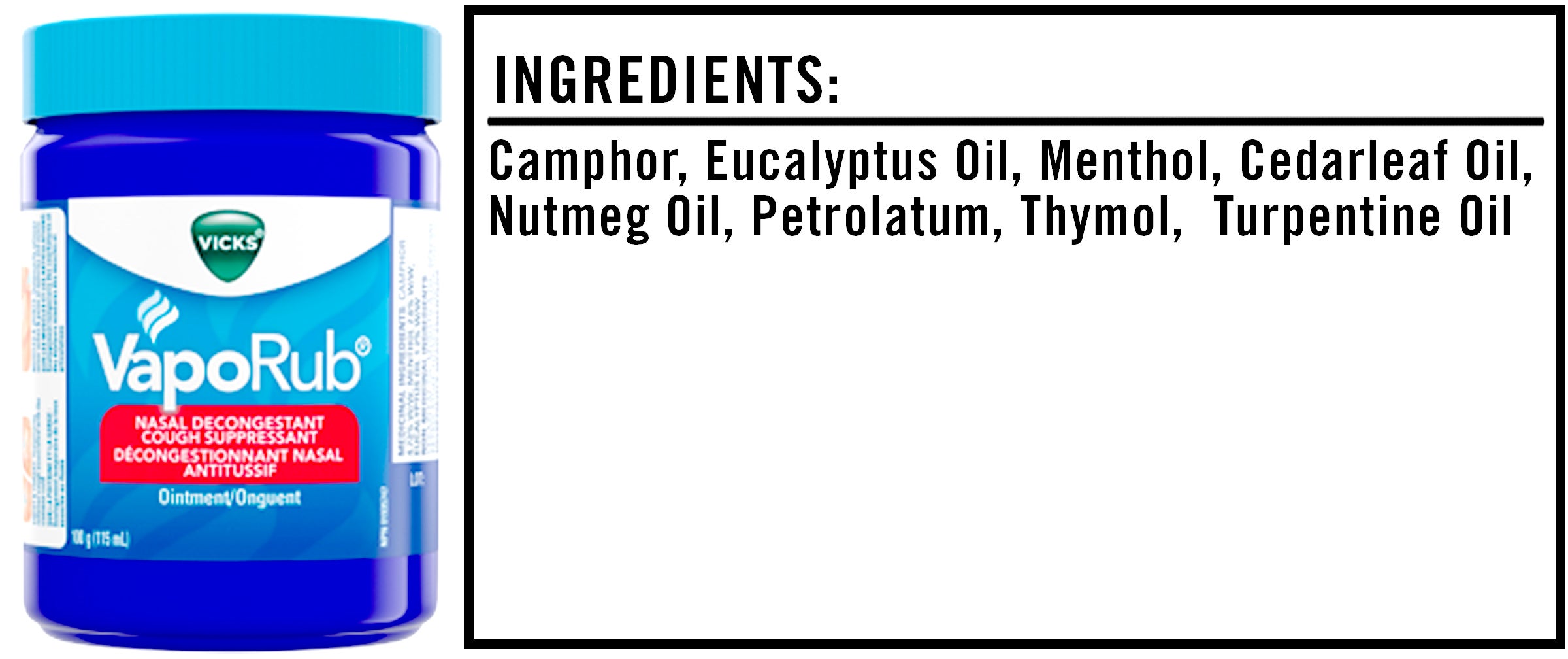
It’s important to acknowledge that while the active and inactive ingredients are listed, the precise concentrations and the specific fragrance components are part of a “proprietary blend.” This means that the exact recipe is a trade secret. For most consumers, this is not a significant issue, as the product has a long history of proven use. However, for those with highly specific ingredient concerns or seeking to replicate the product, this proprietary nature limits complete transparency.
In conclusion, Vicks VapoRub’s effectiveness stems from a well-established combination of active ingredients that provide a cooling and soothing sensation, creating the perception of easier breathing. The inactive ingredients form a stable base that allows for topical application and sustained release of these therapeutic compounds. By understanding what’s in the balm and using it responsibly, consumers can continue to leverage this classic remedy for temporary relief from cough and cold symptoms. Always prioritize safety, especially with vulnerable populations, and consult healthcare professionals when in doubt.
aViewFromTheCave is a participant in the Amazon Services LLC Associates Program, an affiliate advertising program designed to provide a means for sites to earn advertising fees by advertising and linking to Amazon.com. Amazon, the Amazon logo, AmazonSupply, and the AmazonSupply logo are trademarks of Amazon.com, Inc. or its affiliates. As an Amazon Associate we earn affiliate commissions from qualifying purchases.