
In the dynamic world of finance, few concepts are as fundamental yet often misunderstood as stocks. For aspiring investors, seasoned professionals, and anyone looking to build wealth, a clear grasp of what stocks are and how they operate is not just beneficial—it’s essential. Stocks represent a slice of corporate ownership, a tangible claim on a company’s assets and earnings, and a gateway to participating in the growth of businesses worldwide. Understanding their mechanics unlocks the potential for significant financial returns, but also illuminates the inherent risks that accompany market participation.
This comprehensive guide will demystify stocks, breaking down their core principles, exploring how they function within the broader financial ecosystem, and outlining the key considerations for anyone looking to navigate the exciting, yet complex, landscape of stock market investing.
The Fundamental Concept of Stock Ownership
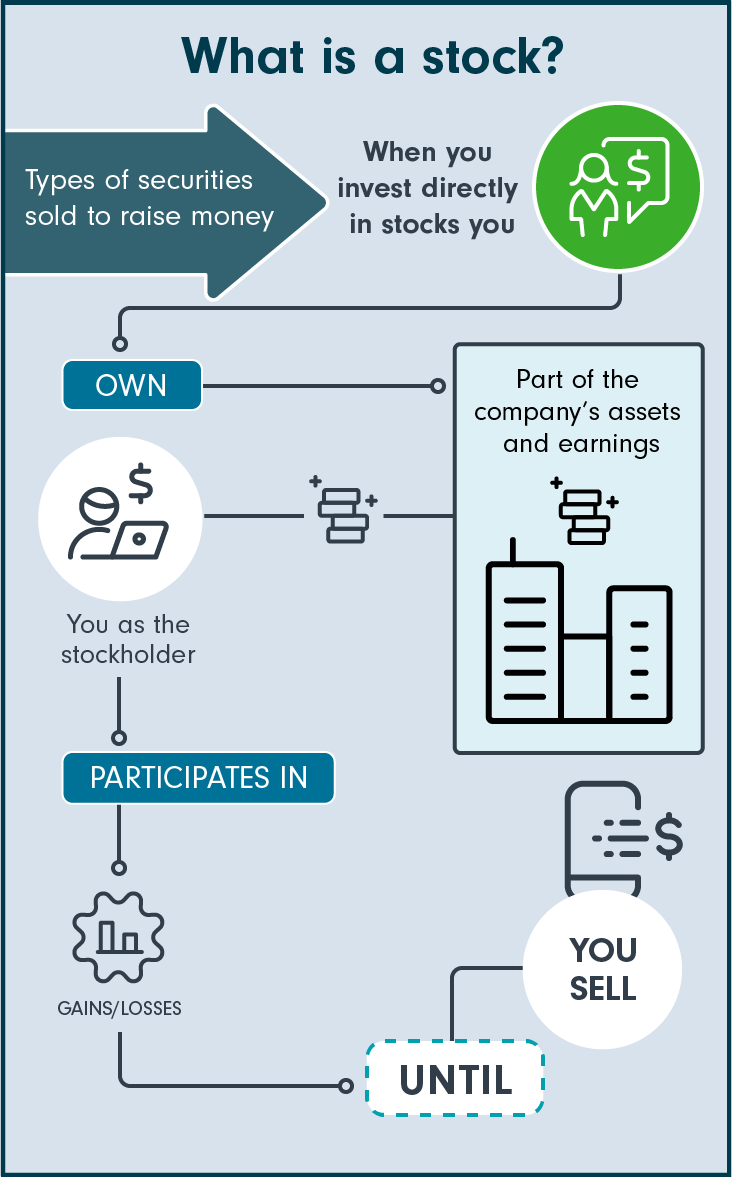
At its heart, a stock is more than just a ticker symbol and a fluctuating price; it’s a fractional ownership stake in a company. When you buy a stock, you become a part-owner of the issuing corporation, no matter how small that fraction may be. This concept is foundational to understanding the rights and potential benefits that come with stock ownership.
Defining a Stock
Formally, a stock (also known as equity or shares) is a type of security that signifies ownership in a corporation and represents a claim on a portion of the corporation’s assets and earnings. When you own stock, you become a shareholder. Unlike debt instruments, which represent a loan that must be repaid, stocks represent permanent capital that the company uses to fund its operations and expansion. The total value of a company’s outstanding shares is referred to as its market capitalization.
Why Companies Issue Stocks
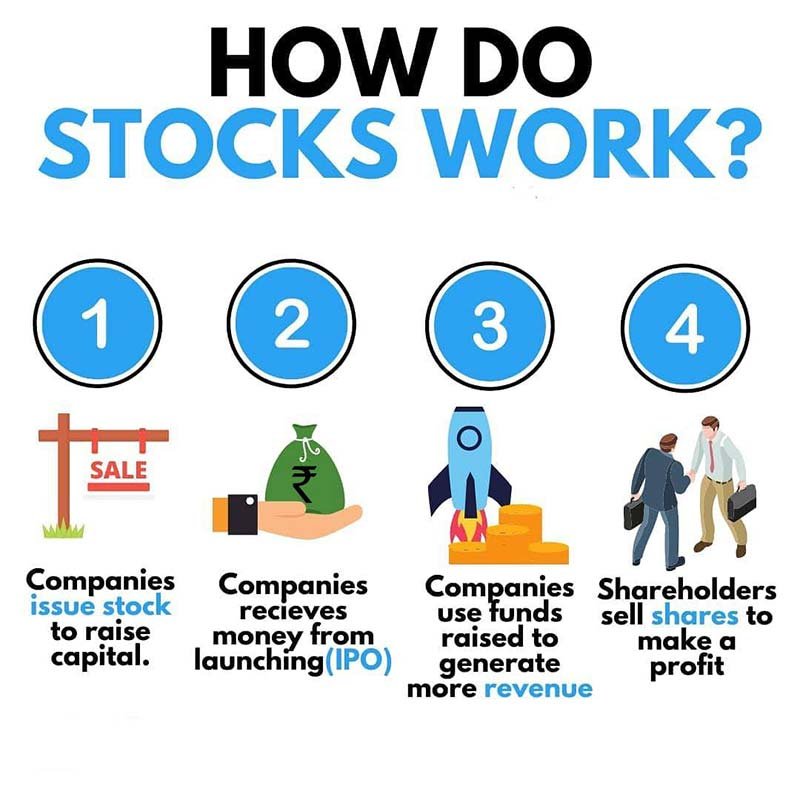
Companies primarily issue stocks for two main reasons: to raise capital and to facilitate growth. Instead of borrowing money from banks (debt financing), companies can sell shares of ownership to the public (equity financing). This infusion of capital allows them to finance new projects, expand operations, research and develop new products, pay off debt, or simply strengthen their balance sheet. By going public through an Initial Public Offering (IPO), a private company transforms into a publicly traded entity, allowing its shares to be bought and sold on stock exchanges. This access to public capital markets is a crucial engine for economic growth and innovation.
The Role of Shareholders
As a shareholder, you gain certain rights and privileges, though these can vary based on the type of stock you own. Common shareholders typically have voting rights, allowing them to participate in major corporate decisions, such as electing the board of directors and approving significant company actions. While individual shareholders may have limited influence, collectively, they hold the power to shape the company’s future direction. Beyond voting rights, shareholders also have a claim on the company’s residual assets if it were to liquidate, and are often entitled to receive dividends—a portion of the company’s profits distributed to shareholders. This combination of potential appreciation, voting power, and dividend income makes stocks an attractive asset class for many investors.
Understanding How Stocks Work: Mechanisms of Value and Return
The perceived value of a stock is a dynamic entity, influenced by a multitude of factors, from company performance to broader economic trends. Understanding how these forces interact is key to comprehending how stocks work and how they generate returns for investors.
The Stock Market: A Global Marketplace
Stocks are primarily traded on stock exchanges, which are organized marketplaces where buyers and sellers meet to execute transactions. Major exchanges include the New York Stock Exchange (NYSE), NASDAQ, London Stock Exchange (LSE), and many others globally. These exchanges provide the infrastructure and regulatory oversight necessary for transparent and efficient trading. Modern trading is largely electronic, connecting investors from around the world through brokerage firms. The aggregate activity on these exchanges forms what is commonly referred to as “the stock market.”
How Stock Prices Are Determined
A stock’s price is fundamentally determined by the forces of supply and demand. If more investors want to buy a stock than sell it, its price will typically rise. Conversely, if more investors want to sell than buy, the price will fall. This dynamic is influenced by a vast array of factors:
- Company Performance: Earnings reports, revenue growth, product launches, and management changes directly impact investor sentiment.
- Industry Trends: The overall health and future prospects of the industry in which the company operates.
- Economic Indicators: Inflation, interest rates, GDP growth, and unemployment figures can affect corporate profitability and investor confidence.
- Geopolitical Events: Wars, trade disputes, and political instability can create uncertainty and impact global markets.
- Market Sentiment: Investor psychology, speculation, and “herd mentality” can sometimes cause prices to deviate from fundamental value, leading to bubbles or crashes.
- Analyst Ratings and News: Financial analysts’ recommendations and news headlines can significantly sway investor opinion.
Generating Returns: Capital Gains and Dividends
Investors primarily profit from stocks in two ways:
- Capital Gains: This is the most common form of return. If you buy a stock at a certain price and sell it later at a higher price, the difference is your capital gain. The goal for many investors is to identify companies whose stock prices will appreciate over time as the company grows and becomes more profitable.
- Dividends: Some companies distribute a portion of their profits to shareholders in the form of regular payments, known as dividends. These are typically paid quarterly. While growth companies might reinvest all their earnings back into the business, mature, profitable companies often pay dividends to reward shareholders and attract income-focused investors. Dividends can provide a steady stream of income, especially for retirees or those seeking passive cash flow.
Types of Stocks and Investment Considerations
Not all stocks are created equal. The market offers a diverse range of stock types, each with its own characteristics, risk profiles, and potential returns. Understanding these distinctions is crucial for aligning your investments with your financial goals and risk tolerance.
Common vs. Preferred Stock
The most fundamental distinction is between common and preferred stock:
- Common Stock: This is what most people refer to when they talk about “stocks.” Common shareholders have voting rights and the potential for higher capital appreciation. However, they are last in line to receive assets in the event of liquidation, meaning they bear the highest risk.
- Preferred Stock: Preferred shareholders typically do not have voting rights but receive fixed dividend payments before common shareholders. In the event of liquidation, they also have a higher claim on the company’s assets than common shareholders. Preferred stocks are often seen as a hybrid between stocks and bonds, offering more stability but less growth potential.
Growth Stocks vs. Value Stocks
Investors often categorize stocks based on their growth potential and valuation:
- Growth Stocks: These are shares of companies that are expected to grow at an above-average rate compared to the overall market. They often reinvest most of their earnings back into the business, meaning they may pay little to no dividends. Investors buy growth stocks hoping for significant capital appreciation. Examples often include technology or emerging industry companies.
- Value Stocks: These are shares of companies that are perceived to be undervalued by the market relative to their intrinsic worth. They often have solid fundamentals, consistent earnings, and may pay dividends, but their stock prices have not kept pace. Value investors seek to buy these stocks at a discount, believing the market will eventually recognize their true value.

Blue-Chip Stocks vs. Penny Stocks
- Blue-Chip Stocks: These are shares of large, well-established, financially sound companies with a long history of stable earnings and reliable dividends. They are often leaders in their industries and are generally considered less risky than smaller companies, though they offer more moderate growth potential.
- Penny Stocks: These are shares of small companies that trade at very low prices (typically under $5 per share) and have low market capitalization. They are highly speculative, often volatile, and carry significant risk due to limited liquidity, lack of information, and susceptibility to manipulation. While they offer the potential for massive returns, the risk of total loss is also very high.
Key Factors Before Investing
Before diving into stock investing, consider several key factors:
- Financial Health: Analyze a company’s balance sheet, income statement, and cash flow statement. Look for strong revenues, consistent profits, manageable debt, and positive cash flow.
- Management Team: Assess the competence, experience, and integrity of the company’s leadership.
- Competitive Advantage (Moat): Does the company have a sustainable edge over its competitors, such as a strong brand, unique technology, or high barriers to entry?
- Industry Outlook: Is the industry growing, stable, or in decline?
- Valuation: Is the stock price reasonable relative to the company’s earnings, assets, and future prospects? Use metrics like P/E ratio, P/B ratio, and dividend yield.
Navigating the Stock Market: Risks and Rewards
Investing in stocks is a balancing act between the potential for substantial wealth creation and the reality of market volatility and risk. A clear understanding of both sides of this equation is paramount for making informed investment decisions.
Inherent Risks of Stock Investing
While stocks offer compelling opportunities, they are not without risk:
- Market Risk: The overall stock market can decline due to economic downturns, geopolitical events, or widespread investor fear, affecting even fundamentally strong companies.
- Company-Specific Risk (Idiosyncratic Risk): A particular company’s stock price can fall due to poor management decisions, competitive pressures, product failures, or negative news, irrespective of the broader market.
- Liquidity Risk: Some stocks, especially those of smaller companies or penny stocks, may not be actively traded, making it difficult to buy or sell them quickly without impacting their price.
- Inflation Risk: The purchasing power of your investment returns can be eroded by inflation if your returns don’t outpace the rate of inflation.
- Interest Rate Risk: Changes in interest rates can affect the attractiveness of stocks versus fixed-income investments like bonds.
- Emotional Risk: Panic selling during downturns or speculative buying during rallies driven by emotion rather than logic can lead to poor investment outcomes.
The Potential for Significant Returns
Despite the risks, stocks have historically proven to be one of the most effective tools for building long-term wealth. Over extended periods, the stock market has outperformed most other asset classes, including bonds and real estate. This potential for significant returns stems from several factors:
- Compounding: Reinvesting dividends and capital gains allows your earnings to generate further earnings, leading to exponential growth over time.
- Economic Growth: As economies expand, companies grow, generate more profits, and their stock values tend to increase.
- Innovation: Companies that innovate and disrupt industries can see their stock prices soar as they capture new markets and generate substantial earnings.
The Importance of Diversification
One of the most critical strategies for managing risk in stock investing is diversification. By spreading your investments across various companies, industries, and geographical regions, you reduce the impact of any single stock or sector performing poorly. If one investment underperforms, others may offset those losses. Diversification doesn’t eliminate risk, but it helps mitigate the impact of company-specific and industry-specific downturns.
Long-Term vs. Short-Term Investing
The approach to stock investing can vary significantly based on your time horizon:
- Long-Term Investing: This involves holding stocks for several years or even decades, aiming to benefit from compounding and the long-term growth of quality companies. It generally involves less trading activity and is often considered a less stressful and more successful strategy for most investors.
- Short-Term Trading: This involves buying and selling stocks frequently, sometimes within the same day (day trading) or week, to profit from short-term price fluctuations. It is highly speculative, extremely risky, and requires significant time, skill, and capital, and is generally not recommended for beginners.
Getting Started with Stock Investing
For those ready to embark on their investing journey, the initial steps are crucial. A methodical approach, grounded in education and realistic expectations, sets the foundation for success.
Setting Financial Goals
Before buying your first share, define your financial goals. Are you saving for retirement, a down payment on a house, your child’s education, or simply aiming for passive income? Your goals will dictate your investment horizon, risk tolerance, and the types of stocks and strategies you should consider. Clearly defined goals provide direction and help you stay disciplined during market fluctuations.
Choosing a Brokerage Account
To buy and sell stocks, you’ll need a brokerage account. There are two main types:
- Full-Service Brokers: These offer personalized advice, research, and portfolio management, often at a higher cost. They are suitable for investors who prefer professional guidance.
- Discount Brokers (Online Brokers): These provide platforms for self-directed investing, offering lower fees, commission-free trades (for many stocks and ETFs), and a wealth of educational resources. They are popular among self-reliant investors.
Research different brokers, compare their fees, available investment products, research tools, and customer service before making a choice.
Research and Due Diligence
Never invest in a company you don’t understand. Conduct thorough research before making any investment:
- Read Company Reports: Analyze annual reports (10-K), quarterly reports (10-Q), and proxy statements (DEF 14A).
- Follow Industry News: Stay informed about trends and developments in the company’s sector.
- Analyze Financials: Look at key metrics like earnings per share (EPS), price-to-earnings (P/E) ratio, debt-to-equity ratio, and return on equity (ROE).
- Understand the Business Model: How does the company make money? What are its competitive advantages?
- Utilize Brokerage Resources: Most online brokers provide research tools, analyst reports, and educational content.
Starting Small and Learning Continuously
You don’t need a large sum to start investing. Many brokers allow fractional share purchases, enabling you to buy portions of expensive stocks. Begin with an amount you’re comfortable losing, as initial investments often come with a learning curve. The market is constantly evolving, so continuous learning is vital. Read books, follow reputable financial news sources, take online courses, and engage with investment communities. Experience, combined with ongoing education, will refine your investment acumen over time.
In conclusion, stocks are a powerful financial instrument, offering individuals the opportunity to participate in corporate growth and build substantial wealth. While the journey of stock market investing is fraught with both opportunities and challenges, a solid understanding of what stocks are, how they function, and the principles of risk management and diversification can equip any investor to navigate this exciting landscape with confidence and intelligence.
aViewFromTheCave is a participant in the Amazon Services LLC Associates Program, an affiliate advertising program designed to provide a means for sites to earn advertising fees by advertising and linking to Amazon.com. Amazon, the Amazon logo, AmazonSupply, and the AmazonSupply logo are trademarks of Amazon.com, Inc. or its affiliates. As an Amazon Associate we earn affiliate commissions from qualifying purchases.