
The stock market is often viewed through the lens of flashing red and green numbers, complex ticker symbols, and high-stakes trading floors. However, beneath the surface of daily volatility lies the most significant engine of economic growth and wealth creation in modern history. Understanding why the stock market is important requires looking past the immediate price fluctuations to see how it functions as a bridge between those who have capital and those who need it to innovate.
At its core, the stock market is a decentralized network where individuals and institutional investors buy and sell shares of publicly traded companies. But its influence extends far beyond the brokerage accounts of individual investors. It dictates the trajectory of global economies, influences the retirement security of millions, and provides the necessary fuel for the world’s most ambitious corporate projects.

Empowering Individuals through Wealth Accumulation
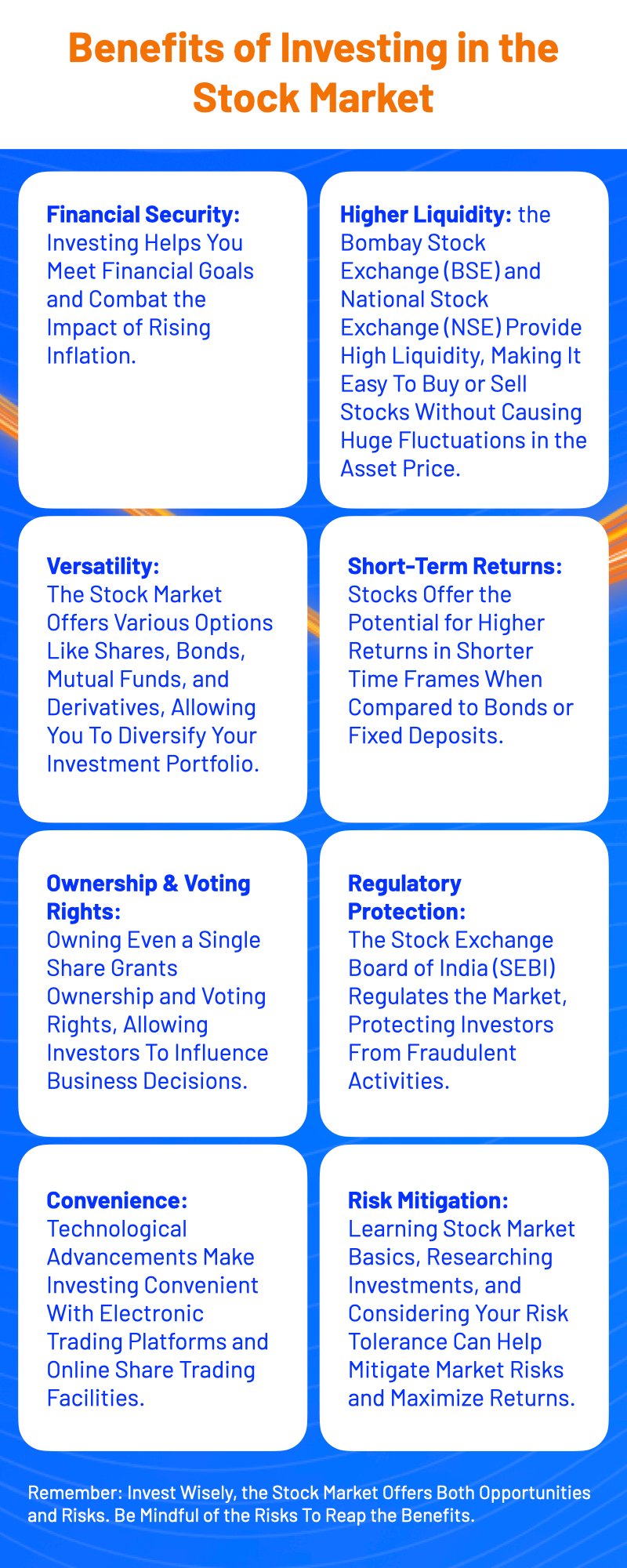
For the average individual, the stock market represents the most accessible path to financial independence. Historically, equity markets have outperformed most other asset classes over the long term, including real estate, gold, and government bonds. By providing a platform for public ownership, the market democratizes the ability to profit from the success of the world’s largest and most profitable corporations.
The Power of Compounding Interest
The primary reason the stock market is essential for personal finance is its ability to facilitate compound growth. When an individual invests in a diversified portfolio of stocks, they are not just betting on a single outcome; they are participating in the productive capacity of the economy. Over decades, the reinvestment of dividends and the appreciation of share prices allow small, consistent contributions to grow into substantial sums. This compounding effect is the cornerstone of modern retirement planning, allowing individuals to build a “nest egg” that outpaces the cost of living.
Hedging Against Inflation
Inflation is the silent killer of purchasing power. When money sits in a traditional savings account, it often loses value over time as the cost of goods and services rises. The stock market serves as a vital hedge against this phenomenon. Because companies can raise prices to offset their own rising costs, their earnings—and by extension, their stock prices—tend to rise alongside inflation. Owning equities ensures that an individual’s net worth keeps pace with, or exceeds, the shifting economic landscape.
Democratizing Business Ownership
Before the advent of public exchanges, only the extremely wealthy or well-connected could own a piece of a profitable enterprise. Today, through fractional shares and low-cost index funds, someone with as little as ten dollars can become a partial owner of a global powerhouse like Apple, Amazon, or JPMorgan Chase. This democratization of ownership shifts the economic paradigm from a system of “laborers versus owners” to one where anyone can be an owner, sharing in the profits and growth generated by corporate ingenuity.
Fuelling Corporate Innovation and Global Expansion
From a business finance perspective, the stock market is the ultimate tool for capital formation. Without the ability to issue stock, many of the world’s most transformative companies would never have moved past the startup phase. The market provides a mechanism for companies to raise massive amounts of capital without taking on the restrictive burden of debt.
Capital Formation and Public Offerings
When a company decides to “go public” through an Initial Public Offering (IPO), it is essentially asking the public for the funds needed to scale. This capital is often used for research and development, building new manufacturing facilities, or expanding into international markets. Unlike a bank loan, which requires fixed interest payments and collateral, equity capital is “permanent.” The company gains the cash it needs to innovate, and in exchange, investors receive a stake in the company’s future success. This symbiotic relationship has been the catalyst for nearly every major technological and industrial advancement of the last century.
Fostering Competition and Efficiency
The public nature of the stock market forces a level of discipline on management teams that private companies rarely face. Because public companies must disclose their financial health every quarter, they are held accountable by a global audience of analysts and investors. This transparency encourages operational efficiency. If a company is poorly managed, its stock price drops, making it vulnerable to acquisition or forcing a change in leadership. In this way, the stock market acts as a continuous “fitness test” for corporations, ensuring that resources are allocated to the most efficient and productive entities.
Job Creation and Economic Stimulus
There is a direct correlation between healthy equity markets and employment. As companies raise capital and expand their operations, they inevitably hire more staff, from engineers and marketers to logistics personnel and administrators. Furthermore, the “wealth effect” generated by a rising stock market often leads to increased consumer spending. When people see their investment accounts growing, they feel more financially secure and are more likely to spend money in the broader economy, creating a virtuous cycle of growth.
Providing Liquidity and Price Discovery
One of the most underappreciated roles of the stock market is its function as a provider of liquidity. Liquidity refers to how quickly an asset can be converted into cash without significantly affecting its price. In contrast to real estate, which can take months to sell, a share of stock in a major company can be sold in milliseconds.
Turning Assets into Cash
For both individuals and institutions, the ability to access cash quickly is vital for financial stability. Whether it’s an individual needing to cover an emergency expense or a pension fund needing to make payouts to retirees, the stock market provides a reliable exit strategy. This liquidity reduces the “risk premium” associated with investing; people are more willing to put their money to work when they know they can get it back whenever they choose.
Transparency and Fair Market Value
The stock market is a continuous auction, where the collective wisdom of millions of participants determines the “fair value” of a company at any given second. This process, known as price discovery, is essential for a functioning economy. It provides a benchmark for valuations in other areas, such as private equity and venture capital. Without the clear signals provided by the stock market, it would be incredibly difficult for investors to know what a business is actually worth, leading to massive inefficiencies and potential bubbles in other sectors.
An Economic Barometer
Economists and policymakers look to the stock market as a “leading indicator.” While the current GDP tells us what happened in the last quarter, the stock market tells us what investors expect to happen in the next six to twelve months. A rising market often signals confidence in future corporate earnings and economic stability, while a declining market can serve as an early warning sign of an impending recession. By paying attention to these signals, governments and central banks can adjust their policies to mitigate economic downturns.
The Evolution of Market Accessibility and Financial Tools
The importance of the stock market has only increased with the arrival of digital tools and new financial instruments. These innovations have lowered the barriers to entry, making the market a central pillar of the modern “side hustle” and online income culture.
The Rise of Indexing and ETFs
In the past, stock picking was a precarious endeavor that required deep expertise. The introduction of Index Funds and Exchange-Traded Funds (ETFs) changed the game. These tools allow investors to buy a tiny slice of the entire market in a single transaction. By diversifying across hundreds or thousands of companies, the risk of a single business failure is mitigated. This “passive” approach to investing has proven to be one of the most effective ways for the general public to build wealth, emphasizing the market’s role as a tool for the masses rather than just the elite.
Technology and the Digital Economy
The shift toward digital brokerages and mobile apps has integrated the stock market into daily life. For many, managing a portfolio has become as common as checking social media. This constant connectivity has increased market participation rates globally. It has also facilitated the growth of the “retail investor,” a demographic that now holds significant power and can influence market trends, further reinforcing the importance of the market as a democratic financial institution.

Conclusion: A Foundation for Financial Freedom
The stock market is much more than a place to “bet” on prices. It is a sophisticated infrastructure that supports the global economy by rewarding innovation, holding corporations accountable, and providing a pathway for the average person to participate in the fruits of capitalism.
Without the stock market, our modern world would look drastically different. Innovation would move at a glacial pace due to a lack of funding, and the average worker would have few options for growing their savings beyond the meager interest of a bank account. By understanding the systemic importance of the stock market, investors can move away from the anxiety of daily “noise” and focus on the long-term reality: the market is an indispensable tool for building a more prosperous and equitable future. Whether used for personal retirement, corporate expansion, or economic signaling, its role in the “Money” niche remains unrivaled.
aViewFromTheCave is a participant in the Amazon Services LLC Associates Program, an affiliate advertising program designed to provide a means for sites to earn advertising fees by advertising and linking to Amazon.com. Amazon, the Amazon logo, AmazonSupply, and the AmazonSupply logo are trademarks of Amazon.com, Inc. or its affiliates. As an Amazon Associate we earn affiliate commissions from qualifying purchases.