
The stock market, often depicted as a tumultuous arena of flashing numbers and frenetic traders, can appear daunting to the uninitiated. Yet, beneath its complex surface lies a fundamental mechanism for wealth creation, economic growth, and individual financial empowerment. Understanding the stock market isn’t about predicting its every twist and turn, but rather grasping its core principles, drivers, and the various approaches one can take to participate wisely. For anyone looking to secure their financial future, build wealth, or simply comprehend the economic world around them, demystifying the stock market is an essential step.

Demystifying the Stock Market: Your Gateway to Wealth Creation
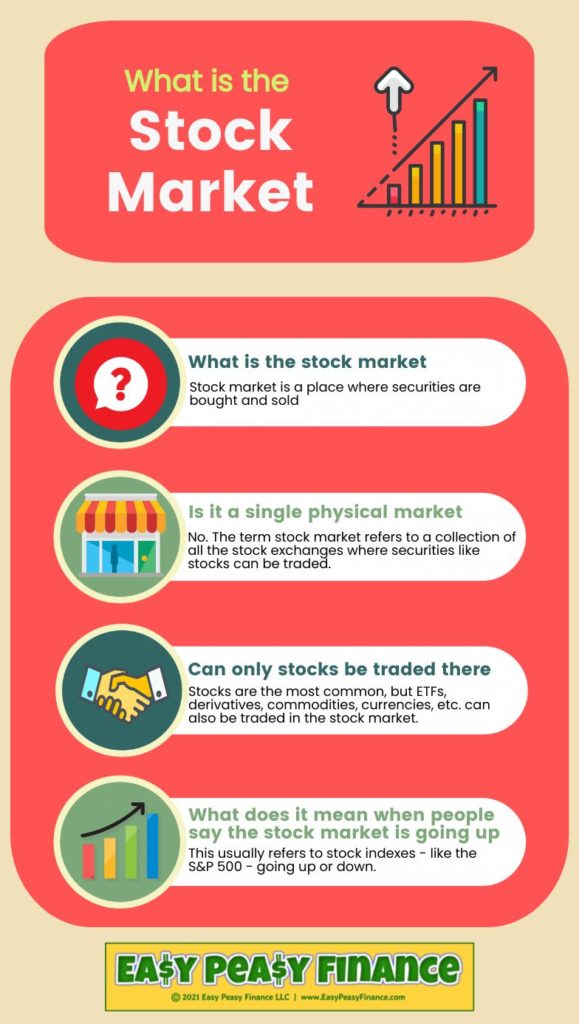
At its heart, the stock market is a marketplace where individuals and institutions buy and sell ownership stakes in publicly traded companies. It’s a vital component of the modern financial system, facilitating capital formation for businesses and providing investment opportunities for the public.
What Exactly Is the Stock Market?
Imagine a company that needs money to expand its operations, develop new products, or repay debt. One way it can raise this capital is by issuing shares of its ownership to the public. Each share represents a tiny fraction of the company. When you buy a stock, you become a part-owner, or shareholder, of that company.
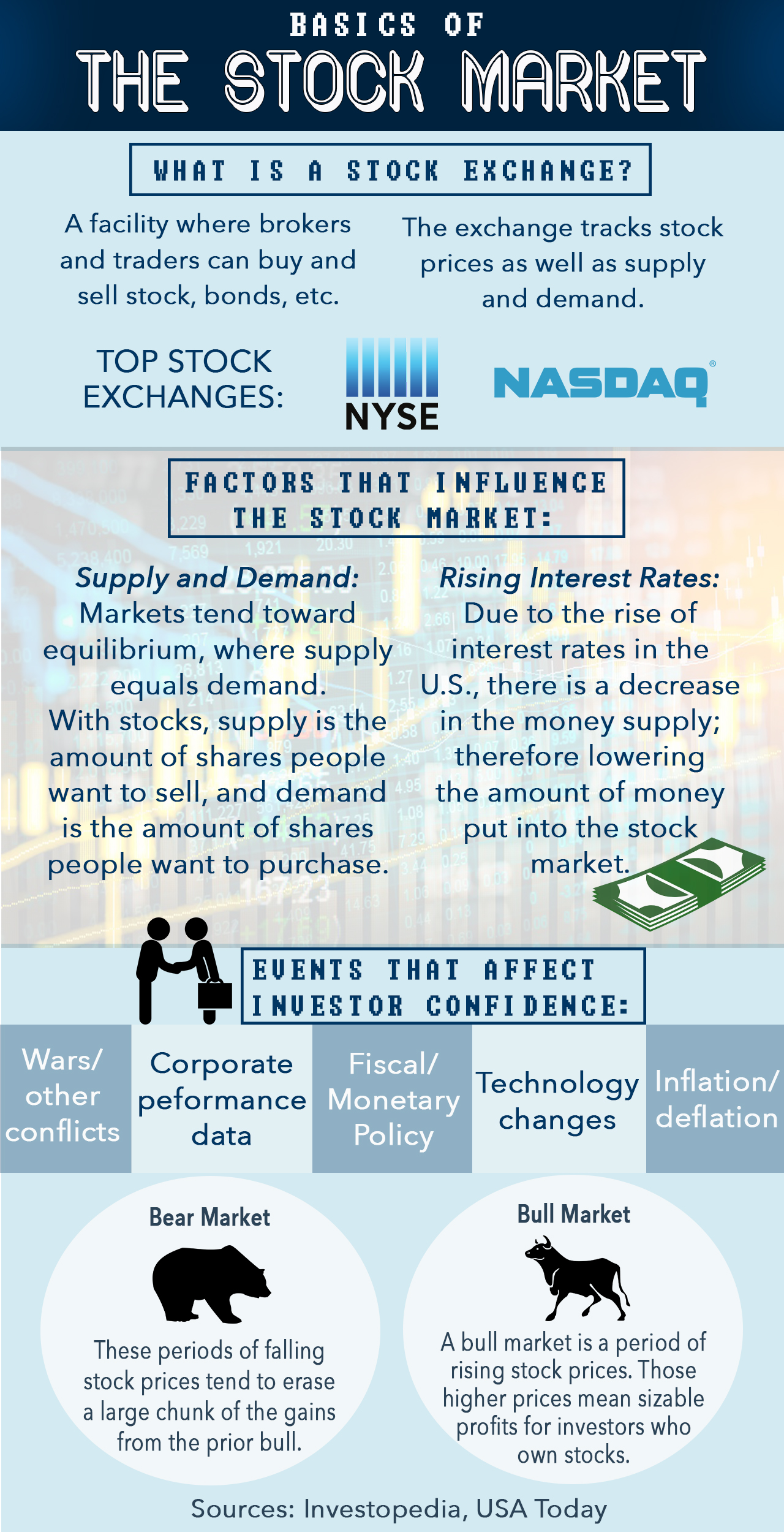
The “stock market” isn’t a single physical location but rather a network of exchanges (like the New York Stock Exchange – NYSE, or NASDAQ) and electronic systems where these shares are traded. There are two main types of markets:
- Primary Market: This is where companies first issue new stocks to the public through an Initial Public Offering (IPO). This is how companies initially raise capital directly from investors.
- Secondary Market: This is where investors buy and sell existing stocks among themselves. The vast majority of daily stock trading occurs in the secondary market. When you buy a stock through your brokerage account, you are participating in the secondary market, buying shares from another investor, not directly from the company itself.
Why Should You Care? The Power of Growth and Compounding
Understanding the stock market is crucial because it offers one of the most effective avenues for building long-term wealth. Historically, stocks have outperformed most other asset classes over extended periods.
- Inflation Hedge: In an era where the purchasing power of cash erodes due to inflation, investing in assets like stocks can help preserve and grow your wealth. Companies can often raise prices to offset inflation, and their profits (and thus stock prices) can grow accordingly.
- Wealth Building and Compounding: When you invest in a company that grows, its profits increase, and its stock price tends to rise. Additionally, many companies pay dividends, which are portions of their profits distributed to shareholders. Reinvesting these dividends, combined with capital appreciation, harnesses the power of compounding – earning returns on your returns – which can exponentially grow your investment over time.
- Economic Participation: Investing in the stock market allows you to participate in the growth of the global economy. By owning shares in innovative and successful companies, you directly benefit from their advancements and profitability.
Ignoring the stock market means potentially missing out on a powerful engine for financial security and independence.
The Core Mechanics: What Drives Stock Prices?
Stock prices are in constant flux, influenced by a complex interplay of forces. While it might seem chaotic, there are fundamental drivers that explain why a stock’s value goes up or down.
Supply and Demand: The Basic Economic Principle
At the most basic level, stock prices are determined by supply and demand. If more people want to buy a stock (high demand) than sell it (low supply), the price will generally rise. Conversely, if more people want to sell a stock (high supply) than buy it (low demand), the price will typically fall. This constant tug-of-war between buyers and sellers, facilitated by brokers and exchanges, dictates the real-time price of a stock. News, investor sentiment, and financial reports all feed into this dynamic by influencing how many people want to buy or sell.
Company Performance: Earnings, Growth, and Future Prospects
The health and performance of the underlying company are paramount. Ultimately, a stock represents a claim on a company’s future earnings and assets.
- Earnings Reports: Quarterly and annual earnings reports are critical. If a company reports strong profits, beats analyst expectations, or provides positive guidance for future earnings, its stock price often increases. Conversely, disappointing results can lead to a significant drop.
- Revenue Growth: Sustained growth in revenue indicates a company’s ability to expand its market share, innovate, and attract customers. Investors are often willing to pay a premium for companies with high growth potential.
- Management Quality: The competence and integrity of a company’s leadership team play a significant role. Strong management can navigate challenges, identify opportunities, and execute strategies effectively, instilling confidence in investors.
- Industry Trends and Competitive Landscape: A company’s success is also tied to its industry. Favorable industry trends (e.g., growth in cloud computing, renewable energy) can lift many boats, while intense competition or disruptive technologies can pose significant threats.
Macroeconomic Factors: Interest Rates, Inflation, and Global Events
Beyond individual company performance, broader economic conditions exert considerable influence over the entire stock market.
- Interest Rates: Central banks, like the Federal Reserve in the U.S., use interest rates to manage the economy. Higher interest rates make borrowing more expensive for companies and consumers, which can slow economic growth and reduce corporate profits. They also make bonds (fixed-income investments) more attractive relative to stocks, as investors can get a better guaranteed return.
- Inflation: High inflation can erode corporate profits (due to higher input costs) and reduce consumers’ purchasing power. It also increases the discount rate used to value future earnings, potentially lowering stock valuations.
- Economic Growth: A robust economy generally translates to higher corporate profits and greater consumer spending, which are positive for stocks. Conversely, recessions or slow growth periods typically see stock market downturns.
- Geopolitical Events: Wars, trade disputes, political instability, and even natural disasters can introduce uncertainty, disrupt supply chains, and impact consumer confidence, leading to market volatility.
- Currency Fluctuations: For multinational corporations, changes in exchange rates can impact the value of their international earnings when converted back to their home currency.
Understanding these multifaceted drivers helps paint a clearer picture of why stock prices behave the way they do, offering a more informed perspective than simply reacting to daily headlines.
Approaches to Valuation: Finding Value in the Volatility
With so many factors influencing stock prices, how do investors decide what to buy and when? There are two primary analytical approaches: fundamental analysis and technical analysis.
Fundamental Analysis: Peeking Under the Hood
Fundamental analysis is the process of evaluating a security’s intrinsic value by examining related economic, financial, and other qualitative and quantitative factors. Its goal is to determine if a company’s stock is currently trading below, at, or above its true worth.
- Financial Statements: Fundamental analysts pour over a company’s balance sheet (assets, liabilities, equity), income statement (revenue, expenses, profit), and cash flow statement (how cash moves in and out of the business).
- Key Ratios: They use various financial ratios to assess a company’s health:
- Price-to-Earnings (P/E) Ratio: Compares a company’s share price to its earnings per share, indicating how much investors are willing to pay for each dollar of earnings.
- Earnings Per Share (EPS): A company’s profit allocated to each outstanding share of common stock.
- Debt-to-Equity Ratio: Measures a company’s financial leverage, indicating how much debt it uses to finance its assets relative to shareholder equity.
- Return on Equity (ROE): Shows how much profit a company generates for each dollar of shareholders’ equity.
- Qualitative Factors: Beyond numbers, fundamental analysts also consider management quality, competitive advantages (moats), industry outlook, brand strength, and corporate governance.
- Intrinsic Value: By combining these factors, they attempt to estimate the “true” or intrinsic value of a company. If the market price is significantly below this intrinsic value, it might be considered a good investment.
Technical Analysis: Reading the Charts and Patterns
Technical analysis, in contrast, focuses on studying past market data, primarily price and volume charts, to identify patterns and predict future price movements. Technical analysts believe that all relevant information is already reflected in a stock’s price, and that history tends to repeat itself.
- Chart Patterns: They look for recurring patterns in stock charts, such as head and shoulders, double tops/bottoms, triangles, and flags, which can signal potential reversals or continuations of trends.
- Indicators: Technical analysts use various mathematical indicators derived from price and volume data. Common examples include:
- Moving Averages: Smooth out price data over a period, helping to identify trends.
- Relative Strength Index (RSI): Measures the speed and change of price movements, indicating overbought or oversold conditions.
- MACD (Moving Average Convergence Divergence): Shows the relationship between two moving averages of a security’s price.
- Support and Resistance Levels: These are price levels where a stock has historically found difficulty moving above (resistance) or below (support), indicating potential reversal points.
The Importance of a Balanced Perspective
While fundamental analysis aims to understand what to buy, technical analysis often helps determine when to buy or sell. Many successful investors integrate elements of both approaches. A fundamentally strong company might be a better buy if technical indicators suggest it’s currently undervalued or at a favorable entry point. Conversely, a stock showing promising technical patterns should still be scrutinized fundamentally to ensure it’s not a “fools’ rally” based on an underlying weak business.
Crafting Your Investment Strategy: A Personalized Roadmap
Understanding the stock market isn’t just about knowledge; it’s about applying that knowledge through a well-defined personal investment strategy. This roadmap should be tailored to your unique financial situation and goals.
Defining Your Financial Goals and Risk Tolerance
Before investing a single dollar, clarify your objectives:
- Short-term vs. Long-term: Are you saving for a down payment in three years or retirement in thirty? Different timelines call for different investment vehicles and risk levels. Shorter horizons generally warrant lower-risk investments.
- Growth vs. Preservation: Do you prioritize aggressive growth, accepting higher risk, or capital preservation with modest returns?
- Risk Tolerance: This is arguably the most critical factor. How comfortable are you with the possibility of your investments losing value? Would a 20% drop cause you to panic sell, or would you see it as a buying opportunity? Your risk tolerance should dictate the types of investments you choose and the percentage of your portfolio allocated to equities. Be honest with yourself about this.
Diversification: The Cornerstone of Risk Management
“Don’t put all your eggs in one basket” is more than just an idiom; it’s a fundamental investment principle. Diversification is the strategy of spreading your investments across various assets, industries, and geographies to minimize risk.
- Asset Allocation: This refers to dividing your portfolio among different asset classes like stocks, bonds, real estate, and cash. A common guideline is to subtract your age from 100 or 110 to get an approximate percentage to allocate to stocks, with the remainder in bonds.
- Sector and Industry Diversification: Don’t invest solely in tech, or only in healthcare. Spread your stock investments across different sectors to mitigate the risk of a downturn in any single industry.
- Geographic Diversification: Invest in companies from different countries to benefit from global economic growth and reduce reliance on any single national economy.
- Investment Vehicles: Instead of picking individual stocks, consider Exchange Traded Funds (ETFs) or mutual funds. These are professionally managed funds that hold baskets of many different stocks, providing instant diversification across various companies, sectors, or even entire markets (like an S&P 500 index fund).
Long-Term Investing vs. Short-Term Trading
Your approach to the market will largely depend on your goals and personality:
- Long-Term Investing: This strategy involves buying quality assets and holding them for many years, often decades, to benefit from compounding returns and company growth. It requires patience and a belief in the long-term upward trend of the market, shrugging off short-term fluctuations. This is generally recommended for most individuals building wealth for retirement or other significant life goals.
- Short-Term Trading: This involves frequently buying and selling assets, often within days or even hours, to profit from small price movements. It requires significant time commitment, advanced analytical skills (often heavy technical analysis), and a high tolerance for risk. Day trading, for example, is extremely difficult and most retail traders lose money.
For the average individual, a long-term, diversified investment strategy is overwhelmingly the most prudent and effective path to financial success.
Navigating the Market with Confidence: Common Pitfalls and Best Practices
Even with a solid understanding and strategy, the stock market presents challenges. Successfully navigating it requires discipline, emotional control, and continuous learning.
Avoiding Emotional Investing and Market Timing Traps
One of the biggest obstacles to investment success is human emotion.
- Fear and Greed: When the market is soaring, greed can lead to irrational exuberance and chasing hot stocks. When the market falls, fear can trigger panic selling, locking in losses at the worst possible time.
- FOMO (Fear Of Missing Out): This often drives investors to buy into hyped assets at their peak.
- Market Timing: Trying to predict the exact tops and bottoms of the market is notoriously difficult, even for professionals. Most attempts at market timing fail, leading to lower returns than simply staying invested. A better approach is “time in the market,” focusing on long-term participation rather than short-term predictions.
Continuous Learning and Adapting
The financial world is dynamic. What worked yesterday might not work tomorrow.
- Stay Informed: Read reputable financial news, books, and educational resources. Understand economic indicators, new technologies, and global events that could impact your investments.
- Review and Rebalance: Periodically review your portfolio to ensure it still aligns with your goals and risk tolerance. As assets grow at different rates, your asset allocation might drift, requiring rebalancing to bring it back to your target percentages.
- Seek Professional Advice: For complex situations, or if you feel overwhelmed, consult a qualified financial advisor. They can help you create a personalized plan, manage taxes, and navigate intricate investment decisions.
Starting Small and Staying Consistent
You don’t need a large sum of money to begin investing.
- Dollar-Cost Averaging: This strategy involves investing a fixed amount of money at regular intervals (e.g., $100 every month), regardless of market fluctuations. When prices are high, you buy fewer shares; when prices are low, you buy more. Over time, this averages out your purchase price and reduces the risk of investing a large sum at a market peak.
- The Power of Compounding: The sooner you start, the longer your money has to compound, leading to significantly larger returns over time. Even small, consistent contributions can grow into substantial wealth over decades.
Understanding the stock market is an ongoing journey, not a destination. By grasping its fundamental principles, developing a disciplined strategy, and committing to continuous learning, you can transform it from a mystifying labyrinth into a powerful tool for achieving your financial aspirations.
aViewFromTheCave is a participant in the Amazon Services LLC Associates Program, an affiliate advertising program designed to provide a means for sites to earn advertising fees by advertising and linking to Amazon.com. Amazon, the Amazon logo, AmazonSupply, and the AmazonSupply logo are trademarks of Amazon.com, Inc. or its affiliates. As an Amazon Associate we earn affiliate commissions from qualifying purchases.