
When Investors Purchase a Commodity, They Believe…
Investing is fundamentally an act of belief. When individuals or institutions allocate capital, they are doing so based on a conviction about future outcomes. This principle holds particularly true in the volatile and often opaque world of commodity markets. Unlike shares of a company, which represent ownership in an ongoing enterprise, or bonds, which represent a loan with a promise of repayment, a commodity is a raw material or primary agricultural product that can be bought and sold. It’s typically interchangeable with other commodities of the same type, making its price largely determined by supply and demand dynamics rather than the performance of a specific entity.
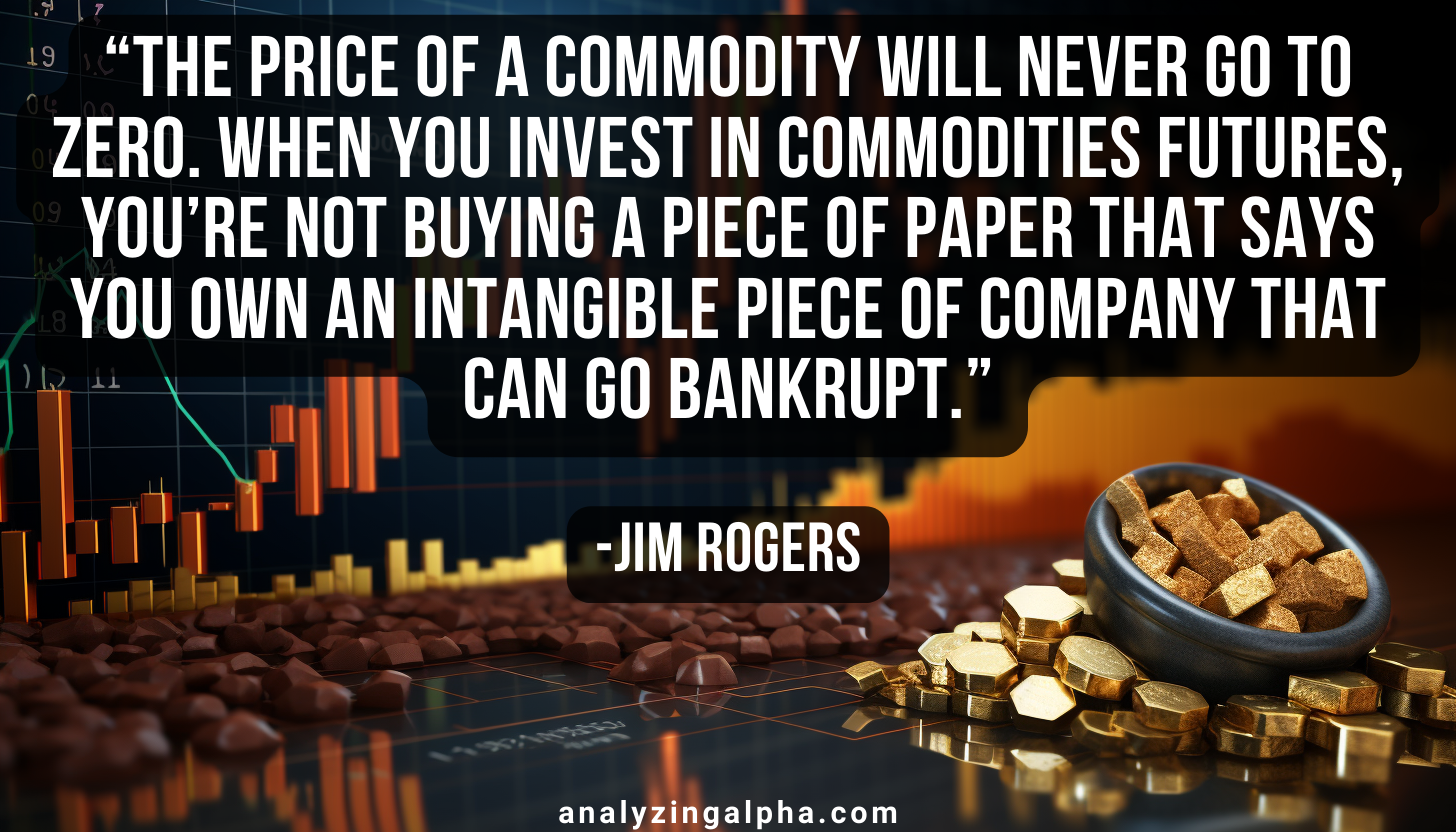
So, when an investor purchases a barrel of oil, an ounce of gold, a bushel of wheat, or a ton of copper, they are not merely acquiring a physical asset or a claim on one. They are expressing a profound belief—a belief in specific economic trends, geopolitical developments, environmental factors, and the inherent scarcity or utility of that particular resource. This conviction drives their investment decision, shaping their portfolio strategy and their outlook on global markets. Understanding these underlying beliefs is crucial to comprehending the intricate dance of commodity prices and the motivations of the participants in these essential markets.
The Core Belief: Future Value and Inherent Utility
At the heart of every commodity investment lies a fundamental conviction about its future value and its indispensable role in the global economy. This belief system is multifaceted, encompassing expectations of price movements, macroeconomic hedges, and portfolio diversification strategies.
Anticipation of Price Appreciation
The most straightforward belief driving commodity purchases is the expectation that the price of the commodity will rise. This anticipation is rarely arbitrary; it’s typically rooted in an analysis of supply and demand fundamentals. Investors might believe that global economic growth will increase demand for industrial metals like copper, or that geopolitical tensions will disrupt oil supplies, leading to higher energy prices. Similarly, adverse weather conditions in key agricultural regions could signal future shortages, prompting investments in grains or soft commodities. This belief in future price appreciation is often a response to perceived imbalances—either an increase in demand that outstrips current supply capabilities or a contraction in supply that fails to meet persistent demand. It’s a speculative bet on the market’s efficiency, or inefficiency, in pricing future realities.
Hedge Against Inflation and Economic Instability
Beyond direct price appreciation, many investors purchase commodities as a hedge against inflation and broader economic instability. Gold, in particular, has long been revered as a safe-haven asset, believed to retain its value or even appreciate when fiat currencies lose purchasing power due to inflation. This belief stems from gold’s finite supply, its historical role as a monetary standard, and its lack of counterparty risk. When the cost of living rises and traditional assets like stocks and bonds face headwinds, investors often pivot to precious metals or other hard assets, trusting that their intrinsic value will offer protection. This defensive allocation is not just about profit; it’s about preserving wealth and maintaining purchasing power in uncertain times, reflecting a belief in commodities as an anchor in a turbulent financial sea.
Diversification Benefits for Portfolio Resilience
A sophisticated investor also believes in the diversification benefits that commodities can offer within a broader investment portfolio. Historically, many commodities have exhibited a low correlation with traditional assets like stocks and bonds. This means that when equities or fixed-income markets are underperforming, commodities might be moving independently, or even in the opposite direction. By adding commodities, investors aim to reduce overall portfolio volatility and enhance risk-adjusted returns. This belief is grounded in modern portfolio theory, which posits that a diversified portfolio can achieve a smoother return profile than one concentrated in a single asset class. It’s a strategic belief that commodities, by virtue of their unique market drivers, can provide a ballast, making the entire investment ship more resilient to market storms.
Understanding the Drivers of Commodity Belief
The convictions that underpin commodity investments are not formed in a vacuum. They are shaped by a complex interplay of micro and macroeconomic forces, supply and demand dynamics, and geopolitical realities.
Supply-Side Dynamics and Scarcity Narratives
A significant driver of belief in a commodity’s future value is its supply-side dynamics. Investors closely monitor factors that can impact the availability of a commodity. This includes geological realities, such as the depletion rates of mines or oil fields, and the cost and feasibility of discovering new reserves. Political instability in major producing regions (e.g., oil-rich Middle Eastern countries or metal-rich African nations) can quickly disrupt supply chains, leading to price spikes. Environmental regulations, labor strikes, technological breakthroughs in extraction, or even natural disasters like floods or droughts affecting agricultural output all contribute to the supply narrative. When investors believe that future supply will be constrained—either genuinely scarce or artificially limited—their conviction in higher prices strengthens, fueling investment interest.
Demand-Side Dynamics and Economic Growth
Equally critical are the demand-side dynamics, which are often tied to global economic growth and demographic trends. A booming global economy, particularly driven by industrialization in emerging markets, naturally increases the demand for raw materials like iron ore, copper, and energy commodities. Population growth translates into higher demand for agricultural products and consumer goods that rely on various commodities. Technological advancements can also create entirely new demand streams; for instance, the rise of electric vehicles has dramatically increased demand for lithium and cobalt. Investors hold a belief that sustained economic expansion and evolving consumer needs will continue to drive up consumption of specific commodities, making them attractive long-term investments. This belief ties commodity performance directly to the pulse of global development.
Geopolitical and Macroeconomic Influences
Beyond direct supply and demand, broader geopolitical and macroeconomic factors heavily influence investor beliefs about commodities. Geopolitical tensions, trade wars, or armed conflicts can impact commodity prices by disrupting supply routes, imposing sanctions, or simply creating uncertainty that drives investors to safe-haven assets. Macroeconomic policies, such as interest rate decisions by central banks, currency fluctuations, and government fiscal spending, also play a crucial role. A weaker U.S. dollar, for example, can make dollar-denominated commodities cheaper for international buyers, potentially boosting demand. Conversely, rising interest rates can increase the cost of holding physical commodities, tempering demand. Investors integrate these complex global narratives into their decision-making, believing that certain geopolitical shifts or macroeconomic trends will create advantageous conditions for specific commodity classes.
The Spectrum of Commodity Investments and Their Belief Systems
The “commodity” umbrella covers a vast array of distinct assets, each with its own unique drivers, risks, and investor belief systems. Understanding these nuances is key to strategic allocation.
Energy Commodities: The Engine of Global Economy
When investors purchase energy commodities like crude oil, natural gas, or refined products, they believe in their fundamental role as the lifeblood of the global economy. Oil powers transportation, industry, and generates electricity. Natural gas is critical for heating, power generation, and industrial processes. The belief here is tied to global economic activity: a booming economy means higher energy consumption and, typically, higher prices. Conversely, economic slowdowns can depress demand. Beyond economic cycles, geopolitical stability, OPEC+ production quotas, and the transition to renewable energy sources significantly influence investor beliefs. Some believe in oil’s enduring relevance despite the green transition, while others bet on natural gas as a bridge fuel, or on new forms of energy derived from commodity resources.
Precious Metals: The Store of Value and Safe Haven
Investing in precious metals, predominantly gold and silver, is driven by a deep-seated belief in their enduring value, particularly during times of uncertainty. Gold is often called “crisis currency” or “inflation hedge.” Investors buy gold when they believe in potential currency devaluation, geopolitical instability, or systemic financial risk. Silver, while also a precious metal, has significant industrial applications, meaning its price can also be driven by industrial demand in addition to its safe-haven appeal. The belief in precious metals often stems from their historical role as money, their tangible nature, and their independence from government or corporate liabilities. It’s a belief in intrinsic worth and a refuge when confidence in paper assets or institutions wanes.
Industrial Metals: The Backbone of Infrastructure
Industrial metals such as copper, aluminum, iron ore, and zinc form the backbone of modern infrastructure and manufacturing. When investors purchase these commodities, their belief is strongly linked to global industrial output, urbanization, and infrastructure development. Copper, often called “Dr. Copper” for its predictive economic power, sees demand surge with construction, electronics, and automotive manufacturing. Iron ore is critical for steel production. The belief here is in the continuation of global industrialization, particularly in emerging markets, and government-led infrastructure projects. Investors are essentially betting on the physical growth and development of the world, understanding that these metals are indispensable for building societies.
Agricultural Commodities: Feeding the World
Agricultural commodities, including grains (wheat, corn, soybeans), softs (sugar, coffee, cocoa), and livestock, represent a different set of beliefs. Investors in this sector believe in the fundamental necessity of food and agricultural inputs, which are subject to unique variables. Weather patterns (droughts, floods), climate change, disease outbreaks, government subsidies, trade policies, and global population growth are paramount drivers. A belief in future price appreciation often arises from anticipated supply shortages due to adverse weather or increasing global demand for food and biofuels. Conversely, bumper harvests can lead to price declines. This investment class reflects a belief in the inelastic demand for food and the unpredictable nature of agricultural supply, making it a critical, yet volatile, component of the commodity complex.
Navigating the Risks and Rewards of Commodity Belief
While the beliefs driving commodity investments can be compelling, they are not without significant risks and require careful navigation to realize potential rewards.
Volatility and Market Sensitivity
One of the foremost risks in commodity investing is inherent volatility. Prices can swing wildly in response to breaking news, geopolitical events, or sudden shifts in supply or demand. A single weather report, a political decree, or an unexpected inventory release can send prices soaring or plummeting. This market sensitivity means that while the potential for high returns exists, so too does the risk of substantial losses. Investors must understand that their belief in future appreciation needs to be robust enough to withstand these frequent and often dramatic price fluctuations. The market is constantly reacting to new information, challenging even the most deeply held convictions.
Storage, Carrying Costs, and Futures Market Nuances
For investors considering physical commodities, the practicalities of storage and carrying costs introduce another layer of complexity. Holding barrels of oil or tons of grain incurs expenses for warehousing, insurance, and security. Even for those investing through futures contracts, specific market dynamics like ‘contango’ (where future prices are higher than current spot prices) and ‘backwardation’ (where future prices are lower) can impact returns. In a contango market, continually rolling over futures contracts can lead to a “roll yield” loss, eroding potential profits. These nuances require investors to not only believe in the commodity’s price direction but also understand the mechanics of the futures markets and the real-world costs associated with physical ownership or its derivatives.
Speculation vs. Long-Term Investment
It’s crucial to distinguish between short-term speculation based on fleeting beliefs and long-term strategic investment rooted in fundamental convictions. Many traders engage in short-term speculation, aiming to profit from rapid price movements driven by immediate news or technical analysis. Their “belief” might last only hours or days. In contrast, long-term investors in commodities typically hold a more enduring belief in a commodity’s value proposition over months or years, often as part of a diversified portfolio strategy or as a hedge. Understanding one’s own investment horizon and the nature of the belief—whether speculative or strategic—is paramount to managing risk and setting realistic expectations for returns.
Due Diligence and Continuous Research
The dynamic nature of commodity markets necessitates continuous due diligence and research. Investors cannot simply purchase a commodity based on a generalized belief and expect success. They must delve into specific market fundamentals: production capacities, consumption trends, technological developments, political landscapes of producing nations, and the impact of climate change. This requires staying informed through industry reports, macroeconomic data, and geopolitical analyses. A belief that is not regularly tested and updated against new information can quickly become outdated and lead to poor investment decisions. Successful commodity investing relies on an informed, evolving conviction rather than blind faith.
Cultivating a Sound Commodity Investment Strategy
For those whose beliefs align with the potential of commodity markets, a structured approach is essential to harness their power responsibly and effectively.
Adopting a Long-Term Perspective
Given the inherent volatility of commodity markets, adopting a long-term perspective is often beneficial. Short-term price swings, driven by transient news or speculative trading, can obscure the fundamental trends that inform deeper beliefs. A long-term investor focuses on the underlying supply and demand dynamics, global population growth, industrialization, and resource depletion cycles, which typically unfold over years, not weeks. This approach allows investors to ride out temporary dips and capitalize on sustained trends, aligning their investment horizon with the slower-moving forces that truly shape commodity values. It’s a belief in the endurance of fundamental economic principles over ephemeral market noise.
Portfolio Allocation and Risk Management
Integrating commodities into a broader investment portfolio requires careful consideration of allocation and robust risk management. Investors must determine an appropriate percentage of their portfolio to allocate to commodities, usually a smaller portion given their volatility. Diversification within commodities (e.g., across energy, metals, and agriculture) can also mitigate risk. Implementing strategies like stop-loss orders can help limit potential downside during unexpected market reversals. This systematic approach transforms a general belief in commodities into a disciplined investment strategy, ensuring that convictions are balanced with prudent risk mitigation.
Utilizing Different Investment Vehicles
Investors have a variety of vehicles to act on their commodity beliefs. Direct ownership of physical commodities can be complex and expensive. More commonly, investors use commodity-focused Exchange Traded Funds (ETFs) or Exchange Traded Notes (ETNs), which offer exposure to a basket of commodities or a single commodity through futures contracts. Another approach is investing in the stocks of companies that produce or process commodities, such as mining companies, oil and gas giants, or agricultural firms. Each vehicle has its own risk profile, cost structure, and nuances (e.g., contango risk in futures-based ETFs). Choosing the right vehicle depends on the investor’s specific belief, risk tolerance, and understanding of the underlying market mechanisms.

Staying Informed and Adaptive
The world of commodity investing is not static. Geopolitical landscapes shift, technological advancements disrupt industries, and environmental factors become increasingly dominant. Therefore, maintaining a successful commodity investment strategy requires continuous learning and adaptability. Investors must stay informed about global economic data, political developments, technological innovations affecting demand or supply, and climate science. Their beliefs about a commodity’s future must be flexible enough to adapt to new information and changing realities. This ongoing process of research, analysis, and recalibration ensures that investment decisions remain grounded in current realities rather than outdated assumptions, reinforcing the belief with informed conviction.
In conclusion, when investors purchase a commodity, they are not simply acquiring a raw material; they are buying into a powerful set of beliefs. These convictions span expectations of future price appreciation, the desire for inflation hedging and diversification, and a deep understanding of the intricate supply, demand, and geopolitical forces at play. While the potential rewards are significant, the path is fraught with volatility and complexity. A sound commodity investment strategy, therefore, is built upon a foundation of informed belief, rigorous due diligence, prudent risk management, and a commitment to continuous learning in an ever-evolving global landscape.
aViewFromTheCave is a participant in the Amazon Services LLC Associates Program, an affiliate advertising program designed to provide a means for sites to earn advertising fees by advertising and linking to Amazon.com. Amazon, the Amazon logo, AmazonSupply, and the AmazonSupply logo are trademarks of Amazon.com, Inc. or its affiliates. As an Amazon Associate we earn affiliate commissions from qualifying purchases.