
Halloween, a perennial carnival of transformation and revelry, offers more than just a night of frights and festivities. It presents a unique, often underestimated, opportunity for profound brand expression. From an individual selecting their attire for a party to a global corporation orchestrating a themed marketing campaign, the choice of a “costume” — in its broadest sense — is a potent statement. This is not merely about donning a disguise; it is a deliberate act of branding, a moment to reinforce, redefine, or even playfully subvert perceptions. In a world saturated with fleeting attention spans, leveraging cultural moments like Halloween for strategic branding can yield significant, memorable impact.

The Art of Personal Branding Through Halloween Attire
For individuals, Halloween is an annual canvas for self-expression, but viewed through a branding lens, it becomes a strategic decision. Your costume is a billboard for your personal brand, broadcasting messages about your personality, values, and aspirations.
Beyond the Fabric: What Your Costume Says About You
Every costume choice is laden with semiotics, communicating nuances about the wearer without a single word being spoken. Are you opting for a timeless classic, signalling a reverence for tradition and nostalgia? Or perhaps a cutting-edge pop culture reference, showcasing your awareness and contemporary relevance? A meticulously crafted, intricate costume might highlight your dedication and attention to detail, while a humorous, self-deprecating choice could underscore your approachable, witty persona. This is where your authentic self meets your aspirational self. A costume can amplify aspects of your personal brand you wish to project – whether it’s creativity, intellectual depth, playfulness, or even a subtle hint at your professional expertise. For instance, an engineer might cleverly integrate circuitry into their costume, subtly reinforcing their identity while participating in the festive spirit. The “which costume” question, therefore, transcends mere aesthetics; it delves into the very core of your personal narrative and how you wish to share it with your audience, whether that audience is a small group of friends or a broader professional network on social media.
Navigating Social Perceptions: Authenticity vs. Aspiration
The challenge in personal branding, especially during a playful event like Halloween, lies in balancing authenticity with aspiration. An overly aspirational costume that feels inauthentic can be perceived as disingenuous or forced. Conversely, a costume that is too comfortable and lacks any aspirational element might miss an opportunity to showcase growth or a different facet of your personality. The goal is to choose a costume that resonates with your core identity but perhaps also offers a glimpse into a desired future state or a side of you that isn’t always visible. It’s about consciously shaping how others perceive you, recognizing that every social interaction contributes to your brand narrative. A well-chosen costume can spark conversations, create connections, and reinforce positive associations, serving as an organic, low-pressure networking tool. It invites inquiry and allows for deeper engagement, acting as an icebreaker that aligns perfectly with a strategic personal branding approach.
Crafting a Memorable Persona: The Power of a Unique Statement
In a sea of generic vampires and witches, a truly unique and well-executed costume can be a powerful differentiator. It’s about more than just standing out; it’s about making a memorable statement that aligns with your brand’s essence. This uniqueness doesn’t necessarily mean obscure; it means thoughtful. Perhaps it’s a creative twist on a common theme, an unexpected pairing, or a costume that tells a compelling story. The goal is to create buzz, to leave an impression that lingers long after the party ends. When someone recalls your costume, they’re recalling an aspect of your personal brand. This lasting memory can be leveraged in future interactions, becoming a positive anecdote that strengthens your reputation. For professionals, this could mean demonstrating creativity, resourcefulness, or a sense of humor – qualities that are universally valued and contribute to a well-rounded personal brand.
Corporate Branding in the Spooky Season: Leveraging Halloween for Business
For businesses, Halloween offers a fertile ground for imaginative marketing and internal brand reinforcement. It’s a chance to connect with audiences on an emotional, playful level, often outside the confines of traditional advertising.
Thematic Marketing: Aligning Costumes with Brand Messaging
Companies can cleverly integrate Halloween themes into their marketing strategies, transforming the holiday into a branded event. This could involve product launches with spooky twists, limited-edition Halloween-themed merchandise, or digital campaigns that encourage user participation. For a tech company, this might manifest as a “haunted data” campaign, using playful scares to highlight data security features. A food brand could release a special “Monster Mash” recipe using their ingredients. The key is authenticity and alignment; the Halloween theme should feel natural and enhance, rather than overshadow, the core brand message. When executed well, thematic marketing during Halloween can boost brand visibility, drive engagement, and generate positive associations by tapping into the widespread excitement of the season. It allows brands to demonstrate their creative side and ability to connect with their audience’s cultural experiences.
Employee Engagement & Company Culture: Internal Branding Opportunities
Halloween is not just for external audiences; it’s a fantastic internal branding tool. Encouraging employees to dress up, decorating the office, or hosting a company-wide costume contest can significantly boost morale, foster a sense of community, and reinforce company culture. A startup known for its innovative spirit might encourage employees to come dressed as “future tech trends,” sparking creativity and showcasing their industry focus. A company dedicated to sustainability might challenge employees to create costumes from recycled materials, aligning with their eco-friendly values. These internal initiatives contribute to a stronger employer brand, making the company an attractive place to work. When employees feel connected to their workplace culture and have opportunities for fun, it translates into increased productivity, loyalty, and advocacy, which are invaluable assets for any brand.
Brand Visibility & Social Media Buzz: From Offline to Online Impact
A well-orchestrated Halloween campaign, whether personal or corporate, has immense potential for brand visibility, particularly through social media. Eye-catching costumes, creative office decorations, or engaging contests are inherently shareable. Businesses can leverage this by creating specific hashtags, running photo contests, and encouraging user-generated content. A local coffee shop, for instance, might invite customers to post photos of themselves in costume enjoying their Halloween-themed latte, offering a prize for the most creative post. This strategy turns customers into brand ambassadors, expanding reach organically and authentically. For personal brands, a standout costume shared across platforms can lead to increased followers, engagement, and even professional opportunities as it showcases personality and creative flair. The ephemeral nature of Halloween makes these online moments highly effective for creating immediate buzz and driving traffic.
Design Principles for Impactful Halloween Costumes
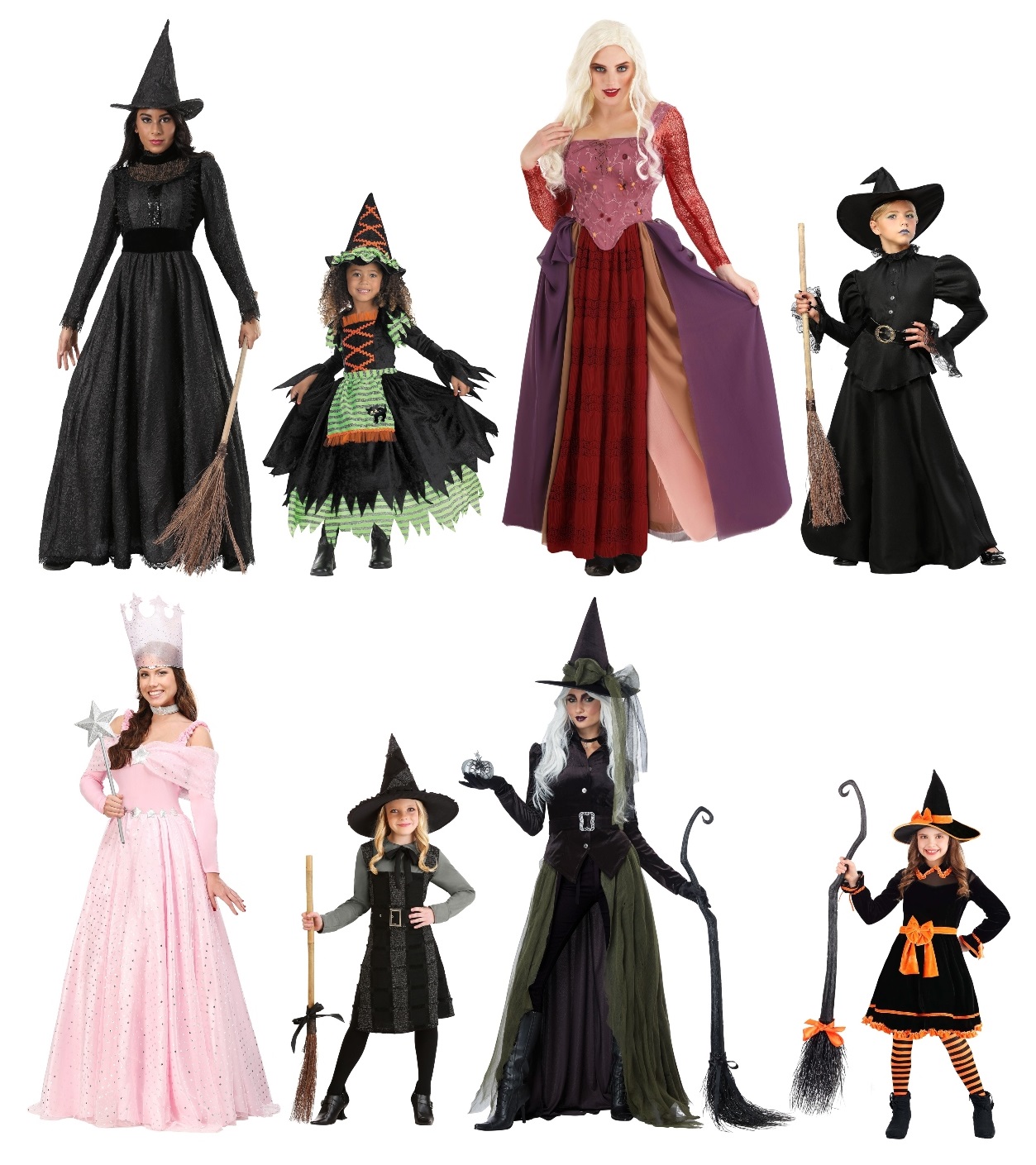
Beyond the conceptual framework of branding, the actual design and execution of a Halloween costume play a critical role in its impact. Thoughtful design elevates a costume from a mere disguise to a powerful brand statement.
Storytelling Through Design: Narratives in Niche Choices
Every great brand tells a story, and a Halloween costume is no different. The most impactful costumes convey a narrative, whether it’s a classic tale, a personal journey, or a humorous commentary. This involves paying attention to details, ensuring thematic consistency, and selecting elements that collectively weave a coherent message. For example, a costume depicting a historical figure isn’t just about mimicking their attire; it’s about embodying their essence through specific props, posture, and even subtle makeup. When a costume tells a story, it invites engagement, prompting questions and conversations that naturally extend the brand’s reach and impact. This thoughtful approach to design transforms a simple garment into a compelling piece of communication, reinforcing the brand’s ability to be creative, detail-oriented, and engaging.
Color Psychology & Symbolism: Crafting Emotional Connections
Colors are powerful psychological tools that evoke emotions and associations. In costume design, strategic use of color can enhance the brand message significantly. Deep purples and blacks might convey mystery and sophistication, while vibrant oranges and greens suggest playfulness and energy. Symbolism, too, plays a crucial role. A corporate mascot costume featuring specific brand colors and logos is an obvious example, but even in personal costumes, symbolic elements can subtly reinforce aspects of one’s brand. Wearing a crown might symbolize leadership; an animal costume could hint at loyalty or wildness. Understanding how these elements resonate with an audience allows for the creation of costumes that not only look good but also strategically communicate desired emotional connections and brand attributes.
DIY vs. Off-the-Shelf: Authenticity and Resourcefulness as Brand Traits
The decision to create a DIY costume versus purchasing an off-the-shelf option can itself be a brand statement. A meticulously crafted DIY costume showcases creativity, resourcefulness, and dedication – valuable traits for any personal or corporate brand. It suggests an investment of time and effort, conveying authenticity and a unique perspective. Conversely, a high-quality, off-the-shelf costume, chosen with discerning taste, can communicate sophistication and a keen eye for quality. Neither option is inherently superior; the choice depends on the specific brand message one aims to convey. For a brand that prides itself on innovation and grassroots efforts, a DIY approach might be more fitting. For a brand emphasizing luxury and convenience, a curated, high-end costume could be more appropriate. Each choice speaks volumes about the brand’s character and values.
Avoiding Brand Blunders: Pitfalls in Costume Selection
While Halloween offers tremendous branding opportunities, it also presents potential pitfalls. A poorly chosen costume can lead to negative publicity, alienate audiences, and undermine carefully built brand equity.
Cultural Sensitivity and Appropriation: The Ethical Imperative
Perhaps the most critical consideration in costume selection is cultural sensitivity. Costumes that appropriate cultural attire, reinforce harmful stereotypes, or mock religious symbols are not only offensive but can also cause significant damage to a brand’s reputation. What might seem like innocent fun to one person can be deeply disrespectful and hurtful to another. Brands, both personal and corporate, have an ethical imperative to be inclusive, respectful, and aware of the broader social context. Before finalizing any costume, it is crucial to research its cultural implications and consider how it might be perceived by diverse audiences. Prioritizing ethical considerations is not just about avoiding backlash; it’s about building a responsible and respected brand.
Maintaining Professionalism: When Fun Goes Too Far
For workplace Halloween events or any situation where one’s professional reputation is at stake, maintaining a degree of professionalism is paramount. While humor and creativity are encouraged, costumes that are overly provocative, politically charged, or could be seen as offensive to colleagues can quickly backfire. The goal is to participate in the festive spirit without compromising one’s professional standing or creating an uncomfortable environment for others. For corporate brands, this means establishing clear guidelines for employee costumes if an event is hosted, ensuring that all brand representatives uphold the company’s values and image. Balancing fun with decorum is key to successful professional branding during Halloween.
Brand Dilution: When Your Costume Contradicts Your Core Message
A costume, whether personal or corporate, should ideally reinforce or at least not contradict the core brand message. A serious, authoritative personal brand choosing an overtly silly or juvenile costume for a public event might inadvertently dilute their established image. Similarly, a corporate brand known for its cutting-edge innovation could confuse its audience by adopting an outdated or irrelevant Halloween theme. The “which costume” decision requires a careful assessment of how it aligns with your brand’s existing identity and values. Any deviation should be intentional and strategic, serving to add a new dimension to the brand rather than undermining its foundation. Consistency, even in jest, is a cornerstone of strong branding.
Measuring the Impact: Beyond Just a Spooky Night
The strategic selection of a Halloween costume should not end with the last piece of candy. To truly leverage this branding opportunity, it’s essential to assess its impact and learn for future brand expressions.
Feedback and Engagement: Gauging Audience Reaction
Post-Halloween, take the time to gauge the reaction your costume received. For individuals, this might involve reviewing comments on social media, reflecting on conversations sparked, and observing general feedback. For corporate brands, this could mean analyzing social media metrics, tracking mentions, and assessing customer engagement with Halloween-themed campaigns. Was the costume well-received? Did it generate positive buzz? Did it align with the intended brand message? This qualitative and quantitative feedback provides invaluable insights into how your brand is perceived and the effectiveness of your seasonal branding efforts. It’s a crucial step in the continuous cycle of brand development.
Long-Term Brand Resonance: The Afterglow of a Great Choice
A truly impactful Halloween costume can have a long-term resonance, becoming part of your brand’s narrative. People might recall “that amazing costume you wore,” years later, reinforcing positive associations. For corporate brands, a highly successful Halloween campaign might become an annual tradition, a signature event that customers anticipate, strengthening brand loyalty and presence. The goal is to create not just a fleeting moment of fun, but a lasting positive impression that contributes to the overall strength and memorability of the brand. This long-term impact distinguishes a merely fun costume from a strategically chosen, brand-enhancing one.
Iteration and Evolution: Learning for Future Brand Expressions
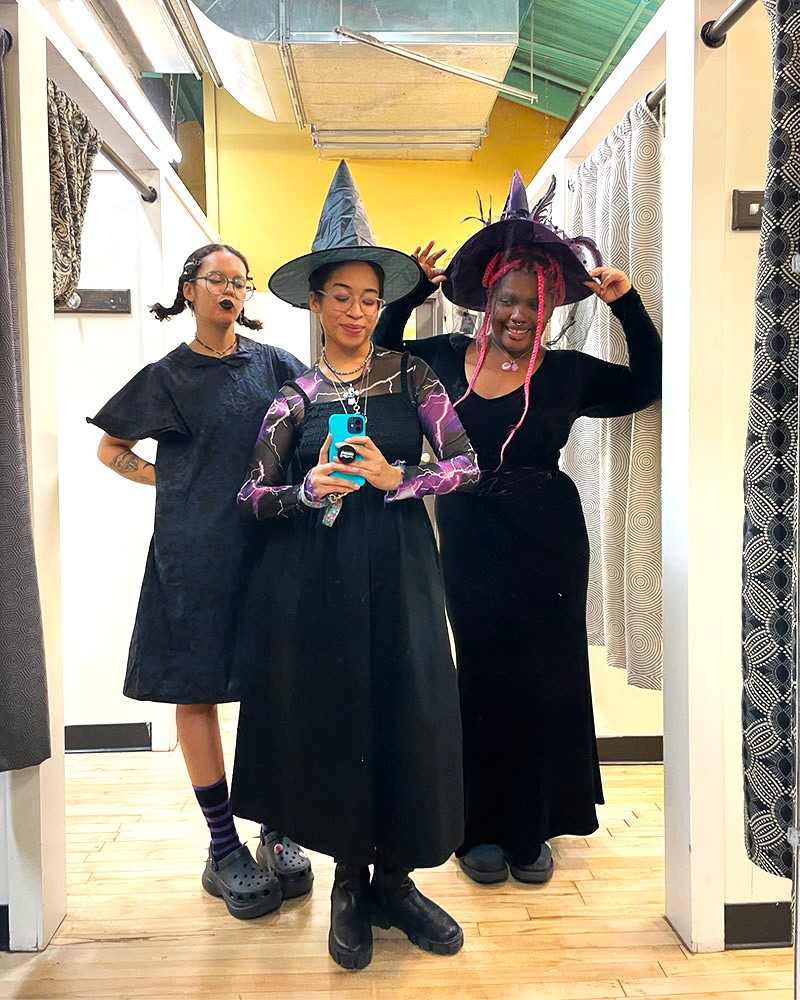
Finally, the “which costume” decision for Halloween should be viewed as part of an ongoing learning process in brand management. What worked well? What didn’t? Were there unexpected reactions? Understanding these outcomes allows for iteration and evolution in future brand expressions, whether for the next Halloween or other thematic opportunities. This continuous improvement mindset ensures that each branding effort, no matter how playful, contributes to a stronger, more refined brand identity over time. By approaching Halloween with strategic intent, individuals and corporations alike can transform a night of ghoulish delights into a powerful vehicle for brand reinforcement and engagement.
aViewFromTheCave is a participant in the Amazon Services LLC Associates Program, an affiliate advertising program designed to provide a means for sites to earn advertising fees by advertising and linking to Amazon.com. Amazon, the Amazon logo, AmazonSupply, and the AmazonSupply logo are trademarks of Amazon.com, Inc. or its affiliates. As an Amazon Associate we earn affiliate commissions from qualifying purchases.