
The Financial Footprint of a Fleet: Spirit Airlines’ Asset Base
For investors, financial analysts, and those interested in business finance, understanding the physical assets of a company like Spirit Airlines is paramount. The question, “how many planes does Spirit have?” extends far beyond a simple headcount; it delves into the core of the airline’s operational capacity, capital intensity, balance sheet structure, and ultimately, its profitability and valuation. Spirit Airlines, a prominent ultra-low-cost carrier (ULCC) in the North American market, operates a substantial fleet designed to support its high-frequency, point-to-point network model. While the exact number fluctuates due to new deliveries, retirements, and leasing agreements, Spirit typically commands a fleet well into the hundreds of aircraft, a scale that underpins its market strategy and financial performance.

Understanding Fleet Size as a Financial Metric
In the aviation industry, fleet size is a critical financial metric that signals a company’s scale of operations, potential revenue generation, and its capital requirements. Each aircraft represents a significant capital investment, whether owned or leased, impacting the company’s asset base, debt levels, and ongoing operational expenditures. For Spirit, a larger fleet enables broader market penetration, increased route density, and the capacity to serve a vast network of destinations. This scale is directly correlated with the airline’s ability to compete on price, a cornerstone of its ULCC model. From an investor’s perspective, analyzing fleet size and composition helps assess an airline’s growth trajectory, its ability to manage assets efficiently, and its exposure to market risks like fuel price volatility or economic downturns.
Spirit’s Operational Model and its Fleet
Spirit Airlines’ business model is predicated on maximizing asset utilization and minimizing costs. This translates directly into its fleet strategy. The airline primarily operates a single family of aircraft, predominantly Airbus A320 family jets (A319s, A320s, and A321s). This strategic choice yields substantial financial benefits:
- Reduced Maintenance Costs: A common fleet simplifies spare parts inventories, mechanic training, and maintenance procedures.
- Operational Efficiency: Pilots and cabin crew can be cross-qualified more easily, enhancing scheduling flexibility and reducing training overhead.
- Purchasing Power: Volume orders for aircraft and components often lead to better pricing and terms with manufacturers.
This homogenous fleet enables Spirit to achieve high daily utilization rates, meaning each plane spends more time in the air generating revenue and less time on the ground incurring costs. Such an operational model, deeply intertwined with its fleet strategy, is a key driver of Spirit’s cost advantage and its ability to offer competitive fares, influencing its market share and financial viability.
Capital Expenditure and Asset Management in Aviation
The acquisition and management of an aircraft fleet represent the largest capital expenditure for any airline. For Spirit, this involves strategic decisions that profoundly affect its balance sheet, cash flow, and long-term financial health. The process of expanding, modernizing, and maintaining a fleet is a continuous cycle of investment, depreciation, and optimization.
Acquisition Strategies: Purchase vs. Lease
Airlines generally acquire aircraft through two primary methods: direct purchase or leasing. Each method carries distinct financial implications:
-
Direct Purchase: When Spirit purchases aircraft, these assets appear on its balance sheet, increasing its property, plant, and equipment (PP&E) assets. This often requires significant upfront capital outlay or the issuance of debt, impacting leverage ratios and interest expenses. While ownership provides greater control and residual value retention, it also ties up substantial capital and exposes the airline to the risks of depreciation and technological obsolescence. Spirit, like many airlines, may utilize sale-leaseback arrangements, where new aircraft are purchased and immediately sold to a lessor, then leased back. This injects cash into the business while securing new aircraft.
-
Leasing: Leasing aircraft, particularly through operating leases, keeps the assets off the airline’s balance sheet (though new accounting standards like ASC 842/IFRS 16 require operating leases to be recognized as right-of-use assets and lease liabilities on the balance sheet). Leasing allows airlines to scale operations rapidly without the massive capital commitment of outright purchase, providing greater financial flexibility and reducing exposure to market fluctuations in aircraft values. It converts a large capital expense into a more predictable operational expense. For Spirit, a mix of owned and leased aircraft provides a balanced approach to managing capital, liquidity, and fleet flexibility.
Depreciation and Maintenance Costs
Aircraft, like all physical assets, depreciate over time. Spirit accounts for this through depreciation expenses on its income statement, reflecting the gradual decline in the economic value of its owned aircraft. This non-cash expense reduces taxable income, but it’s crucial for understanding the true cost of asset ownership. Beyond depreciation, maintenance is a colossal ongoing expense for any airline. Regular maintenance checks, engine overhauls, and repairs are mandatory for safety and operational reliability. Spirit’s reliance on a common fleet type helps streamline these costs, allowing for economies of scale in parts procurement and specialized labor. However, as aircraft age, maintenance costs tend to increase, a factor Spirit must continuously balance against the cost of acquiring newer, more efficient planes. Effective asset management involves forecasting these costs and making timely decisions about fleet modernization versus extending the life of existing aircraft.
Fleet Modernization and Fuel Efficiency
A continuous drive for fleet modernization is a financial imperative in the airline industry. Newer aircraft models often boast significant improvements in fuel efficiency, a critical factor for Spirit, given fuel is one of the largest operating expenses. Investing in newer, more fuel-efficient Airbus A320neo family aircraft can lead to substantial savings on fuel costs, directly impacting the airline’s bottom line. Beyond fuel, modern aircraft often come with lower maintenance costs, enhanced reliability, and a better passenger experience, which can boost load factors and ancillary revenue. Spirit’s ongoing investment in new deliveries reflects a strategic financial decision to reduce operating costs, improve environmental performance, and maintain a competitive edge through a modern, efficient fleet.
Spirit’s Fleet Composition and Growth Trajectory
Understanding the specifics of Spirit’s fleet – not just the total count but also the types and ages of its aircraft – provides deeper insights into its financial strategy and future growth prospects.
Current Fleet Snapshot
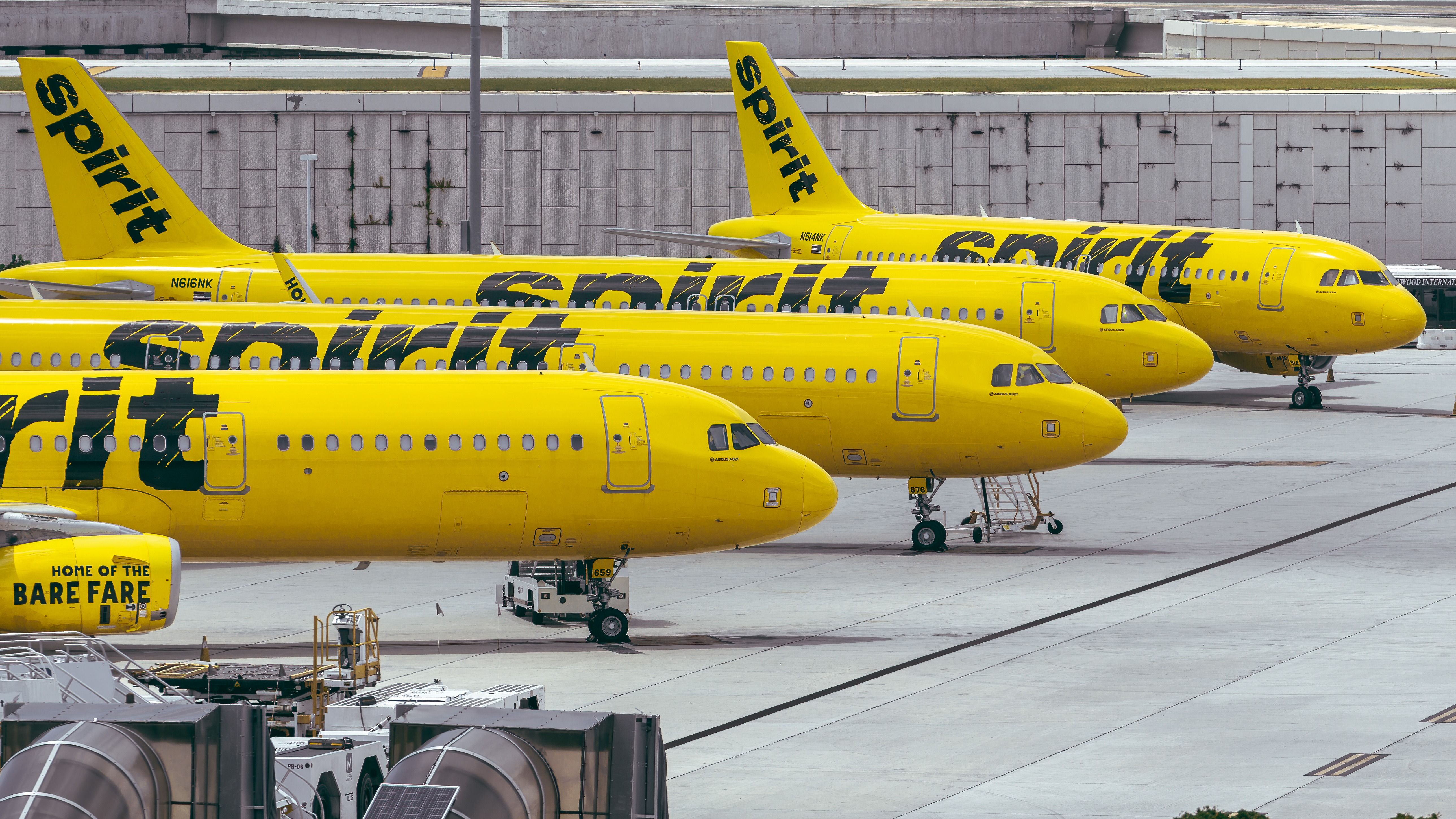
Spirit Airlines’ strategy centers around a narrow-body fleet, primarily composed of the Airbus A320 family. This includes:
- Airbus A319s: Typically used for routes with lower demand or longer range where a smaller capacity is more efficient.
- Airbus A320s (including A320neos): The workhorse of the fleet, balancing capacity with operational flexibility for a wide range of routes. The “neo” (new engine option) variants offer significant fuel efficiency improvements.
- Airbus A321s (including A321neos): Larger capacity aircraft deployed on high-demand routes or longer sectors to maximize revenue per flight. The A321neos also bring enhanced fuel economy.
This uniform fleet enables Spirit to maximize commonality in parts, training, and maintenance, which are critical cost-saving measures foundational to its ultra-low-cost model. The average age of the fleet is also a significant financial indicator; a younger fleet generally implies lower maintenance costs and better fuel efficiency, while an older fleet might be fully depreciated, leading to lower ownership costs but potentially higher operational expenses. Spirit aims to maintain a relatively young and efficient fleet to keep its operating costs competitive.
Future Orders and Strategic Implications
A look at Spirit’s aircraft order book reveals its planned growth trajectory and strategic investments. Airlines place orders for new aircraft years in advance, indicating their confidence in future demand and their long-term expansion plans. Spirit’s ongoing orders for A320neo and A321neo family aircraft signal a clear commitment to:
- Capacity Expansion: Adding more aircraft allows Spirit to open new routes, increase frequencies on existing ones, and expand its market reach, driving revenue growth.
- Fleet Modernization: Phasing out older, less efficient planes with newer models improves fuel economy and reduces maintenance, directly impacting operating margins.
- Market Share Growth: A growing fleet enables Spirit to capture a larger share of the budget travel market, intensifying competition and potentially consolidating its position against rivals.
These future commitments represent significant capital expenditure plans that will shape Spirit’s financial statements for years to come, influencing its debt levels, cash flow from investing activities, and ultimately, its shareholder value. Investors meticulously track these orders as a proxy for the company’s anticipated financial performance and strategic direction.
Investor Perspective: Why Fleet Size Matters
For an investor, the size and nature of Spirit’s fleet are much more than operational statistics; they are direct inputs into financial modeling, valuation, and risk assessment. A comprehensive understanding helps in evaluating the investment thesis for Spirit Airlines.
Revenue Generation Capacity
The most direct financial implication of fleet size is its impact on revenue generation capacity. More planes mean more available seat miles (ASMs) or available seat kilometers (ASKs) that can be sold. Spirit’s strategy of high seat density within its aircraft and high daily utilization rates aims to maximize revenue per available asset. Each flight translates into ticket sales, ancillary revenues (baggage fees, seat selection, etc.), and thus, total revenue. A growing fleet directly correlates with Spirit’s potential to increase its top-line revenue, provided it can fill those seats profitably.
Operational Leverage and Scalability
A large and standardized fleet provides significant operational leverage. Once the fixed costs associated with airport infrastructure, crew training, and maintenance facilities are covered, adding more flights or aircraft can lead to a disproportionate increase in profits. This is because the marginal cost of adding a flight using an existing aircraft type is relatively low. This scalability is crucial for an ultra-low-cost carrier like Spirit, allowing it to expand efficiently and capture economies of scale. Investors look for companies that can scale operations effectively without a linear increase in costs, and a well-managed fleet is central to this capability in the airline sector.
Valuation and Risk Assessment
Fleet size and composition play a vital role in an airline’s valuation. Analysts use metrics such as enterprise value per aircraft, or revenue per aircraft, to compare airlines and assess their efficiency. The financial health of the fleet – its age, mix of owned vs. leased, and future capital commitments – directly influences the company’s debt profile, its free cash flow, and ultimately, its equity valuation. Furthermore, fleet diversity (or lack thereof) can influence risk. While a single-type fleet offers cost advantages, it can also concentrate risk if there are issues with that specific aircraft model or its manufacturer. Investors assess these factors to determine the inherent risks and potential returns associated with an investment in Spirit Airlines.
Navigating the Dynamics of Airline Economics with Fleet Data
The competitive landscape of the airline industry is fierce, and fleet data offers invaluable insights into how Spirit positions itself, manages its balance sheet, and ensures financial stability.
Market Share and Competitive Positioning
The number and type of planes Spirit operates directly influence its market share and competitive positioning. A growing fleet allows Spirit to enter new markets, offer more competitive schedules, and challenge established carriers. In the ultra-low-cost segment, fleet size translates into network breadth and frequency, which are key differentiators. By strategically deploying its fleet, Spirit can carve out niches, stimulate demand with low fares, and expand its footprint in high-growth leisure markets, all of which are critical for sustained financial success.
Impact on Balance Sheet and Cash Flow
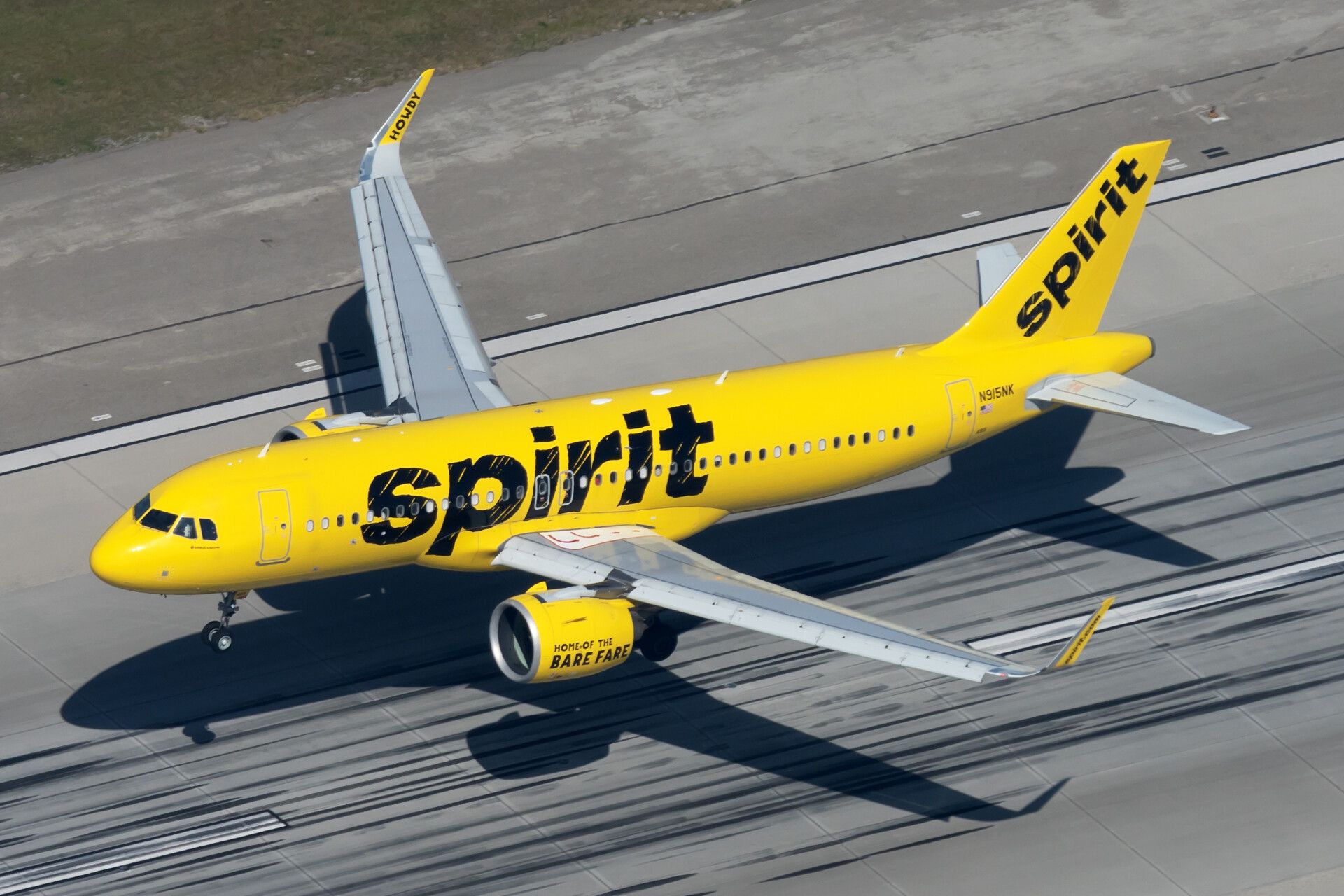
Every plane, whether owned or leased, leaves its mark on Spirit’s financial statements. Owned aircraft contribute to the asset base but also involve debt or equity financing, affecting the liability and equity sections of the balance sheet. Lease obligations represent significant off-balance-sheet commitments (now reflected on the balance sheet under new accounting standards as ROU assets and lease liabilities) that impact future cash outflows. Managing this complex interplay between assets, liabilities, and cash flow is central to Spirit’s financial strategy. The timing of new deliveries, aircraft retirements, and financing decisions are meticulously planned to optimize the balance sheet, maintain adequate liquidity, and ensure a healthy cash flow profile, all of which are under constant scrutiny by investors and creditors alike. Understanding “how many planes Spirit has” therefore becomes a gateway to deciphering its entire financial narrative.
aViewFromTheCave is a participant in the Amazon Services LLC Associates Program, an affiliate advertising program designed to provide a means for sites to earn advertising fees by advertising and linking to Amazon.com. Amazon, the Amazon logo, AmazonSupply, and the AmazonSupply logo are trademarks of Amazon.com, Inc. or its affiliates. As an Amazon Associate we earn affiliate commissions from qualifying purchases.