
In the dynamic world of entrepreneurship, securing funding is often the make-or-break factor for many aspiring and existing businesses. While traditional avenues like loans and equity investments are widely understood, business grants represent a unique and often misunderstood source of capital. Far from being merely “free money,” a business grant is a sum of money awarded to a business or individual, typically by a government agency, corporation, or foundation, that does not need to be repaid. It’s a strategic investment by the granting entity into a venture that aligns with its specific mission, objectives, or societal goals. Understanding the intricacies of business grants—what they are, who offers them, how they work, and their implications—is crucial for any entrepreneur seeking non-dilutive funding to fuel their growth and innovation.
Understanding the Fundamentals of Business Grants
To fully appreciate the value of business grants, it’s essential to dissect their core characteristics and differentiate them from other forms of business financing. This foundational understanding empowers businesses to identify appropriate opportunities and prepare effectively.
Defining Business Grants: More Than Just Free Money
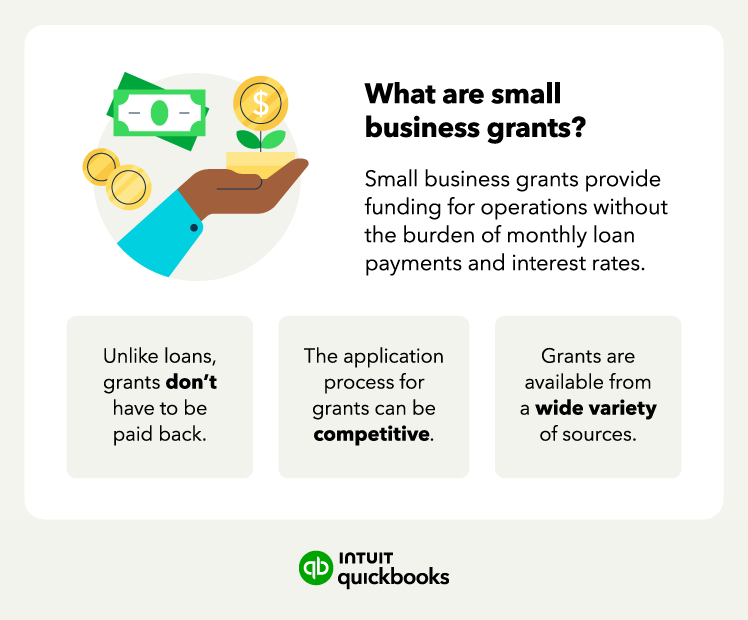
At its heart, a business grant is a non-repayable sum of money provided to an individual or organization. Unlike a loan, there is no expectation of repayment, nor does the grantor take an equity stake in your company, as with venture capital or angel investments. This characteristic makes grants highly attractive, as they allow businesses to retain full ownership and control while still receiving vital capital. However, this non-repayable nature doesn’t mean grants come without strings attached. Grantees are typically required to adhere to specific reporting requirements, use the funds for designated purposes, and demonstrate progress towards stated objectives. The term “free money” is misleading because the process of securing a grant is often arduous, highly competitive, and demands significant time and resources. It’s an investment of trust and capital by the grantor, with the expectation of a return—not financial, but in terms of achieving shared goals, fostering innovation, or addressing societal needs.
The Core Purpose Behind Grant Funding
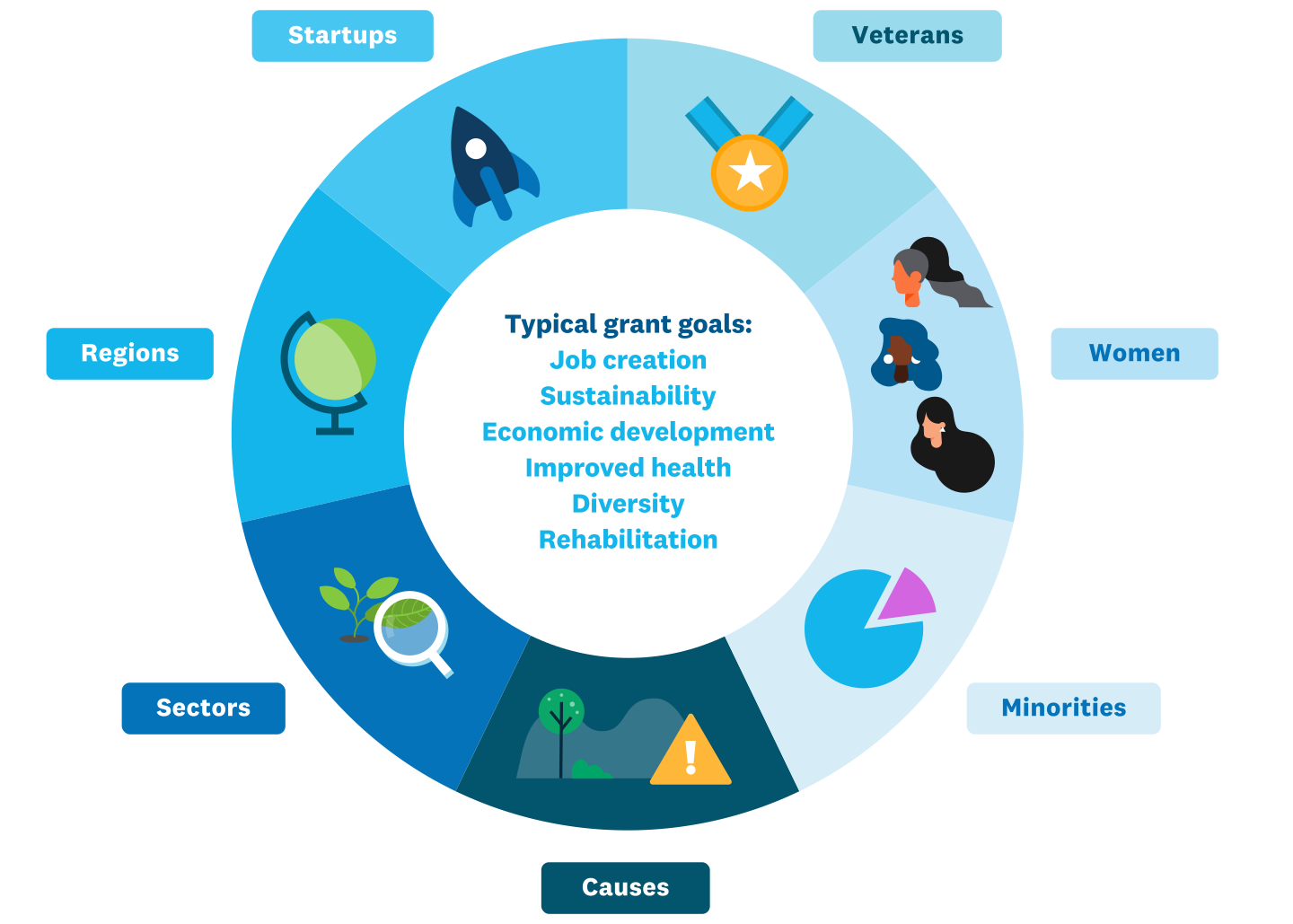
The motivations behind offering business grants are diverse and strategic. Grant-making entities, whether governmental bodies, private foundations, or corporations, typically have a clear agenda they seek to advance. For governments, grants often serve as a tool for economic development, job creation, promoting specific industries (e.g., green technology, healthcare innovation), supporting disadvantaged communities, or stimulating research and development. Private foundations, often established by wealthy individuals or families, focus on philanthropic missions, which could range from environmental conservation to social justice, education, or artistic endeavors. Corporations might offer grants as part of their corporate social responsibility initiatives, to support suppliers, foster innovation in their sector, or cultivate positive public relations. Understanding the grantor’s underlying mission is paramount for a successful application, as your proposal must clearly demonstrate how your business aligns with and contributes to their objectives.
Grant vs. Loan vs. Equity: Key Distinctions
Navigating the financial landscape requires a clear understanding of the different funding mechanisms available. Business grants stand apart from loans and equity financing in several critical ways:
- Loans: Require repayment with interest, typically over a fixed period. The lender assesses creditworthiness and collateral. Banks and credit unions are common sources.
- Equity Financing: Involves selling a portion of your company’s ownership (equity) to investors in exchange for capital. Investors become shareholders and share in profits and control. Venture capitalists and angel investors are common sources.
- Grants: Do not require repayment and do not demand an equity stake. They are awarded based on merit, alignment with the grantor’s mission, and potential impact. Grant funds are usually restricted to specific uses outlined in the proposal.
These distinctions highlight why grants are such a coveted form of funding. They provide capital without increasing debt burden or diluting ownership, offering a clean source of funds that can significantly de-risk a venture and accelerate its growth without immediate financial pressure.
Exploring the Diverse Landscape of Business Grants
The world of business grants is vast and varied, encompassing a multitude of sources, purposes, and target recipients. Identifying the right grant opportunity requires an understanding of where to look and what types of grants exist.
Government Grants: Federal, State, and Local Opportunities
Government bodies at all levels are significant sources of grant funding. These grants are typically designed to stimulate economic activity, address public needs, or foster innovation within specific sectors.
- Federal Grants: In countries like the United States, federal agencies such as the Small Business Administration (SBA), Department of Energy, National Institutes of Health (NIH), and the National Science Foundation (NSF) offer grants for a wide array of purposes, including research and development, technological innovation, and small business support. These are often highly competitive and come with stringent compliance requirements.
- State Grants: Each state often has its own economic development agencies that offer grants to businesses operating within their borders. These might focus on job creation, industry-specific growth (e.g., agriculture, manufacturing), or revitalizing particular regions.
- Local Grants: Municipalities and local economic development corporations may offer smaller grants to businesses that contribute to local community development, create jobs in specific neighborhoods, or support local infrastructure projects.
Private and Corporate Foundation Grants
Beyond government entities, a substantial portion of grant funding comes from private foundations and corporate philanthropic arms. These organizations often have specific mission statements and focus areas.
- Private Foundations: Established by individuals or families, these foundations typically have endowments and award grants to non-profit organizations, and increasingly, to for-profit social enterprises or businesses that align with their charitable goals. Their focus can be incredibly diverse, from arts and culture to environmental protection, healthcare, or education.
- Corporate Grants: Many large corporations operate foundations or dedicated grant programs as part of their corporate social responsibility (CSR) initiatives. These grants often support causes related to their industry, local communities where they operate, or broader societal issues they wish to address. For example, a tech company might offer grants for STEM education, or a food company might fund initiatives addressing food insecurity.
Industry-Specific and Niche Grants
Many grants are highly specialized, targeting businesses within particular industries or those addressing very specific problems. These grants are often less broadly advertised but can be incredibly lucrative for eligible businesses. Examples include grants for:
- Green Technology & Sustainability: Supporting businesses developing renewable energy, sustainable manufacturing, or eco-friendly products.
- Biotechnology & Healthcare: Funding research, development, and commercialization of new medical devices, drugs, or healthcare solutions.
- Agriculture & Food Systems: Grants for innovative farming practices, food processing, or improving food supply chains.
- Arts & Culture: Supporting creative businesses, artists, and cultural organizations.
Grants for Specific Demographics and Business Stages
Grant programs also frequently target specific demographics to promote equity and economic inclusion, or businesses at particular stages of development.
- Demographic-Specific Grants: Many grants are exclusively available to businesses owned by women, minorities, veterans, or individuals with disabilities. These aim to reduce historical barriers and promote entrepreneurship among underrepresented groups.
- Startup & Early-Stage Grants: Some programs are designed specifically for nascent businesses to help them overcome initial hurdles, conduct market research, or develop a minimum viable product.
- Growth & Expansion Grants: Other grants target established businesses looking to expand their operations, enter new markets, or scale their innovations.
The Benefits and Challenges of Securing a Business Grant
While grants offer undeniable advantages, the process of acquiring them and the responsibilities that come with them also present unique challenges that businesses must be prepared to navigate.
Advantages: Non-Dilutive Capital and Credibility
The primary advantage of a business grant is the provision of non-dilutive capital. This means businesses receive funding without having to give up any equity or incur debt. This is incredibly valuable, especially for early-stage companies, as it allows founders to maintain full control and ownership, preserving future equity for strategic investors or partners. Beyond the direct financial injection, securing a grant bestows significant credibility and validation upon a business. Grant awards are typically highly competitive and involve rigorous vetting processes. Winning a grant signals to potential investors, customers, and partners that your business has a viable concept, a strong team, and the potential for impact, making it easier to attract further funding or forge strategic alliances. Grants can also provide a crucial capital injection for projects with long R&D cycles or those in nascent industries where traditional financing might be scarce or too risky.
Potential Drawbacks: Competition and Stringent Requirements
Despite their allure, grants come with their own set of challenges. The most significant is the intense competition. Many businesses vie for a limited pool of funds, making the success rate often very low. This means businesses must invest considerable time and resources into crafting compelling proposals with no guarantee of success. Furthermore, grants are accompanied by stringent requirements and reporting obligations. Funds must be used strictly for the purposes outlined in the grant proposal, and grantees are often required to submit regular progress reports, financial statements, and detailed documentation to demonstrate compliance. Failing to meet these requirements can lead to clawbacks of funds or reputational damage, making careful financial management and meticulous record-keeping essential. The application process itself can be lengthy and complex, requiring specific formatting, detailed budgets, and extensive narrative sections, which can be particularly burdensome for small businesses with limited administrative staff.
Impact on Business Growth and Sustainability
The strategic deployment of grant funding can have a transformative impact on a business’s growth trajectory and long-term sustainability. Grants can fund critical research and development, allowing businesses to innovate without taking on excessive debt. They can enable the acquisition of specialized equipment, the hiring of key personnel, or the expansion into new markets that would otherwise be financially out of reach. For social enterprises or businesses focused on environmental impact, grants can be particularly vital, bridging the gap between mission-driven goals and financial viability. By providing a stable, non-repayable capital base, grants can foster resilience, allowing businesses to weather economic downturns, invest in future-proofing initiatives, and focus on sustainable practices that benefit both their bottom line and broader society. Ultimately, a well-placed grant can be a catalyst, propelling a business from concept to commercialization, or from nascent growth to established market leadership.
Navigating the Grant Application Process
Securing a business grant is a strategic endeavor that demands meticulous preparation, persuasive communication, and unwavering persistence. Understanding the lifecycle of a grant application is key to increasing your chances of success.
Research and Eligibility: Finding the Right Fit
The journey to securing a grant begins with thorough research. It’s not enough to simply find a list of grants; you must identify opportunities that are a precise match for your business’s mission, stage, industry, and project goals. Grantors have specific objectives, and your proposal must align perfectly with theirs.
- Identify Your Needs: Clearly define what you need funding for (e.g., product development, market research, equipment, scaling operations) and the amount required.
- Target Grantors: Research government agencies (federal, state, local), private foundations, and corporate giving programs. Use online databases, government portals (like Grants.gov in the U.S.), foundation directories, and industry associations.
- Scrutinize Eligibility Criteria: Carefully read the grant guidelines, often referred to as Request for Proposals (RFPs) or Notices of Funding Opportunity (NOFOs). Pay close attention to eligibility requirements regarding business type, size, location, owner demographics, project scope, and use of funds. Do not apply if you do not meet all criteria.
Crafting a Compelling Grant Proposal
The grant proposal is your opportunity to tell your story, articulate your vision, and convince the grantor that your business is a worthy investment. A compelling proposal is well-structured, clear, concise, and persuasive.
- Executive Summary: A powerful overview that captures the essence of your business, the problem you solve, your solution, the requested funding, and its expected impact. This is often the first, and sometimes only, section read in detail.
- Problem Statement: Clearly define the problem or need your business addresses, supported by data and evidence.
- Solution/Project Description: Detail your proposed project, how it will address the problem, and its specific activities and deliverables.
- Organizational Capacity: Demonstrate your team’s expertise, experience, and capability to successfully execute the project.
- Budget and Justification: Provide a detailed and realistic budget, justifying each expense item in relation to project activities.
- Evaluation Plan: Outline how you will measure the success and impact of your project, aligning with the grantor’s desired outcomes.
- Sustainability Plan: Explain how your project or business will continue to thrive beyond the grant period.
The Importance of a Strong Business Plan and Financial Projections
While the grant proposal focuses on a specific project, a comprehensive business plan and robust financial projections provide the underlying context and demonstrate the overall viability and future potential of your enterprise.
- Business Plan: A well-developed business plan shows that your business has a clear strategy, understands its market, has a competitive advantage, and possesses a sustainable operating model. It provides the bigger picture beyond the grant-funded project.
- Financial Projections: Realistic and detailed financial forecasts (income statements, cash flow projections, balance sheets) demonstrate financial acumen and illustrate how the grant funding fits into your broader financial strategy and contributes to your long-term profitability and solvency. Grantors want to ensure their investment is supporting a fundamentally sound and future-proof business.
Post-Award Compliance and Reporting
Securing a grant is not the end of the journey; it marks the beginning of a period of accountability. Grantees are responsible for meticulous financial management and adherence to all terms and conditions.
- Financial Management: Set up separate accounting for grant funds to ensure proper tracking and prevent commingling with other business finances. Maintain detailed records of all expenditures, invoices, and receipts.
- Progress Reports: Submit regular narrative and financial reports as required by the grantor, detailing activities undertaken, progress toward goals, challenges encountered, and how funds were utilized.
- Audits and Site Visits: Be prepared for potential audits or site visits from the grantor to verify compliance and progress.
- Communication: Maintain open and transparent communication with your grant officer, reporting any significant changes or issues promptly.
Proper compliance builds trust and can open doors for future funding opportunities.
Maximizing Your Chances of Grant Success
Given the competitive nature of grant funding, a strategic approach, coupled with strong execution, is crucial for increasing your likelihood of success.
Building a Strong Network and Seeking Mentorship
Success in the grant world often benefits from connections and guidance.
- Network with Grant Professionals: Attend workshops, webinars, and conferences focused on grant writing and funding. Connect with professional grant writers or consultants who can offer insights.
- Engage with Grantor Representatives: If possible and permitted, interact with program officers or foundation staff. Their insights can be invaluable in understanding the nuances of their funding priorities.
- Seek Mentorship: Find mentors who have successfully secured grants or have experience in your industry. Their advice can help refine your strategy and proposal.
Storytelling and Demonstrating Impact
A compelling grant proposal goes beyond mere facts and figures; it tells a story.
- Craft a Narrative: Present your business and project in a way that resonates emotionally and intellectually with the reviewers. What problem are you solving? Who benefits? What change will you create?
- Highlight Impact: Clearly articulate the measurable outcomes and broader impact of your project. Use specific metrics and describe how your work aligns with the grantor’s mission. Emphasize not just what you will do, but what difference it will make.
- Authenticity: Let your passion for your business and its mission shine through. Reviewers are often looking for genuine commitment and a clear vision.

Persistence and Learning from Rejection
Grant applications are rarely a one-shot deal. Rejection is a common part of the process, but it doesn’t have to be the end.
- Embrace Rejection as Feedback: If denied, politely request feedback from the grantor. Understanding why your proposal wasn’t selected is invaluable for improving future applications. It could be due to a mismatch in priorities, an unconvincing proposal, or simply intense competition.
- Refine and Reapply: Use feedback to strengthen your proposal. Don’t be afraid to revise your budget, refine your project description, or even seek a different grant opportunity that might be a better fit. Many successful grantees applied multiple times before securing funding.
- Diversify Funding Sources: Never rely solely on grants. Maintain a diversified funding strategy that includes other options like loans, equity, or bootstrapping, ensuring your business can continue to operate and grow even if grant funding isn’t immediately secured.
In conclusion, a business grant is a powerful, non-dilutive financial tool that can provide critical capital for businesses aligned with specific philanthropic or strategic objectives. While the application process is rigorous and competitive, the benefits—from financial enablement to enhanced credibility—are substantial. By understanding the fundamentals, exploring the diverse landscape of opportunities, meticulously navigating the application process, and adopting a persistent, strategic mindset, entrepreneurs can significantly improve their chances of securing grant funding and leveraging it to drive meaningful growth and impact within their ventures.
aViewFromTheCave is a participant in the Amazon Services LLC Associates Program, an affiliate advertising program designed to provide a means for sites to earn advertising fees by advertising and linking to Amazon.com. Amazon, the Amazon logo, AmazonSupply, and the AmazonSupply logo are trademarks of Amazon.com, Inc. or its affiliates. As an Amazon Associate we earn affiliate commissions from qualifying purchases.