
The dream of starting a business often feels synonymous with needing significant capital. Visions of lavish office spaces, extensive inventory, and large marketing budgets can deter aspiring entrepreneurs, making the $10,000 mark seem insufficient. However, in today’s dynamic economic landscape, $10,000 is far from a meager sum; it’s a powerful seed fund, capable of launching a robust, profitable venture if allocated strategically and paired with a clear vision. This article will guide you through identifying high-potential business models, making astute financial decisions, and building a sustainable enterprise with your initial $10k investment.
Strategic Foundations: Realistic Expectations and Smart Allocation of Your $10k
Embarking on an entrepreneurial journey with a defined budget like $10,000 requires a grounded understanding of what’s achievable and where your financial focus should lie. This isn’t just about spending money; it’s about investing it wisely to maximize your chances of success.
Deconstructing the $10k Budget: Where Every Dollar Counts
Before you even consider business ideas, it’s crucial to acknowledge that $10,000 will dictate a lean approach. This budget means you’ll likely be trading capital for sweat equity, leveraging personal skills, and seeking out cost-effective solutions wherever possible. Your initial capital isn’t just for purchasing; it’s for securing the bare essentials that enable operation and initial market penetration. This includes, but is not limited to, legal registration, essential tools, a basic marketing push, and potentially a small buffer for unexpected costs. Every dollar must have a clear purpose and a demonstrable return on investment, whether immediate or long-term.
Embracing the Lean Startup Mentality
The “lean startup” methodology is your most potent ally when operating with $10k. It advocates for rapid iteration, validated learning, and avoiding large, upfront investments in unproven ideas. Instead of building a perfect, fully-featured product or service from day one, you’ll focus on creating a Minimum Viable Product (MVP) – the simplest version of your offering that can be launched to a target market. This approach allows you to test assumptions, gather real-world feedback, and pivot if necessary, all without depleting your precious capital. It minimizes risk by prioritizing speed and efficiency in resource allocation. Your $10k should primarily fuel this iterative process, enabling you to learn and adapt quickly.
The Critical Role of Market Research
Even with a modest budget, neglecting thorough market research is a critical misstep. Understanding your target audience, identifying unmet needs, analyzing competitors, and validating demand for your proposed product or service doesn’t require vast sums of money. Utilize free or low-cost tools like Google Trends, social media analytics, online surveys, and competitor analysis. This research will inform your business model, pricing strategy, and marketing efforts, ensuring that your $10k is directed towards a validated opportunity rather than a hopeful guess. It helps you pinpoint niches where you can compete effectively without needing to outspend established players.
High-Potential Business Models Under $10k: Maximizing Your Return
The key to successful entrepreneurship with $10k lies in selecting business models that inherently have low startup costs, high-profit margins, and scalability. These often revolve around leveraging skills, digital platforms, or niche markets.
Service-Based Businesses: Monetizing Your Expertise
Perhaps the most capital-efficient path, service-based businesses require you to sell your time, skills, and knowledge rather than extensive physical products. Your primary investment is often in self-promotion, a professional online presence, and potentially specialized software or training.
- Freelance Consulting: If you have expertise in areas like marketing, finance, human resources, or IT, you can offer consulting services to small and medium-sized businesses. Your $10k can cover website development, professional branding, and initial outreach.
- Virtual Assistant Services: Offering administrative, technical, or creative assistance remotely is a booming sector. With your own computer and internet, you can start by marketing your skills on platforms like Upwork or Fiverr, using a portion of your budget for premium software subscriptions or a professional workspace setup.
- Coaching: Life coaching, business coaching, fitness coaching, or skill-specific coaching (e.g., public speaking, career development) leverages your ability to guide others. Your investment goes into certification (if desired), a professional website, and marketing yourself as an expert.
- Local Services: Cleaning services, personal training, handyman services, or mobile auto detailing are examples of services with minimal startup costs. Your $10k can fund basic equipment, insurance, local advertising, and reliable transportation.
Digital Ventures: E-commerce, Content Creation, and Online Courses
The internet offers unparalleled opportunities for low-overhead businesses with global reach.
- Niche E-commerce (Dropshipping/Print-on-Demand): Instead of warehousing inventory, dropshipping allows you to sell products directly from a supplier to the customer. Your $10k can be invested in setting up an e-commerce store (Shopify, WooCommerce), marketing (paid ads, social media), and securing reliable suppliers. Print-on-demand works similarly for custom apparel or merchandise, requiring even less upfront product investment.
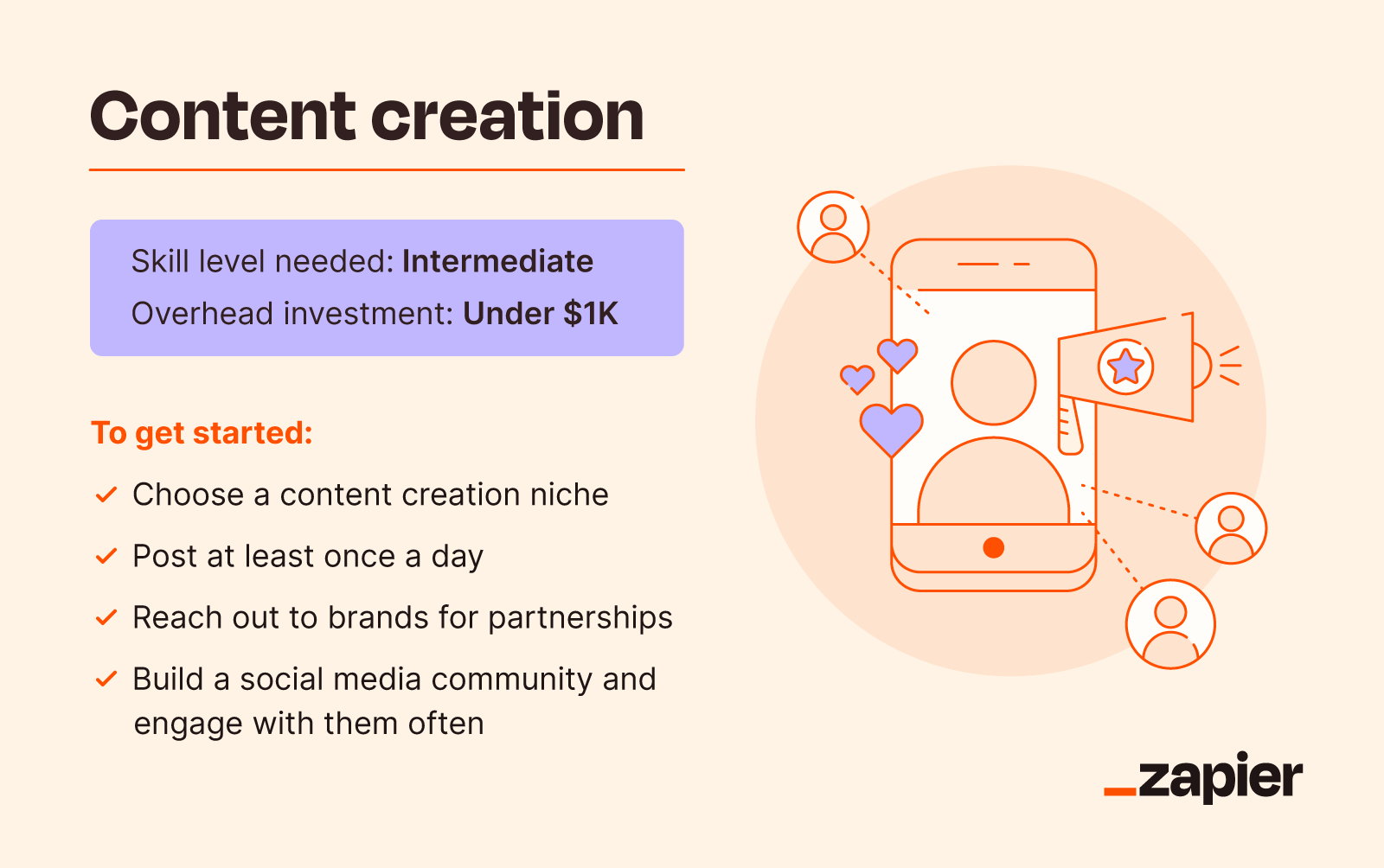
- Content Creation & Monetization: Building an audience through blogging, podcasting, or YouTube can be monetized through advertising, sponsorships, affiliate marketing, or direct sales of digital products. Your $10k can fund quality equipment (microphone, camera), website hosting, editing software, and initial promotional efforts.
- Online Courses & E-books: Package your knowledge into a digital course or e-book and sell it through platforms like Teachable, Thinkific, or Amazon Kindle Direct Publishing. Your investment covers course creation software, marketing, and potentially a professional editor or graphic designer for your materials.
Niche Product Businesses: Smart Sourcing and Direct-to-Consumer Models
While product-based businesses typically require more capital for inventory, specific models can thrive on a $10k budget by focusing on niche markets and efficient sourcing.
- Curated Subscription Boxes: Identify a specific interest (e.g., gourmet coffee, pet supplies, indie books) and curate monthly boxes. Your $10k can cover initial inventory for a small batch, packaging, and marketing to acquire initial subscribers. Pre-orders can help manage cash flow.
- Handcrafted Goods: If you have a craft skill (jewelry making, artisanal soaps, custom art), you can start small, selling on platforms like Etsy or local markets. Your $10k can go towards high-quality materials, tools, branding, and professional photography for your products.
- Reselling and Arbitrage: Buying undervalued items (e.g., from thrift stores, estate sales, clearance racks) and reselling them for a profit online (eBay, Poshmark, Amazon FBA) requires keen market knowledge more than massive capital. Your $10k can fund initial inventory purchases, cleaning/refurbishing supplies, and listing fees.
Investing Your $10k Wisely: Key Expenditure Categories for Sustainable Growth

Once you’ve identified a suitable business model, the allocation of your $10k becomes paramount. Every expenditure must be justified by its contribution to revenue generation, operational efficiency, or risk mitigation.
Essential Tools, Technology, and Infrastructure
Allocate a portion of your budget to foundational tools. For most businesses, this includes:
- Website and Hosting: A professional online presence is non-negotiable. Budget for a user-friendly website (using platforms like WordPress, Squarespace, or Shopify) and reliable hosting.
- Communication & Collaboration Tools: Essential for managing tasks and interacting with clients (e.g., Slack, Asana, Google Workspace). Many offer free tiers, but paid versions unlock critical features.
- Accounting Software: Crucial for tracking income and expenses from day one (e.g., QuickBooks Self-Employed, FreshBooks, Wave). This keeps your finances organized for tax purposes and financial analysis.
- Payment Processing: Set up reliable ways to accept payments (e.g., Stripe, PayPal, Square). Consider transaction fees in your pricing.
- Basic Office Supplies/Equipment: While you might start from a home office, ensure you have reliable internet, a functional computer, and potentially a good printer or phone service.
Marketing and Customer Acquisition Strategies
You can have the best product or service, but without customers, it’s just a hobby. Marketing is a critical investment.
- Digital Marketing: Focus on cost-effective digital strategies. This might include a small budget for targeted social media advertising (Facebook Ads, Instagram Ads), search engine optimization (SEO) tools, email marketing software (Mailchimp, ConvertKit), and content creation.
- Branding & Identity: Invest in a professional logo, consistent brand messaging, and appealing visuals. This can be done affordably through platforms like Canva, Fiverr, or by hiring a freelance designer for a limited scope.
- Networking & PR: While often free, time spent networking (online and offline) and pursuing local media coverage can yield significant returns without direct financial outlay from your $10k.
Legal, Administrative, and Professional Development Costs
Don’t overlook the vital protective and growth-oriented elements.
- Business Registration & Licenses: Depending on your location and business type, there will be fees for registering your business name, obtaining necessary licenses, and permits. Consult with local government resources or a small business advisor.
- Insurance: Liability insurance is often a non-negotiable expense, especially for service-based businesses, to protect against unforeseen circumstances.
- Professional Advice: A small allocation for initial consultation with an attorney (for legal structure, contracts) or an accountant (for tax implications, financial setup) can prevent costly mistakes down the line.
- Skill Enhancement: Investing in online courses, certifications, or workshops directly related to your business (e.g., advanced marketing, specific software skills) can be a high-ROI use of funds.
The Critical Buffer: Emergency Funds and Contingency Planning
One of the biggest mistakes budget entrepreneurs make is allocating every last dollar to startup costs. Always set aside a portion of your $10k (e.g., 10-20%) as an emergency fund. This buffer protects you from unexpected expenses, allows for cash flow fluctuations in the early months, and provides peace of mind. Without it, a small unforeseen cost could derail your entire venture. This is a financial imperative, not an option.
Navigating Growth: Financial Discipline and Scaling Beyond the Initial Investment
Your $10k is merely the starting point. Sustaining and growing your business demands ongoing financial acumen, strategic reinvestment, and an understanding of future funding avenues.
Mastering Cash Flow and Financial Projections
From day one, rigorous cash flow management is essential. Track all incoming and outgoing money meticulously. Understand your burn rate – how quickly you’re spending your capital without generating revenue. Create realistic financial projections, forecasting sales, expenses, and profitability for the first 12-24 months. This isn’t just an exercise; it’s your roadmap for making informed decisions, identifying potential shortfalls, and adjusting your strategy. Regularly review your actual performance against these projections to stay on course.
Reinvesting Profits for Exponential Growth
Once your business starts generating revenue, resist the urge to immediately draw large salaries or spend frivolously. A significant portion of your early profits should be reinvested back into the business to fuel growth. This could mean:
- Expanding Marketing Efforts: Investing in more aggressive advertising campaigns, exploring new channels, or hiring a specialized marketer.
- Scaling Operations: Upgrading tools, hiring part-time assistance, or expanding your product/service offerings.
- Improving Customer Experience: Investing in customer service tools, loyalty programs, or enhanced product features based on feedback.
This disciplined reinvestment accelerates your growth trajectory, allowing your $10k seed to blossom into a self-sustaining and expanding enterprise.
Recognizing When and How to Seek Additional Funding
While starting lean is vital, there will come a point when external funding might be necessary to scale significantly.
- Proof of Concept: Before seeking more capital, ensure you’ve successfully demonstrated your business’s viability and profitability with your initial $10k. Investors are looking for proven concepts, not just ideas.
- Options for Growth Capital: Explore options like small business loans (SBA loans), lines of credit, crowdfunding, or even angel investors, depending on your business model and growth potential. Understand the terms, interest rates, and equity implications of each.
- Strategic Partnerships: Sometimes, a strategic partnership can provide not just capital but also resources, networks, and expertise, acting as a force multiplier for your growth.
Avoiding Common Financial Pitfalls for Budget Startups
Many promising startups fail not due to a lack of ideas but due to poor financial management.
- Overspending on Non-Essentials: Resist the temptation for lavish office decor, expensive software you don’t fully utilize, or premature hiring. Every expense must be justified.
- Neglecting Legal & Tax Obligations: Failure to properly register, file taxes, or comply with regulations can lead to costly fines and legal issues that quickly deplete your budget.
- Underpricing Your Services/Products: Many budget startups underprice to attract customers, failing to cover costs and make a profit. Understand your value, your overheads, and price accordingly to ensure sustainability.
- Lack of Financial Forecasting: Operating without a clear financial plan or regularly updated projections is like navigating without a map; you’re likely to get lost and run out of fuel.
Starting a business with $10,000 is a testament to resourceful entrepreneurship. It demands discipline, creativity, and a relentless focus on value. By strategically allocating your capital, choosing the right business model, mastering financial management, and being prepared for growth, your initial $10k can become the springboard for a thriving, profitable venture that far exceeds its modest beginnings. The journey will be challenging, but with smart financial stewardship, it is profoundly rewarding.
aViewFromTheCave is a participant in the Amazon Services LLC Associates Program, an affiliate advertising program designed to provide a means for sites to earn advertising fees by advertising and linking to Amazon.com. Amazon, the Amazon logo, AmazonSupply, and the AmazonSupply logo are trademarks of Amazon.com, Inc. or its affiliates. As an Amazon Associate we earn affiliate commissions from qualifying purchases.