
A business plan is far more than a mere formality; it is the strategic cornerstone for any successful venture, whether a budding startup or an established enterprise seeking new avenues. It serves as your roadmap, your pitch, and your financial compass, guiding every decision from product development to market entry and, critically, your financial sustainability. In the realm of business finance, a well-crafted plan is indispensable for attracting investment, securing loans, and ensuring long-term profitability. Without a clear, detailed business plan, even the most innovative ideas often struggle to gain traction or secure the necessary capital to thrive.

This comprehensive guide will walk you through the essential elements of creating a robust business plan, with a keen focus on the financial insights and strategic considerations that will position your venture for success in the competitive economic landscape.
The Imperative of a Robust Business Plan
Many entrepreneurs view the business plan as a burdensome task, a document primarily for external consumption. However, its true value lies in its power as an internal strategic tool, especially concerning financial foresight and stability.
Beyond a Mere Document: A Strategic Blueprint
At its core, a business plan forces you to rigorously examine your business idea from every angle. It’s an exercise in critical thinking, market analysis, and self-assessment that can uncover potential pitfalls and unforeseen opportunities. From a financial perspective, this internal scrutiny helps clarify revenue models, identify cost drivers, and establish realistic financial goals. It encourages you to think about how your business will generate profit, manage cash flow, and ultimately achieve financial independence. Without this blueprint, strategic decisions can become reactive and uncoordinated, leading to inefficient resource allocation and missed financial targets.
Securing Investment and Funding
Perhaps the most recognized function of a business plan is its role in attracting capital. Investors, lenders, and venture capitalists rely heavily on a well-structured plan to assess the viability and potential return on investment of your venture. They scrutinize the financial projections, market analysis, and management team’s capabilities to determine if your business is a worthwhile risk. A compelling business plan demonstrates that you have done your homework, understand the market, and have a clear, credible path to profitability. It answers their fundamental question: “How will I get my money back, and with what return?” A plan that lacks robust financial analysis or clearly defined funding needs will quickly be dismissed, regardless of the brilliance of the underlying idea.
Guiding Operational and Financial Decisions
Once funded, the business plan continues to serve as an invaluable operational guide. It helps maintain focus on core objectives, measure progress against established benchmarks, and make informed financial decisions. For instance, the sales forecasts and expense budgets laid out in your plan can be used to monitor actual performance, identify variances, and implement corrective actions. It ensures that daily operations align with the overarching financial strategy, preventing common missteps like overspending, underpricing, or misallocating critical resources. It’s the living document that ensures your financial aspirations translate into tangible operational realities.
Core Components of a Financially Sound Business Plan
While individual plans may vary, certain sections are universal and particularly crucial for demonstrating financial acumen and potential.
Executive Summary: The Snapshot for Investors
This is often the first, and sometimes only, section an investor will read. It must concisely articulate your business concept, market opportunity, unique selling proposition, financial highlights (e.g., projected revenue, profit margins, funding request), and the expertise of your team. For financial stakeholders, this summary must immediately convey the business’s investment potential and financial health. It should be compelling enough to entice them to delve deeper into the detailed financial projections.
Company Description and Vision
Beyond the mission statement, this section details the legal structure of your business (e.g., sole proprietorship, LLC, corporation), which has significant financial and tax implications. It also articulates your long-term vision, which should ideally include a path to financial growth and sustainability. Understanding the legal framework is essential for managing liabilities, taxes, and future financing rounds.
Market Analysis: Understanding Your Financial Landscape
A thorough market analysis goes beyond simply identifying your target audience; it quantifies market size, growth potential, and competitive landscape. From a financial perspective, this means understanding potential market share, projected sales volume, pricing strategies, and how these factors translate into revenue streams. It involves assessing the financial health of your competitors, identifying industry trends that could impact your revenue or costs, and pinpointing opportunities for market penetration that are financially viable.
Organization and Management: Who Manages the Money?
This section outlines your organizational structure and key personnel. For investors, the management team is a critical factor, second only to the financial projections. They want to see a team with the expertise to execute the business plan and, crucially, to manage the finances responsibly. Highlight the experience in finance, operations, sales, and marketing that your team brings to the table, demonstrating their collective ability to achieve financial targets.
Service or Product Line: What You’re Selling (and its Cost/Revenue)
Describe your products or services, their unique benefits, and their lifecycle. Crucially, from a financial perspective, this section should detail your pricing strategy, cost of goods sold (COGS), and how you plan to scale production or service delivery while maintaining profitability. Transparently addressing the unit economics of your offering is vital.
Marketing and Sales Strategy: How You’ll Generate Revenue
This section explains how you will attract and retain customers, directly impacting your revenue forecasts. Detail your marketing channels (e.g., digital marketing, PR, direct sales), customer acquisition costs (CAC), and sales funnel. Investors need to see a clear, cost-effective strategy for generating sales and revenue. A high CAC without a corresponding high customer lifetime value (CLTV) is a red flag.
Funding Request: The Ask and Its Justification (Crucial Financial Aspect)
If you’re seeking funding, this section is paramount. Clearly state the exact amount of capital you require, how it will be used (e.g., equipment, marketing, working capital, salaries), and what milestones this investment will enable you to achieve. Crucially, outline the financial terms you’re offering (e.g., equity stake, interest rate, repayment schedule) and your exit strategy for investors. Every dollar requested must be justified with a clear financial purpose and expected return.
Financial Projections: The Heartbeat of Your Plan
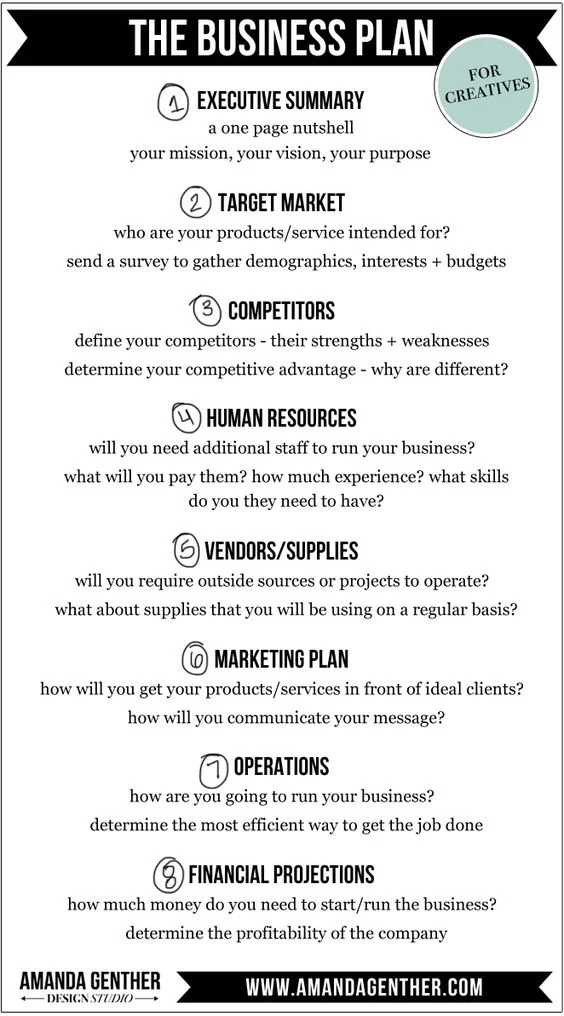
This is arguably the most critical section for any business plan focused on the “Money” category. It provides a detailed forecast of your company’s financial performance for the next 3-5 years, often broken down monthly for the first year. It includes several key financial statements, each offering a distinct view of your fiscal health.
Diving Deep into Financial Projections
Financial projections are not just educated guesses; they are data-driven forecasts that build credibility and demonstrate viability.
Startup Costs and Funding Sources
Before projecting income, you must detail your initial investment. List all one-time expenses required to start your business (e.g., equipment, legal fees, initial inventory, website development). Specify how these costs will be covered—whether through personal savings, loans, or investor capital. This upfront financial transparency sets the stage for all subsequent projections.
Sales Forecast: Projecting Revenue Streams
Based on your market analysis and marketing strategy, project your sales volume and corresponding revenue. Be realistic, not overly optimistic. Consider seasonality, pricing, and market penetration rates. Break down sales by product line, service, or customer segment if applicable. Justify your assumptions with market research, industry benchmarks, or pilot program results. This forecast underpins your entire financial model.
Profit and Loss (P&L) Statement: Tracking Profitability
Also known as the Income Statement, the P&L details your revenues, costs of goods sold (COGS), operating expenses, and ultimately, your net profit or loss over a specific period. It’s essential for understanding if your business is generating more money than it spends. Investors will scrutinize your gross margins, operating margins, and net profit margins to assess operational efficiency and profitability potential.
Cash Flow Statement: Managing Liquidity
The cash flow statement tracks the actual movement of cash into and out of your business. Unlike the P&L, which records revenue when earned and expenses when incurred (accrual basis), the cash flow statement reflects actual cash transactions. This is critical because a business can be profitable on paper but still run out of cash. It shows your ability to generate cash from operations, investments, and financing, ensuring you have enough liquidity to pay your bills and grow.
Balance Sheet: Assessing Financial Health
The balance sheet provides a snapshot of your company’s assets, liabilities, and owner’s equity at a specific point in time. It helps assess your financial strength, solvency, and liquidity. Investors use it to understand how your assets are financed and your overall financial structure. A healthy balance sheet indicates a stable and well-managed financial position.
Break-Even Analysis: When Will You Turn a Profit?
This analysis determines the point at which your total revenues equal your total costs, meaning you are neither making a profit nor incurring a loss. It’s a crucial metric that tells you how many units you need to sell, or how much revenue you need to generate, to cover all your expenses. This provides a clear target for sales and production and helps assess the risk profile of your venture.
Crafting a Compelling and Actionable Plan
Beyond the numbers, the way you present your plan matters significantly.
Research and Data-Driven Insights
Every assumption, especially in the financial sections, must be backed by credible research, industry data, or pilot project results. Avoid guesswork. The more data-driven your insights, the more credible your projections become to potential investors and lenders.
Realistic Assumptions and Contingency Planning
While optimism is a valuable entrepreneurial trait, realism is crucial in a business plan. Be conservative with revenue projections and liberal with expense estimates. Furthermore, include a section on potential risks and how you plan to mitigate them. This demonstrates foresight and a robust understanding of the financial uncertainties inherent in any business. What if sales are 20% lower than projected? How will that impact your cash flow?
Clarity, Conciseness, and Professional Presentation
A business plan should be clear, concise, and easy to understand. Avoid jargon where possible, and ensure your financial tables and charts are well-formatted and easy to interpret. A professional presentation reflects positively on your business and its management team, conveying attention to detail and seriousness.
Regular Review and Adaptation
A business plan is not a static document. The market evolves, economic conditions change, and your business learns and grows. Regularly review and update your plan (at least annually, or more frequently if significant changes occur) to reflect new information, adjust strategies, and re-evaluate financial projections. This ensures it remains a relevant and dynamic tool for financial management.
Leveraging Your Business Plan for Success
The true value of a business plan extends beyond its creation; it lies in its application.
Attracting Investors and Lenders
With a well-articulated business plan, you are equipped to confidently approach banks, angel investors, venture capitalists, and grant providers. It serves as your primary sales tool, clearly demonstrating your vision, market potential, management capabilities, and, most importantly, your financial viability and potential for return on investment. It answers their core questions and instills confidence in your venture.
Internal Strategic Alignment and Goal Setting
Internally, the business plan fosters alignment among your team. Everyone understands the company’s mission, strategies, and financial objectives. It provides a basis for setting key performance indicators (KPIs) and measurable goals, ensuring that individual and team efforts contribute directly to the overall financial health and success of the business.

Monitoring Performance and Financial Health
Your business plan should become a benchmark against which you continuously measure actual performance. Regularly compare your actual revenues, expenses, and cash flow against your projections. This allows you to quickly identify deviations, understand their causes, and implement necessary adjustments to stay on track financially. It’s a proactive tool for maintaining fiscal discipline and steering your business towards sustainable growth and profitability.
In conclusion, writing a business plan is an arduous but ultimately rewarding endeavor. For any entrepreneur serious about long-term financial success, it’s an indispensable tool that crystallizes ideas, validates market potential, attracts critical funding, and guides the complex journey of building and growing a financially robust enterprise. Approach it with diligence, realism, and a keen focus on the numbers, and it will serve as your most trusted financial advisor.
aViewFromTheCave is a participant in the Amazon Services LLC Associates Program, an affiliate advertising program designed to provide a means for sites to earn advertising fees by advertising and linking to Amazon.com. Amazon, the Amazon logo, AmazonSupply, and the AmazonSupply logo are trademarks of Amazon.com, Inc. or its affiliates. As an Amazon Associate we earn affiliate commissions from qualifying purchases.