
Embarking on the entrepreneurial journey is a thrilling prospect, filled with the promise of independence, innovation, and financial reward. However, the path to establishing a successful business is paved with critical financial decisions, strategic planning, and meticulous management. This guide delves into the essential monetary considerations involved in setting up your own enterprise, providing a roadmap from initial concept to sustainable operation. Understanding and mastering these financial pillars are not just administrative tasks; they are the bedrock upon which your business’s future success and profitability will be built.
Laying the Financial Foundation: Initial Planning & Capital
Before a single product is sold or service rendered, the financial groundwork for your business must be meticulously laid. This initial phase is about envisioning your venture’s financial future and securing the resources to make it a reality.
Defining Your Business Idea with a Financial Lens
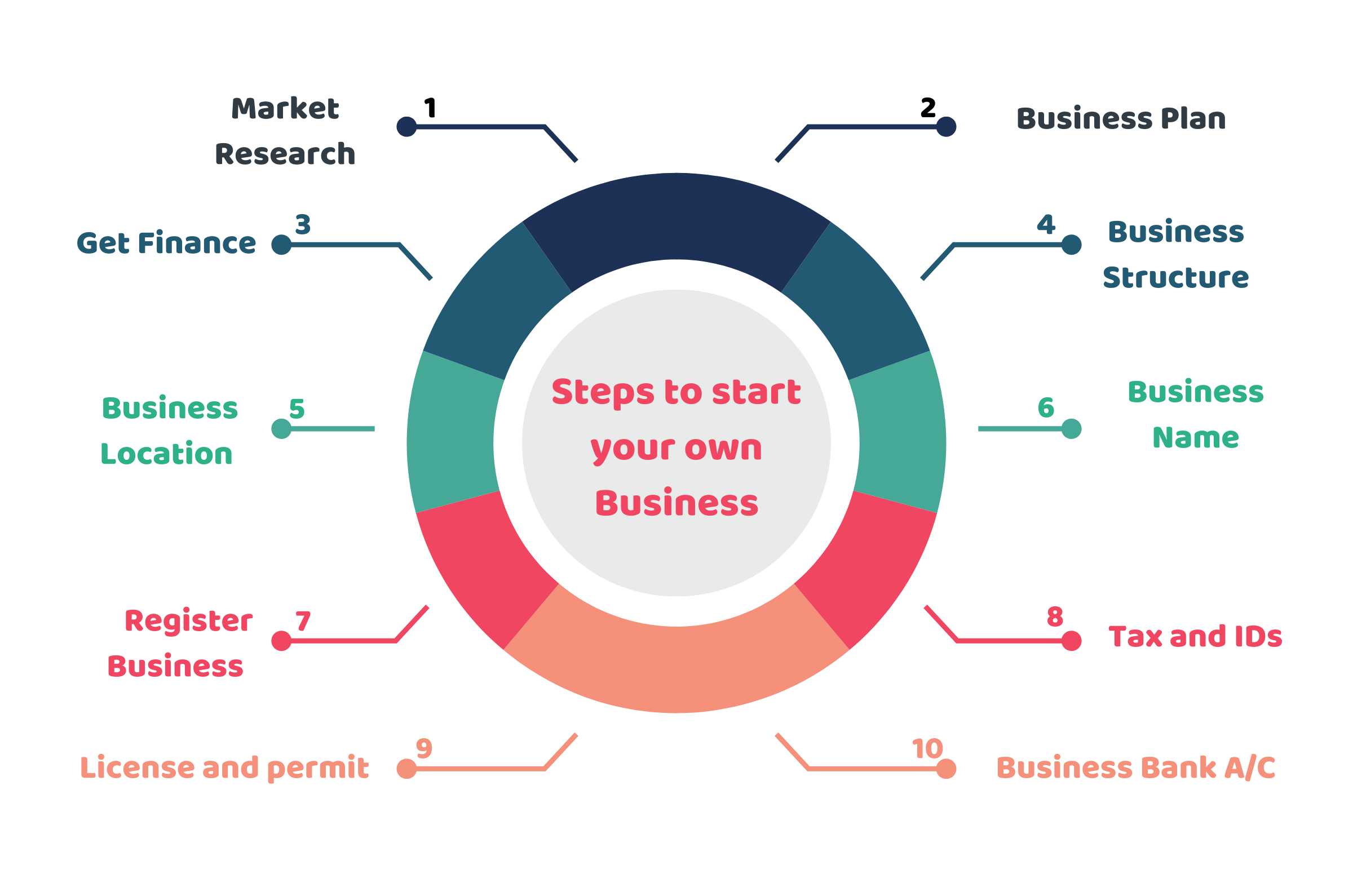
Every successful business starts with a viable idea, but for an entrepreneur, “viable” must also translate into “financially viable.” Before investing significant time and capital, thoroughly assess your business concept from a monetary perspective. What problem does your product or service solve, and are customers willing to pay for it? Conduct market research to understand your target audience’s purchasing power and willingness to spend. Analyze competitor pricing strategies to position your offering competitively yet profitably. Crucially, project potential revenue streams and evaluate the cost structure required to deliver your value proposition. A strong financial outlook at this stage can either validate your idea or prompt necessary adjustments before deeper commitment.
Crafting a Robust Business Plan: The Financial Blueprint
A business plan is more than just a document; it’s your venture’s strategic financial blueprint. While it covers operational and marketing aspects, its core lies in the financial projections. This section should detail your startup costs, projected profit and loss statements, cash flow forecasts, and break-even analysis.
- Startup Costs: Enumerate every expense required to get your business off the ground – from legal fees and permits to initial inventory, equipment, marketing, and rent.
- Profit and Loss (P&L) Statement: Project your revenues and expenses over a specific period (e.g., first three years) to estimate net profit or loss.
- Cash Flow Forecast: This is vital. It tracks the money coming in and going out of your business, highlighting potential shortfalls even if the P&L shows profit. Cash is king, and understanding its flow prevents liquidity crises.
- Break-Even Analysis: Calculate the point at which your total revenues equal your total costs, signifying when your business begins to make a profit.
Lenders and investors scrutinize these financial sections closely, making their accuracy and realism paramount.
Estimating Startup Costs and Operating Expenses
An accurate estimation of your initial expenses is crucial for fundraising and budgeting. Divide your costs into two categories:
- One-time Startup Costs: These include business registration fees, initial inventory purchase, equipment, website development, brand design, and initial marketing campaigns. Don’t forget a contingency fund (typically 15-20% of your total estimate) for unforeseen expenses.
- Ongoing Operating Expenses: These are recurring costs like rent, utilities, salaries, marketing, supplies, and loan repayments. Project these monthly and ensure your initial capital can cover several months of operating expenses even before revenue stabilizes. Overestimating expenses is always safer than underestimating.
Exploring Funding Avenues: Securing Your Capital
With a clear financial plan, you’ll know how much capital you need. Now, the question is where to find it.
- Self-Funding (Bootstrapping): Using personal savings, credit cards, or loans from friends and family. This offers maximum control but also carries personal risk.
- Small Business Loans: Traditional banks, credit unions, and online lenders offer various loan products. Be prepared with a solid business plan, good personal credit, and often collateral.
- Venture Capital (VC) & Angel Investors: For high-growth potential businesses, VCs and angel investors provide capital in exchange for equity. This typically requires a compelling pitch and significant potential for return.
- Crowdfunding: Platforms like Kickstarter or Indiegogo allow you to raise capital from a large number of individuals, often in exchange for pre-orders or unique rewards.
- Government Grants and Programs: Certain industries or demographics may qualify for government grants or specialized programs designed to foster small business growth. These are often non-repayable but highly competitive.
Choosing the right funding source depends on your business type, capital needs, risk tolerance, and growth projections.
Legal & Financial Structures: Safeguarding Your Enterprise
The legal structure you choose for your business has profound financial implications, affecting everything from personal liability to taxation and administrative burden. Selecting the appropriate structure is a critical early decision.
Choosing the Right Business Structure
Your business structure dictates how you manage finances, pay taxes, and handle liability.
- Sole Proprietorship: Simple to set up, minimal costs, and you have complete control. However, there’s no legal separation between you and your business, meaning personal assets are at risk for business debts. Taxation is straightforward as business income is reported on your personal tax return.
- Partnership: Similar to sole proprietorships but involves two or more owners. Profits and losses are passed through to partners’ personal income. It’s crucial to have a comprehensive partnership agreement detailing financial contributions, profit distribution, and dispute resolution.
- Limited Liability Company (LLC): Offers personal liability protection (separating personal and business assets) while allowing for pass-through taxation similar to a sole proprietorship or partnership. It’s often favored by small and medium-sized businesses for its balance of protection and simplicity.
- Corporation (C-Corp or S-Corp): Provides the strongest liability protection as the business is a separate legal entity. C-Corps are subject to “double taxation” (corporate profits taxed, then dividends to shareholders taxed). S-Corps avoid double taxation by passing profits/losses directly to owners’ personal income but have stricter requirements. Corporations are more complex and costly to set up and maintain.
Consulting with a legal and financial advisor is highly recommended to determine the best structure for your specific situation.
Understanding Tax Obligations and Registrations
Once your business structure is determined, understanding your tax obligations is paramount. You’ll likely need an Employer Identification Number (EIN) from the IRS, even if you don’t initially hire employees. Your business will be responsible for federal, state, and possibly local taxes, including income tax, self-employment tax, sales tax, and employer taxes if you have staff.
- Income Tax: How your business income is taxed depends on its structure (e.g., pass-through for sole props/LLCs, corporate tax for C-Corps).
- Self-Employment Tax: Sole proprietors and partners pay self-employment taxes (Social Security and Medicare) on their net earnings.
- Sales Tax: If you sell goods or certain services, you may need to collect and remit sales tax to your state.
- Estimated Taxes: Many small businesses are required to pay estimated taxes quarterly rather than annually.
Failing to meet tax deadlines or correctly file can result in significant penalties, impacting your business’s financial health.
Separating Personal and Business Finances: The Golden Rule
This is a non-negotiable principle for any serious entrepreneur. Mixing personal and business finances can lead to accounting nightmares, legal complications, and a blurred understanding of your business’s true financial performance.
- Open a Dedicated Business Bank Account: As soon as your business is legally established, open separate checking and savings accounts under the business’s name.
- Get a Business Credit Card: Use it exclusively for business expenses to simplify expense tracking and potentially build business credit.
- Avoid Commingling Funds: Never use your business account for personal expenses or vice-versa.
- Maintain Clear Records: This separation is vital for accurate bookkeeping, tax preparation, and demonstrating financial integrity, especially if you ever seek funding or face an audit.
Essential Business Insurance: Protecting Your Assets
Insurance is a critical financial safeguard, protecting your business from unforeseen events that could otherwise lead to devastating financial losses.
- General Liability Insurance: Covers claims of bodily injury or property damage that occur on your business premises or due to your operations.
- Professional Liability Insurance (E&O): For service-based businesses, this protects against claims of negligence, errors, or omissions in your professional services.
- Property Insurance: Covers damage to your business’s physical assets (e.g., office space, equipment, inventory) from events like fire or theft.
- Workers’ Compensation Insurance: Legally required in most states if you have employees, covering medical expenses and lost wages for work-related injuries.
- Business Interruption Insurance: Replaces lost income and covers extra expenses if your business must temporarily close due to covered perils.
Assess the specific risks associated with your industry and consult with an insurance broker to ensure comprehensive coverage without overspending.
Operational Finance: Managing Money for Profitability & Growth
Once your business is set up, the focus shifts to day-to-day financial management. Effective operational finance ensures your business remains solvent, profitable, and positioned for growth.
Setting Up Effective Accounting Systems
Accurate and organized financial records are the backbone of a financially healthy business.
- Choose Accounting Software: Implement user-friendly accounting software (e.g., QuickBooks, Xero, FreshBooks) from day one. These tools automate invoicing, expense tracking, payroll, and generate crucial financial reports.
- Categorize Expenses: Consistently categorize all business expenditures to understand where your money is going and to simplify tax preparation.
- Reconcile Accounts Regularly: Match your internal records with your bank statements monthly to catch errors and prevent fraud.
- Understand Financial Statements: Regularly review your P&L statement, balance sheet, and cash flow statement. These reports provide vital insights into your business’s financial performance and health.
Budgeting, Forecasting, and Cash Flow Management
Proactive financial management involves more than just tracking; it involves planning.
- Create a Budget: Develop an annual budget that allocates funds to various operational areas based on your projected revenue. Regularly compare actual spending against your budget to identify variances and make adjustments.
- Financial Forecasting: Beyond the initial business plan, regularly update your revenue and expense forecasts. This helps anticipate future financial needs, identify potential shortfalls, and plan for growth.
- Master Cash Flow Management: Even profitable businesses can fail due to poor cash flow. Monitor your cash flow statement frequently. Implement strategies like accelerating accounts receivable (getting paid faster), optimizing inventory levels, and managing accounts payable (paying bills strategically without incurring penalties) to maintain healthy cash reserves.
Pricing Strategies for Profitability
Your pricing strategy is directly tied to your profitability and market position.
- Cost-Plus Pricing: Calculate all costs associated with your product/service and add a desired profit margin. This ensures costs are covered but might not reflect market value.
- Value-Based Pricing: Price your offering based on the perceived value it delivers to the customer, often allowing for higher margins if your value proposition is strong.
- Competitive Pricing: Set prices based on what competitors charge, which can be useful but may lead to price wars if not carefully managed.
- Tiered Pricing: Offer different versions of your product/service at various price points to cater to different customer segments.
Regularly review and adjust your pricing based on market dynamics, cost fluctuations, and customer feedback to optimize revenue and profit margins.
Managing Debt and Business Credit
As your business grows, you may take on debt for expansion or operational needs. Managing this responsibly is key.
- Build Business Credit: Just like personal credit, a strong business credit score opens doors to better loan terms and financial flexibility. Pay vendors on time, establish credit lines with suppliers, and ensure your financial accounts are reported to business credit bureaus.
- Responsible Borrowing: Only borrow what you truly need and can realistically repay. Understand the terms, interest rates, and repayment schedules of all business loans.
- Debt-to-Equity Ratio: Monitor this ratio to ensure your business isn’t overly reliant on debt financing, which can signal higher risk to lenders and investors.
Strategic Financial Tools & Support for Entrepreneurs
In today’s digital age, a plethora of tools and professional services exist to streamline financial management and provide strategic guidance, empowering entrepreneurs to make smarter monetary decisions.
Accounting Software and Financial Management Platforms
Modern accounting software is indispensable for small businesses. Tools like QuickBooks Online, Xero, and Wave (for free basics) offer features such as:
- Automated Bookkeeping: Linking to bank accounts to import transactions, categorizing expenses.
- Invoicing and Billing: Creating and sending professional invoices, tracking payments.
- Payroll Management: Calculating wages, taxes, and issuing paychecks.
- Financial Reporting: Generating P&L statements, balance sheets, and cash flow reports at a click.
- Tax Preparation: Simplifying the process of gathering financial data for tax filings.
Investing in the right platform saves time, reduces errors, and provides real-time financial insights, allowing you to focus on growth.
Payment Processing Solutions
How you accept payments directly impacts your cash flow and customer experience. Choose solutions that are secure, cost-effective, and convenient for your customers.
- Online Payment Gateways: For e-commerce businesses, platforms like Stripe, PayPal, and Square enable credit card payments directly on your website.
- Point-of-Sale (POS) Systems: For brick-and-mortar stores, POS systems (e.g., Square POS, Clover) handle in-person credit card transactions, inventory management, and sales reporting.
- Invoicing Software with Payment Links: Many accounting software packages integrate payment links directly into invoices, making it easy for clients to pay electronically.
Compare transaction fees, setup costs, and features to find the best fit for your business model.
Financial Advisors and Mentorship
You don’t have to navigate the complex world of business finance alone.
- Accountants/CPAs: Essential for tax preparation, strategic tax planning, and ensuring compliance. They can also offer valuable advice on financial forecasting and business structure.
- Financial Planners: Can help with long-term financial planning for your business and how it integrates with your personal wealth goals.
- Business Mentors: Experienced entrepreneurs or industry leaders can provide invaluable guidance, sharing their financial insights and helping you avoid common pitfalls. Their practical advice, often offered pro bono or through mentorship programs, can be a game-changer.
Investing in professional financial advice can be one of the most cost-effective decisions you make, potentially saving you significant money and mitigating risks in the long run.

Government Grants and Small Business Programs
Many governments and non-profit organizations offer resources designed to support small business growth.
- Small Business Administration (SBA): In the U.S., the SBA provides counseling, capital, and contracting expertise. They offer various loan guarantee programs, disaster assistance, and free business counseling through SCORE and Small Business Development Centers (SBDCs).
- State and Local Programs: Research local economic development agencies that might offer grants, low-interest loans, or tax incentives for businesses operating in their area.
- Industry-Specific Grants: Some grants target specific industries (e.g., technology, clean energy) or businesses owned by particular demographics (women, veterans, minorities).
These programs can provide crucial funding or support services, easing the financial burden of starting and scaling a business.
Setting up in business is an intricate process, with financial acumen at its core. By meticulously planning your capital, choosing the right legal and financial structures, diligently managing your day-to-day finances, and leveraging available tools and expertise, you lay a strong foundation for not just survival, but sustained profitability and growth. The journey may be challenging, but with a robust financial strategy, your entrepreneurial dreams are well within reach.
aViewFromTheCave is a participant in the Amazon Services LLC Associates Program, an affiliate advertising program designed to provide a means for sites to earn advertising fees by advertising and linking to Amazon.com. Amazon, the Amazon logo, AmazonSupply, and the AmazonSupply logo are trademarks of Amazon.com, Inc. or its affiliates. As an Amazon Associate we earn affiliate commissions from qualifying purchases.