
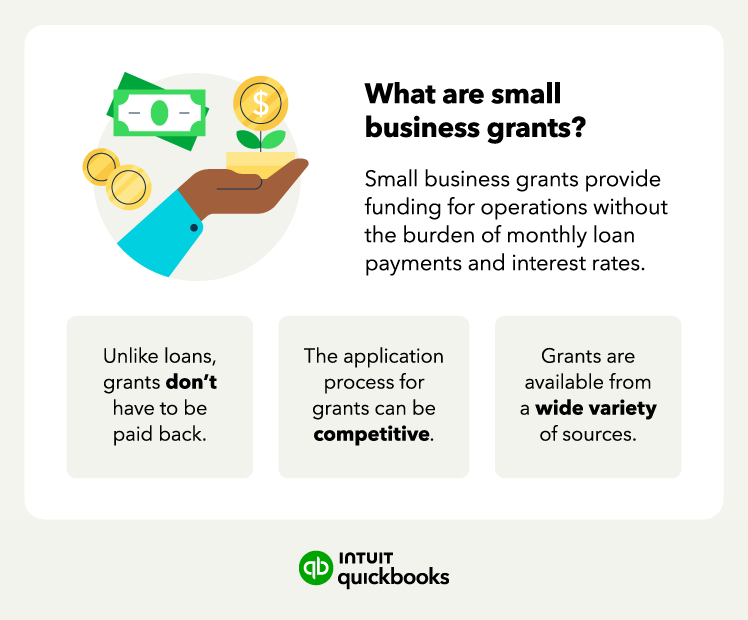
In the dynamic world of entrepreneurship, securing adequate funding is often the make-or-break factor for burgeoning businesses and established enterprises alike. While traditional avenues like venture capital, bank loans, and angel investors are well-trodden paths, business grants offer a particularly attractive, albeit often misunderstood, alternative. Unlike loans, grants do not require repayment, and unlike equity investments, they do not dilute ownership. This non-dilutive funding can be a game-changer, providing essential capital for research and development, expansion, community projects, or specific operational needs without the burden of debt or loss of control.
However, the perception that grants are “free money” and notoriously difficult to obtain can deter many aspiring applicants. The reality is more nuanced: while competitive, grants are a genuine opportunity for businesses that align with specific funding objectives and are willing to invest the time and effort into a meticulous application process. This comprehensive guide aims to demystify the world of business grants, providing a clear roadmap for identifying opportunities, preparing compelling proposals, and successfully securing the funding your business needs to thrive.
Understanding the Landscape of Business Grants
Before diving into the application process, it’s crucial to grasp what business grants are, who provides them, and why they exist. This foundational understanding will significantly enhance your ability to target the most appropriate funding sources.
What Are Business Grants?
At its core, a business grant is a sum of money provided to an individual or organization for a specific project or purpose, with no expectation of repayment. These funds are typically awarded by governmental agencies, foundations, corporations, or non-profit organizations to achieve particular societal, economic, or environmental goals. For businesses, grants represent a unique form of non-dilutive capital, meaning you retain full ownership and control of your company, unlike with equity financing. The grantor’s primary interest lies in the successful execution of the proposed project and the achievement of its intended impact, aligning with their overarching mission.
Who Offers Grants and Why?
Understanding the motivations behind grant-making is key to aligning your business with the right opportunities.
- Government Agencies (Federal, State, Local): Governments at all levels offer grants to stimulate economic growth, foster innovation, create jobs, support specific industries (e.g., green technology, rural development, arts), and address public needs. Federal grants, often substantial, frequently target research and development (e.g., SBIR/STTR programs) or projects with national impact. State and local grants tend to focus on regional economic development, infrastructure improvements, and supporting local businesses. Their “why” is often tied to public good, policy objectives, and community benefit.
- Foundations and Non-Profits: These organizations typically operate with philanthropic missions, aiming to solve social problems, advance specific causes (e.g., education, health, environmental conservation), or empower underserved communities. Their grants are usually project-specific and require a clear demonstration of how your business’s activities contribute to their charitable objectives.
- Corporations: Many large corporations offer grants as part of their Corporate Social Responsibility (CSR) initiatives. These grants might support businesses in their supply chain, promote diversity and inclusion, invest in community development, or foster innovation in areas relevant to their industry. The “why” here often intertwines altruism with strategic business interests, such as market development, brand enhancement, or talent pipeline cultivation.
Types of Grants Available
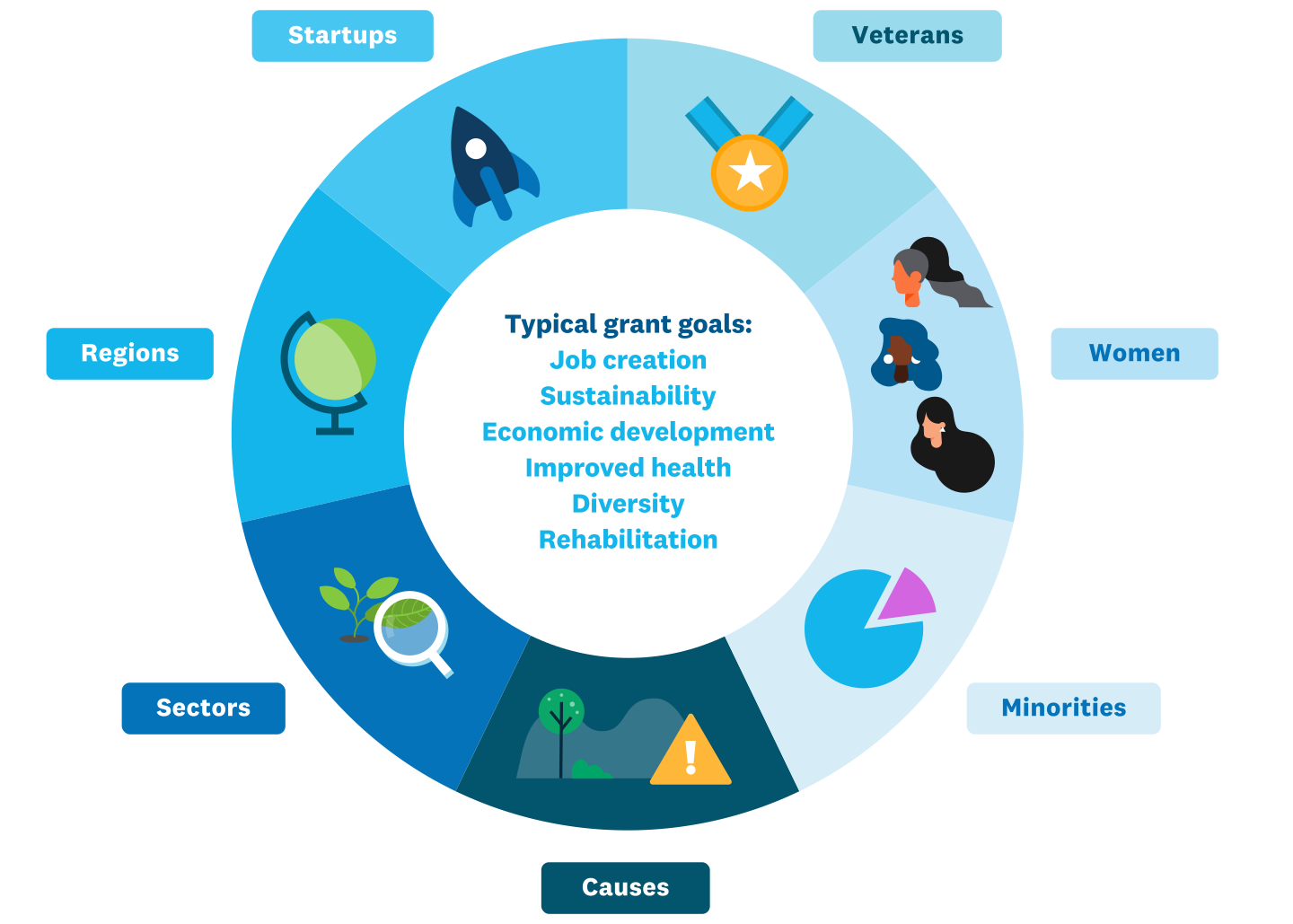
The sheer variety of grants can be overwhelming, but they generally fall into several broad categories based on their purpose or recipient criteria:
- Research and Development (R&D) Grants: Designed to fund innovative projects, often with a scientific or technological focus, that have the potential for significant market impact or societal benefit.
- Small Business Innovation Research (SBIR) & Small Business Technology Transfer (STTR) Grants: These federal programs (exclusive to the U.S.) are specifically for small businesses engaged in R&D that has commercialization potential. They are highly competitive but offer substantial funding across various government agencies.
- Industry-Specific Grants: Targeted towards businesses within particular sectors, such as agriculture, manufacturing, healthcare, arts and culture, or clean energy, to promote growth and innovation in those fields.
- Demographic-Specific Grants: Funds allocated to support businesses owned by women, minorities, veterans, or individuals with disabilities, aiming to foster diversity and equity in entrepreneurship.
- Community Development Grants: Focused on projects that benefit local communities, such as revitalizing urban areas, supporting local job creation, or providing essential services.
- Disaster Relief Grants: Short-term funding to help businesses recover from natural disasters or other unforeseen crises.
Preparing Your Business for Grant Applications
Securing a grant is rarely a spontaneous event. It requires meticulous preparation, not just of the application itself, but of your business’s underlying structure, strategy, and financial health. Grantors seek viable, well-managed entities that can responsibly utilize funds to achieve tangible results.
Define Your Business Purpose and Impact
Before you even start searching for grants, you must have an exceptionally clear understanding of your business’s core mission, vision, and values. Grantors are investing in solutions and impact. You need to articulate:
- The Problem You Solve: What specific challenge or need does your business address?
- Your Unique Solution: How does your product, service, or project uniquely tackle that problem?
- Your Intended Impact: What quantifiable and qualitative outcomes will your business achieve? How does it benefit the community, economy, or specific target group?
This clarity allows you to identify grants whose objectives perfectly align with your own, a critical factor for success.
Develop a Robust Business Plan
A well-researched, comprehensive business plan is arguably the most crucial document for any grant application. It serves as proof that your business is not just an idea but a thoroughly considered venture with a clear path to execution and sustainability. Key components grantors will scrutinize include:
- Executive Summary: A concise overview of your entire plan.
- Company Description: Your mission, vision, legal structure, and competitive advantages.
- Market Analysis: Understanding your industry, target market, customer demographics, and competitive landscape.
- Organization and Management: Your team’s expertise, leadership structure, and operational plan.
- Product or Service: Detailed description, unique selling propositions, and development stage.
- Marketing and Sales Strategy: How you will reach and retain customers.
- Financial Projections: Realistic forecasts for revenue, expenses, profit and loss statements, cash flow, and balance sheets for at least 3-5 years. This is where you demonstrate financial viability and the potential return on the grantor’s “investment.”
Establish Legal and Financial Readiness
Grantors need assurance that they are funding legitimate, accountable entities. This means your business must be legally established and financially transparent.
- Legal Entity: Ensure your business is properly registered as an LLC, Corporation, Sole Proprietorship, or Partnership, as required by law and often by grant guidelines.
- Employer Identification Number (EIN): A federal tax ID number, essential for almost all grant applications, particularly government ones.
- D-U-N-S Number: For U.S. federal grants, a D-U-N-S (Data Universal Numbering System) number is often required for identification purposes.
- Up-to-Date Financial Records: Maintain accurate and accessible financial statements (balance sheets, income statements, cash flow statements). Grantors will want to see your current financial health and historical performance.
- Dedicated Bank Accounts: Separate business bank accounts are crucial for tracking grant funds and demonstrating financial integrity.
Build a Strong Online Presence and Credibility
In today’s digital age, your online presence often serves as your business’s first impression. Grantors will inevitably conduct due diligence, and a professional, credible online footprint can significantly bolster your application.

- Professional Website: A well-designed, informative website that clearly articulates your offerings, mission, and impact.
- Active Social Media: Engaging social media profiles relevant to your industry and target audience.
- Testimonials and Case Studies: Evidence of customer satisfaction and successful projects demonstrates your ability to deliver.
- Thought Leadership: Any articles, publications, or presentations that showcase your expertise and industry standing.
Navigating the Grant Search and Application Process
With your business prepared, the next phase involves actively searching for and meticulously applying for grants. This stage demands persistence, attention to detail, and a strategic approach.
Identifying Suitable Grant Opportunities
This is perhaps the most time-consuming part, but also the most critical. A targeted search saves wasted effort on unsuitable grants.
- Government Portals: For U.S. federal grants, Grants.gov is the primary database. State and local government websites often list regional opportunities.
- Grant Databases and Search Engines: Platforms like Foundation Group, GrantWatch, and Candid (formerly Foundation Center) aggregate thousands of grant opportunities from foundations and corporations. Some industry-specific databases also exist.
- Small Business Development Centers (SBDCs): These local resources offer free counseling and often have knowledge of local and regional grant programs.
- Industry Associations: Many trade organizations maintain lists of grants relevant to their sector.
- Networking: Connect with other entrepreneurs, non-profits, and community leaders who may have insights into funding sources.
- Strategic Keywords: When searching, use keywords related to your industry, location, target demographic, technology, and specific project type.
Deconstructing the Grant Guidelines
Once you’ve identified a potential grant, do not skim the guidelines. Read them meticulously. Every detail matters.
- Eligibility Criteria: Is your business structure, revenue, location, or demographic profile a match? Are there specific project types they fund?
- Funding Priorities and Goals: Understand the grantor’s mission and how your project aligns. This is not just about your needs; it’s about their objectives.
- Required Documents: Make a checklist of every single document needed (e.g., business plan, financial statements, resumes, letters of support).
- Format and Submission Method: Pay close attention to font size, page limits, file types, online portal instructions, and mailing addresses. Incorrect formatting can lead to immediate disqualification.
- Deadlines: Mark all deadlines in your calendar, and aim to submit well in advance to avoid last-minute technical glitches.
Crafting a Compelling Proposal
Your grant proposal is your opportunity to tell your story, demonstrate your capability, and convince the grantor that your project is worthy of their investment. It must be clear, concise, persuasive, and error-free.
- Executive Summary: This is your elevator pitch – a compelling, one-page overview that summarizes your entire proposal. It should clearly state the problem, your solution, the requested funding amount, and the anticipated impact.
- Problem Statement: Clearly and concisely define the specific problem or need your business will address. Use data and evidence to support your claims.
- Solution/Project Description: Detail your project, its objectives, activities, and timeline. Explain how your business will implement the solution.
- Impact and Outcomes: Quantify the expected results and articulate the positive change your project will bring. How many jobs will be created? How many people served? What economic or social benefits will accrue?
- Budget and Justification: Provide a detailed, itemized budget showing exactly how the grant funds will be spent. Every expense must be justified and directly tied to project activities. Show other funding sources (in-kind contributions, other grants) to demonstrate diversified support.
- Organizational Capacity: Highlight your team’s qualifications, relevant experience, and track record of success. Show that you have the expertise to execute the project effectively.
- Sustainability Plan: Explain how your project or business will continue to operate and sustain its impact after the grant funds are expended. Grantors want to see long-term viability.
- Storytelling: While professional, don’t forget to weave in an engaging narrative. Make your passion and purpose shine through, while maintaining data-driven credibility.
Meticulous Review and Submission
Before hitting “submit,” a rigorous review process is non-negotiable.
- Proofread Relentlessly: Check for grammar, spelling, punctuation, and clarity errors. A single typo can undermine your credibility.
- Ensure Completeness: Verify that every required section and document is included, correctly labeled, and formatted as specified.
- Seek External Review: Ask a trusted advisor, mentor, or even an SBDC representative to review your proposal for clarity, coherence, and persuasiveness. They might spot issues you’ve overlooked.
- Submit Early: Technical issues can arise. Submitting several days before the deadline provides a buffer against unforeseen problems.
Post-Application Strategies and Grant Management
The journey doesn’t end with submission. What happens next, whether you receive the grant or not, is crucial for your business’s ongoing financial strategy.
What to Do After Submitting
Patience is key, but so is proactivity.
- Continue the Search: Never put all your eggs in one basket. Keep searching for and applying to other grant opportunities.
- Be Prepared for Follow-Up: Grantors may contact you for additional information, clarifications, or even an interview. Be ready to respond promptly and professionally.
- Learn from Rejection: Not every application will be successful. If denied, inquire if feedback is available. Understand why your application wasn’t chosen, and use that insight to improve future proposals. It’s a learning process.
If You Get the Grant: Grant Management Best Practices
Congratulations! But remember, a grant is an investment with expectations. Responsible management is paramount.
- Financial Stewardship: Meticulously track every dollar received and spent. Maintain detailed records, receipts, and invoices. Separate grant funds into a dedicated account.
- Adhere to Reporting Requirements: Grant agreements invariably include reporting schedules (quarterly, semi-annually, annually) and specific formats for progress reports, financial reports, and final reports. Missing these deadlines or failing to meet requirements can jeopardize future funding and damage your reputation.
- Compliance: Understand and strictly follow all terms and conditions of the grant agreement. This includes permissible expenses, project activities, and any ethical guidelines.
- Open Communication: Maintain an open and transparent dialogue with the grantor. If challenges arise or your project needs to deviate slightly from the original plan, communicate proactively to seek approval.
- Evaluation and Documentation: Continuously measure the impact of the grant funds against your stated objectives. Document successes, challenges, and lessons learned. This data will be vital for your reports and future applications.
Leveraging Grant Success for Future Opportunities
A successful grant award is a powerful endorsement of your business’s credibility and impact.
- Build Your Portfolio: Use successful grant projects as case studies in future proposals and marketing materials.
- Strengthen Relationships: A positive track record with one grantor can open doors to future funding opportunities with them or other organizations.
- Enhance Credibility: Being a grant recipient signals to other investors, partners, and customers that your business is legitimate, well-managed, and capable of delivering on its promises.
Securing business grants is a journey that demands strategic planning, unwavering dedication, and meticulous execution. It is not “free money” but rather a competitive funding stream reserved for those who can clearly articulate their vision, demonstrate their capacity, and commit to rigorous accountability. By understanding the grant landscape, preparing your business thoroughly, crafting compelling proposals, and managing funds responsibly, you can unlock a powerful source of non-dilutive capital, propelling your business towards sustainable growth and greater impact. Embrace the challenge, learn from every experience, and position your business for grant success.
aViewFromTheCave is a participant in the Amazon Services LLC Associates Program, an affiliate advertising program designed to provide a means for sites to earn advertising fees by advertising and linking to Amazon.com. Amazon, the Amazon logo, AmazonSupply, and the AmazonSupply logo are trademarks of Amazon.com, Inc. or its affiliates. As an Amazon Associate we earn affiliate commissions from qualifying purchases.