
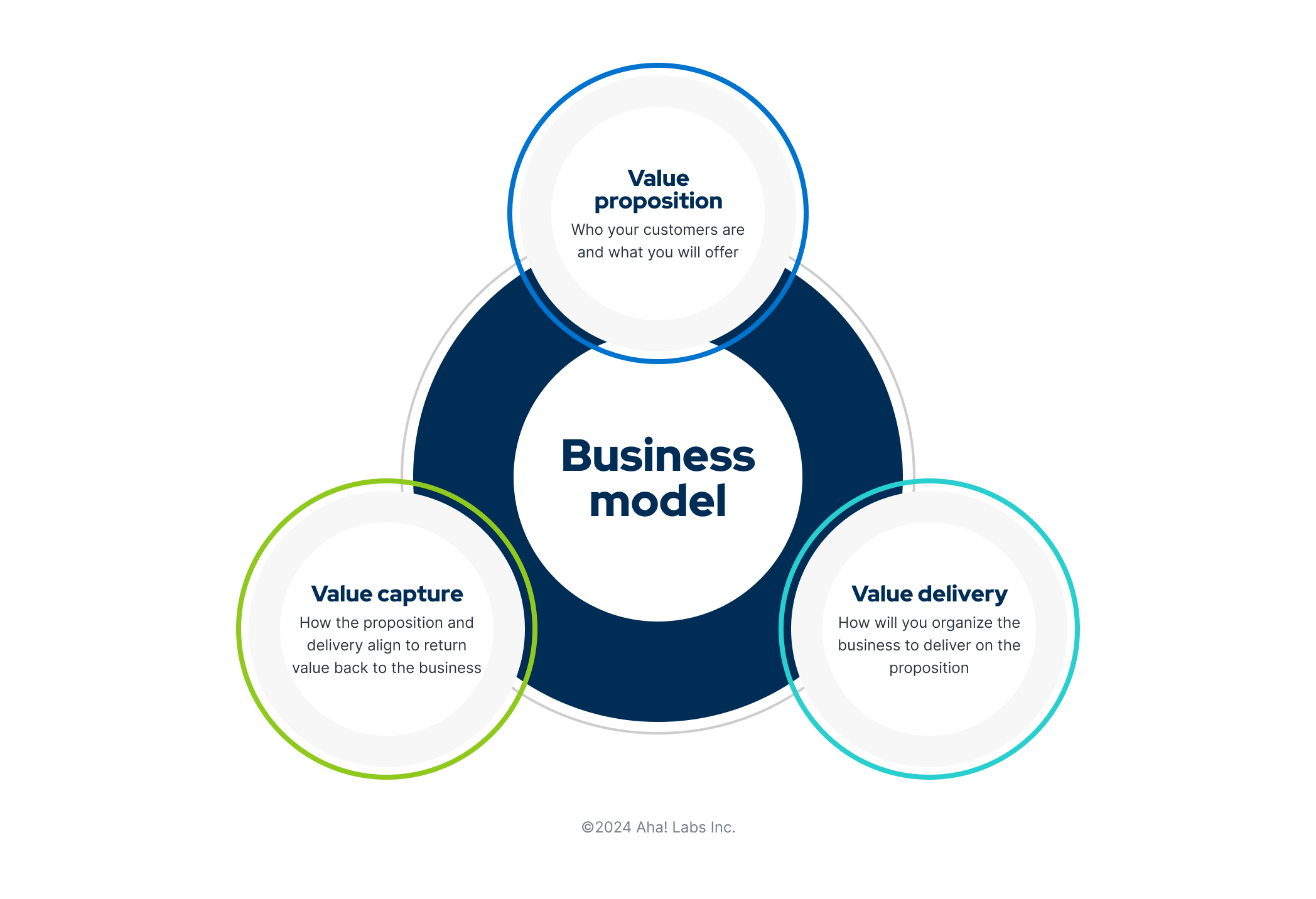
In the intricate world of entrepreneurship, an innovative idea is merely the first spark. The true engine of any successful venture, the blueprint that translates vision into tangible financial outcomes, is its business model. Far more than just a vague concept, a robust business model articulates precisely how an organization creates, delivers, and captures value. For aspiring entrepreneurs, established businesses looking to pivot, or even individuals exploring online income and side hustles, understanding and meticulously crafting a business model is paramount to achieving financial sustainability and growth. It’s the strategic framework that defines your revenue streams, cost structure, and ultimately, your profitability. Without a clear and viable business model, even the most groundbreaking innovations risk remaining financially unfeasible. This article delves into the art and science of building a business model, viewed through the indispensable lens of finance and economic viability.
Understanding the Core Financial Components of a Business Model
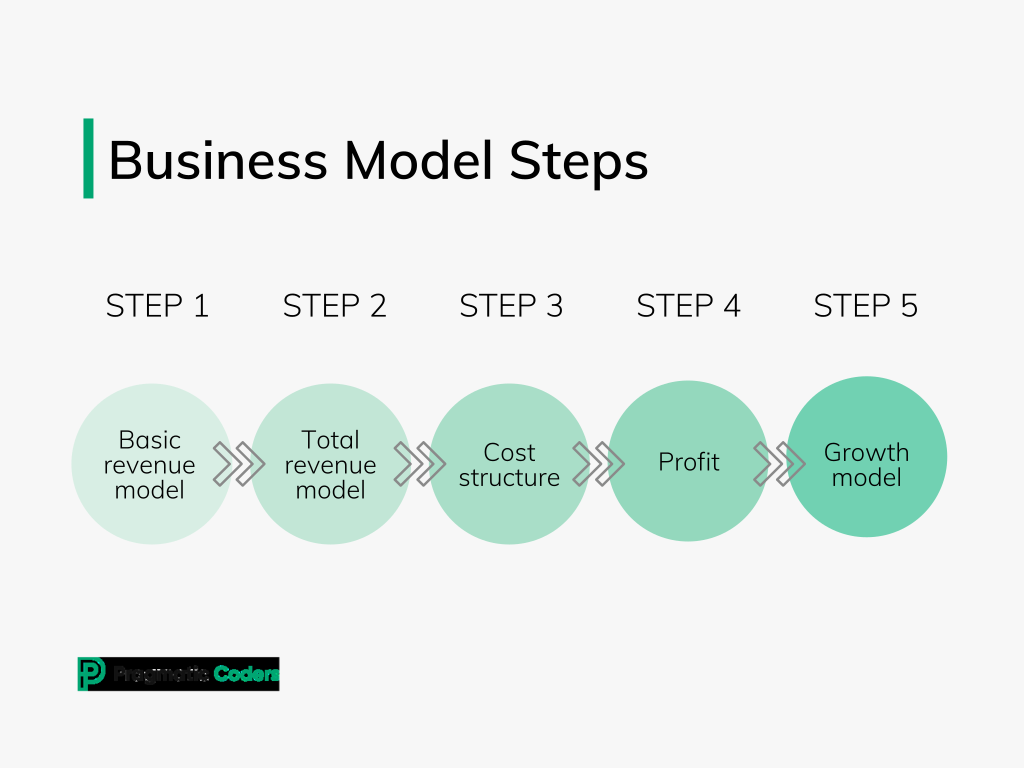
At its heart, a business model is a hypothesis of how to make money. It defines the economic logic that explains how your enterprise will generate cash flow, manage expenses, and ultimately deliver a return on investment. Dissecting its core components from a financial perspective is crucial for any aspiring or active business owner.
Value Proposition & Customer Segments: Monetizing Your Offering
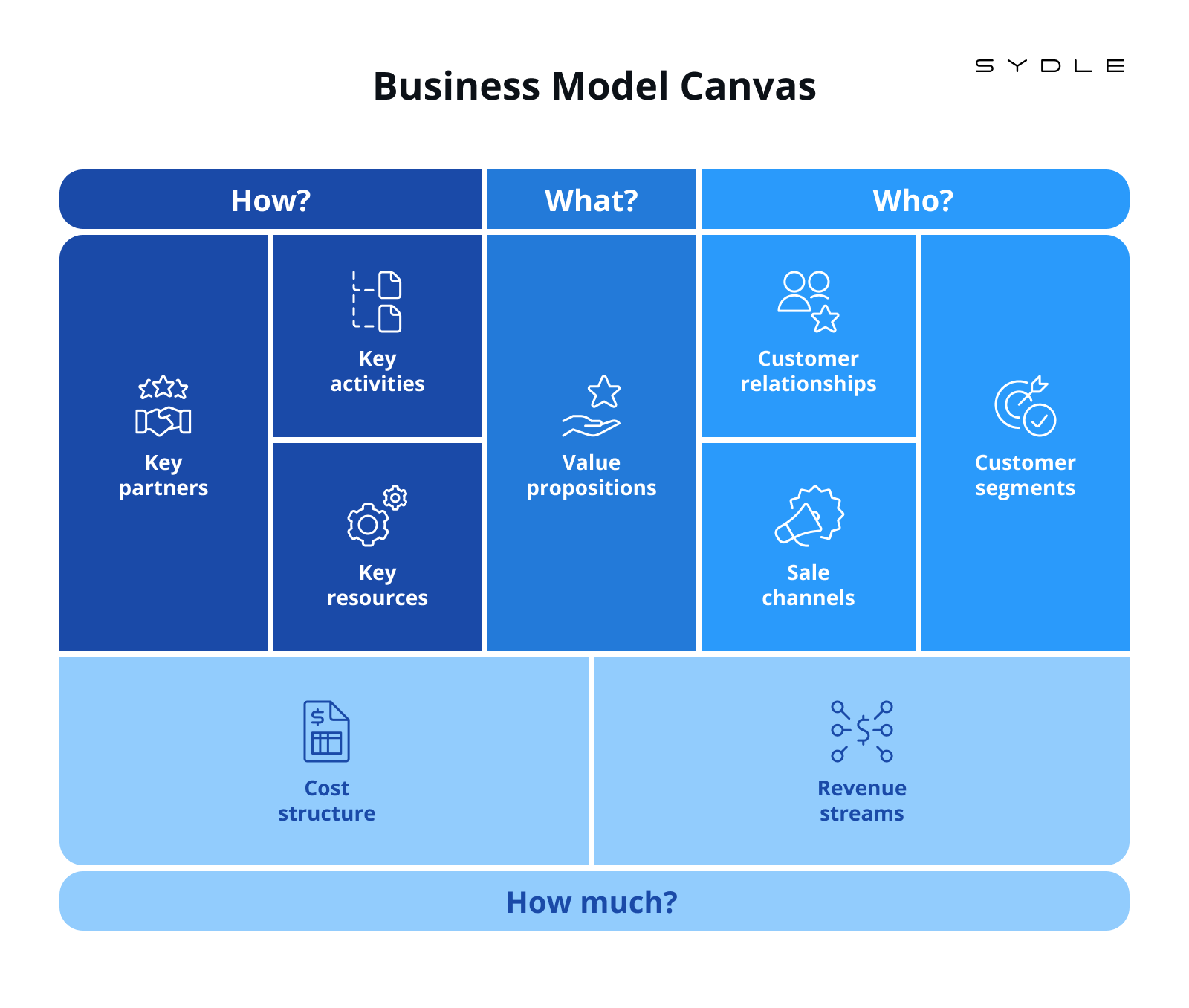
The value proposition defines the unique combination of products or services that a business offers to a specific customer segment. From a financial standpoint, this is where the journey to revenue begins. How does the value you provide solve a customer’s problem or fulfill their need in a way they are willing to pay for? Identifying precise customer segments allows for targeted marketing and efficient resource allocation, ensuring that your value is perceived and monetized effectively. Without a clear understanding of who you are serving and the specific value they are paying for, all subsequent financial projections become guesswork. It’s about translating perceived value into purchasing power and, ultimately, into financial transactions.
Revenue Streams: The Lifeblood of Your Business
Revenue streams represent the actual mechanisms through which your business captures value and generates income from its customer segments. This is the explicit financial inflow that sustains operations and fuels growth. A thorough business model outlines not just how much revenue, but how it will be generated. This could include direct sales, subscription fees, licensing, advertising, commissions, transaction fees, freemium models, or even indirect revenue through data monetization. Diversifying revenue streams can mitigate risk and enhance financial stability, a critical consideration for any business finance strategy. Analyzing the potential profitability and scalability of each stream is key to designing a resilient financial structure.
Cost Structure: The Foundation of Profitability
Every business incurs costs to deliver its value proposition. The cost structure identifies and quantifies all expenses required to operate the business. This includes fixed costs (rent, salaries, equipment depreciation) that remain constant regardless of production volume, and variable costs (raw materials, production wages, shipping) that fluctuate with output. Understanding your cost drivers is fundamental to profitability. A well-defined cost structure allows for accurate budgeting, pricing strategies, and identifying areas for efficiency improvements. Minimizing unnecessary expenditures while maintaining quality is a constant financial balancing act that directly impacts the bottom line. Businesses can be cost-driven (focusing on lean operations) or value-driven (investing in premium experiences), and this choice profoundly affects their financial structure.
Key Resources & Activities: Capitalizing Your Operations
Key resources are the assets (physical, intellectual, human, and financial) required to offer and deliver the value proposition. Key activities are the most important things a company must do to operate successfully. From a financial perspective, these elements demand significant capital investment and operational expenditure. For instance, a tech startup might invest heavily in R&D (intellectual resources) and software development (key activities), while a manufacturing company would prioritize machinery and supply chain management (physical resources). Evaluating the cost-effectiveness and strategic importance of these resources and activities ensures that capital is allocated efficiently to support the core financial objectives of the business model.
Strategizing for Profitability and Financial Sustainability
A business model isn’t just a description; it’s a strategic tool designed to maximize financial returns and ensure long-term viability. This requires thoughtful planning around pricing, cost management, and revenue diversification.
Identifying Your Unique Selling Proposition (USP) for Financial Edge
Your USP is what makes your product or service stand out from the competition. From a financial perspective, a strong USP often translates into pricing power, allowing you to command higher margins, or enables you to capture a significant market share more efficiently. It creates a competitive advantage that can reduce the need for constant price wars, thereby protecting profit margins. Whether it’s superior quality, unmatched convenience, innovative technology, or exceptional customer service, a clear USP attracts and retains customers, reducing marketing spend and enhancing the financial return on customer acquisition.
Pricing Strategies and Value Capture
How you price your offering is arguably one of the most critical financial decisions within your business model. It’s not just about covering costs; it’s about reflecting perceived value and maximizing revenue. Common strategies include cost-plus pricing (adding a markup to costs), value-based pricing (setting prices based on a customer’s perceived value), competitive pricing (matching or beating competitors), or dynamic pricing (adjusting prices based on demand). Each strategy has different implications for profit margins, market penetration, and customer retention. The right pricing strategy ensures that you capture a fair share of the value you create, balancing affordability for customers with financial sustainability for your business.
Managing Your Cost Structure Effectively
Optimizing your cost structure is an ongoing financial imperative. This involves a continuous process of identifying cost drivers, seeking economies of scale, negotiating with suppliers, and implementing lean operational practices. For instance, moving to a cloud-based infrastructure can reduce IT hardware costs, or automating certain processes can lower labor expenses. Understanding the difference between necessary strategic investments and unnecessary expenditures is crucial. Effective cost management allows for greater financial flexibility, improved cash flow, and a stronger bottom line, even in challenging economic environments.
Exploring Diverse Revenue Channels for Stability
Relying on a single revenue stream can be precarious. A robust business model actively seeks to diversify its income channels. This strategic approach minimizes risk by ensuring that a downturn in one area doesn’t jeopardize the entire financial health of the business. For an online business, this might mean combining subscription services with premium features, affiliate marketing, digital product sales, and advertising. For a physical business, it could involve offering complementary services, selling merchandise, or licensing intellectual property. Diversified revenue streams contribute to greater financial resilience and open up new avenues for growth and expansion.
Applying Your Business Model: From Concept to Financial Reality
The true test of any business model lies in its practical application and its ability to generate real financial results. This involves meticulous planning, careful execution, and continuous financial monitoring.
Market Research and Financial Viability Assessment
Before full-scale implementation, rigorous market research and a thorough financial viability assessment are indispensable. This involves analyzing market size, growth potential, competitive landscape, and regulatory factors. Crucially, it means asking: Is there a sufficient paying customer base for this model to be profitable? Can the projected revenue streams realistically cover the estimated costs and generate a desired profit margin? Feasibility studies, break-even analysis, and sensitivity analysis are financial tools used to stress-test the business model under various scenarios, providing confidence in its financial potential.
Building a Financial Forecast: Projecting Your Future
A detailed financial forecast is the quantitative expression of your business model. It translates your strategic assumptions into projected income statements, balance sheets, and cash flow statements over a specified period (e.g., 3-5 years). This includes projecting sales volumes, revenue, cost of goods sold, operating expenses, and capital expenditures. A solid financial forecast is essential for internal planning, resource allocation, and, critically, for attracting external investment. It demonstrates a clear understanding of your business’s financial trajectory and its potential for return on investment.
Funding Your Business Model: Capitalizing Your Vision
Translating a business model into reality often requires capital. Your business model plays a pivotal role in attracting the necessary funding. Whether you’re bootstrapping with personal savings, seeking angel investors, pitching to venture capitalists, or applying for bank loans, a clear, compelling, and financially sound business model is your most potent tool. It articulates your value proposition, highlights your revenue potential, and details your financial projections, assuring potential funders of your ability to generate returns. Investors scrutinize business models for scalability, defensibility, and clear paths to profitability.
Iteration and Adaptability for Long-term Financial Health
A business model is not a static document; it’s a living framework that requires continuous review and adaptation. Market conditions, technological advancements, competitive pressures, and customer preferences constantly evolve, necessitating adjustments to remain financially viable. This could involve refining your value proposition, exploring new revenue streams, optimizing your cost structure, or even completely pivoting your strategy. Businesses that thrive are those that can iterate their business models efficiently, remaining agile and responsive to both threats and opportunities to ensure long-term financial health.
Leveraging Business Models for Online Income and Side Hustles
The principles of business model creation are not exclusive to large corporations; they are equally vital, if not more so, for individuals pursuing online income streams and side hustles. Applying this framework can transform a casual venture into a sustainable, profitable enterprise.
Digital-First Business Models: The Online Opportunity
The digital age has democratized entrepreneurship, giving rise to an array of digital-first business models. E-commerce stores (selling physical or digital products), SaaS (Software as a Service) offerings, content creation (blogging, vlogging, podcasting with ad revenue, sponsorships, or direct sales), affiliate marketing, online courses, and freelancing platforms are all examples of robust business models designed to capture value in the online sphere. Each of these requires a clear understanding of its value proposition, target audience, revenue streams (e.g., subscriptions, ads, commissions), and cost structure (e.g., hosting, software, marketing tools) to be financially successful.
Scaling Side Hustles into Sustainable Businesses
Many successful businesses begin as side hustles. The transition from a small-scale personal project to a sustainable business hinges on applying a formal business model. This involves moving beyond simply “making some extra money” to strategically planning for growth. How can you automate processes? How can you expand your customer base? What additional revenue streams can you integrate? What are the financial implications of scaling operations? By consciously designing a business model, individuals can identify growth bottlenecks, optimize financial flows, and strategically invest time and capital to elevate their side hustle into a significant income-generating venture.
The Lean Business Model Canvas for Quick Iteration
For online income and side hustles, where agility is key, the Lean Business Model Canvas provides an excellent, concise tool. It’s a single-page template that helps entrepreneurs quickly map out the core elements of their business idea, focusing on problems, solutions, key metrics, unfair advantages, channels, customer segments, cost structure, and revenue streams. This lean approach encourages rapid prototyping and testing of financial assumptions, allowing for quick adjustments based on real-world feedback rather than exhaustive, time-consuming planning. It’s perfect for validating niche online income ideas without significant upfront investment.
In conclusion, creating a comprehensive business model is an indispensable exercise for anyone serious about financial success. It is the bridge between a brilliant idea and a profitable reality, defining how value is created, delivered, and most importantly, captured financially. By meticulously outlining your value proposition, understanding your revenue streams and cost structure, and strategically planning for profitability and scalability, you lay a solid financial foundation. Whether you’re launching a startup, expanding an existing enterprise, or transforming a side hustle into a primary income source, a well-crafted business model serves as your financial compass, guiding every decision and paving the way for sustained growth and prosperity.
aViewFromTheCave is a participant in the Amazon Services LLC Associates Program, an affiliate advertising program designed to provide a means for sites to earn advertising fees by advertising and linking to Amazon.com. Amazon, the Amazon logo, AmazonSupply, and the AmazonSupply logo are trademarks of Amazon.com, Inc. or its affiliates. As an Amazon Associate we earn affiliate commissions from qualifying purchases.