
Securing capital is often a critical juncture for any small business, whether it’s a budding startup looking for initial traction or an established enterprise aiming for expansion. A small business loan, at its core, is a financial agreement where a lender provides a sum of money to a business, which the business then repays over a set period, usually with interest. Far from a one-size-fits-all solution, the landscape of small business financing is diverse, featuring various loan types, eligibility requirements, and repayment structures. Understanding these intricacies is paramount for entrepreneurs seeking to leverage external funding responsibly and strategically. This comprehensive guide will demystify the process, from the fundamental concepts to navigating the application and management of a small business loan, ensuring you’re equipped to make informed financial decisions for your venture.
Understanding the Fundamentals of Small Business Loans
Before diving into the specifics, it’s essential to grasp the foundational principles that govern small business lending. A clear understanding of what these loans entail, why businesses seek them, and their core components will lay the groundwork for a successful financing journey.
What is a Small Business Loan?
A small business loan is a sum of money lent to a business entity by a financial institution (such as a bank, credit union, or online lender) or a government-backed program. Unlike personal loans, which are based on an individual’s creditworthiness and used for personal expenses, business loans are assessed on the health and potential of the business and are intended exclusively for business purposes. These purposes can range from covering operational costs to financing major investments, all with the ultimate goal of driving business growth and sustainability. The repayment terms are typically structured to align with the business’s projected cash flow, aiming to minimize financial strain while allowing the business to benefit from the capital infusion.
Why Do Businesses Seek Loans?
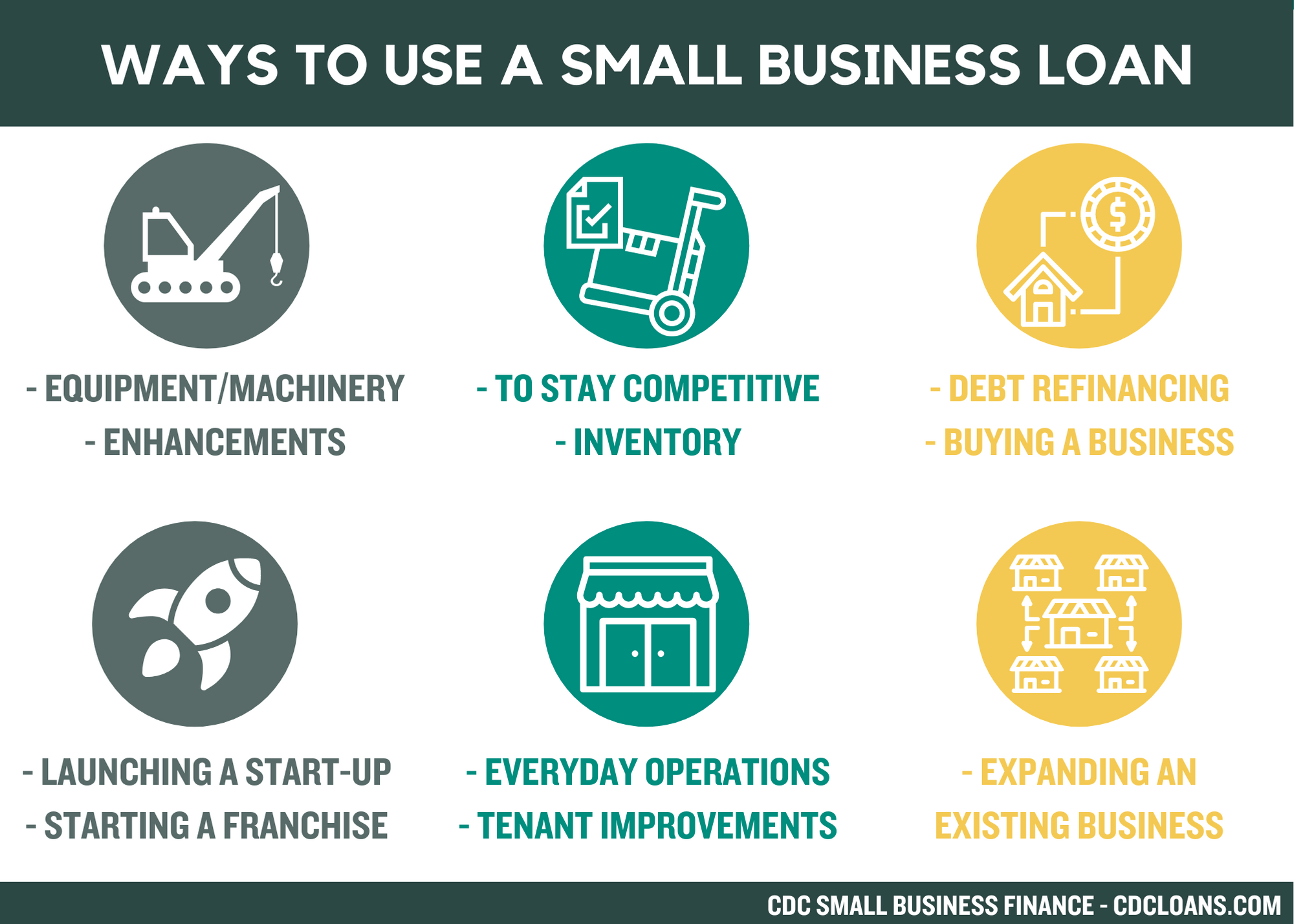
Small businesses pursue loans for a multitude of strategic reasons, each designed to address a specific financial need or growth opportunity.
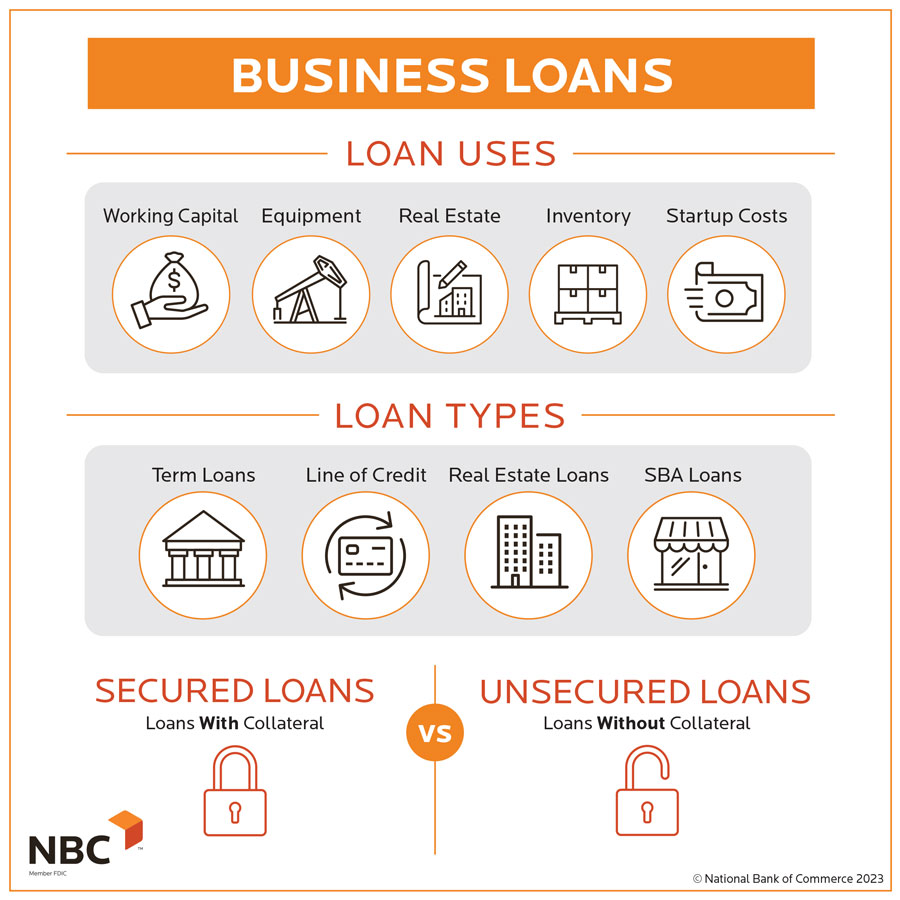
- Working Capital: To cover day-to-day operational expenses like payroll, rent, utilities, and inventory purchases, especially during seasonal dips or growth phases that outpace immediate revenue.
- Expansion and Growth: Funding new locations, increasing production capacity, or entering new markets requires substantial capital investment.
- Equipment Purchase: Acquiring or upgrading machinery, vehicles, or technology is often too expensive to fund out-of-pocket, making equipment loans a common solution.
- Inventory Stocking: For retail or manufacturing businesses, purchasing inventory in bulk can lead to discounts and ensure products are available to meet customer demand.
- Marketing and Advertising: Launching new products or reaching a broader audience often requires significant marketing spend to generate awareness and sales.
- Debt Refinancing: Consolidating existing high-interest business debts into a single, lower-interest loan can improve cash flow and reduce overall interest payments.
- Bridging Cash Flow Gaps: During periods of slow sales or delayed payments from clients, a loan can act as a crucial bridge to maintain operations.
Key Elements of a Loan Agreement
Every loan agreement, regardless of type, will feature several critical components that define the terms of the borrowing relationship. Understanding these is crucial before signing any document.
- Principal: The original amount of money borrowed. This is the base upon which interest is calculated.
- Interest Rate: The cost of borrowing the principal, expressed as a percentage. It can be fixed (remains constant) or variable (fluctuates with market rates).
- Loan Term: The duration over which the loan is to be repaid, typically expressed in months or years. Longer terms usually mean lower monthly payments but potentially higher overall interest paid.
- Repayment Schedule: Specifies how often and in what amounts payments are due (e.g., monthly, weekly, daily).
- Collateral: Assets pledged by the borrower to secure the loan. If the borrower defaults, the lender can seize the collateral to recover their losses. Common collateral includes real estate, equipment, or accounts receivable.
- Personal Guarantee: A commitment by the business owner to personally repay the business debt if the business itself cannot. This is very common for small business loans, especially for newer ventures.
- Loan Covenants: Conditions stipulated in the loan agreement that the borrower must adhere to throughout the loan term. These can include maintaining certain financial ratios, providing regular financial statements, or restrictions on taking on additional debt.
Navigating the Landscape of Loan Types
The small business loan market offers a spectrum of products, each tailored to different needs, business profiles, and risk appetites. Choosing the right type of loan is as crucial as securing the funding itself.
Term Loans
Term loans are perhaps the most straightforward and traditional form of business financing. A lump sum of money is provided upfront, which the borrower repays over a fixed term with regular, often monthly, payments that include both principal and interest.
- Short-Term Loans: Typically repaid within 1-3 years, ideal for immediate cash flow needs or specific projects with a quick return.
- Long-Term Loans: Can extend up to 10 years or more, suitable for significant investments like real estate, major equipment purchases, or large-scale expansion plans. They generally feature lower monthly payments but accumulate more interest over time.
Lines of Credit
Unlike a term loan, a business line of credit provides access to a revolving pool of funds up to a certain limit. Businesses can draw funds as needed, repay them, and then draw again, similar to a credit card.
- Flexibility: Ideal for managing fluctuating working capital needs, unexpected expenses, or bridging cash flow gaps.
- Interest Only on Used Amount: Interest is typically charged only on the portion of the credit line that has been drawn, making it cost-effective for intermittent use.
SBA Loans
The U.S. Small Business Administration (SBA) doesn’t lend money directly (with some exceptions like disaster loans) but guarantees a portion of loans made by commercial lenders. This reduces risk for lenders, making them more willing to provide financing to small businesses that might not otherwise qualify.
- 7(a) Loan Program: The most popular SBA program, offering flexible financing for various general business purposes, including working capital, equipment, and real estate.
- 504 Loan Program: Designed for major fixed asset purchases like real estate or machinery, providing long-term, fixed-rate financing.
- Microloan Program: Provides smaller loans (up to $50,000) for working capital or inventory, often through non-profit community lenders.
SBA loans are known for their favorable terms, lower down payments, and longer repayment periods but involve a more rigorous application process.
Equipment Financing
Specifically designed to help businesses purchase machinery, vehicles, or other essential equipment. The equipment itself often serves as collateral for the loan, making it easier to secure without pledging other assets.
- Asset-Backed: Because the equipment secures the loan, lenders often view these as less risky, potentially leading to easier approval and better terms.
- Preserves Capital: Allows businesses to acquire necessary assets without depleting their cash reserves.
Invoice Factoring/Financing
These are not traditional loans but ways to access cash tied up in unpaid invoices (accounts receivable).
- Invoice Factoring: A third-party company (factor) buys your outstanding invoices at a discount, providing immediate cash. They then collect the full amount from your customers.
- Invoice Financing: You borrow against your outstanding invoices, and you remain responsible for collecting payments from your customers.
These options are beneficial for businesses with significant accounts receivable and fluctuating cash flow.
Merchant Cash Advances (MCAs)
An MCA provides a lump sum of cash in exchange for a percentage of the business’s future credit and debit card sales.
- Quick Access to Funds: Often faster to obtain than traditional loans, with fewer eligibility requirements.
- High Cost: While convenient, MCAs typically come with very high annual percentage rates (APRs) and should be considered a last resort due to their expensive nature.
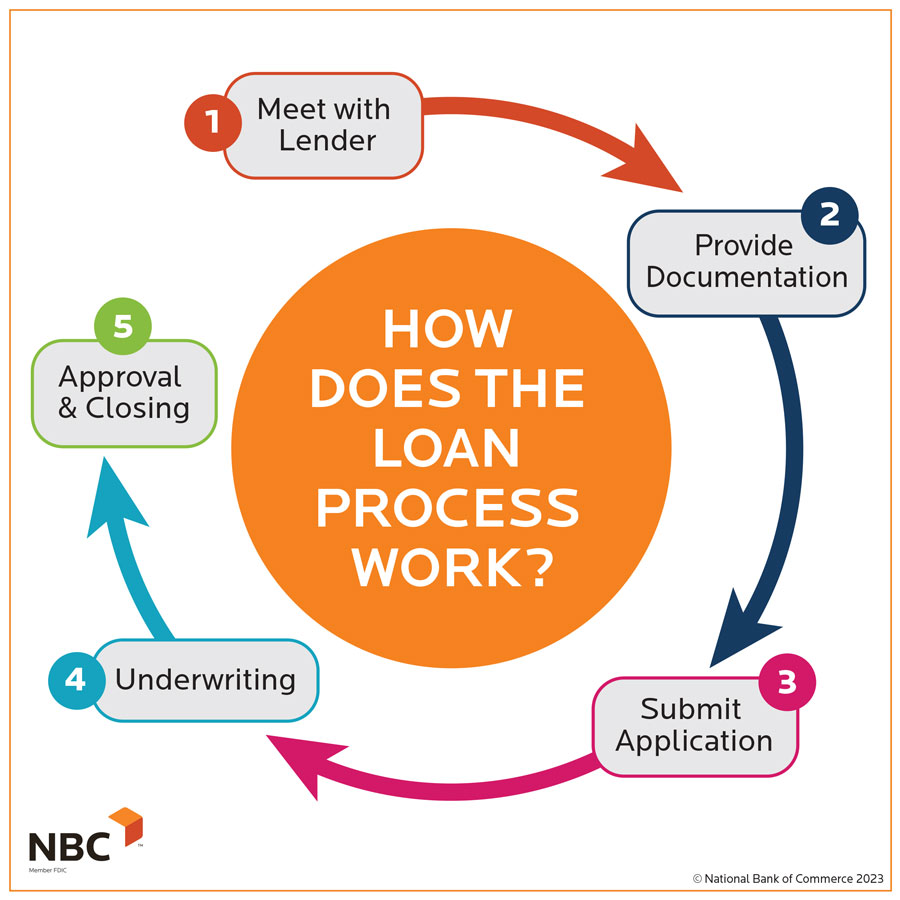
The Application Process: From Preparation to Approval
Applying for a small business loan requires meticulous preparation and a clear understanding of what lenders scrutinize. A well-prepared application significantly increases your chances of approval.
Essential Eligibility Criteria
Lenders assess a business’s creditworthiness and ability to repay through various criteria:
- Credit Score (Personal and Business): Lenders will often review both the owner’s personal credit score (FICO) and the business’s credit score (e.g., Dun & Bradstreet PAYDEX). A strong credit history signals reliability.
- Time in Business: Most lenders prefer businesses that have been operating for at least 1-2 years, demonstrating stability and a track record.
- Annual Revenue: Lenders look for consistent revenue generation to ensure the business can support loan payments. Minimum revenue requirements vary by lender and loan type.
- Debt-to-Income Ratio (DTI): For business owners, especially those providing personal guarantees, DTI helps assess their ability to manage existing personal and business debts.
- Industry and Business Type: Some industries are considered higher risk by lenders, which can affect eligibility and terms.
Required Documentation
Gathering comprehensive documentation is a critical step. While requirements vary, common documents include:
- Business Plan: A detailed plan outlining your business’s objectives, strategies, market analysis, and financial projections. It demonstrates foresight and viability.
- Financial Statements:
- Profit & Loss (P&L) Statements: Typically for the past 2-3 years, showing revenue, costs, and profits.
- Balance Sheets: Snapshot of assets, liabilities, and equity at a specific point in time.
- Cash Flow Statements: Illustrates how cash is generated and used, crucial for assessing repayment capacity.
- Tax Returns: Personal and business tax returns (often for the past 2-3 years) provide verified financial information.
- Bank Statements: Recent business bank statements (3-12 months) show cash flow patterns and operational stability.
- Personal Financial Statement: For the business owner, detailing personal assets, liabilities, and net worth.
- Legal Documents: Business licenses, articles of incorporation, partnership agreements, and any relevant contracts.
Crafting a Compelling Loan Application
A strong application goes beyond merely submitting documents; it tells a story of your business’s health and potential.
- Clearly State Loan Purpose: Precisely explain how the loan funds will be used and the expected return on investment. Lenders want to see that the funds will be used productively.
- Demonstrate Repayment Ability: Highlight consistent cash flow, strong revenues, and a low debt-to-income ratio. Show how the loan payments will fit into your budget without undue strain.
- Show Strong Management: Emphasize the experience and expertise of your management team. Lenders invest in people as much as ideas.
- Address Weaknesses Proactively: If there are any concerns (e.g., a recent dip in revenue), address them upfront with a clear explanation and a plan to mitigate risks.
The Underwriting Process
Once an application is submitted, it enters the underwriting phase, where lenders thoroughly evaluate the business’s financial health and risk profile.
- Credit Analysis: Review of credit reports (personal and business), financial statements, and tax returns to assess repayment capacity and historical financial performance.
- Risk Assessment: Lenders weigh factors like industry trends, economic outlook, market competition, and the business’s operational risks.
- Collateral Valuation: If collateral is offered, it will be appraised to determine its value and suitability to secure the loan.
- Due Diligence: Verification of all submitted information and potentially interviews with business owners to gain further insights.
This process can take anywhere from a few days for online lenders to several weeks or months for traditional banks and SBA loans.
Factors Influencing Loan Terms and Costs
The cost and terms of a small business loan are not uniform. They are shaped by a complex interplay of the lender’s risk assessment, market conditions, and the borrower’s financial standing.
Interest Rates
The interest rate is the primary cost of borrowing and can vary significantly.
- Fixed vs. Variable: Fixed rates remain constant throughout the loan term, offering predictability. Variable rates fluctuate with a benchmark index (e.g., prime rate), meaning payments can go up or down.
- Prime Rate and Lender’s Spread: Many business loan rates are tied to the prime rate plus a “spread” determined by the lender based on the borrower’s risk.
- Risk Assessment: Businesses perceived as higher risk (e.g., startups, those with lower credit scores) will generally face higher interest rates to compensate the lender for the increased potential for default.
Fees and Charges
Beyond interest, several fees can add to the total cost of a loan.
- Origination Fees: A one-time fee charged by the lender for processing the loan, typically a percentage of the loan amount.
- Closing Costs: Various charges incurred at the time the loan is finalized, similar to real estate transactions.
- Guarantor Fees: Fees associated with SBA loans, paid to the SBA for their guarantee.
- Late Payment Fees: Penalties for missing or delaying scheduled payments.
- Prepayment Penalties: Some loans include clauses that charge a fee if the borrower repays the loan earlier than scheduled, compensating the lender for lost interest.
Collateral and Guarantees
Collateral and personal guarantees significantly impact loan approval and terms.
- Secured vs. Unsecured Loans: Secured loans require collateral, which reduces the lender’s risk and can lead to lower interest rates and higher loan amounts. Unsecured loans do not require specific assets as collateral but are often harder to obtain and come with higher rates.
- Personal Guarantees: For most small business loans, especially for newer or smaller businesses, lenders will require a personal guarantee from the owner. This means the owner’s personal assets are at risk if the business defaults, underscoring the seriousness of the commitment.
Repayment Structures
How a loan is repaid influences cash flow management.
- Amortization: The most common structure, where each payment includes both principal and interest, with a larger portion going towards interest in the early stages and more towards principal later.
- Balloon Payments: A large, lump-sum payment due at the end of the loan term, after smaller, regular payments have been made. Less common for small businesses.
- Daily/Weekly/Monthly Payments: Repayment frequency varies. Traditional banks usually require monthly payments, while some online lenders or MCAs may demand daily or weekly payments, directly impacting daily cash flow.
Making the Right Choice: Selecting a Lender and Managing Your Loan
Choosing the right lender and managing your loan effectively are crucial for maximizing the benefits of external funding and ensuring long-term financial health.
Types of Lenders
The financial market offers various types of lenders, each with distinct advantages and disadvantages.
- Traditional Banks: Typically offer the lowest interest rates and most favorable terms for well-established businesses with strong credit. However, their application processes can be lengthy and stringent.
- Credit Unions: Member-owned institutions that often provide competitive rates and more personalized service, sometimes more flexible for smaller loans or those with less-than-perfect credit.
- Online Lenders: Known for quick application processes and fast funding, making them ideal for urgent needs. However, interest rates can be higher, especially for borrowers with weaker profiles.
- Community Development Financial Institutions (CDFIs): Non-profit organizations focused on supporting underserved communities and businesses. They often offer flexible loans, technical assistance, and more lenient criteria.
- Alternative Lenders: Include peer-to-peer lending platforms, crowdfunding, and specialized lenders for specific industries or asset types.
Comparing Loan Offers
It’s imperative to compare multiple loan offers comprehensively, looking beyond just the advertised interest rate.
- Total Cost of Loan: Calculate the total amount you will repay, including all fees and interest, over the life of the loan. This gives a true picture of the cost.
- Annual Percentage Rate (APR): This standardized metric reflects the total cost of borrowing over a year, including interest and some fees, making it easier to compare different loan products.
- Flexibility and Terms: Consider the repayment schedule, any prepayment penalties, and the lender’s willingness to work with you during challenging times.
- Lender Reputation and Customer Service: Research reviews and testimonials to ensure the lender is reputable and provides good support. A reliable partner can be invaluable.
Responsible Loan Management
Once approved, diligent loan management is key to leveraging the funds effectively and preserving your business’s financial integrity.
- Budgeting and Cash Flow Monitoring: Integrate loan payments into your financial forecasts. Continuously monitor cash flow to ensure you have sufficient funds to meet obligations.
- Adherence to Covenants: Strictly follow all loan covenants to avoid defaulting on the loan. Regular reporting to the lender may be required.
- Timely Payments: Making payments on time builds a strong business credit history, which is crucial for future financing needs.
- Effective Use of Funds: Use the loan specifically for the purpose outlined in your application to maximize its impact on business growth and ensure a return on investment.
Strategies for Future Borrowing
Building a strong financial foundation ensures easier access to capital in the future.
- Build Strong Business Credit: Pay all bills on time, maintain healthy credit utilization, and establish credit lines with suppliers.
- Maintain Accurate Financial Records: Well-organized and up-to-date financial statements are essential for demonstrating fiscal responsibility.
- Develop a Positive Relationship with Your Lender: Open communication and transparency can lead to better terms and more support down the line.
In conclusion, a small business loan is a powerful tool for growth and stability, but it’s a commitment that requires careful consideration. By understanding the types of loans available, preparing a meticulous application, and diligently managing the repayment process, entrepreneurs can strategically harness external capital to fuel their ambitions, overcome challenges, and propel their businesses toward sustained success. It’s not just about getting money; it’s about smart money management to build a thriving enterprise.
aViewFromTheCave is a participant in the Amazon Services LLC Associates Program, an affiliate advertising program designed to provide a means for sites to earn advertising fees by advertising and linking to Amazon.com. Amazon, the Amazon logo, AmazonSupply, and the AmazonSupply logo are trademarks of Amazon.com, Inc. or its affiliates. As an Amazon Associate we earn affiliate commissions from qualifying purchases.