
Securing a business loan is a pivotal step for many entrepreneurs, enabling growth, expansion, working capital, or the initial launch of an enterprise. However, the path to qualification can often seem complex and daunting. Lenders assess a myriad of factors to determine a business’s creditworthiness and its ability to repay borrowed funds. Understanding these critical criteria and proactively preparing your business to meet them is paramount. This comprehensive guide will demystify the qualification process, equipping you with the knowledge needed to position your business for success in the competitive lending landscape.
Understanding the Foundation: What Lenders Look For
Before a lender even considers the specifics of your loan request, they evaluate fundamental aspects of your financial history and business structure. These foundational elements serve as the bedrock of their risk assessment.
Personal Credit Score: The Individual Behind the Business
While you’re seeking a business loan, your personal credit score plays an undeniably significant role, especially for startups and small businesses. Lenders view your personal credit history as an indicator of your financial responsibility and your ability to manage debt. A strong personal credit score (generally 680 or higher) signals reliability and can be a deciding factor in approval, influencing interest rates and terms. Lenders often check FICO or VantageScore and look for consistent payment history, low credit utilization, and a lack of negative marks like bankruptcies or foreclosures. Improving your personal credit by paying bills on time, reducing personal debt, and correcting any errors on your credit report is a crucial preparatory step.
Business Credit Score: Building a Separate Financial Identity
As your business matures, establishing and nurturing a separate business credit profile becomes increasingly important. This allows your business to stand on its own financial merits, distinct from your personal credit. Business credit scores, often provided by agencies like Dun & Bradstreet (D&B Paydex), Experian Business, and Equifax Business, evaluate your company’s payment history with suppliers and vendors, public records like bankruptcies or liens, and your company’s size and industry. To build strong business credit, obtain a DUNS number, open business bank accounts, apply for a business credit card, and ensure timely payments to all suppliers and creditors. This separate credit profile not only aids in loan qualification but also protects your personal assets.
Time in Business and Industry Stability
Lenders typically prefer to fund businesses that have a proven track record. The longer you’ve been operating, the less risky your business generally appears. Many traditional lenders require a minimum of two years in business, demonstrating consistent revenue and operational stability. Startups, by their very nature, carry higher risk and may need to seek alternative financing options or present an exceptionally compelling business plan and robust personal financial backing. Furthermore, the stability and growth prospects of your industry can influence a lender’s decision. Businesses in volatile or declining sectors might face more scrutiny than those in stable or growing markets.
Demonstrating Financial Health and Repayment Capacity
Beyond your credit scores and operational history, lenders delve deep into your business’s financial statements to assess its current health and, most importantly, its capacity to comfortably repay the requested loan.
Revenue and Profitability: Showing You Can Pay Back
Consistent and growing revenue streams are critical indicators of a healthy business. Lenders want to see that your business is generating sufficient income to cover its expenses and have a surplus for debt repayment. Profitability, often measured by net profit margins, further assures lenders that your business isn’t just generating sales but is doing so efficiently and sustainably. You’ll typically need to provide profit and loss statements (P&Ls) for the past few years, demonstrating your business’s ability to turn revenue into profit. Strong and increasing profitability signals a robust business model capable of supporting additional debt.
Cash Flow Management: The Lifeblood of Your Business
While revenue and profit are vital, cash flow is arguably the most critical metric for loan qualification. A business can be profitable on paper but still struggle with cash flow if customers pay slowly or inventory turns over sluggishly. Lenders scrutinize your cash flow statements to understand how cash moves in and out of your business. They want to see consistent, positive cash flow that is ample enough to cover monthly loan payments without straining operations. Optimizing cash flow through efficient invoicing, inventory management, and expense control directly strengthens your loan application. Lenders might look for a specific debt service coverage ratio (DSCR), which indicates how easily your business can produce enough cash to cover its debt payments.
Debt-to-Income Ratio: Balancing Liabilities
Lenders assess your business’s existing debt load in relation to its income or equity. The debt-to-income (DTI) ratio, or similar metrics like debt-to-equity, helps determine if your business is overleveraged. If your business already carries a significant amount of debt, lenders may be hesitant to extend further credit, fearing that additional liabilities could jeopardize your ability to manage existing obligations. A lower DTI generally indicates a healthier financial position and a greater capacity for taking on new debt. Managing existing debt prudently and demonstrating a clear path to repayment will improve this ratio.
Collateral, Guarantees, and Your Business Plan
Beyond the numbers, lenders often seek additional assurances and a clear vision for how the loan will be used and repaid.
Collateral: Securing the Loan
For many business loans, particularly larger sums or for businesses with less established credit, collateral is a key requirement. Collateral refers to assets that you pledge to the lender, which they can seize and sell to recover their funds if you default on the loan. Common types of collateral include real estate, equipment, inventory, and accounts receivable. Pledging collateral significantly reduces the lender’s risk, making them more willing to approve the loan and potentially offer more favorable terms. Understanding the types of assets your business can leverage as collateral is an important part of preparing for a secured loan.
Personal Guarantees: When Your Personal Assets are on the Line
Even if your business offers collateral, many lenders, especially for small businesses, will require a personal guarantee from the business owner(s). A personal guarantee means that you, as an individual, are personally responsible for repaying the business debt if the business defaults. This means your personal assets (like your home or personal savings) could be at risk. While this adds a layer of personal risk, it’s a common requirement that ensures the business owner has a vested interest in the loan’s repayment and serves as a powerful incentive for diligence. It’s crucial to understand the implications of signing a personal guarantee before committing.
A Robust Business Plan: Your Roadmap to Success
For any loan application, but especially for startups or businesses seeking substantial funding, a well-crafted business plan is indispensable. This document isn’t just a formality; it’s your strategic blueprint, demonstrating to lenders that you have a clear understanding of your market, operations, management team, and, critically, how the loan funds will be utilized and repaid. A compelling business plan includes an executive summary, company description, market analysis, organization and management structure, service or product line, marketing and sales strategy, and detailed financial projections (including realistic revenue forecasts, expense budgets, and cash flow projections). It proves that your business is viable and that the loan is part of a well-thought-out strategy for growth.
Navigating the Application Process and Lender Expectations
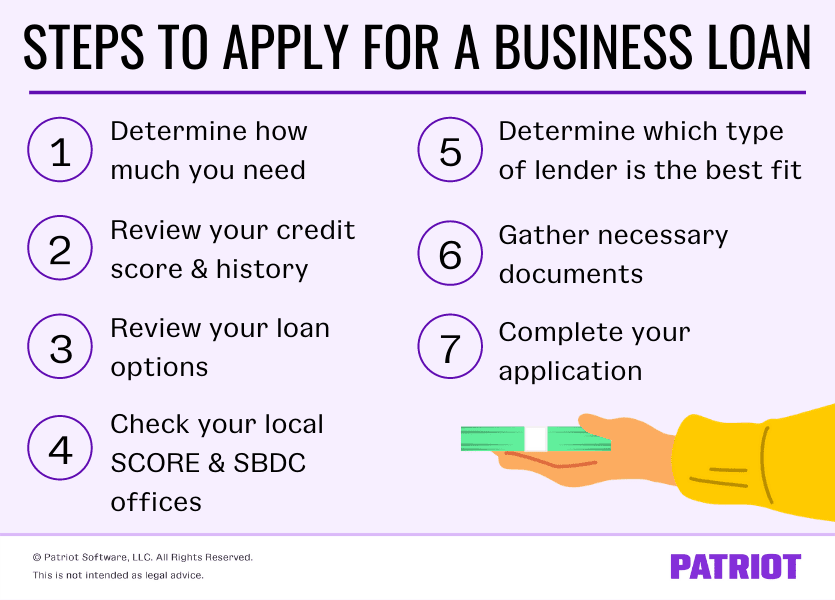
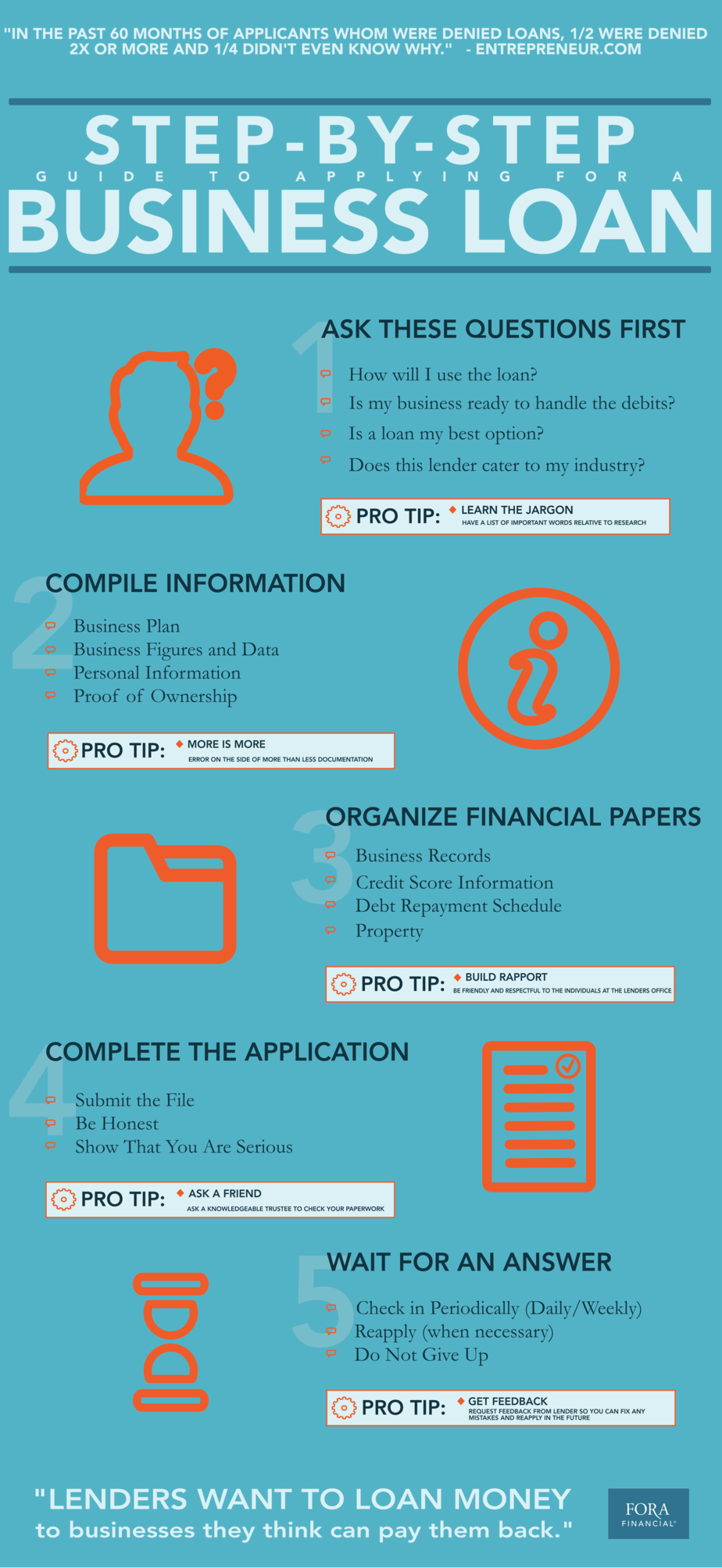
Once you understand what lenders are looking for, preparing for and navigating the application process efficiently becomes the next critical step.
Required Documentation: Be Prepared
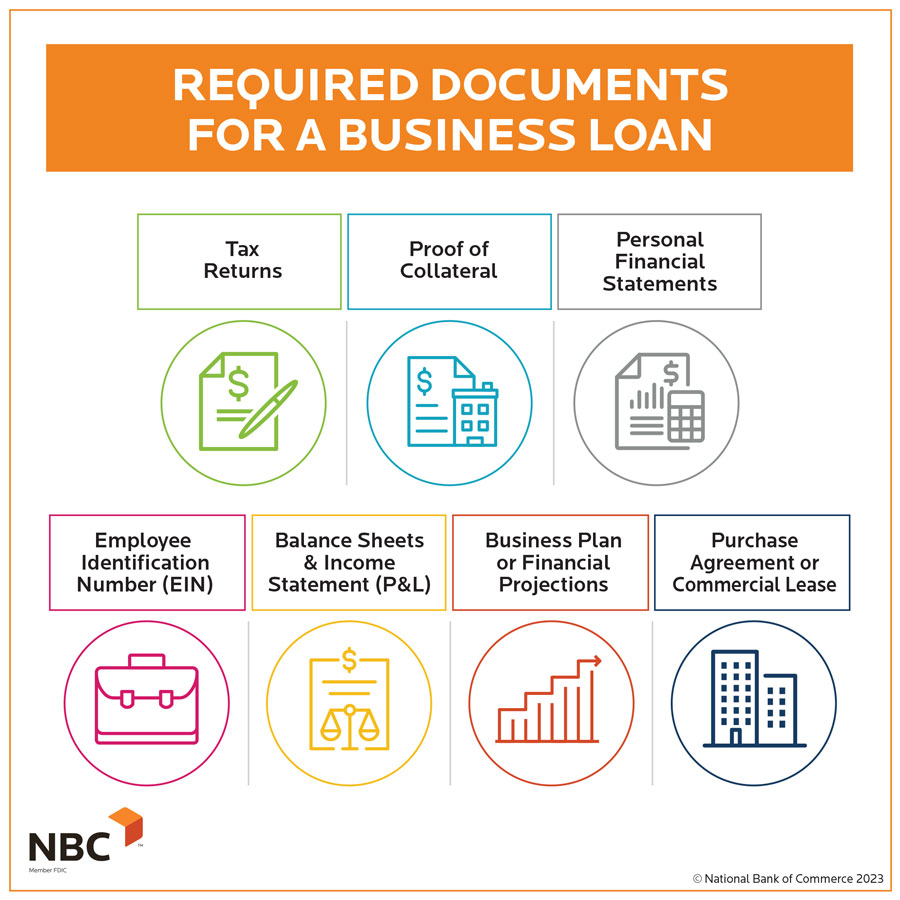
The application process is heavily reliant on documentation. Lenders require a comprehensive package of financial and legal documents to thoroughly vet your business. This typically includes:
- Business financial statements: Profit & Loss statements, Balance Sheets, and Cash Flow statements (usually for the past 2-3 years).
- Business tax returns: For the past 2-3 years.
- Personal tax returns: For the past 2-3 years (especially for smaller businesses or personal guarantees).
- Business bank statements: For the past 6-12 months.
- Legal documents: Business registration, articles of incorporation, business licenses, and relevant permits.
- Copies of existing loan agreements or liens.
- Detailed business plan and financial projections.
- Personal and business credit reports.
Having all these documents organized, accurate, and readily available will significantly streamline your application process and demonstrate your professionalism.
Choosing the Right Loan Type and Lender
Not all loans are created equal, and neither are all lenders. Matching your business’s specific needs with the right loan product and lender is crucial for successful qualification.
- Term Loans: Traditional lump sum loans repaid over a fixed period.
- Lines of Credit: Flexible access to funds up to a certain limit, ideal for managing working capital fluctuations.
- SBA Loans: Government-backed loans (Small Business Administration) that offer more favorable terms for qualified small businesses, but with a stricter application process.
- Equipment Financing: Loans specifically for purchasing machinery or equipment.
- Accounts Receivable Financing/Factoring: Using outstanding invoices to get immediate cash.
Traditional banks often offer lower interest rates but have stricter qualification criteria. Online lenders provide faster approvals and more flexible requirements but may come with higher interest rates. Alternative lenders can fill the gap for businesses that don’t qualify for traditional loans. Researching and understanding the different options will help you target the most appropriate financing source.
Communication and Transparency
Throughout the application process, maintaining open and honest communication with your potential lender is vital. Be transparent about any challenges your business faces, and be prepared to explain any anomalies in your financial statements. Lenders appreciate honesty and a proactive approach to addressing concerns. Building a good relationship with your loan officer can also be beneficial, as they can guide you through the process and advocate for your application.
Strategies for Improving Your Loan Eligibility
If your business isn’t quite meeting the mark, there are proactive steps you can take to enhance your eligibility.
Enhance Your Credit Profile
Actively work to improve both your personal and business credit scores. Dispute inaccuracies on your credit reports, pay all bills on time, reduce existing debt, and monitor your credit regularly.
Optimize Financial Performance
Focus on increasing revenue, reducing unnecessary expenses, and improving your profit margins. Implement better cash flow management strategies, such as faster invoicing and disciplined spending. Maintain meticulous and up-to-date financial records, which not only assist in loan applications but also provide valuable insights for running your business.
Seek Professional Guidance
Consider consulting with a financial advisor, an accountant, or a business mentor. They can help you prepare your financial statements, refine your business plan, and identify the most suitable financing options. Organizations like the Small Business Administration (SBA) and local SCORE chapters also offer valuable resources and counseling for entrepreneurs seeking funding.
Conclusion
Qualifying for a business loan is a multifaceted process that demands meticulous preparation, a strong understanding of your financial standing, and a clear vision for your business’s future. By focusing on developing robust credit scores, demonstrating strong financial health, presenting a compelling business plan, and understanding the nuances of different loan types and lenders, you can significantly enhance your chances of securing the capital needed to propel your business forward. Approach the process with diligence, transparency, and strategic foresight, and you will be well-positioned to unlock the financial resources critical for your entrepreneurial journey.
aViewFromTheCave is a participant in the Amazon Services LLC Associates Program, an affiliate advertising program designed to provide a means for sites to earn advertising fees by advertising and linking to Amazon.com. Amazon, the Amazon logo, AmazonSupply, and the AmazonSupply logo are trademarks of Amazon.com, Inc. or its affiliates. As an Amazon Associate we earn affiliate commissions from qualifying purchases.