
Securing a business loan can be a pivotal moment for any enterprise, whether you’re a budding startup seeking seed capital, an established company aiming for expansion, or an organization navigating a temporary cash flow challenge. Access to capital fuels growth, innovation, and stability, making the question of “how do I qualify for a business loan?” one of paramount importance for entrepreneurs and business leaders alike. While the process might seem daunting at first glance, it is fundamentally a matter of understanding and meeting specific criteria that lenders use to assess risk and repayment capacity. This comprehensive guide will demystify the qualification process, equipping you with the knowledge and strategies to position your business for success in the lending landscape.
Understanding Lender Expectations: The Core Pillars of Qualification
Lenders, regardless of their size or specialization, fundamentally want to know two things: can you repay the loan, and will you repay the loan? Their assessment hinges on several key areas that collectively paint a picture of your business’s financial health and reliability.
Strong Creditworthiness (Personal and Business)
Creditworthiness is arguably the most critical factor. It’s a measure of your past behavior in managing debt, indicating your likelihood of honoring future financial obligations.
Personal Credit Score: The Foundation
For small businesses, especially startups or sole proprietorships, your personal credit score (FICO, VantageScore) often serves as the primary indicator of creditworthiness. Lenders typically look for scores in the good to excellent range (generally 680+). A strong personal credit history demonstrates financial responsibility, which lenders project onto your potential as a business owner. Late payments, bankruptcies, or high credit utilization on personal accounts can significantly hinder your ability to qualify. Even if your business is incorporated, many lenders will still require a personal guarantee, meaning your personal credit remains relevant.
Business Credit Score: Building an Independent Profile
As your business matures, establishing a strong business credit score becomes increasingly vital. This score is separate from your personal credit and is built through your company’s payment history with suppliers, vendors, and other creditors, as well as its interaction with business lenders. Major business credit bureaus like Dun & Bradstreet, Experian Business, and Equifax Business compile this data. A solid business credit profile (e.g., a high Paydex score from D&B) signals to lenders that your business is a reliable entity capable of managing its own financial commitments, potentially allowing you to secure loans with more favorable terms and without solely relying on personal guarantees. Proactive steps like getting a DUNS number, establishing trade lines with net-30 or net-60 terms, and paying bills promptly contribute to building this crucial asset.
Robust Financial Health and Documentation
Beyond credit scores, lenders scrutinize your business’s financial statements to assess its operational health, profitability, and capacity to generate sufficient cash flow for loan repayment.
Profit & Loss Statements (Income Statements): Demonstrating Profitability
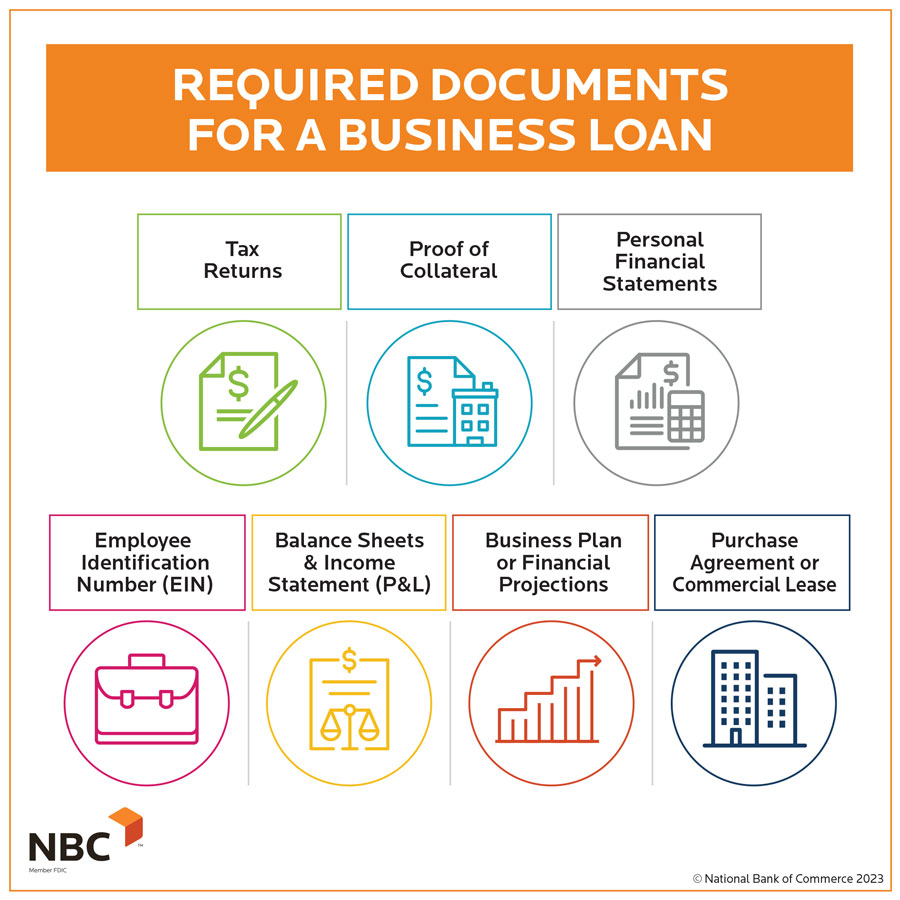
These statements, typically spanning the last 1-3 years, reveal your company’s revenues, costs, and profits over a specific period. Lenders want to see consistent revenue growth and, more importantly, sustainable profitability. A business that consistently operates at a loss or breaks even may struggle to convince a lender of its ability to repay. The P&L statement helps lenders understand your operating efficiency and profit margins.
Balance Sheets: Snapshot of Assets and Liabilities
A balance sheet provides a snapshot of your company’s financial position at a specific point in time, detailing its assets (what it owns), liabilities (what it owes), and owner’s equity. Lenders use this to assess your company’s net worth, liquidity, and leverage. A healthy balance sheet typically shows a strong asset base relative to liabilities, indicating financial stability and potentially providing collateral for the loan.
Cash Flow Statements: The Repayment Capacity Test
Often considered the most critical financial document by lenders, the cash flow statement tracks the actual movement of cash into and out of your business. It shows whether your operations are generating enough cash to cover expenses, service existing debt, and repay a new loan. A business can be profitable on paper but still suffer from poor cash flow, making it a high-risk borrower. Lenders look for consistent positive cash flow from operations, demonstrating a clear ability to meet financial obligations.
Tax Returns: Verification of Reported Income
Lenders will almost certainly request federal tax returns for both your business (e.g., Form 1120 for C-corps, Form 1120-S for S-corps, Schedule C for sole proprietors) and often for the principal owners (Form 1040) for the past 2-3 years. Tax returns provide an independently verifiable record of your income and expenses, allowing lenders to cross-reference and confirm the figures presented in your financial statements. Discrepancies can raise red flags.
Clear Business Plan and Purpose for Funds
While numbers are important, lenders also want to understand the story behind the numbers – your vision, strategy, and how the loan fits into your overall business objectives.
Articulated Vision, Mission, and Market Analysis
A well-structured business plan outlines your company’s goals, strategies, and competitive advantages. It demonstrates that you have thoroughly thought through your business model, target market, operational strategies, and management team. Lenders want to see a clear understanding of your industry, market opportunities, and how your business is positioned for success.
Detailed Use of Loan Proceeds
You must clearly articulate how you intend to use the loan funds. Whether it’s for purchasing new equipment, expanding operations, hiring staff, or managing working capital, lenders need to understand that the funds will be used for legitimate business purposes that contribute to the business’s growth and ability to repay the loan. Vague or undefined uses of funds will be a significant deterrent.
Feasible Repayment Strategy
Your business plan should also include a realistic and detailed repayment strategy. This involves projecting how the loan will impact your revenue and cash flow, and demonstrating how you will generate the necessary funds to make timely payments. This might involve increased sales projections, cost efficiencies, or other growth initiatives directly tied to the loan’s purpose.
Essential Documents and Information You’ll Need
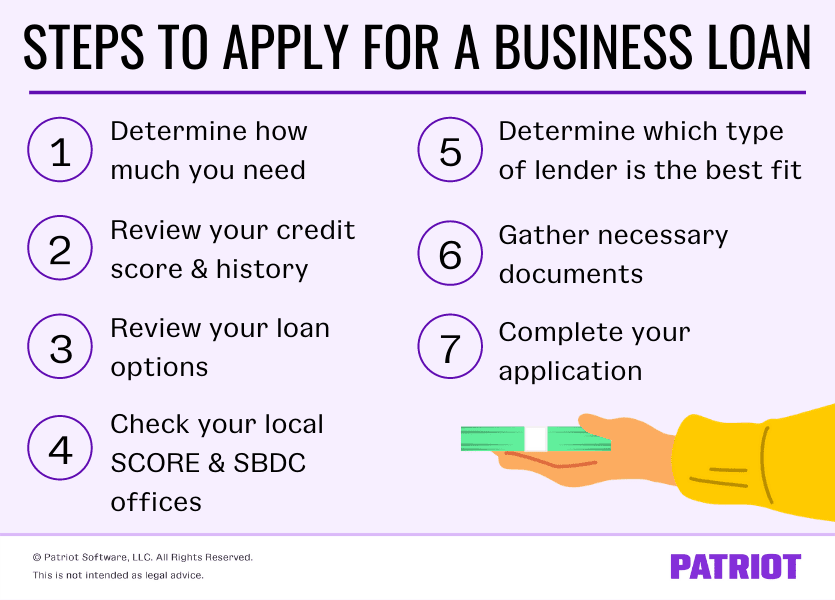
Beyond the financial statements, a complete loan application package requires several other critical documents and pieces of information. Organizing these in advance will streamline the application process.
Legal and Business Registration
Lenders need to confirm your business is a legitimate, legally registered entity.
- Employer Identification Number (EIN): Your business’s federal tax ID, essential for most business operations.
- Business Licenses and Permits: Proof that your business is authorized to operate in its specific industry and location.
- Articles of Incorporation/Organization: Legal documents establishing your business entity (e.g., LLC, corporation).
- Operating Agreement/Bylaws: Documents outlining the ownership structure, management responsibilities, and operational procedures.
- Proof of Ownership: Documents identifying the principal owners and their respective ownership percentages.
Bank Statements
Recent business bank statements provide a real-time view of your cash flow and transactional activity.
- Business Bank Statements (6-12 months): Lenders will review these to verify revenue deposits, expenditure patterns, and average daily balances. They look for consistent cash flow, infrequent overdrafts, and a healthy operating balance.
- Personal Bank Statements: If your business is new or your personal finances are heavily intertwined with the business (e.g., sole proprietorship), personal bank statements may also be requested to assess your overall financial liquidity.
Collateral and Guarantees
Many business loans, especially traditional bank loans, require some form of security.
- Collateral: Assets pledged by the borrower to secure the loan. If the borrower defaults, the lender can seize these assets to recover their losses. Common types include real estate, accounts receivable, inventory, equipment, and even intellectual property. The value and liquidity of your collateral directly impact your loan amount and terms.
- Personal Guarantees: A promise by the business owner(s) to be personally responsible for the repayment of the business debt if the business defaults. This is very common, particularly for small businesses, and effectively links your personal assets to the business loan. Lenders require personal guarantees to mitigate risk, especially when the business itself has limited assets or a short operating history.
Navigating Different Loan Types and Their Criteria
The “how” of qualification often depends on “what” kind of loan you’re seeking. Different lenders and loan products have varying criteria tailored to their risk appetite and target borrowers.
SBA Loans (Small Business Administration)
SBA loans are government-backed loans provided by traditional lenders (banks, credit unions) but partially guaranteed by the Small Business Administration. This guarantee reduces the risk for lenders, making them more willing to lend to small businesses that might not qualify for conventional loans.
- General Requirements: Must be a for-profit business, operate in the U.S., have reasonable owner equity, and be unable to obtain financing elsewhere on reasonable terms. Specific programs (e.g., 7(a), 504, Microloan) have additional requirements regarding size standards, use of proceeds, and collateral.
- Benefits: Lower interest rates, longer repayment terms, and lower down payments compared to conventional loans.
- Qualification: While SBA loans are generally more accessible, they still require strong personal and business credit, a solid business plan, detailed financial projections, and comprehensive documentation. The process can be more extensive and time-consuming than direct bank loans.
Traditional Bank Loans
Conventional loans from commercial banks remain a popular option, typically offering competitive interest rates for well-established businesses.
- Stricter Requirements: Banks usually demand a longer operating history (often 2+ years), strong revenues, consistent profitability, excellent credit scores (both personal and business), and significant collateral. They often prefer businesses with predictable cash flow and low debt-to-equity ratios.
- Relationship Banking: Having an existing banking relationship, such as a business checking account or previous small loans, can sometimes make it easier to qualify.
- Process: Often involves a rigorous underwriting process, requiring extensive documentation and potentially taking several weeks to months for approval.
Alternative Lenders and Online Platforms
The rise of financial technology (FinTech) has introduced a plethora of alternative lending options, particularly suited for businesses that may not meet traditional bank criteria or need faster funding.
- More Flexible Criteria: Online lenders often have less stringent requirements regarding operating history, credit scores, and collateral, making them accessible to startups or businesses with less-than-perfect credit.
- Faster Approval: Application processes are typically streamlined and digital, leading to quicker approval and funding times (sometimes within days).
- Higher Interest Rates: The trade-off for flexibility and speed is often higher interest rates and shorter repayment terms compared to traditional bank or SBA loans.
- Types: This category includes online term loans, lines of credit, merchant cash advances (MCAs), invoice factoring, and equipment financing. Merchant cash advances, for instance, are based on future credit card sales and don’t rely heavily on traditional credit scores, but come with very high effective interest rates.
Microloans and Community Development Financial Institutions (CDFIs)
These options cater to specific needs, often for smaller businesses, startups, or those in underserved communities.
- Microloans: Small-dollar loans (typically up to $50,000) often provided by non-profit organizations or CDFIs. They are designed to help small businesses and entrepreneurs, especially those who struggle to obtain traditional financing. Requirements are often more flexible, sometimes emphasizing the borrower’s character and business potential over strict financial metrics.
- CDFIs: Community Development Financial Institutions are mission-driven organizations that provide financial services to low-income communities and individuals who lack access to mainstream finance. They offer a range of products, including small business loans, often with technical assistance and mentoring. Their qualification criteria focus on community impact alongside financial viability.
Strategies to Enhance Your Loan Qualification Chances
Understanding the criteria is the first step; actively improving your position is the next. Proactive measures can significantly boost your eligibility.
Improve Your Credit Scores
- Pay Bills on Time: The most impactful action for both personal and business credit. Set up reminders or automatic payments.
- Reduce Debt: Lowering your credit utilization ratio (amount of credit used vs. available) can improve your scores.
- Monitor Credit Reports: Regularly check your personal and business credit reports for errors and dispute any inaccuracies.
- Build Business Credit Early: Obtain a DUNS number, establish trade lines with suppliers, and ensure they report to business credit bureaus.
Strengthen Your Financials
- Increase Revenue and Manage Expenses: Focus on strategies that boost sales and control operational costs to improve profitability.
- Maintain Healthy Cash Reserves: Ensure you have sufficient working capital to cover day-to-day operations and demonstrate liquidity.
- Professional Bookkeeping and Accounting: Accurate, up-to-date, and well-organized financial records are non-negotiable. Consider hiring a professional accountant or using robust accounting software.
- Clear Financial Projections: Develop realistic and well-supported financial forecasts for at least 1-3 years, especially if seeking a loan for growth.
Build a Solid Business History
- Consistent Operation: Lenders prefer businesses with a track record, typically at least 2 years of operation, demonstrating stability and market viability.
- Demonstrate Profitability: Show a consistent history of positive net income. If your business has been unprofitable, explain the reasons and outline a clear path to profitability.
- Establish Business Banking: Open a dedicated business bank account and keep personal and business finances strictly separate. This creates a clean financial trail for lenders.
Prepare a Compelling Application Package
- Professionalism and Completeness: Submit a thorough, well-organized, and error-free application. Missing documents or sloppy presentation can signal disorganization.
- Practice Your Pitch: Be ready to articulate your business model, the purpose of the loan, and your repayment strategy clearly and confidently to the lender.
- Seek Guidance: Consider working with a financial advisor, small business consultant, or an SBA resource partner (like a Small Business Development Center) to help prepare your application and business plan.
Conclusion
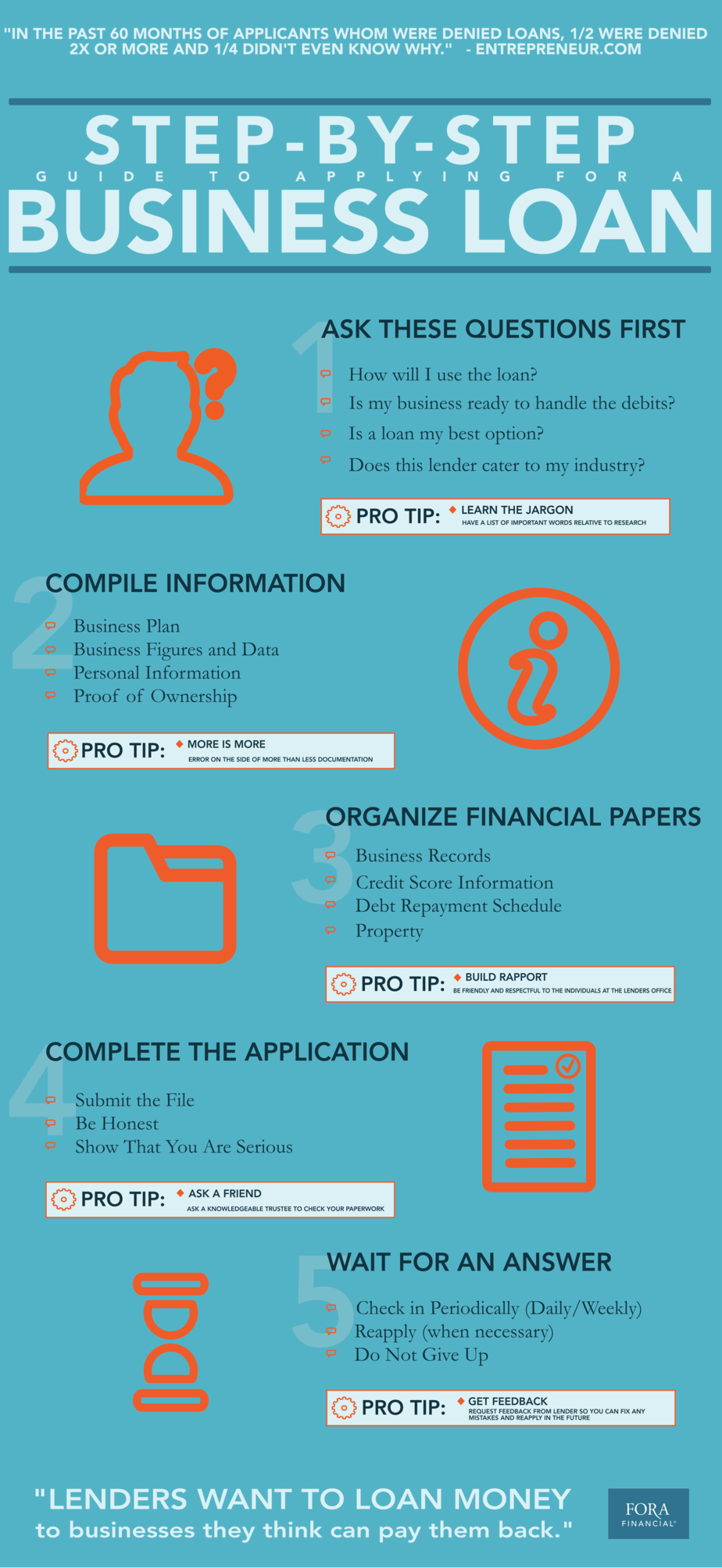
Qualifying for a business loan is not a mysterious process, but rather a methodical evaluation of your business’s financial health, operational stability, and management capabilities. By understanding the core pillars of lender expectations—strong credit, robust financials, and a clear business plan—and meticulously preparing your documentation, you significantly increase your chances of securing the capital needed to grow your enterprise. Whether you pursue traditional banks, SBA-backed loans, or alternative online lenders, the fundamental principle remains: demonstrating your reliability and repayment capacity is paramount. Begin preparing early, build a solid financial foundation, and present your business in the most compelling light, and you will be well on your way to unlocking the funding that can transform your business aspirations into reality.
aViewFromTheCave is a participant in the Amazon Services LLC Associates Program, an affiliate advertising program designed to provide a means for sites to earn advertising fees by advertising and linking to Amazon.com. Amazon, the Amazon logo, AmazonSupply, and the AmazonSupply logo are trademarks of Amazon.com, Inc. or its affiliates. As an Amazon Associate we earn affiliate commissions from qualifying purchases.