
Securing a business loan is often a pivotal moment for entrepreneurs, whether they’re launching a startup, expanding operations, or navigating unforeseen challenges. It can be the fuel that propels a vision into reality, or the lifeline that ensures continuity. However, the path to obtaining a business loan can seem daunting, characterized by complex requirements, a myriad of options, and the need for meticulous preparation. This comprehensive guide aims to demystify the process, providing a clear roadmap for businesses seeking essential funding. From understanding your specific needs to exploring various financing avenues and preparing a compelling application, we will delve into every critical step, empowering you to make informed decisions and successfully secure the capital your business requires.
Understanding Your Business Funding Needs
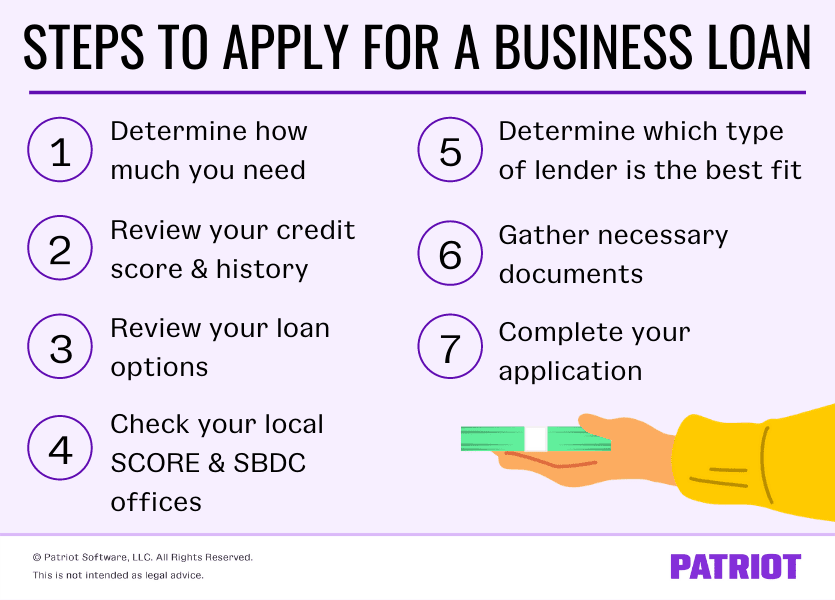
Before approaching any lender, a thorough self-assessment of your business’s financial health and capital requirements is paramount. This foundational step dictates the type of loan you should pursue and strengthens your position during negotiations.
Assessing Your Financial Position
A clear understanding of your current financial standing involves scrutinizing historical performance and projecting future needs. This includes a deep dive into your balance sheet, income statement, and cash flow projections. Lenders will want to see evidence of revenue generation, profitability, and, most importantly, the ability to repay the loan. Be honest about your assets, liabilities, and equity. A solid financial history, even if limited for a startup, provides credibility. For existing businesses, consistent revenue, controlled expenses, and positive cash flow are strong indicators of financial stability.
Defining the Loan Purpose and Amount
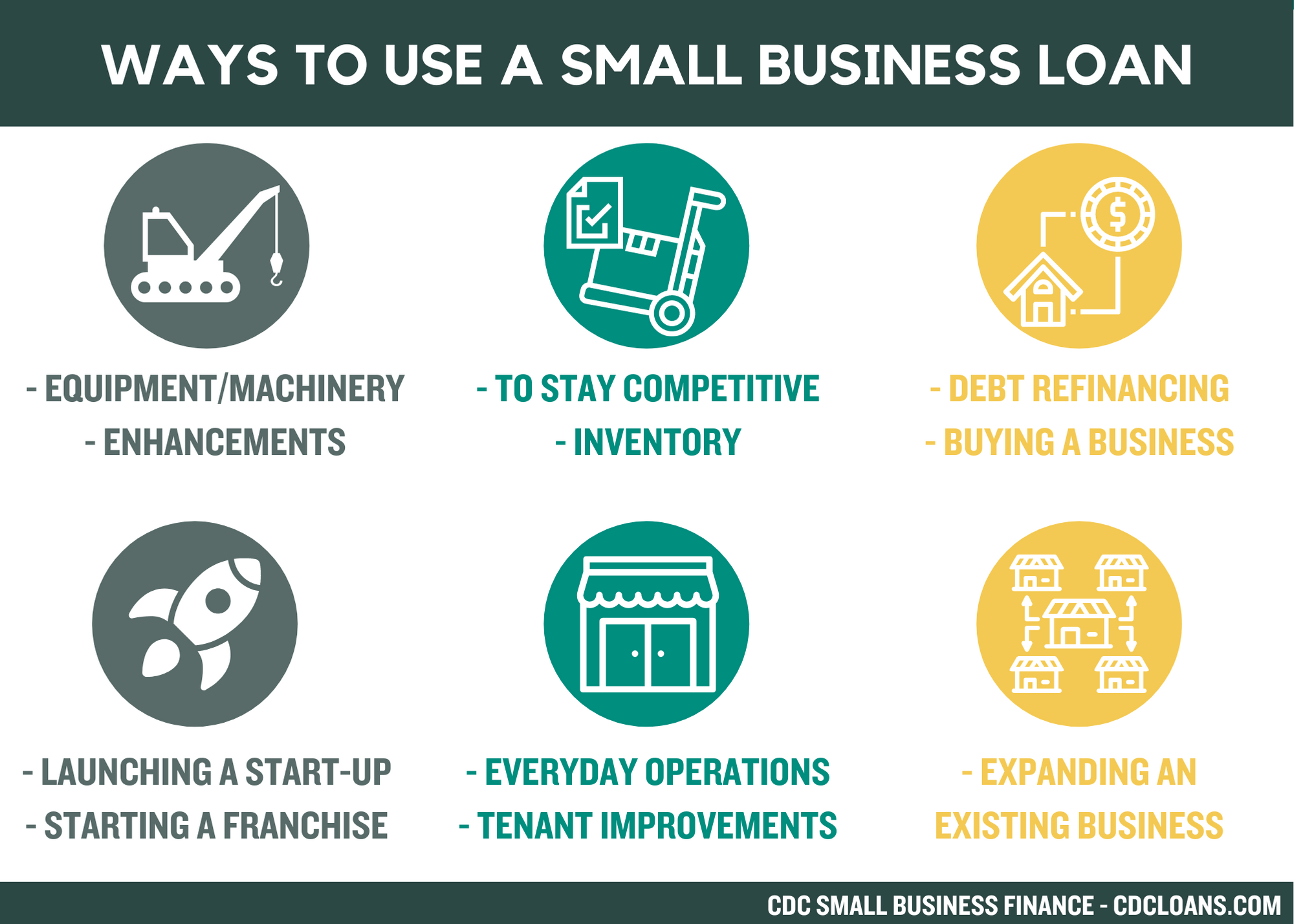
Why do you need the money, and exactly how much? These are the first questions any lender will ask. Vague answers are a red flag. Do you need working capital to cover day-to-day operations? Are you investing in new equipment or technology? Expanding your physical premises? Launching a new product line? Each purpose might align better with specific loan types. Equally important is determining the precise amount. Borrowing too little might leave you short, while borrowing too much incurs unnecessary interest and repayment burdens. Create a detailed breakdown of how the funds will be utilized, including quotes for equipment, renovation costs, or marketing budgets.
Knowing Your Creditworthiness (Personal and Business)
Your credit score, both personal and business (if applicable), is a critical factor in a lender’s decision. For startups and small businesses, a strong personal credit score (FICO) is often a proxy for the business’s creditworthiness. Lenders use it to assess your reliability in managing debt. A FICO score of 680 and above is generally considered good, while scores above 720 are excellent. Ensure you check your personal credit report for any inaccuracies and take steps to improve it if necessary. For established businesses, a business credit score (from agencies like Dun & Bradstreet, Experian Business, Equifax Business) provides an independent assessment of your company’s payment history and financial strength. A healthy business credit profile demonstrates responsible financial management and increases your chances of approval for better terms.
Exploring Diverse Business Loan Options
The lending landscape is more diverse than ever, offering a spectrum of products tailored to different business needs, sizes, and stages. Understanding these options is crucial for selecting the right fit.
Traditional Bank Loans
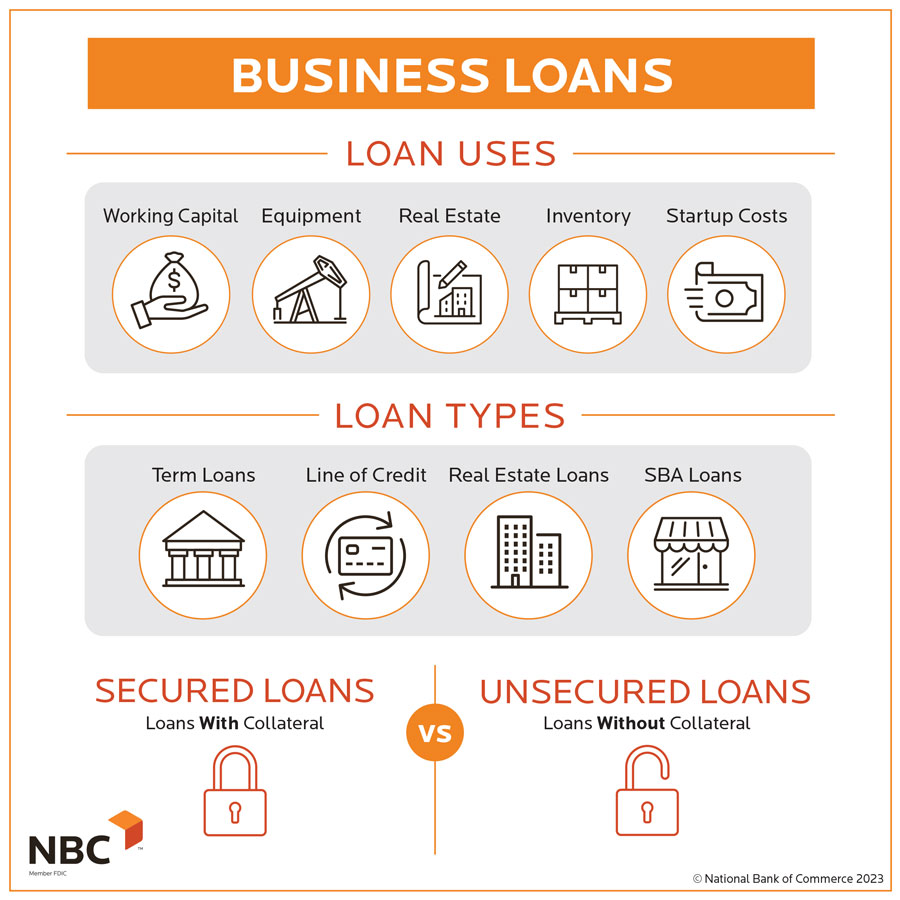
Conventional banks (commercial banks, credit unions) are often the first port of call for business financing. They typically offer term loans, lines of credit, and real estate loans. Term loans provide a lump sum with a fixed repayment schedule, ideal for specific investments like equipment or expansion. Lines of credit offer flexibility, allowing you to draw funds as needed, up to a certain limit, perfect for managing cash flow fluctuations. Banks generally offer the most competitive interest rates and favorable terms, but they often have stringent eligibility criteria, requiring strong credit, collateral, and a proven track record. The application process can also be lengthy.
SBA Loans: Government-Backed Assistance
The U.S. Small Business Administration (SBA) doesn’t directly lend money but guarantees a portion of loans made by approved lenders (banks, credit unions). This guarantee reduces the risk for lenders, making it easier for small businesses to qualify for financing with more attractive terms than they might otherwise receive. Popular SBA programs include the 7(a) Loan Program (the most common, versatile loan for various purposes), the CDC/504 Loan Program (for real estate and heavy equipment), and microloans (smaller loans for specific needs). SBA loans are an excellent option for businesses that might not meet traditional bank criteria but demonstrate strong potential. They come with size and use-of-proceeds restrictions and a detailed application process.
Online Lenders and Alternative Financing
The rise of fintech has ushered in a new era of online lenders, offering faster application processes and quicker funding times compared to traditional banks. These lenders often have more flexible eligibility requirements, making them accessible to businesses with less-than-perfect credit or shorter operating histories. Options include short-term loans, merchant cash advances, and invoice factoring. While convenient, online loans often come with higher interest rates or fees, reflecting the increased risk these lenders take on. It’s crucial to thoroughly understand the total cost of borrowing when considering online options.
Lines of Credit and Merchant Cash Advances
As mentioned, a business line of credit provides access to a revolving pool of funds up to a set limit. You only pay interest on the amount you draw, making it highly flexible for managing working capital gaps or seizing short-term opportunities. Merchant Cash Advances (MCAs) are a unique form of financing where a lender provides a lump sum in exchange for a percentage of your future debit and credit card sales. Repayment is often daily or weekly, directly from your sales. MCAs are quick to obtain and don’t require collateral, but they can be very expensive, with high effective interest rates, and are generally best suited for businesses with high, consistent credit card sales that need immediate capital.
Equipment Financing and Invoice Factoring
Equipment financing is specifically designed to help businesses purchase or lease new or used equipment. The equipment itself often serves as collateral for the loan, making it easier to secure with potentially lower interest rates. This option is ideal for businesses needing to acquire machinery, vehicles, or technology without depleting their working capital. Invoice factoring (or accounts receivable financing) involves selling your unpaid customer invoices to a third-party factor at a discount. The factor advances you a significant portion of the invoice value immediately, then collects the full amount from your customers. Once collected, they remit the remaining balance to you, minus their fee. This is an excellent solution for businesses that have long payment terms with clients but need immediate cash flow.
Preparing Your Loan Application: The Essentials
Regardless of the lender or loan type, a well-prepared application package is key to a successful outcome. This demonstrates your professionalism, reduces processing time, and instills confidence in potential lenders.
Crafting a Robust Business Plan
Your business plan is more than just a document; it’s your story, your strategy, and your vision. Lenders use it to understand your business model, market opportunity, management team, and how you plan to use and repay the funds. A comprehensive business plan should include: an executive summary, company description, market analysis (target market, competition), organization and management structure, service or product line, marketing and sales strategy, funding request, and detailed financial projections (at least 3-5 years). Ensure your plan clearly articulates the problem your business solves, its competitive advantage, and a realistic growth strategy.
Gathering Financial Documents (Tax Returns, Bank Statements, P&Ls)
This is where proof meets promise. Lenders will require a robust set of financial documents to verify your past performance and assess your current financial health. This typically includes:
- Business Bank Statements: 6-12 months of statements to show cash flow and transaction volume.
- Business Tax Returns: 2-3 years of federal tax returns.
- Personal Tax Returns: 2-3 years of personal tax returns, especially for small businesses or startups.
- Financial Statements: Profit & Loss (Income Statement), Balance Sheet, and Cash Flow Statement for the past 2-3 years, and year-to-date.
- Accounts Receivable and Accounts Payable Aging Reports: To show your payment cycles.
- Debt Schedule: A list of all existing business debts.
Ensure all documents are accurate, organized, and up-to-date. Inconsistencies or missing information can delay the process or lead to rejection.
Personal Guarantees and Collateral Considerations
Many small business loans, especially for newer or smaller companies, require a personal guarantee from the business owner. This means you are personally liable for the loan if the business defaults. It’s a significant commitment and should be considered carefully. Collateral refers to assets pledged to secure the loan, which the lender can seize if you fail to repay. Common forms of collateral include real estate, equipment, inventory, and accounts receivable. While securing a loan with collateral can lead to better terms, it also puts those assets at risk. Understand the implications of both personal guarantees and collateral before agreeing to them.
Understanding Loan Terms and Covenants
Before signing, meticulously review the loan agreement. Pay close attention to:
- Interest Rate: Fixed or variable?
- Repayment Schedule: Monthly, weekly, or daily?
- Term Length: How long do you have to repay?
- Fees: Origination fees, closing costs, prepayment penalties, late payment fees.
- Covenants: These are conditions the lender imposes on the borrower. They might include maintaining certain financial ratios, providing regular financial statements, or restrictions on taking on additional debt or selling assets. Understand all covenants to ensure your business can realistically comply.
The Application Process: From Submission to Approval
Navigating the application process efficiently can significantly impact your success and the speed at which you receive funding.
Researching and Comparing Lenders
Don’t just go with the first lender you find. Shop around! Research various banks, credit unions, online lenders, and SBA-approved institutions. Compare their eligibility requirements, interest rates, fees, loan terms, and customer service. Read reviews and seek recommendations. Consider working with a loan broker who specializes in business financing; they can help you find suitable options and navigate the complexities. Look for lenders who understand your industry and business model.
Submitting Your Application
Once you’ve chosen a few potential lenders, tailor your application to their specific requirements. While many documents are universal, some lenders may request additional information or present forms unique to their institution. Double-check that all fields are accurately filled out and all requested documents are attached. A complete, well-organized submission leaves a positive impression. If possible, have a brief meeting or call with a loan officer to discuss your needs and get guidance before submitting, as this can often pre-empt potential issues.
Due Diligence and Underwriting
After submission, the lender will begin its due diligence and underwriting process. This involves a thorough review of your application, financial documents, business plan, and credit history. They may conduct interviews, request additional information, verify assets, and assess the market conditions for your industry. This phase can take anywhere from a few days for online lenders to several weeks or even months for traditional banks, especially for larger or more complex loans. Be responsive to any requests for further information; delays on your part can prolong the process.
What to Do If You’re Denied
A loan denial is not the end of the road. Ask the lender for the specific reasons for the denial. This feedback is invaluable. Was it your credit score, insufficient collateral, an incomplete business plan, or a specific financial ratio? Address these weaknesses. You might need to improve your credit, refine your business plan, seek a smaller loan amount, or explore different types of lenders (e.g., from traditional banks to online lenders or community development financial institutions). Sometimes, simply gaining more operating history or strengthening your balance sheet over time can make a difference for a future application.
Post-Approval: Managing Your Business Loan Wisely
Securing the loan is a significant achievement, but the journey doesn’t end there. Responsible management of your business loan is crucial for your financial health and future borrowing capacity.
Adhering to Repayment Schedules
This is non-negotiable. Missing payments can severely damage your credit score, incur late fees, and potentially lead to default, which has severe consequences. Set up automated payments if possible, and ensure you always have sufficient funds in your account. Proactive communication with your lender is key; if you foresee difficulties in making a payment, reach out before the due date to discuss potential solutions or modifications, though these are not guaranteed.
Monitoring Business Performance
Continuously monitor your business’s financial performance to ensure it aligns with your projections and the loan’s repayment capacity. Regularly review your cash flow statements, profit and loss reports, and balance sheets. Identify any deviations early and take corrective action. This ongoing financial vigilance helps you manage the loan effectively and ensures your business remains on a stable growth trajectory.
Building a Stronger Financial Future
Successful repayment of your business loan builds a positive credit history for your company, making it easier and potentially cheaper to secure financing in the future. As you repay, your business’s financial standing strengthens, opening doors to more favorable terms, larger loan amounts, or different types of financing that were previously out of reach. Use this opportunity not just to meet your current needs, but to establish a foundation of financial discipline and credibility that will serve your business for years to come.
In conclusion, obtaining a business loan is a strategic process that requires diligence, preparation, and an informed approach. By thoroughly understanding your needs, exploring suitable options, meticulously preparing your application, and responsibly managing the borrowed funds, you can unlock the capital necessary to achieve your business aspirations and foster sustainable growth.
aViewFromTheCave is a participant in the Amazon Services LLC Associates Program, an affiliate advertising program designed to provide a means for sites to earn advertising fees by advertising and linking to Amazon.com. Amazon, the Amazon logo, AmazonSupply, and the AmazonSupply logo are trademarks of Amazon.com, Inc. or its affiliates. As an Amazon Associate we earn affiliate commissions from qualifying purchases.