
Embarking on the entrepreneurial journey is exhilarating, filled with dreams of innovation, independence, and financial prosperity. However, before you can hang your virtual or physical “open for business” sign, there’s a critical foundational step that often gets overlooked in the initial excitement: obtaining the necessary business licenses and permits. Far from a mere bureaucratic hurdle, securing the correct licenses is a cornerstone of your business’s legitimacy, financial security, and long-term viability. It’s the official stamp that transforms a great idea into a legally recognized, financially empowered entity. This comprehensive guide will demystify the process, helping you navigate the complexities of small business licensing to ensure your venture starts on the right, legally compliant, and financially sound foot.

Understanding the “Why”: The Crucial Role of Business Licensing in Financial Security
Many aspiring business owners view licensing as an inconvenient cost, but savvy entrepreneurs recognize it as an essential investment in their financial future and operational stability. Understanding the profound financial implications of proper licensing is key to appreciating its importance.
Legal Compliance and Avoiding Penalties
The most immediate and tangible financial benefit of obtaining the correct business licenses is the avoidance of severe penalties. Operating without the required permits can lead to significant fines, which can quickly erode nascent profits or even plunge a new business into financial distress. Beyond monetary penalties, an unlicensed operation risks cease-and-desist orders, mandatory closure, and even legal action. Such interruptions not only halt income generation but also incur legal defense costs, reputation damage, and the laborious process of retroactively securing compliance under duress. From a financial perspective, investing in proper licensing upfront is a far more cost-effective strategy than facing the potentially ruinous consequences of non-compliance. It protects your cash flow and safeguards your initial capital investment.
Building Credibility and Trust
In the financial world, trust and credibility are invaluable assets. A properly licensed business signals professionalism and adherence to legal standards, which is crucial for establishing relationships with banks, lenders, and investors. Imagine trying to open a business bank account, secure a loan, or attract angel investors without proof of legal operation—it’s nearly impossible. Licenses provide that proof, demonstrating to financial institutions that you are a legitimate entity worthy of their trust and capital. Furthermore, customers are increasingly conscious of doing business with reputable companies. Displaying your licenses, or being able to confirm their existence, builds consumer confidence, which directly translates to increased sales and a stronger revenue stream. This credibility also extends to suppliers and partners, who are more likely to offer favorable terms and engage in long-term relationships with legally sound businesses, impacting your operational costs and supply chain reliability.
Accessing Business Opportunities and Funding
Beyond basic financial relationships, proper licensing can unlock a myriad of opportunities that are otherwise inaccessible. Many government contracts, for instance, explicitly require businesses to be fully licensed and compliant. Similarly, applying for small business loans, grants, or venture capital funding often necessitates a clean legal record and proof of official operation. Without the proper documentation, your business may be excluded from these vital financial lifelines and growth opportunities. A legitimate status, underpinned by correct licensing, allows your business to scale, innovate, and compete effectively within its market, ultimately enhancing its financial potential and long-term valuation. It’s a prerequisite for engaging in the larger economic ecosystem.
Navigating the Labyrinth: Identifying Your Specific Licensing Requirements
The landscape of business licensing can seem daunting due to its multi-layered nature. Requirements vary significantly based on your business type, location, and operational scope. A systematic approach is vital to avoid missing any critical permits.
Federal, State, and Local Jurisdictions
Understanding that licensing operates on multiple governmental levels is the first step.
- Federal Licenses: While not all small businesses require federal licenses, specific industries are heavily regulated at this level. Examples include businesses dealing with alcohol, firearms, transportation, agriculture, broadcasting, and investment advising. For instance, if you’re importing goods, you’ll need permits from agencies like Customs and Border Protection. If you’re involved in air travel, the Federal Aviation Administration (FAA) will have requirements. These federal mandates often come with strict financial reporting and operational standards, making compliance crucial for avoiding federal penalties.
- State Licenses: Most small businesses will require some form of state-level licensing. This often includes a general state business license (though not all states require this), professional licenses (for doctors, lawyers, accountants, real estate agents, contractors, etc.), sales tax permits (if you sell taxable goods or services), and employer identification numbers (EIN) if you have employees. States also regulate environmental permits, worker’s compensation insurance, and unemployment insurance. Each of these has direct financial implications, from taxes collected and remitted to insurance premiums and potential liabilities.
- Local/County/City Licenses: This is where the most common business licenses originate. Almost every city and county requires a general business license or “occupational license” to operate within its jurisdiction. Beyond this, local governments often mandate specific permits for zoning (ensuring your business location is approved for commercial use), health (critical for food service, salons, and childcare), fire safety, signage, and building permits if you’re renovating your space. These local requirements are often the first point of contact for new entrepreneurs and are essential for day-to-day legal operation, impacting everything from your rent negotiations to your ability to serve customers.
Business Structure and Industry-Specific Needs
Your chosen business structure and the industry you operate in profoundly influence your licensing requirements.
- Business Structure: Whether you register as a sole proprietorship, partnership, LLC (Limited Liability Company), or corporation will determine certain registration requirements with state Secretaries of State. While a sole proprietorship might have fewer initial filings, an LLC or corporation requires specific state registration fees and ongoing compliance, which are crucial for maintaining the liability protection they offer—a significant financial safeguard.
- Industry-Specific Needs: Certain industries are inherently more regulated due to public health, safety, or financial risk. A restaurant, for instance, will require a slew of health permits, food handler certifications, and potentially liquor licenses, each with its own application process and substantial fees. A construction company will need contractor licenses, bonding, and specific permits for each project. A financial advisory firm will have rigorous state and potentially federal registrations (e.g., with the SEC or state securities regulators). Understanding these industry-specific regulations upfront allows for accurate financial forecasting of initial setup costs and ongoing compliance expenses.
Key Questions to Ask
To effectively identify what your business needs, engage in proactive research:
- Contact Your Local Chamber of Commerce: They often have resources or can direct you to relevant local agencies.
- Visit Your City/County Clerk’s Office or Business Permit Website: Many municipalities have dedicated departments or online portals for business licensing.
- Check Your State’s Department of Revenue or Secretary of State Website: These are primary sources for state-level requirements and tax registrations.
- Utilize Online Business License Search Tools: There are third-party services (some free, some paid) that can help identify requirements based on your business type and location.
- Consult with a Business Attorney or Accountant: Especially for complex businesses or those operating in highly regulated fields, professional guidance can be an invaluable investment, preventing costly oversights.
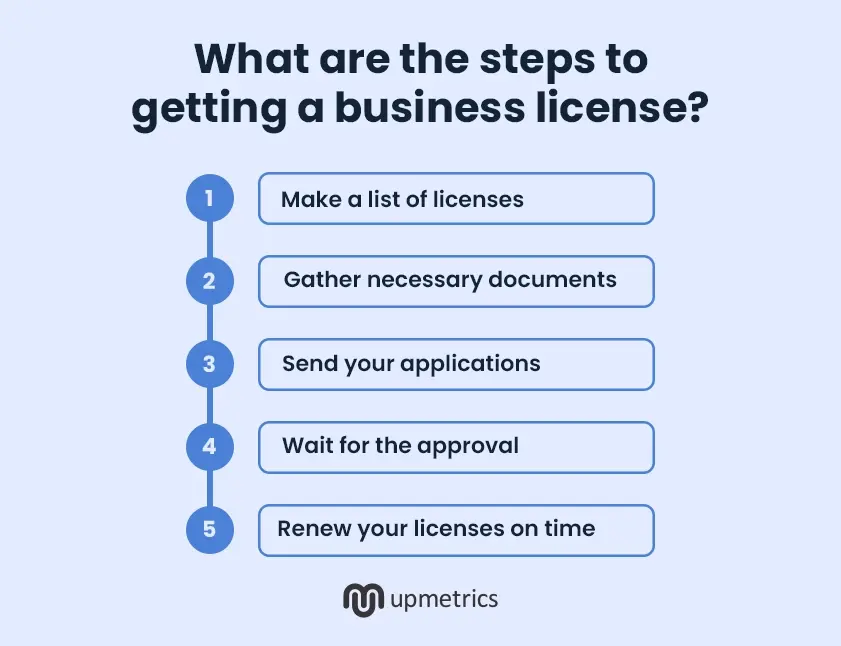
The Step-by-Step Process: A Financial Roadmap to Compliance
Once you’ve identified the necessary licenses, the application process itself is a structured journey. Approaching it methodically will save time, reduce stress, and ensure that your financial planning includes all associated costs.
Step 1: Research and Identification
This initial phase, as detailed above, involves a thorough investigation into all federal, state, county, and city licenses and permits applicable to your specific business type and location. Create a comprehensive checklist. Don’t assume that if one level of government doesn’t require something, another won’t. This research phase should also identify the application forms, submission deadlines, and associated fees for each permit. Understanding the cost of compliance is a critical part of your initial business finance planning.
Step 2: Application Preparation and Documentation
Once you have your checklist, gather all required documentation. This typically includes:
- Your legal business name and any DBA (Doing Business As) names.
- Your Employer Identification Number (EIN) from the IRS (if you have employees or operate as an LLC/Corporation).
- Business address(es) and contact information.
- Owner(s) personal information (SSN, home address).
- Business structure (Sole Prop, LLC, Corp).
- Description of your business activities.
- Proof of zoning compliance (for location-based businesses).
- Certificates of occupancy.
- Proof of insurance (liability, worker’s comp, etc.).
- Resumes or professional certifications (for professional licenses).
- Sometimes, even a basic business plan or financial projections might be requested, especially for complex or high-risk ventures, or for permits tied to significant capital investment.
Accuracy and completeness are paramount to avoid delays and reprocessing fees.
Step 3: Fee Payment and Submission
Each license and permit will have an associated fee, which can range from nominal administrative charges to substantial costs, particularly for professional licenses or permits in highly regulated industries (e.g., liquor licenses). These fees are a non-negotiable part of your initial start-up capital. Budget for them explicitly. Some jurisdictions allow online submissions and payments, while others require mail or in-person delivery. Keep copies of everything you submit, along with payment receipts, for your records. The financial outlay here is an investment in your business’s legal foundation.
Step 4: Follow-up and Renewal
The process doesn’t end once you receive your licenses. Many permits have expiration dates and require periodic renewal—annually, biennially, or every few years. Failing to renew can lead to the same penalties as operating without a license from the start, disrupting your financial flow and potentially incurring late fees or requiring reapplication. Create a robust system for tracking renewal dates and budget for these recurring costs. Consider setting up automatic reminders or working with a service that helps manage compliance to ensure your business remains legally sound and financially protected.
Beyond the Basics: Strategic Considerations for Long-Term Financial Health
Securing your initial licenses is a foundational achievement, but smart entrepreneurs understand that compliance is an ongoing strategic imperative, deeply intertwined with long-term financial health.
Budgeting for Licensing Costs
Integrate all licensing fees—initial application fees, permit costs, and recurring renewal charges—into your comprehensive business budget and financial projections. These aren’t one-off expenses but ongoing operational costs. Underestimating or overlooking these can lead to cash flow problems or unexpected expenditures down the line. A clear understanding of these costs enables accurate pricing of your products or services, ensuring that your business generates sufficient revenue not only to cover operational expenses but also to maintain legal compliance without strain. Consider creating a separate line item in your budget for “Regulatory Compliance” to capture all these expenses systematically.
Professional Assistance: When to Invest
While many small business owners tackle licensing themselves, there comes a point when professional assistance becomes a wise financial investment.
- Business Attorneys: For complex business structures, highly regulated industries, or multi-state operations, a business attorney can provide invaluable guidance, ensuring all legal bases are covered and minimizing future liabilities. Their expertise can save you significant financial penalties and legal fees in the long run.
- Accountants/CPAs: Beyond taxes, accountants can help incorporate licensing fees into your financial planning, advise on tax implications of different licenses, and help set up systems for tracking compliance-related expenses.
- Business Consultants/Licensing Services: Several firms specialize in helping businesses identify and obtain necessary licenses and permits. While an added cost, they can save entrepreneurs considerable time and reduce the risk of critical omissions, allowing you to focus on revenue-generating activities. The investment in these services can often be justified by the peace of mind and financial security they provide.
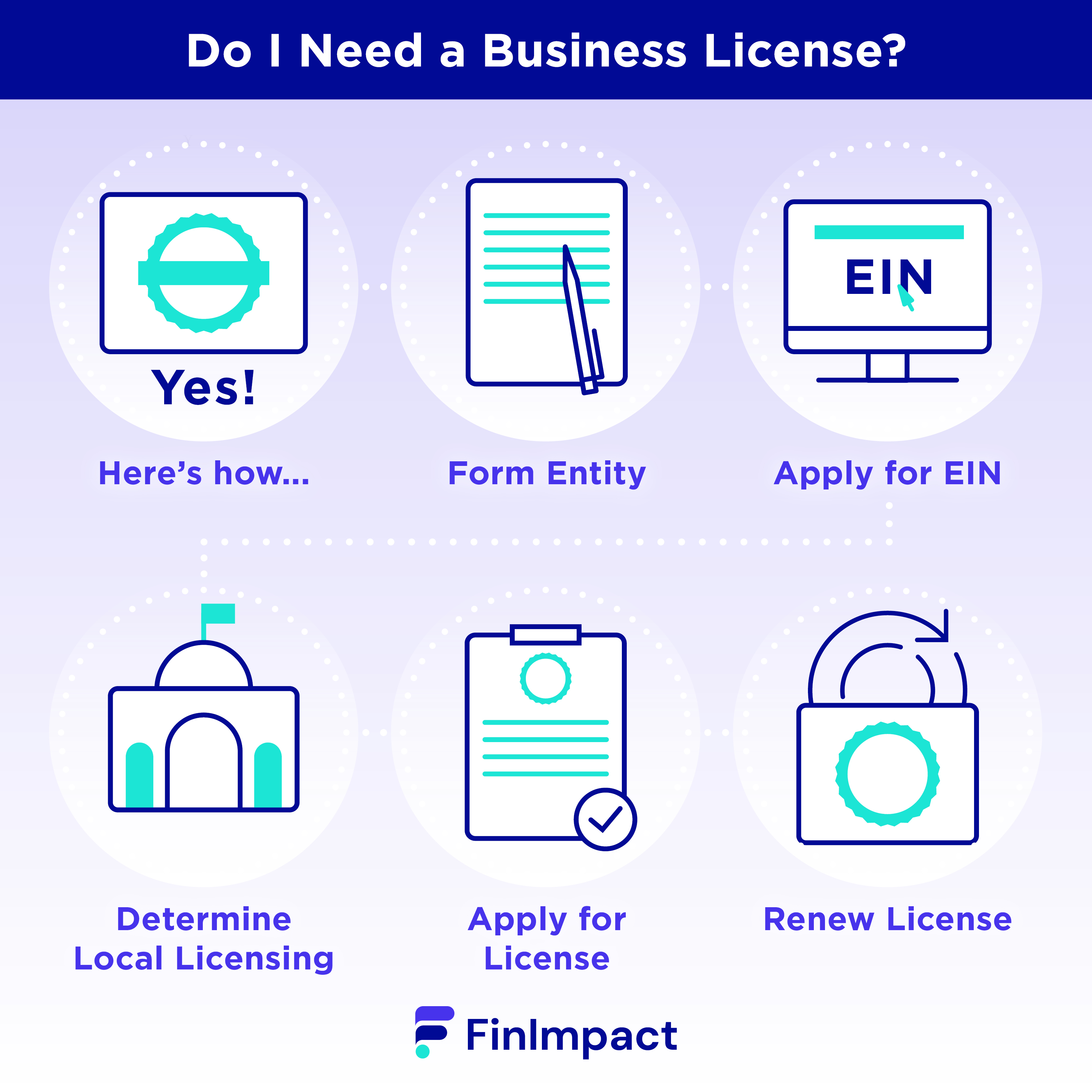
Adapting to Growth and Change
Your business isn’t static, and neither are its licensing requirements. Strategic planning for growth must include a review of compliance needs.
- Expansion to New Locations: Opening new branches or moving your primary operations will almost certainly trigger new local and possibly state licensing requirements.
- Adding New Products or Services: Introducing new offerings, especially if they fall into different regulatory categories (e.g., a retail store adding a food service component), will necessitate additional permits.
- Hiring Employees: This automatically requires an EIN, state employer registration, worker’s compensation insurance, and adherence to labor laws.
- Changing Business Structure: Evolving from a sole proprietorship to an LLC, for instance, involves new state filings and potentially different tax obligations.
Proactively anticipating these changes and understanding their licensing implications is crucial for maintaining continuous compliance and ensuring your business’s financial operations remain uninterrupted and legally sound as it evolves. Regular audits of your licenses and permits should be part of your financial and operational review process.
In conclusion, obtaining a small business license is not merely a formality; it is a fundamental act of strategic financial planning and risk management. It establishes your business as a legitimate entity, opening doors to financial services, building trust with customers, and protecting you from costly legal pitfalls. By systematically navigating the licensing process and integrating these costs into your financial framework, you lay a solid, secure foundation for your small business to not just survive, but thrive, in the competitive marketplace.
aViewFromTheCave is a participant in the Amazon Services LLC Associates Program, an affiliate advertising program designed to provide a means for sites to earn advertising fees by advertising and linking to Amazon.com. Amazon, the Amazon logo, AmazonSupply, and the AmazonSupply logo are trademarks of Amazon.com, Inc. or its affiliates. As an Amazon Associate we earn affiliate commissions from qualifying purchases.