
Establishing a business is an endeavor that demands meticulous planning, strategic execution, and, perhaps most crucially, a profound understanding of its financial underpinnings. Far from being a mere creative pursuit, entrepreneurship is fundamentally about creating economic value and managing financial resources effectively. For aspiring business owners, navigating the labyrinthine world of startup costs, funding, revenue generation, and financial compliance can be daunting, yet it is the bedrock upon which lasting success is built. This comprehensive guide delves into the essential financial considerations for establishing a business, equipping you with the insights needed to build a robust and profitable enterprise.
Laying the Financial Foundation: Essential Pre-Launch Steps
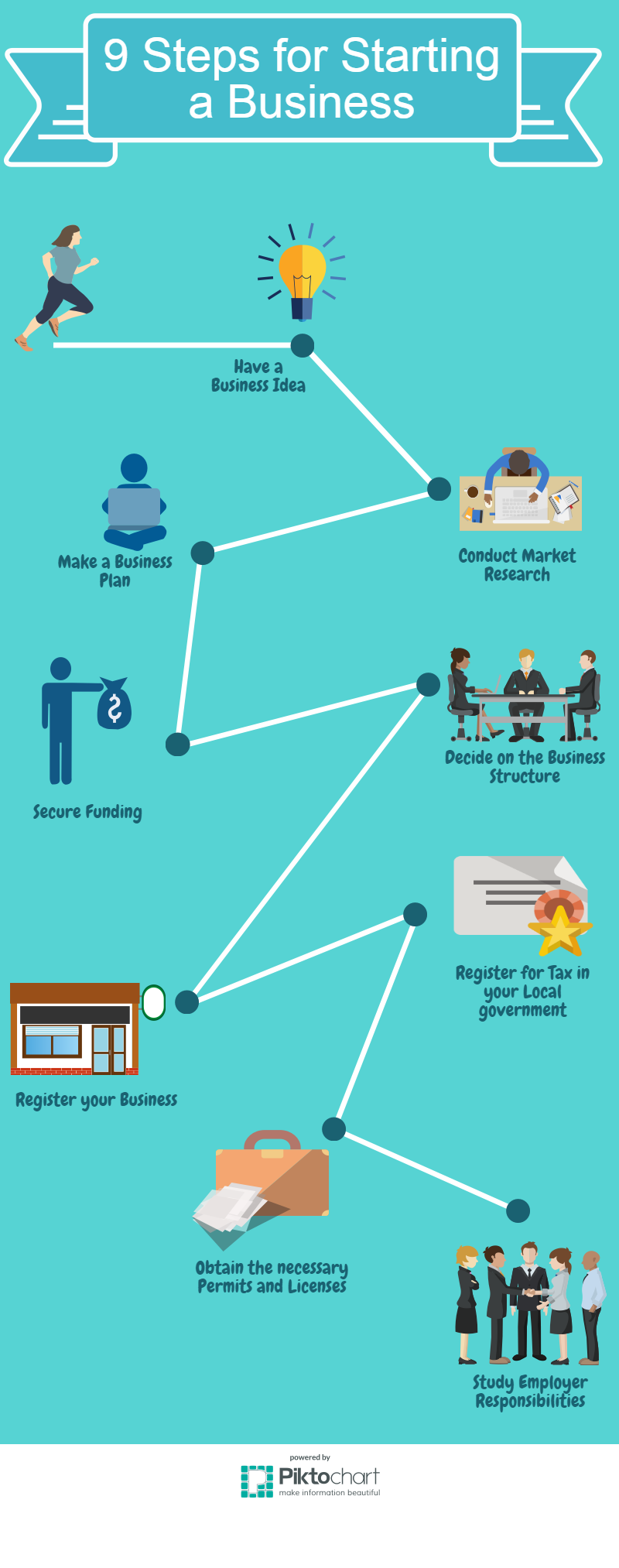
Before a single product is sold or a service rendered, the financial groundwork for your business must be meticulously laid. This initial phase involves critical analysis and strategic forecasting to ensure your venture is not just a dream, but a viable financial entity.
Market Research and Viability Assessment
Every successful business begins with a problem solved for a specific market. From a financial perspective, market research isn’t just about identifying potential customers; it’s about understanding their willingness and ability to pay. A thorough viability assessment involves analyzing potential revenue streams, market size, competitive pricing, and the economic landscape.
- Demand Analysis: Is there sufficient demand for your product or service? What is the projected volume of sales?
- Pricing Strategy: How will your pricing compare to competitors? What value proposition justifies your price point? This directly impacts your projected revenue and profit margins.
- Target Market Spend: What is the average expenditure of your target customer on similar products or services? This helps in estimating potential market share and revenue.
- Economic Trends: How do broader economic factors (inflation, recession, industry growth) impact your financial projections?
Failing to conduct comprehensive financial market research can lead to overestimating revenue, underestimating costs, and ultimately, an unsustainable business model.
Crafting a Robust Business Plan (Financial Projections)
A business plan is your venture’s blueprint, and its financial section is the most critical component, especially when seeking investment or loans. It translates your vision into concrete numbers.
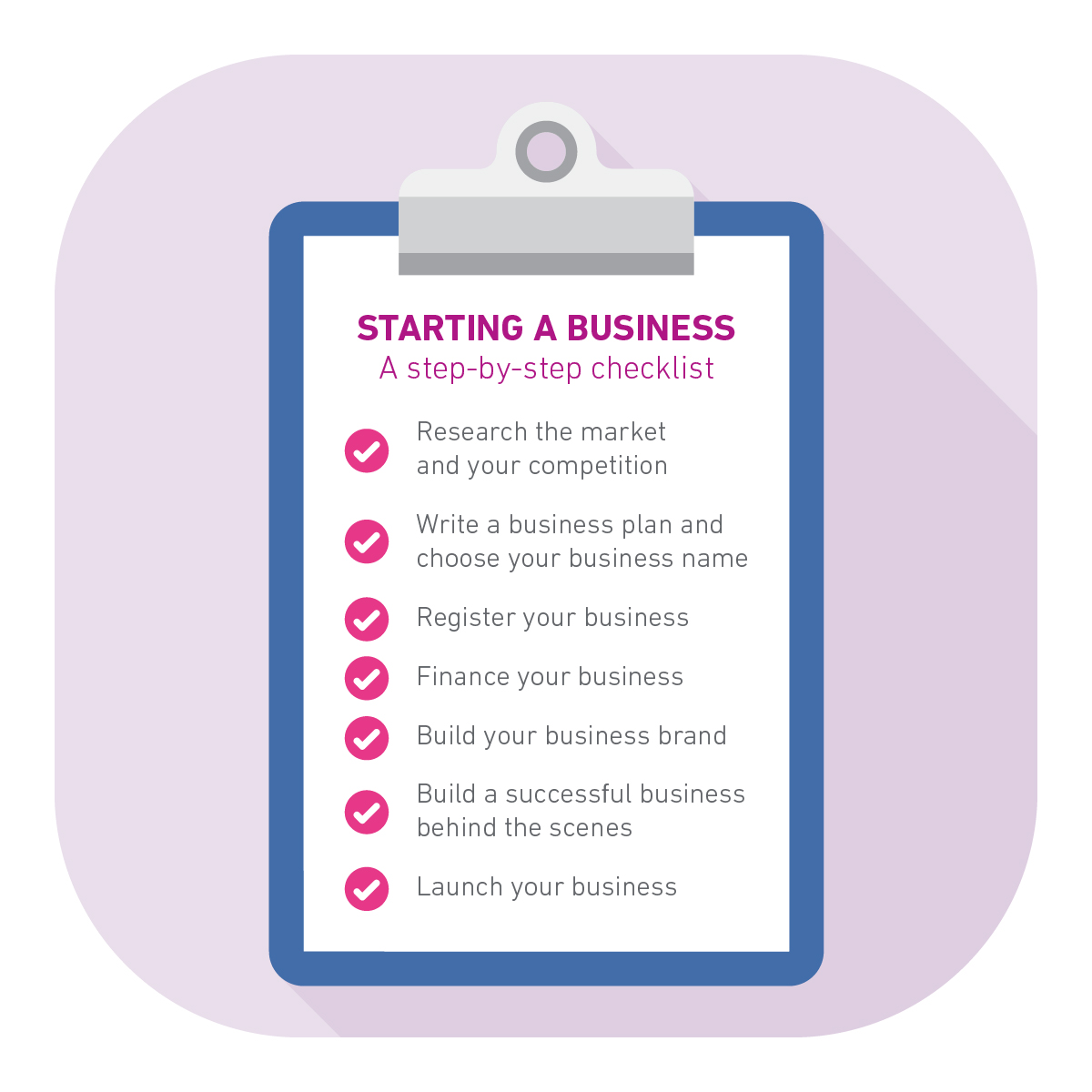
- Startup Costs: Detail every single expense required to get your business operational, from legal fees and permits to initial inventory, equipment, marketing, and rent. Break down one-time costs versus recurring pre-operational expenses.
- Operating Expenses (OpEx): Project your ongoing monthly or quarterly costs once the business is running. This includes rent, utilities, salaries, marketing, supplies, and administrative costs. Differentiate between fixed costs (unchanging regardless of sales volume) and variable costs (fluctuating with sales).
- Revenue Projections: Based on your market research, project conservative, realistic, and optimistic sales figures. This should include pricing models, sales volume, and any potential subscription or recurring revenue streams.
- Break-Even Analysis: Calculate the point at which your total revenue equals your total costs, indicating when your business will start making a profit. This is a crucial metric for understanding financial viability and setting initial targets.
- Profit and Loss (P&L) Statement: A projected P&L statement shows your expected revenues, costs of goods sold, operating expenses, and net profit over a specific period (e.g., first 3-5 years).
- Cash Flow Projections: This details the actual movement of money in and out of your business, which is distinct from profitability. A profitable business can still fail due to poor cash flow. Projecting cash inflows (sales) and outflows (expenses) helps identify potential cash shortages.
A well-articulated financial plan not only guides your decisions but also instills confidence in potential stakeholders, demonstrating a clear path to profitability and sustainability.
Understanding Startup Costs and Funding Needs
Once your financial projections are in place, you’ll have a clear figure for the total capital required to launch and operate your business until it becomes self-sustaining. This total amount defines your funding needs.
- Capital Expenditure (CapEx): Costs associated with acquiring or upgrading physical assets such as buildings, equipment, machinery, and technology infrastructure. These are typically one-time, significant investments.
- Working Capital: The funds needed to cover day-to-day operations, bridge gaps between cash inflows and outflows, and cover initial inventory and employee salaries until revenues stabilize. Many businesses fail not because they aren’t profitable, but because they run out of working capital.
- Contingency Fund: Always allocate an additional 15-25% of your total estimated startup costs as a buffer for unforeseen expenses or delays. Few startups launch exactly as planned, and having this reserve can be the difference between survival and early failure.
Clearly defining these costs allows you to determine how much money you realistically need and from where you might acquire it.
Securing Capital: Funding Your Entrepreneurial Journey
With a clear understanding of your financial needs, the next critical step is to secure the necessary capital. This phase is often the most challenging, requiring persistence, compelling pitches, and a solid financial argument.
Personal Savings and Bootstrapping
Many entrepreneurs start by self-funding their ventures, leveraging personal savings, credit cards, or loans from friends and family. This approach is known as bootstrapping.
- Advantages: You retain full ownership and control, avoid debt interest, and gain valuable experience in lean operations. It forces financial discipline and resourcefulness.
- Disadvantages: Limited capital can restrict growth, increase personal financial risk, and delay market entry.
- Strategies: Minimize initial expenses, leverage existing resources, and generate revenue as quickly as possible. This might involve starting as a side hustle, validating the idea, and reinvesting early profits.
Bootstrapping builds a strong foundation of financial resilience and resource management, often making the business more attractive to external investors later on.
Debt Financing: Loans and Lines of Credit
Debt financing involves borrowing money that must be repaid with interest, typically within a set timeframe.
- Bank Loans: Traditional small business loans from banks (e.g., SBA loans in the US) often require a solid business plan, collateral, and a good personal credit score. They provide a lump sum of capital but come with strict repayment schedules.
- Lines of Credit: More flexible than a term loan, a business line of credit allows you to borrow up to a certain limit, repay it, and borrow again as needed. Interest is only paid on the amount borrowed, making it ideal for managing cash flow fluctuations or unexpected expenses.
- Microloans: Smaller loans (typically under $50,000) offered by non-profit organizations or specialized lenders, often with more flexible terms for startups and underserved communities.
- Peer-to-Peer (P2P) Lending: Online platforms connecting borrowers with individual investors, potentially offering more accessible options than traditional banks.
Debt financing is suitable when you have predictable revenue streams to cover repayments and want to maintain full ownership of your company.
Equity Financing: Investors and Venture Capital
Equity financing involves selling a percentage of your company ownership in exchange for capital.
- Angel Investors: High-net-worth individuals who invest their personal funds in early-stage companies, often providing mentorship alongside capital. They typically take a smaller equity stake than venture capitalists.
- Venture Capital (VC) Firms: Professional investment firms that manage funds from institutions and wealthy individuals, investing in high-growth potential startups in exchange for significant equity. VCs often seek a substantial return on investment (ROI) within a few years.
- Crowdfunding (Equity-Based): Platforms where many individuals invest small amounts in exchange for equity, often accessible for businesses with a compelling story and strong community appeal.
Equity financing provides significant capital infusions without repayment obligations, but it means diluting ownership and sharing future profits and decision-making power. It’s often pursued when the potential for rapid, scalable growth is high.
Grants and Alternative Funding Sources
Beyond traditional loans and equity, several alternative funding avenues exist.
- Government Grants: Various government agencies offer grants to businesses that align with specific economic or social objectives (e.g., innovation, job creation, specific industries). These are non-repayable but highly competitive and often have stringent application processes.
- Industry-Specific Grants and Competitions: Many corporations and industry associations sponsor grants or business plan competitions that offer capital, mentorship, and exposure.
- Family Offices: Private wealth management advisory firms that serve ultra-high-net-worth individuals, often making direct investments in promising businesses.
Exploring a diverse range of funding options increases your chances of securing the capital needed to launch and sustain your business.
Navigating Business Finance: Operational Strategies for Growth
Once established, the ongoing financial management of your business becomes paramount. This involves day-to-day decisions that directly impact profitability, cash flow, and long-term viability.
Budgeting and Expense Management
Effective budgeting is the backbone of financial control. It involves allocating funds to different areas of your business and meticulously tracking spending.
- Operational Budget: A detailed plan outlining expected revenues and expenses over a specific period (e.g., quarterly, annually). This helps set financial targets and monitor performance.
- Cost Control: Regularly review all expenses to identify areas for reduction without compromising quality or essential operations. This includes negotiating with suppliers, optimizing utility usage, and scrutinizing discretionary spending.
- Return on Investment (ROI) Analysis: For every significant expense (e.g., marketing campaign, new equipment), evaluate its potential return on investment to ensure capital is allocated efficiently.
Consistent budgeting and rigorous expense management prevent unnecessary outflows and ensure resources are directed towards revenue-generating activities.
Pricing Strategies and Revenue Generation
Your pricing strategy directly influences your revenue and perceived value. It must be dynamic and aligned with your target market and business goals.
- Cost-Plus Pricing: Adding a percentage markup to the cost of your product or service. Simple but might not reflect market value.
- Value-Based Pricing: Pricing based on the perceived value to the customer rather than just production cost. Often allows for higher margins.
- Competitive Pricing: Setting prices based on what competitors charge. Useful for commodity-type products but can lead to price wars.
- Subscription Models: For services or digital products, recurring revenue models provide predictable income and foster customer loyalty.
- Upselling and Cross-selling: Strategies to increase the average transaction value by offering premium versions or complementary products/services.
Optimizing pricing and exploring multiple revenue streams are crucial for maximizing financial performance and building a sustainable business.
Cash Flow Management and Forecasting
Cash flow is the lifeblood of any business. Even profitable businesses can fail if they run out of cash.
- Accounts Receivable Management: Efficiently collecting payments from customers. Implement clear payment terms, send timely invoices, and follow up on overdue payments.
- Accounts Payable Management: Strategically managing payments to suppliers and vendors. Take advantage of early payment discounts if possible, but also ensure you have sufficient cash before making large payments.
- Cash Flow Forecasting: Regularly project your cash inflows and outflows over the next 3-6 months to anticipate potential shortages or surpluses. This allows for proactive financial planning.
- Working Capital Optimization: Maintain an optimal balance between current assets (cash, receivables, inventory) and current liabilities (payables, short-term debt) to ensure liquidity.
Proactive cash flow management prevents financial crises and provides the necessary liquidity for daily operations and unforeseen opportunities.
Understanding Profitability and Financial Metrics
Beyond raw revenue, understanding your profitability and key financial metrics is essential for gauging business health and making informed decisions.
- Gross Profit Margin: Revenue minus the cost of goods sold. Indicates the profitability of your core products/services.
- Net Profit Margin: The percentage of revenue left after all expenses (including taxes) have been deducted. It’s the ultimate measure of your business’s overall profitability.
- Return on Assets (ROA) / Return on Equity (ROE): Measures how efficiently your business is using its assets or shareholder equity to generate profits.
- Customer Acquisition Cost (CAC): The cost associated with convincing a potential customer to buy your product or service.
- Customer Lifetime Value (CLTV): The total revenue a business can reasonably expect from a single customer account over the duration of the relationship. CLTV should ideally be significantly higher than CAC.
Regularly analyzing these metrics provides deep insights into performance, identifies areas for improvement, and informs strategic financial decisions.
Legal and Financial Compliance: Protecting Your Investment
Establishing a business also means adhering to a myriad of legal and financial regulations. Compliance is not just about avoiding penalties; it’s about building credibility, protecting your assets, and fostering trust.
Choosing the Right Business Structure (Tax Implications)
The legal structure of your business has significant financial and legal implications, particularly concerning liability and taxation.
- Sole Proprietorship: Simple to set up, but offers no personal liability protection, and business income is taxed at individual rates.
- Partnership: Similar to sole proprietorship but involves two or more owners. Taxed at individual rates, and partners are personally liable for business debts.
- Limited Liability Company (LLC): Provides personal liability protection, separating personal assets from business debts. Offers flexible taxation options (pass-through taxation like a sole proprietorship/partnership or taxed as a corporation).
- Corporation (C-Corp or S-Corp): Provides the strongest personal liability protection. C-Corps are subject to “double taxation” (corporate profits taxed, then dividends taxed at the shareholder level). S-Corps avoid double taxation by passing profits and losses directly to shareholders’ personal income.
Consulting with an accountant or legal professional is crucial to choose the structure that best suits your financial goals, risk tolerance, and tax situation.
Registering Your Business and Obtaining Licenses
Proper registration and licensing are mandatory and carry financial implications in terms of fees and potential penalties for non-compliance.
- Business Name Registration: Registering your business name at the state or local level.
- Employer Identification Number (EIN): A federal tax ID number for businesses, required if you have employees or operate as a corporation/partnership.
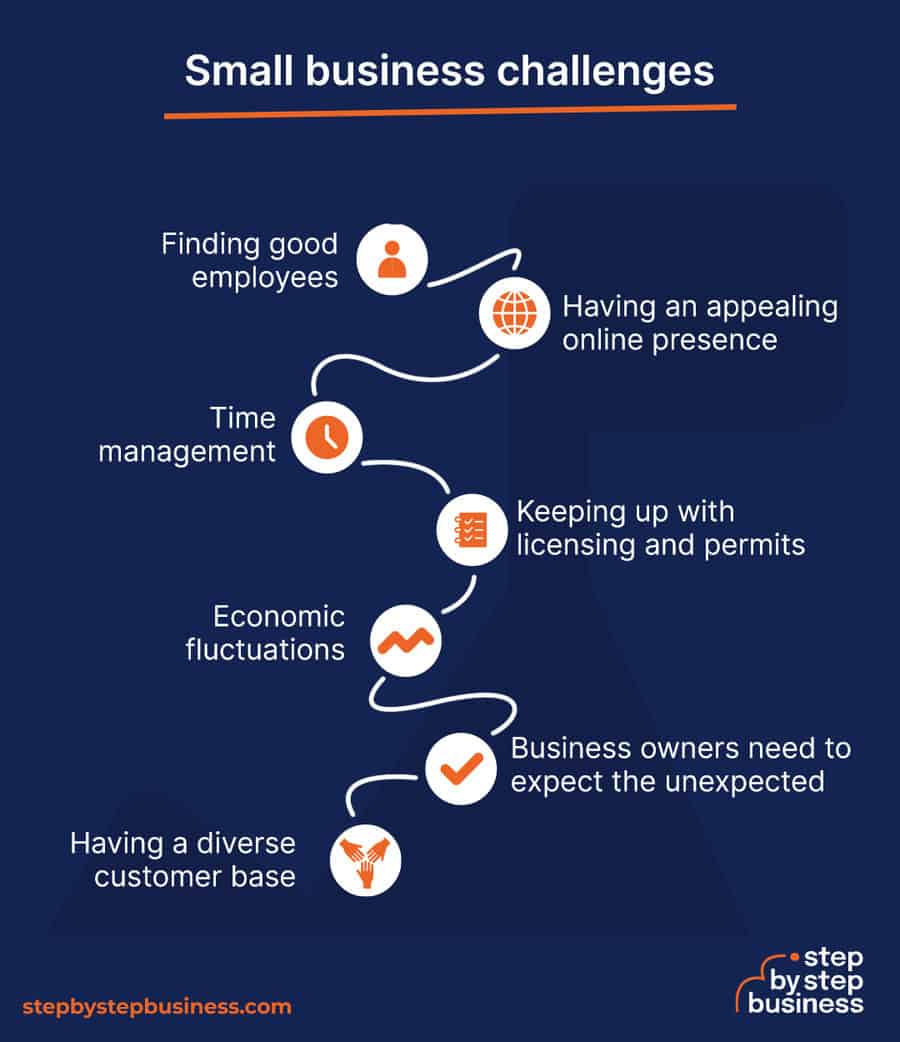
- State and Local Licenses/Permits: Depending on your industry and location, you may need various operational licenses, health permits, zoning permits, and professional licenses. These often incur annual fees.
- Sales Tax Permits: If you sell goods or services subject to sales tax, you’ll need to register with your state’s tax authority to collect and remit sales tax.
Ignoring these requirements can lead to fines, legal battles, and even forced closure, posing significant financial risks.
Setting Up Business Banking and Accounting Systems
Separating personal and business finances is fundamental for financial clarity, tax purposes, and professionalism.
- Dedicated Business Bank Account: Essential for tracking business income and expenses, simplifying tax preparation, and presenting a professional image.
- Business Credit Card: Can help build business credit, provide additional working capital, and streamline expense tracking.
- Accounting Software: Implement robust accounting software (e.g., QuickBooks, Xero, FreshBooks) from day one. This automates bookkeeping, tracks income and expenses, generates financial reports (P&L, balance sheet, cash flow), and simplifies tax filing.
- Payroll System: If hiring employees, establish a reliable payroll system to manage salaries, withholdings, and tax remittances.
Accurate and consistent record-keeping is vital for financial analysis, tax compliance, and making sound business decisions.
Insurance and Risk Management
Protecting your assets and mitigating financial risks through appropriate insurance coverage is non-negotiable.
- General Liability Insurance: Covers claims of bodily injury or property damage to third parties.
- Property Insurance: Protects your business property (e.g., building, equipment, inventory) from damage or loss.
- Professional Liability (E&O) Insurance: For service-based businesses, covers claims of negligence or errors in professional services.
- Workers’ Compensation Insurance: Mandatory in most states if you have employees, covering medical costs and lost wages for work-related injuries.
- Business Interruption Insurance: Replaces lost income and covers extra expenses if your business operations are temporarily halted due to covered events.
Underinsuring your business exposes you to catastrophic financial losses in the event of an unforeseen incident, potentially jeopardizing your entire investment.
Scaling and Sustaining Success: Long-Term Financial Health
Establishing a business is only the beginning. True success lies in its ability to grow and remain financially healthy over the long term. This requires ongoing financial stewardship and strategic planning.
Reinvesting Profits for Growth
As your business becomes profitable, a critical decision is how to utilize those earnings. Reinvesting profits strategically is a powerful way to fuel growth without taking on additional debt or equity.
- Capacity Expansion: Investing in new equipment, larger facilities, or technology upgrades to increase production or service delivery capacity.
- Product Development: Funding research and development for new products or services to expand your offerings and market reach.
- Marketing and Sales: Allocating more capital to marketing campaigns, sales team expansion, or market penetration efforts to acquire new customers.
- Talent Acquisition: Investing in hiring more skilled employees or providing training to enhance existing capabilities.
Balanced reinvestment allows your business to scale efficiently, enhance competitiveness, and build long-term value.
Managing Debt and Equity Dilution
As your business grows, you may continue to seek external funding. It’s crucial to manage the balance between debt and equity effectively.
- Debt-to-Equity Ratio: Monitor this ratio to ensure your business isn’t overleveraged with debt, which can strain cash flow and make future borrowing difficult.
- Equity Dilution Strategy: If you continue to raise equity, understand the impact on your ownership percentage and control. Plan future funding rounds carefully to minimize unnecessary dilution, while still attracting the capital needed for growth.
- Refinancing Debt: As your business matures and its financial standing improves, explore options to refinance existing debt at more favorable interest rates or terms.
Strategic management of your capital structure ensures sustained financial stability and allows founders to retain a reasonable stake in their growing enterprise.
Financial Planning for Exits or Expansion
Even if an exit isn’t immediately on the horizon, thinking about the long-term future, whether it’s selling the business, passing it on, or expanding into new markets, requires financial foresight.
- Valuation: Regularly assess your business’s financial value using various valuation methods (e.g., discounted cash flow, multiples of earnings) to understand its worth.
- Succession Planning: If passing the business to family or employees, plan for the financial implications of ownership transfer, tax considerations, and potential buy-out agreements.
- Mergers and Acquisitions (M&A): For expansion, financially evaluate potential acquisition targets, considering their balance sheets, profitability, and synergy with your existing operations.
- Initial Public Offering (IPO) Readiness: If an IPO is a distant goal, understand the stringent financial reporting, governance, and compliance requirements involved.
Long-term financial planning secures the legacy of your business, maximizes its value for shareholders, and provides clear pathways for future growth or transition.
Establishing a business is an intricate journey, but by prioritizing financial acumen at every stage—from initial planning and securing capital to operational management and long-term strategy—entrepreneurs can significantly increase their chances of building a thriving and enduring enterprise. The consistent focus on financial health is not just about survival; it’s about empowering your vision to achieve its fullest potential.
aViewFromTheCave is a participant in the Amazon Services LLC Associates Program, an affiliate advertising program designed to provide a means for sites to earn advertising fees by advertising and linking to Amazon.com. Amazon, the Amazon logo, AmazonSupply, and the AmazonSupply logo are trademarks of Amazon.com, Inc. or its affiliates. As an Amazon Associate we earn affiliate commissions from qualifying purchases.