
Starting a business often conjures images of significant capital investment, complex business plans, and daunting risks. However, the landscape of entrepreneurship has evolved, making it more accessible than ever before to launch a venture with minimal upfront costs and simplified operational demands. The “easiest” business to start isn’t a one-size-fits-all answer but rather a category of models characterized by low barriers to entry, leveraging existing skills, and a flexible operational structure that mitigates financial risk. Understanding these core principles is crucial for anyone looking to generate online income, develop a side hustle, or build a sustainable small business without breaking the bank.
Understanding “Easy” in Business Startup
When evaluating the ease of starting a business, several financial and operational factors come into play. It’s not just about the idea, but the practicalities of getting it off the ground with minimal friction and maximum potential for return.
Low Startup Costs
The most significant hurdle for many aspiring entrepreneurs is often the initial capital required. An “easy” business typically demands little to no startup capital. This means avoiding expensive leases, large inventory purchases, specialized equipment, or significant upfront marketing budgets. Instead, these businesses often rely on readily available resources, existing personal assets, or digital platforms that offer free or low-cost entry. Minimizing financial outlay reduces risk and allows new entrepreneurs to test concepts without substantial personal financial exposure.
Minimal Inventory or Equipment
Businesses that require extensive inventory management, warehousing, or specialized machinery immediately present higher complexity and cost. The easiest businesses to start often eschew physical inventory altogether, focusing instead on services, digital products, or models like dropshipping where inventory is handled by a third party. Similarly, reliance on basic office equipment (a computer, internet connection) or tools already possessed by the entrepreneur significantly streamlines the setup process and keeps costs down.
Scalability and Flexibility
An easy business should also offer a degree of flexibility in terms of time commitment and scalability. Many of the simplest ventures can begin as side hustles, allowing individuals to maintain existing employment while building their new enterprise. This flexibility reduces financial pressure and allows for organic growth. Furthermore, easy businesses often have clear pathways for scaling up operations without exponential increases in overhead, enabling greater income generation as demand grows.
Service-Based Businesses: Leveraging Skills, Not Capital
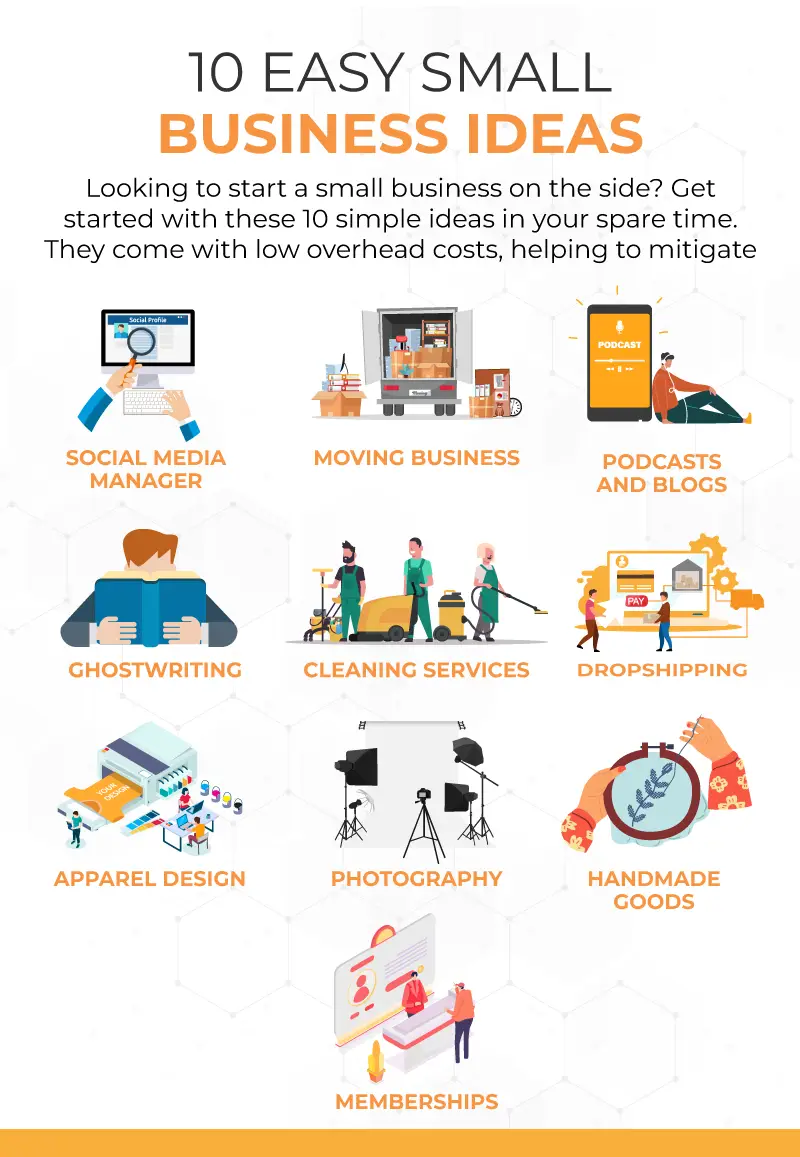
One of the most straightforward paths to entrepreneurship involves monetizing existing skills and knowledge through service-based businesses. These ventures typically require minimal upfront investment beyond a strong internet connection and a computer, making them ideal for individuals seeking to generate online income or launch a side hustle.
Freelance Writing and Content Creation
For those with strong linguistic skills and an understanding of various subjects, freelance writing offers a highly accessible entry point. Businesses and individuals constantly require blog posts, articles, website copy, social media content, and marketing materials. Platforms like Upwork, Fiverr, and Contently connect writers with clients, allowing them to build portfolios and reputation. The primary tools are a computer and internet, with specialized software (like grammar checkers) being optional. Income potential scales with experience, niche specialization, and efficiency.
Virtual Assistant Services
As businesses increasingly operate remotely, the demand for virtual assistants (VAs) has surged. VAs handle administrative tasks, email management, scheduling, data entry, customer service, and various specialized support functions for individuals and companies. This business requires excellent organizational skills, communication prowess, and proficiency with common office software. It’s highly flexible, allowing VAs to work with multiple clients and manage their own hours, making it an excellent option for a flexible income stream.
Social Media Management
With nearly every business maintaining an online presence, expertise in social media strategy and execution is highly valuable. Social media managers help businesses develop content calendars, create engaging posts, run ad campaigns, and analyze performance across platforms like Instagram, Facebook, LinkedIn, and TikTok. This role demands creativity, an understanding of digital marketing trends, and analytical skills. It’s a business that can be started with little more than a laptop and an understanding of social media platforms, offering significant scalability.
Tutoring and Online Education
If you have expertise in a particular academic subject, language, or practical skill, online tutoring or teaching is an exceptionally easy business to start. Platforms like Chegg Tutors, TutorMe, and Teachable facilitate connecting educators with students globally. All that’s required is subject matter mastery, a reliable internet connection, and video conferencing software. This business is highly flexible, allows for setting your own rates, and leverages existing knowledge directly into an income stream.
Local Errand and Handyman Services
For those who prefer physical work and community interaction, starting a local errand or handyman service can be remarkably easy. These businesses capitalize on the common need for help with tasks like grocery shopping, minor home repairs, yard work, pet sitting, or delivery services. Startup costs are minimal, often just requiring existing transportation and basic tools. Marketing can be as simple as local flyers, word-of-mouth, or community social media groups. This model thrives on reliability and trust within a local area.
Digital Products and Online Income Streams
Creating and selling digital products represents an incredibly low-overhead way to generate income. Once created, these products can be sold repeatedly without needing to manage physical inventory or shipping, offering excellent profit margins and scalability.
Creating and Selling Online Courses
If you possess in-depth knowledge or skills in a specific niche – from baking to coding, personal finance to painting – creating an online course can be a lucrative venture. Platforms like Teachable, Thinkific, and Udemy provide the infrastructure to host and sell your courses, often with minimal upfront fees. The initial investment is primarily time spent developing quality content (video lessons, written modules, quizzes), but once complete, it becomes a passive income stream that can serve thousands of students worldwide.
E-books and Digital Guides
Similar to online courses, writing and self-publishing e-books or comprehensive digital guides is a cost-effective way to monetize expertise. Topics can range from niche hobbies to business strategies, self-help, or fiction. Platforms like Amazon Kindle Direct Publishing (KDP) allow authors to publish and distribute their work globally, taking a percentage of sales. The primary costs are time, editing, and potentially cover design, making it an accessible route for writers and experts.
Print-on-Demand (POD) Merchandising
Print-on-demand services allow entrepreneurs to sell custom-designed merchandise (t-shirts, mugs, phone cases, posters) without ever touching the product. You create the designs, set up an online store (e.g., Shopify, Etsy), and when a customer places an order, a POD company (like Printful or Printify) prints the design onto the product and ships it directly to the customer. This eliminates inventory risk, manufacturing costs, and shipping logistics, making it an incredibly easy entry into e-commerce for creatives.
Affiliate Marketing
Affiliate marketing involves promoting other companies’ products or services and earning a commission on sales generated through your unique referral link. This model requires no product creation, inventory, or customer service. You can start by creating a blog, a social media presence, or a YouTube channel focused on a specific niche and then recommend relevant products. Platforms like Amazon Associates, ClickBank, and ShareASale offer vast affiliate programs. Success hinges on building trust with an audience and driving traffic to your content.
Dropshipping and E-commerce with Low Overhead
For those interested in selling physical products without the complexities of traditional retail, dropshipping stands out as an exceptionally easy entry point into e-commerce.
The Dropshipping Model
Dropshipping allows you to run an online store without ever holding any inventory. When a customer purchases a product from your store, you then purchase that item from a third-party supplier (often overseas, like through AliExpress or SaleHoo) who then ships the product directly to the customer. Your profit is the difference between your selling price and the supplier’s price. This eliminates storage costs, packaging, and shipping logistics, drastically reducing startup capital and operational complexity. Platforms like Shopify integrate seamlessly with dropshipping apps, making setup relatively quick and straightforward.
Leveraging Niche Markets
To succeed with dropshipping, focusing on a niche market is crucial. Instead of trying to sell everything, identify specific product categories or customer segments with unmet needs or strong demand. This allows for targeted marketing, reduced competition, and a clearer value proposition. Researching trending products, analyzing competitor stores, and understanding target audience demographics are key steps that require time but minimal financial investment.
Key Considerations for Sustainable Growth
While starting a business can be easy, building a sustainable income stream requires strategic thinking and consistent effort.
Market Research and Niche Identification
Regardless of the chosen business model, thorough market research is paramount. Identify a clear need, a specific target audience, and understand your competitors. A well-defined niche reduces marketing costs, allows for specialized services, and helps you stand out in a crowded market. This foundational work doesn’t require capital but is crucial for long-term viability.
Building a Simple Online Presence
Even for local service businesses, an online presence is non-negotiable. This doesn’t mean building an elaborate website immediately. A professional social media profile (LinkedIn, Facebook Business Page, Instagram), a simple landing page, or a Google My Business listing can suffice initially. The goal is to be discoverable and establish credibility without significant web development costs.

Financial Discipline and Reinvestment
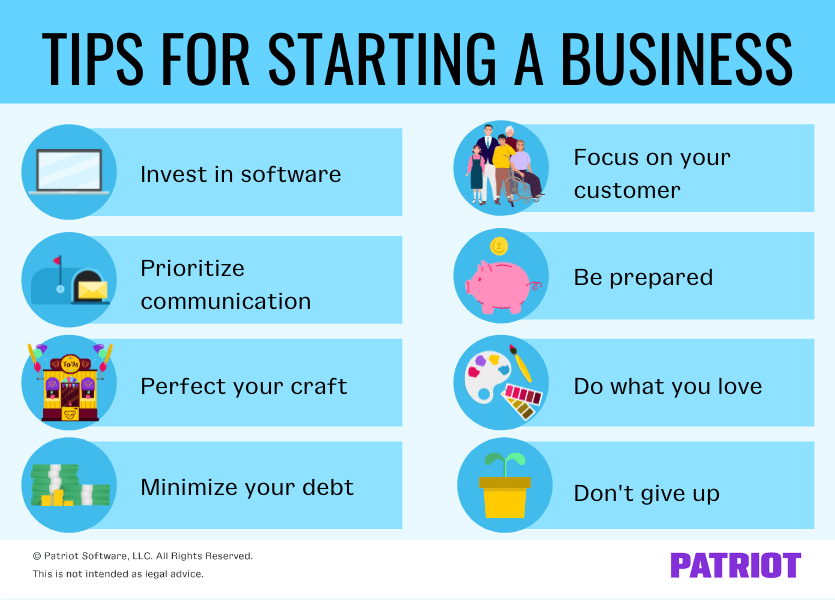
Starting easy doesn’t mean ignoring financial management. Maintain separate accounts for business income and expenses from day one. Reinvest a portion of your early profits back into the business for improvements like professional tools, targeted advertising, or skill development. This disciplined approach ensures that your easy-to-start venture has the resources to grow into a substantial and reliable income generator.
In conclusion, the easiest businesses to start are typically those that minimize financial risk, leverage existing skills, and offer operational flexibility. From service-based freelancing to digital product creation and low-overhead e-commerce, numerous pathways exist for aspiring entrepreneurs to enter the market with minimal barriers and significant potential for financial independence. The key is to choose a model that aligns with your strengths and interests, and then to execute with consistency and a focus on delivering value.
aViewFromTheCave is a participant in the Amazon Services LLC Associates Program, an affiliate advertising program designed to provide a means for sites to earn advertising fees by advertising and linking to Amazon.com. Amazon, the Amazon logo, AmazonSupply, and the AmazonSupply logo are trademarks of Amazon.com, Inc. or its affiliates. As an Amazon Associate we earn affiliate commissions from qualifying purchases.