
In the dynamic landscape of entrepreneurship, the quest for a “good small business” often begins with passion, innovation, or a desire for independence. However, stripped down to its most fundamental and enduring definition, a truly “good” small business is, first and foremost, a financially viable, sustainable, and potentially lucrative endeavor. It’s a venture that not only serves a market need but also reliably generates revenue, manages costs effectively, and provides a clear pathway to profitability and financial independence for its owner. This article will delve into the financial DNA of what makes a small business “good,” exploring the critical monetary considerations that underpin success, from initial concept to long-term growth and resilience. We’ll navigate the essential financial pillars, strategic opportunities, and prudent management practices that define a financially robust and rewarding small business.
Beyond Passion: The Financial Pillars of a Good Small Business
While passion can ignite the entrepreneurial spark, it is sound financial principles that keep the flame burning. A good small business must transcend the initial enthusiasm and establish a solid financial foundation that prioritizes monetary health and longevity.
Profitability as the Ultimate Litmus Test
At the core of any “good” business is its ability to generate profit. Profitability is not merely about making sales; it’s about ensuring that revenue consistently exceeds expenses over a sustained period. Understanding and meticulously tracking key profitability metrics is paramount. Gross profit, calculated as revenue minus the cost of goods sold, indicates the efficiency of your production or service delivery. Net profit, representing what remains after all operating expenses, taxes, and interest are deducted, is the ultimate measure of a business’s financial success. A good small business consistently demonstrates healthy gross and net profit margins, indicating that its pricing strategy is sound, its operational costs are controlled, and its offerings are valued by the market. Without consistent profitability, even the most innovative or well-intentioned business cannot survive, let alone thrive. Analyzing these margins regularly allows entrepreneurs to identify areas for cost reduction, revenue enhancement, and strategic pricing adjustments to continually optimize their financial performance.
Strong Cash Flow Management
Often confused with profit, cash flow is an entirely distinct and equally critical financial pillar. Profit is a measure of a business’s financial performance over a period, while cash flow tracks the actual movement of money into and out of the business. A business can be profitable on paper but still fail due to poor cash flow – if it doesn’t have enough liquid funds to cover its immediate expenses, such as payroll, rent, or supplier payments. A “good” small business exhibits robust cash flow management, ensuring there’s always sufficient liquidity to meet operational needs. This involves vigilant management of accounts receivable (collecting payments promptly), accounts payable (optimizing payment terms with suppliers), and inventory (avoiding overstocking that ties up capital). Proactive cash flow forecasting helps anticipate periods of surplus or deficit, allowing for strategic planning, such as securing short-term credit or optimizing investment opportunities. Healthy cash flow provides financial stability, reduces stress, and empowers a business to seize opportunities and weather unexpected challenges.
Scalability and Growth Potential
A good small business isn’t just profitable today; it possesses the inherent ability to expand its operations and increase its financial returns in the future. Scalability refers to a business’s capacity to grow revenue without a proportional increase in costs. For instance, a digital product company might incur initial development costs, but subsequent sales generate high-margin revenue with minimal additional expense. Service-based businesses that can leverage technology, outsource non-core functions, or train teams to deliver services efficiently are also highly scalable. Businesses with limited scalability, requiring a direct increase in labor or resources for every incremental unit of revenue, often hit a ceiling. A business with strong growth potential, on the other hand, can attract further investment, capture larger market shares, and ultimately deliver greater financial value to its owners. Identifying and building a business model with inherent scalability from the outset is a hallmark of a truly “good” small business, promising not just current income but future wealth creation.
Identifying Financially Promising Niches and Opportunities
The choice of niche is perhaps the most significant financial decision an aspiring small business owner makes. A “good” small business often operates within a market that offers sustained demand, manageable competition, and favorable economic conditions.
High-Demand, Low-Overhead Models
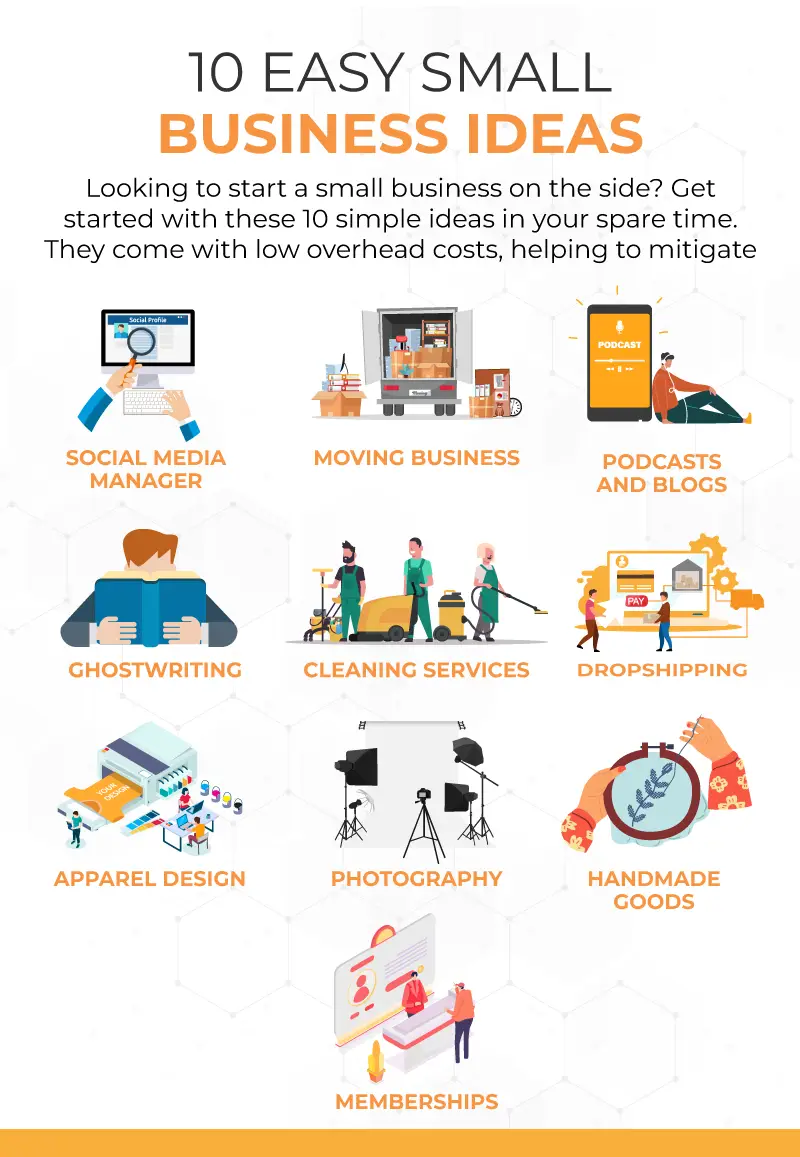
The most financially appealing small business models often combine high market demand with relatively low startup and ongoing operational overheads. This reduces the initial capital investment and accelerates the path to profitability. Service-based businesses, for instance, often require little more than expertise, a computer, and an internet connection. Examples include virtual assistant services, freelance writing, graphic design, consulting, or online tutoring. Digital product creation (eBooks, online courses, software templates) also falls into this category, as does dropshipping or print-on-demand e-commerce, where inventory costs are minimized. These models drastically lower financial risk, making them accessible to a wider range of entrepreneurs and allowing for quicker reinvestment of profits into growth rather than being tied up in physical assets or inventory. The key is to leverage skills or readily available resources to meet a clear market need efficiently.
Solving Genuine Financial Pain Points
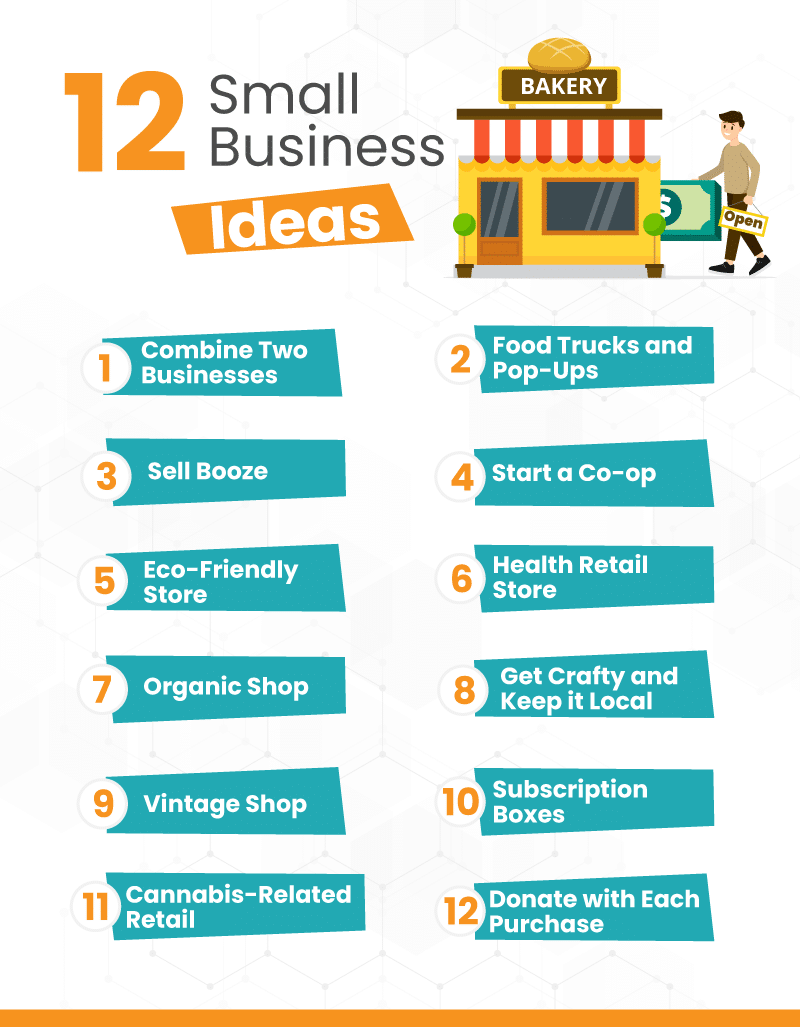
Businesses that directly address a significant financial pain point for customers tend to have an inherent and enduring demand. People are often willing to pay for solutions that save them money, increase their income, reduce their financial risk, or simplify complex financial tasks. This could include financial coaching for individuals struggling with debt, business consulting services that help other small businesses optimize their finances or streamline operations, or software tools that automate tax preparation or budgeting. Consider services or products that offer clear, quantifiable financial benefits to the customer. For example, an energy-saving consulting service for homeowners, a subscription box that reduces grocery costs, or an app that tracks expenses for freelancers. These businesses resonate because their value proposition is directly tied to improving their customers’ financial well-being, translating into a strong and stable customer base willing to invest in such solutions.
The Power of Recurring Revenue Streams
One of the most powerful financial attributes a small business can possess is the ability to generate recurring revenue. Unlike one-off sales, recurring revenue models (subscriptions, retainers, memberships) provide predictable income streams, which dramatically improves financial stability and forecasting. This predictability makes it easier to manage cash flow, plan for expenses, and invest in growth. Examples include SaaS (Software as a Service) products, membership websites providing exclusive content or community access, subscription boxes for various goods, or retainer agreements for ongoing professional services (e.g., accounting, marketing, IT support). The upfront effort of acquiring a customer pays dividends over time, leading to a higher customer lifetime value (CLV). Furthermore, recurring revenue businesses are often valued more highly by investors and potential buyers due to their stable financial outlook. Building a business model that encourages repeat purchases or ongoing service agreements is a strategic financial move that defines many “good” small businesses.

Smart Financial Planning and Management for Small Businesses
Even the most promising business idea can falter without diligent financial planning and management. A “good” small business is characterized by its proactive approach to finances, from initial funding to daily operations and future investments.
Initial Capital and Funding Strategies
The financial journey of a small business begins with securing adequate initial capital. A “good” small business owner thoroughly assesses their startup costs and meticulously plans how to fund them. Bootstrapping – funding the business primarily through personal savings and initial revenues – is often the most financially prudent approach, minimizing debt and maintaining full ownership. However, for businesses requiring more substantial investment, exploring options like small business loans, lines of credit, or crowdfunding platforms becomes necessary. Each funding avenue carries distinct financial implications regarding interest rates, equity dilution, and repayment terms. Understanding these implications and choosing a funding strategy that aligns with the business’s financial projections and risk tolerance is crucial. Over-leveraging with debt too early can stifle growth, while insufficient capital can prevent the business from ever getting off the ground.
Budgeting, Forecasting, and Financial Analysis
Robust financial planning is not a one-time event; it’s an ongoing process. A “good” small business operates with a meticulously crafted budget that allocates resources efficiently and tracks spending against projections. Beyond budgeting, regular financial forecasting helps anticipate future revenue and expenses, allowing for proactive adjustments to strategy. This involves creating detailed sales forecasts, expense projections, and cash flow forecasts. Furthermore, regular analysis of financial statements – the Income Statement (P&L), Balance Sheet, and Cash Flow Statement – is indispensable. These reports provide a snapshot of the business’s financial health, performance over time, and liquidity. Analyzing trends, identifying variances from the budget, and understanding key financial ratios (e.g., debt-to-equity, current ratio) empowers owners to make data-driven decisions, optimize operations, and identify potential financial pitfalls before they become critical.
Managing Debt and Investments Wisely
Debt can be a powerful tool for growth when managed judiciously, but it can also be a significant burden. A “good” small business understands the difference between “good debt” (investing in assets or initiatives that generate a higher return than the cost of the debt) and “bad debt” (financing consumption or unsustainable operations). Strategic debt management involves borrowing only what’s necessary, securing favorable terms, and having a clear repayment plan. Equally important is the wise management of profits. Should profits be reinvested back into the business for expansion, used to build a cash reserve, or distributed as owner draws? A “good” business strikes a balance, ensuring sufficient funds are retained for growth and financial security while also providing a return to the owner. Long-term financial planning should consider both the business’s needs and the owner’s personal financial goals, creating a symbiotic relationship where the business supports the owner’s wealth accumulation.
Navigating Risks and Building Financial Resilience
The journey of a small business is rarely without bumps. A “good” small business anticipates and prepares for financial risks, building resilience that ensures its survival and continued prosperity even in adverse conditions.
Diversifying Income Streams
Reliance on a single product, service, or client exposes a small business to significant financial risk. A “good” small business proactively works to diversify its income streams, spreading its financial eggs across multiple baskets. This might involve introducing new products or services, targeting different customer segments, expanding into new geographical markets, or exploring various distribution channels. For example, a consulting firm might offer tiered service packages, develop digital products, and host paid workshops. An e-commerce store might add complementary product lines or explore wholesale opportunities. Diversification helps smooth out revenue fluctuations, reduces vulnerability to market shifts or client losses, and creates a more robust and financially stable business model less susceptible to external shocks.
Emergency Funds and Contingency Planning
Just as individuals need an emergency fund, so too does a “good” small business. Setting aside a dedicated cash reserve – typically 3 to 6 months of operating expenses – is a critical financial safeguard. This emergency fund acts as a buffer against unexpected downturns, economic recessions, unforeseen expenses, or temporary dips in revenue. It prevents the need to take on high-interest debt or make drastic, desperate cuts during times of crisis. Contingency planning extends beyond just a cash reserve; it involves identifying potential financial risks (e.g., supplier failure, technology outage, market downturn) and developing strategies to mitigate their impact. This proactive approach to risk management allows a business to navigate challenges from a position of financial strength rather than vulnerability.
Understanding Tax Implications and Compliance
Taxation is an undeniable financial reality for any business. A “good” small business owner recognizes the importance of understanding their tax obligations and ensuring meticulous compliance. This involves proper record-keeping, tracking all income and expenses, understanding deductible expenses, and selecting the most appropriate legal structure for tax optimization (e.g., sole proprietorship, LLC, S-Corp). Ignoring tax compliance can lead to severe financial penalties, audits, and legal issues that can cripple a small business. Engaging with qualified financial professionals, such as accountants or tax advisors, is not an expense but an investment. These experts can help navigate complex tax laws, identify legitimate deductions, and ensure timely and accurate filings, ultimately optimizing the business’s tax liability and preserving more of its hard-earned profits.
Conclusion
Ultimately, “what’s a good small business” is a question that finds its most comprehensive answer in the realm of finance. While passion and innovation provide the impetus, it is consistent profitability, robust cash flow, strategic scalability, and diligent financial management that define a truly successful and sustainable venture. A good small business is one that meticulously plans its finances, wisely allocates its capital, consistently generates healthy margins, and builds resilience against market fluctuations. It’s a business that not only fulfills a market need but also creates lasting financial value for its owner and stakeholders. By focusing on these core financial principles, entrepreneurs can transform their ideas into economically sound and profoundly rewarding small businesses that stand the test of time.
aViewFromTheCave is a participant in the Amazon Services LLC Associates Program, an affiliate advertising program designed to provide a means for sites to earn advertising fees by advertising and linking to Amazon.com. Amazon, the Amazon logo, AmazonSupply, and the AmazonSupply logo are trademarks of Amazon.com, Inc. or its affiliates. As an Amazon Associate we earn affiliate commissions from qualifying purchases.