
The simple question, “how much is it to go to the movies,” often elicits a deceptively simple answer: the ticket price. However, for a savvy personal finance manager, the true cost of a cinematic outing extends far beyond the admission fee. Understanding the full financial picture requires a detailed breakdown of all associated expenses, from premium format surcharges to concession markups and incidental costs. This comprehensive analysis reveals that a trip to the cinema, while a beloved form of entertainment, can quickly become a significant discretionary spend, warranting careful budgeting and strategic planning.
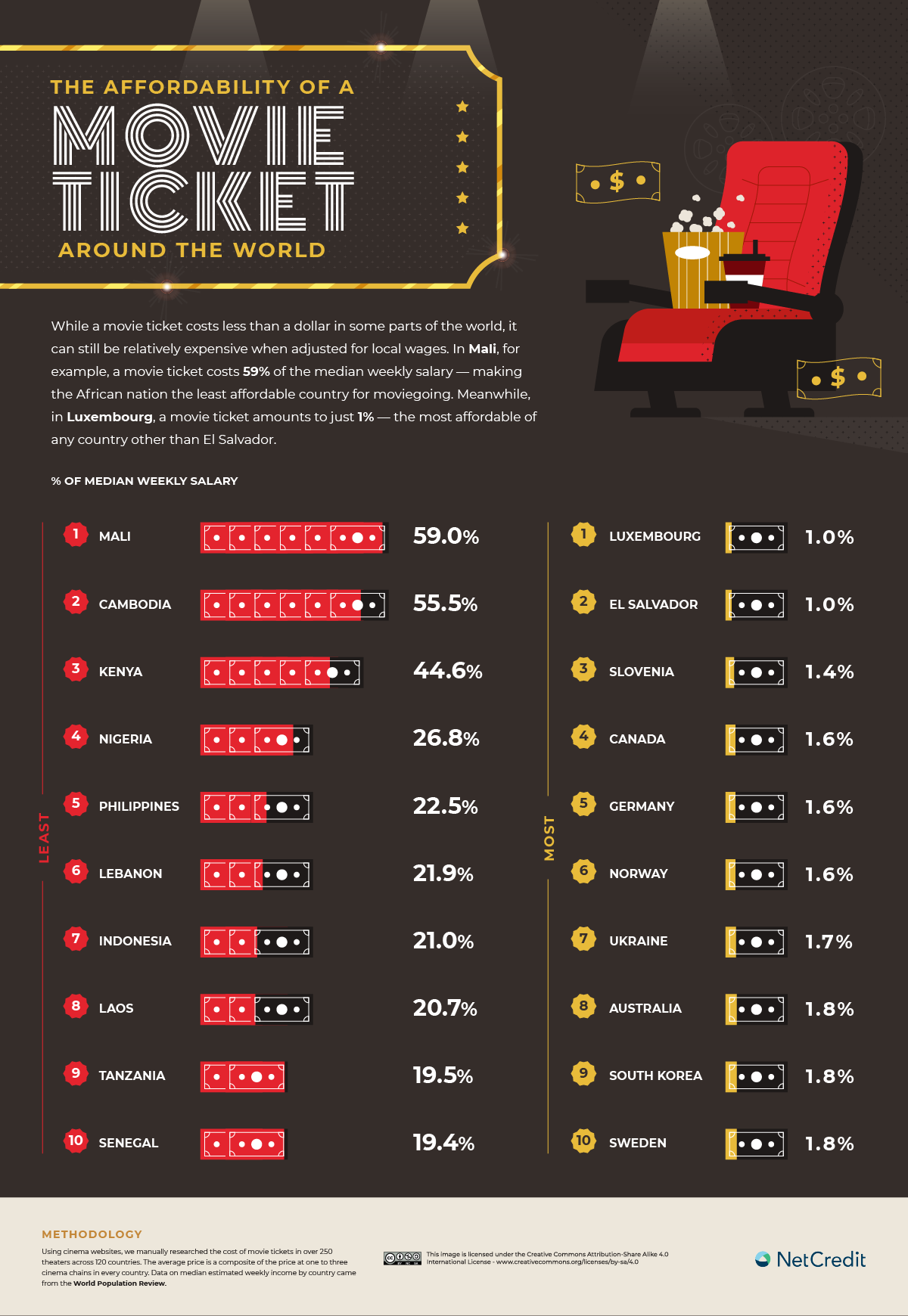
Deconstructing the Ticket Price: More Than Just Admission
The foundational cost of any movie experience is the ticket itself. Yet, even this seemingly straightforward expense is subject to a multitude of variables that can drastically alter the final price tag. Understanding these nuances is the first step in accurately forecasting your movie budget.
Average Ticket Costs Across Formats
The “standard” adult ticket is just the baseline. Today’s multiplexes offer a dizzying array of viewing experiences, each commanding a different price. Standard 2D showings represent the most economical option, typically ranging from $10 to $15 in many urban areas. However, stepping up to premium formats like 3D can add $3-$5 to the base price. IMAX and other Premium Large Format (PLF) screens, with their enhanced sound and visual fidelity, often push tickets into the $18-$25 range. Luxury cinemas featuring reclining seats, in-seat dining, and reserved seating can escalate costs even further, sometimes exceeding $30 per person for a single admission.
Geographic Variations and Venue Specifics
Ticket prices are not uniform across the board. Urban centers, particularly major metropolitan areas, almost invariably feature higher ticket prices due to elevated operational costs and higher demand. Conversely, smaller towns or suburban theaters might offer slightly more competitive rates. The specific cinema chain also plays a role; independent theaters or local chains might have different pricing structures compared to national behemoths. A quick online check of local theater websites is essential for precise figures.
Matinee vs. Evening Showings: A Strategic Saving
One of the most effective strategies for reducing ticket costs is timing your visit. Matinee showings, typically scheduled before 5 PM, are almost universally cheaper than evening screenings. The savings can be substantial, often $2-$5 per ticket. For a family or a couple, choosing a midday show can translate into significant savings, freeing up funds for other expenses or simply reducing the overall outing cost. Many theaters also offer “discount Tuesdays” or similar promotional days, where all tickets for the day are offered at a reduced, often matinee-level, price.
Senior, Student, and Child Discounts
Never overlook potential discounts. Most cinemas offer reduced prices for seniors, students (with valid ID), and children. These discounts can vary but typically shave a few dollars off the adult ticket price. For families or multi-generational groups, combining these discounts can lead to notable savings, making the entertainment more accessible. Some employers or membership organizations also offer corporate discounts or bulk-purchase ticket options, which can be a valuable perk.
The Concession Conundrum: A Significant Budget Item
While the ticket gets you through the door, it’s often the concession stand that delivers the real blow to your wallet. Cinema concessions are notorious for their high markups, operating on a business model where these sales contribute significantly to the theater’s profitability.
The Markup on Popcorn, Soda, and Candy
The price of a large popcorn, soda, and candy bar at the movies often rivals or exceeds the cost of a single admission ticket. Industry estimates suggest concession items can be marked up by 400% to 1000% over wholesale costs. A large popcorn that might cost the theater a dollar or two to produce could retail for $10-$15. This substantial profit margin means that a seemingly innocuous snack purchase can inflate your total outing cost by 50% or more. For a pair enjoying a standard movie with a large popcorn and two drinks, the concession bill alone could easily hit $25-$35.
Combo Deals vs. A La Carte Pricing
Theaters often try to entice customers with “combo deals” – a bundled price for popcorn, a drink, and sometimes candy. While these are presented as savings, a careful calculation often reveals that the “discount” is minimal, and you might still be paying a premium for items you could otherwise forgo or acquire more cheaply elsewhere. Before opting for a combo, consider if you genuinely desire all the items included. Sometimes, simply buying a single item you truly crave is more financially prudent than a combo that includes unwanted extras.
The BYO Dilemma
Bringing your own snacks and beverages into a movie theater is generally prohibited. Cinemas strictly enforce these policies to protect their highly profitable concession sales. While some patrons might attempt to discreetly bring in small items, doing so risks confiscation and potentially being asked to leave. It’s a risk most financial planners would advise against, not just for ethical reasons but to avoid potential embarrassment or disruption to your outing. Adhering to the theater’s rules is part of the cost of admission to that particular entertainment experience.
Ancillary Expenses: Beyond the Cinema Walls
The “cost of going to the movies” doesn’t stop at the lobby. A truly accurate financial assessment must account for the supplementary expenses that often accompany an evening out. These can add up quickly and turn an affordable evening into an expensive one if not properly anticipated.
Transportation Costs
Getting to and from the theater incurs its own set of costs. If driving, factor in gasoline prices and potential parking fees. Parking in urban cinema districts, especially for evening shows, can range from a few dollars to upwards of $20 or more. Public transportation, while often cheaper, still represents a quantifiable expense, as do ride-sharing services like Uber or Lyft, which can fluctuate based on demand and distance. For a couple living 15 minutes from a theater, round-trip gas and parking could easily add $10-$25 to the total.

Pre/Post-Movie Dining or Drinks
It’s a common practice to pair a movie with a meal or drinks before or after the show. Whether it’s a casual fast-food stop, a sit-down restaurant, or simply coffee, these expenses are directly influenced by the movie outing and should be considered part of the overall entertainment budget. A modest dinner for two could easily add another $40-$80 to the bill, transforming a relatively inexpensive movie ticket into a far more significant expenditure.
Childcare Costs
For parents, a night out at the movies often necessitates childcare, which can be a substantial expense. Hourly rates for babysitters or daycare services can vary widely but easily add $15-$25 per hour, turning a two-hour movie into a $30-$50 (or more) additional cost. This is a critical factor for families to consider when budgeting for adult entertainment.
Impulse Purchases or Souvenirs
Sometimes, the allure of movie-themed merchandise, arcade games in the lobby, or even simply buying an extra treat on the way home, can add unexpected costs. While these are typically smaller, they represent discretionary spending that might not occur if not for the primary movie outing.
Strategies for Smart Movie-Going: Saving Without Sacrificing the Experience
Understanding the full scope of movie-related expenses empowers you to make smarter financial choices. Several strategies exist to enjoy the cinematic experience without breaking the bank.
Leveraging Loyalty Programs and Subscriptions
Many major cinema chains offer loyalty programs that reward frequent moviegoers with points that can be redeemed for discounts on tickets or concessions. Some also offer subscription models, like AMC A-List, which allow members to see multiple movies per week for a fixed monthly fee. If you’re a regular attendee, these programs can offer significant savings compared to individual ticket purchases. Analyze your movie-going habits to determine if a subscription is more cost-effective.
Discount Ticket Retailers
Warehouse clubs like Costco or Sam’s Club often sell discounted movie ticket bundles or gift cards. Online retailers and even some credit card rewards programs may also offer reduced-price tickets or Fandango gift cards. Planning ahead and purchasing tickets through these channels can often save you 10-25% on the face value.
Matinee and Discount Day Exploitation
As previously mentioned, timing is everything. Opting for matinee showings or capitalizing on “discount Tuesdays” (or similar weekly promotions) can drastically reduce your ticket costs. If your schedule allows, these options provide the same cinematic experience for a fraction of the price.
Strategic Concession Management
While bringing outside food is generally prohibited, you can still be smart about concessions. Share a large popcorn instead of buying individual servings. Opt for water instead of soda. Consider eating a meal before or after the movie at a less expensive restaurant or at home, rather than coupling an expensive cinema visit with an equally expensive sit-down meal. If permitted, bring an empty reusable water bottle to fill at a water fountain, or purchase a single, reasonably priced drink.
Group Deals and Family Packs
For larger groups or families, inquire about specific group discounts or family packs if available. Some theaters offer bundles that include tickets and concessions at a slightly reduced rate when purchased together.
Budgeting for Entertainment: Integrating Movies into Your Financial Plan
Ultimately, the cost of going to the movies boils down to how it fits within your broader personal finance strategy. Viewing movies is a form of discretionary spending, meaning it’s an expense that isn’t essential for survival but contributes to quality of life.
Defining Discretionary Spending
Discretionary spending is the money left after essential expenses (housing, utilities, food, transportation, debt payments) are covered. Entertainment, dining out, hobbies, and vacations all fall into this category. Understanding your discretionary income is crucial for setting realistic budgets for activities like movie-going.
Setting a Monthly Entertainment Budget
The most effective way to manage movie costs is to integrate them into a dedicated monthly entertainment budget. Allocate a specific amount each month that you are comfortable spending on all forms of entertainment, including movies. This prevents overspending and ensures that fun doesn’t compromise your financial goals.
Tracking Expenses
Tools like budgeting apps, spreadsheets, or even a simple notebook can help you track your actual spending against your budget. By consistently monitoring how much you’re spending on movies and related expenses, you can identify areas where you might be overspending and adjust your habits accordingly.
Prioritizing Experiences vs. Material Goods
For many, experiences like going to the movies hold significant value. It’s important to balance the financial cost with the psychological and social benefits of such outings. If movies are a high priority for you, you might choose to allocate more of your discretionary budget to them, potentially reducing spending in other non-essential areas.

The Value Proposition: Is the Experience Worth the Cost?
Before every movie outing, especially those involving premium formats or significant concession purchases, ask yourself: is the enjoyment I derive from this experience commensurate with its financial cost? For some, the immersive experience of a new blockbuster on a massive screen is priceless. For others, waiting a few weeks for a streaming release at home might offer a better value proposition. Consciously evaluating this trade-off helps ensure your money is spent on activities that truly enhance your life, making every movie outing a deliberate and financially sound decision.
aViewFromTheCave is a participant in the Amazon Services LLC Associates Program, an affiliate advertising program designed to provide a means for sites to earn advertising fees by advertising and linking to Amazon.com. Amazon, the Amazon logo, AmazonSupply, and the AmazonSupply logo are trademarks of Amazon.com, Inc. or its affiliates. As an Amazon Associate we earn affiliate commissions from qualifying purchases.