
The allure of a dark theater, a giant screen, and the unmistakable aroma of freshly popped corn is a cinematic ritual for millions. For many moviegoers, popcorn is as integral to the experience as the film itself. Yet, the price tag attached to that buttery treat often sparks a collective gasp, leading to the perennial question: “How much is AMC popcorn?” While specific prices fluctuate by location, size, and promotions, understanding the cost isn’t just about a number; it’s a deep dive into the sophisticated financial strategies that underpin the entire movie theater industry. Far from a simple snack, popcorn and other concessions represent a critical profit center, illustrating core principles of business finance, pricing strategy, and consumer behavior within a unique market dynamic.
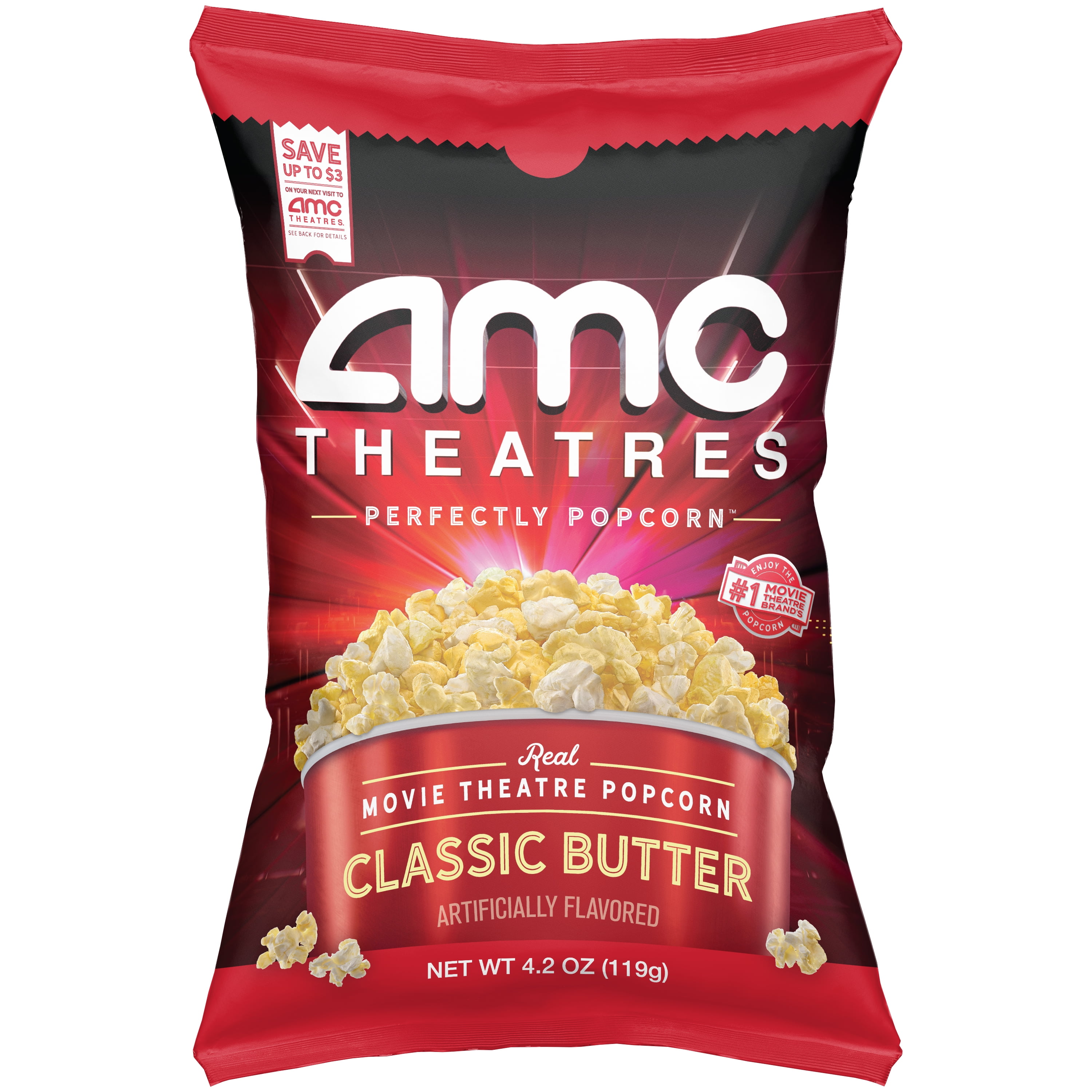
The High Price Tag: A Concession Stand Reality
The sticker shock at the concession stand is a familiar sensation for moviegoers. A large popcorn can easily cost upwards of $8 to $10, with combo deals pushing the total into double digits. This pricing strategy isn’t arbitrary; it’s a meticulously calculated approach to maximizing revenue in an industry with complex financial challenges.
More Than Just Kernels: Understanding the Cost Structure
At face value, popcorn seems incredibly cheap to produce. Raw kernels, oil, salt, and butter flavoring are inexpensive commodities. However, the cost of an AMC popcorn goes far beyond these basic ingredients. Businesses operate with a myriad of fixed and variable costs. Fixed costs for a movie theater include rent or mortgage payments, property taxes, insurance, utilities, and the salaries of permanent staff. Variable costs, while lower per unit for popcorn, include not just the ingredients but also the wages for concession staff, the depreciation of popcorn machines, packaging (cups, bags), and even the cost of waste.
The true “cost” of serving popcorn also encompasses a portion of the theater’s overall operational overhead. The infrastructure required to even sell that popcorn – the spacious lobby, the point-of-sale systems, the cleaning crews, the marketing efforts that draw people into the theater in the first place – all indirectly contribute to the final price. While the marginal cost of popping an individual bag of corn is indeed low, the fully loaded cost is significantly higher, factoring in the ecosystem required to deliver it to a paying customer.
The “Loss Leader” Fallacy: Where True Profits Lie
Conventional wisdom sometimes suggests that movie theaters make their money on concessions because they operate movie tickets as “loss leaders.” This isn’t entirely accurate, but it highlights a crucial financial dynamic. For many blockbuster films, a significant percentage, often 50% to 70% (or even higher for opening weekends), of ticket revenue goes directly back to the film studios. This leaves theaters with a relatively small slice of the ticket pie, barely covering the cost of projection, licensing fees, staff, and the aforementioned fixed operating expenses. In many cases, theaters may just break even, or even operate at a slight loss, on ticket sales alone for certain films or during off-peak times.
This financial structure elevates concessions from a mere amenity to the primary engine of profitability. Without the robust margins generated by popcorn, soda, and candy, many movie theaters, including giants like AMC, would struggle to remain viable. The concession stand isn’t just supplementary; it’s existential. It’s the cash cow that sustains operations, covers overheads, and allows for reinvestment in the movie-going experience, from comfortable seating to advanced projection technology.
Why Popcorn is a Profit Powerhouse for Theaters
The extraordinary profitability of popcorn within the movie theater model is a fascinating case study in business finance. It leverages several strategic advantages unique to the industry, making it a powerful revenue generator that is difficult for competitors to replicate.
Operational Leverage: High Margins, Low Variable Costs
The secret to popcorn’s financial success lies in its exceptional profit margins. While the raw ingredients for a large tub of popcorn might cost a theater less than $1 (or even significantly less when purchased in bulk), it can retail for ten times that amount. This massive markup translates into gross profit margins that can exceed 85-90%. Few other consumer products boast such high margins.
This is a classic example of operational leverage. Once a theater has invested in its popcorn machines and trained its staff, the incremental cost of producing more popcorn is extremely low. Each additional sale, therefore, contributes a large percentage directly to the bottom line, helping to cover the theater’s significant fixed costs and drive overall profitability. This contrasts sharply with, say, selling gourmet burgers, which have higher ingredient costs, require more complex preparation, and thus yield lower per-unit margins. Popcorn is simple, fast, and incredibly efficient to produce at scale.
The Captive Audience Effect: No Outside Food Policy
A critical element of the concession stand’s profitability is the “captive audience” phenomenon. Movie theaters universally enforce a strict “no outside food or drink” policy. This creates a controlled environment where moviegoers, seeking snacks and beverages during their visit, have no alternative but to purchase them from the theater’s own concession stand. This elimination of external competition gives theaters immense pricing power over these products.
Customers consciously or subconsciously factor this into their decision-making. If they desire a snack, they accept the higher prices as part of the total cost of the movie experience. This lack of substitutes within the venue is a powerful economic lever, allowing theaters to price items at a premium without a significant drop in demand from those who want the full movie experience.
The Experience Premium: Part of the Movie Magic
Popcorn isn’t just food; it’s an intrinsic part of the cinematic experience for many. The crunchy texture, the salty-buttery taste, and the nostalgic aroma are deeply intertwined with the act of watching a film on the big screen. Consumers are often willing to pay an “experience premium” for items that enhance or complete an enjoyable activity.
From a psychological and marketing perspective, the popcorn becomes part of the escapism and luxury associated with going to the movies. It’s an indulgence, a treat that signals the start of the show. This emotional connection, coupled with the convenience of not having to prepare or bring snacks, justifies the higher price point for many customers. The perceived value extends beyond mere sustenance to include the sensory and experiential components of the outing.

The Financial Impact on Consumers and Business Strategy
The pricing of AMC popcorn, therefore, isn’t just a number on a menu; it’s a reflection of complex financial strategies that impact both the company’s bottom line and consumers’ personal finance decisions.
Budgeting for the Big Screen: Personal Finance Considerations
For consumers, the cost of concessions significantly inflates the overall expense of a movie outing. A family of four might spend $50-$60 on tickets, but adding large popcorns, sodas, and candies can easily push the total bill to $80, $100, or even more. This often leads to budgeting decisions: do we splurge on snacks, or bring some from home (discretely, if violating policy), or simply forgo them entirely?
Savvy moviegoers often consider alternatives, such as eating beforehand, taking advantage of matinee pricing to save on tickets and thus having more for snacks, or utilizing loyalty programs like AMC Stubs, which often offer discounts or freebies on concessions. Understanding that concessions are a profit center empowers consumers to make more informed financial choices about their entertainment budget.
AMC’s Financial Lifeline: Sustaining Operations and Innovation
For AMC Entertainment Holdings, Inc., as for all major cinema chains, concession revenue is not merely supplementary; it’s foundational. This revenue stream provides the liquidity necessary to cover the immense operating costs of running a global theater chain. It funds employee salaries, rent for prime real estate, utility bills, ongoing maintenance, and critical investments.
These investments include state-of-the-art projection and sound systems (like IMAX and Dolby Cinema), luxury recliners, reserved seating technology, and the development of premium dining experiences that go beyond traditional popcorn. Without the robust cash flow from concessions, AMC’s ability to innovate, maintain competitive venues, and withstand market fluctuations (such as the impact of streaming services or global pandemics) would be severely compromised. In essence, that bucket of popcorn helps keep the lights on and the screens showing.
The Balancing Act: Price Elasticity and Consumer Perception
Movie theaters, like any business, operate within the principles of price elasticity of demand. While they have significant pricing power over concessions, there’s a limit to how high prices can go before consumers simply stop buying or significantly reduce their purchases. AMC must constantly balance the desire for high-profit margins with the risk of alienating customers.
This involves careful market research, A/B testing of prices, and monitoring customer feedback. If prices are perceived as too exorbitant, it can detract from the overall movie experience, potentially leading to fewer ticket sales in the long run. Loyalty programs, discount days, and bundled offers are often strategies employed to manage this perception, making customers feel they are still getting value even at premium prices.
Beyond Popcorn: The Future of Concession Revenue
While popcorn remains king, the financial strategies around concessions are evolving, reflecting broader trends in consumer preferences and the entertainment industry.
Diversification and Premiumization: Expanding the Menu
The simple popcorn and soda model is giving way to a more diversified and premium concession menu. Many AMC locations now offer a wider array of options, including gourmet burgers, flatbread pizzas, artisanal hot dogs, coffee bars, and even full-service bars serving alcoholic beverages. These items, while having lower profit margins than popcorn, command higher price points and cater to a broader range of tastes.
This diversification aims to capture additional revenue from customers seeking a more complete dining experience, turning the movie theater into a one-stop entertainment and culinary destination. It’s a strategic move to increase the average spend per customer and compete with other leisure activities that offer food and drink.
Subscription Models and Loyalty Programs: Driving Repeat Business
Loyalty programs, such as AMC Stubs, play a crucial role in concession strategy. By offering perks like free refills on large popcorn and soda, discounted menu items, and points that convert to monetary rewards, these programs incentivize repeat visits and higher spending within the theater. The initial investment in a loyalty membership is often quickly recouped by frequent moviegoers through concession savings.
Furthermore, subscription models like AMC A-List, which offers multiple movies per week for a monthly fee, indirectly boost concession sales. With the ticket cost essentially “free” (paid for by the subscription), members often feel more inclined to splurge on high-margin concessions, knowing their primary entertainment expense is covered. This strategy leverages behavioral economics to convert ticket savings into concession revenue.

Navigating Inflation and Changing Consumer Habits
The movie theater industry, and by extension its concession pricing, must constantly adapt to macroeconomic factors and shifting consumer behaviors. Inflation directly impacts the cost of raw materials and labor, necessitating careful adjustments to concession prices to maintain profitability. The rise of streaming services has also altered the landscape, making the in-theater experience a more deliberate choice.
The post-pandemic era has seen theaters experiment with dynamic pricing, not just for tickets but potentially for concessions as well, adjusting based on demand, time of day, and specific film popularity. Ultimately, the question of “how much is AMC popcorn” transcends simple arithmetic; it’s a window into the financial resilience, strategic innovation, and ongoing evolution of a beloved entertainment institution.
aViewFromTheCave is a participant in the Amazon Services LLC Associates Program, an affiliate advertising program designed to provide a means for sites to earn advertising fees by advertising and linking to Amazon.com. Amazon, the Amazon logo, AmazonSupply, and the AmazonSupply logo are trademarks of Amazon.com, Inc. or its affiliates. As an Amazon Associate we earn affiliate commissions from qualifying purchases.