
The cinema experience is a carefully orchestrated journey, a blend of anticipation, spectacle, and shared emotion. Before the main feature flickers to life, audiences are treated to a sequence of content designed to entertain, inform, and entice them for future visits. Among these, movie trailers are paramount – a tantalizing glimpse into cinematic worlds yet to be explored. But for a major exhibitor like AMC Theatres, the question of “how long are trailers” is far more complex than a simple measurement. It’s a strategic decision rooted in brand identity, customer experience, operational efficiency, and the ever-evolving landscape of entertainment marketing.
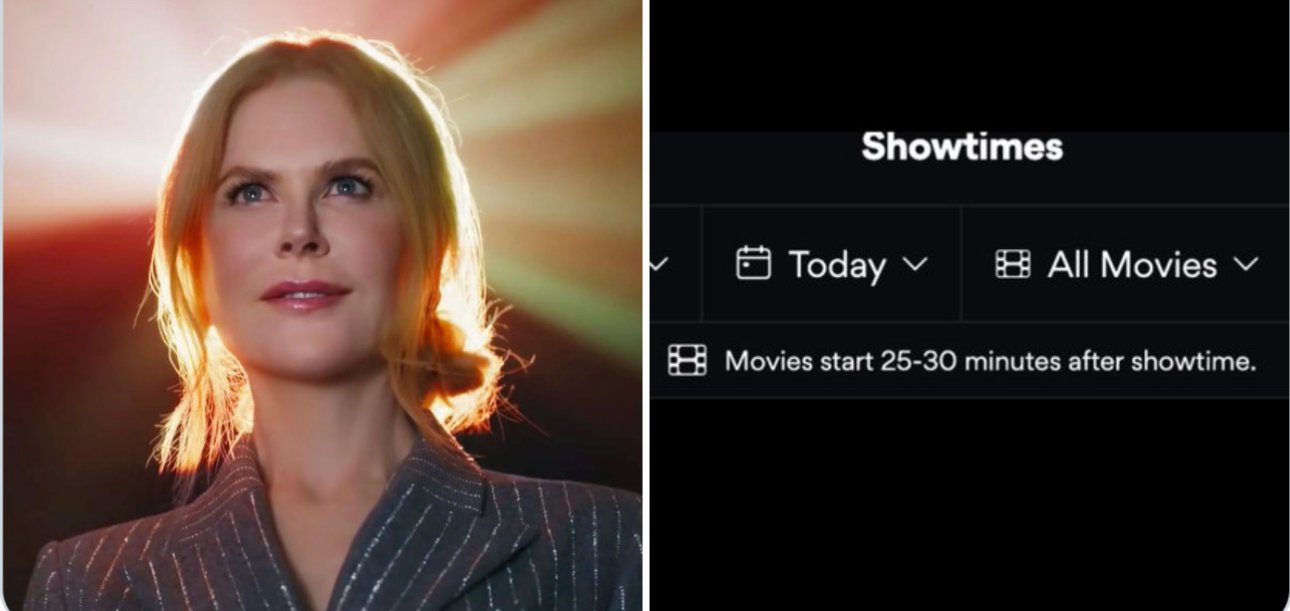
Understanding the typical length of trailers at AMC requires delving into the multi-faceted dynamics of the pre-show. It’s not a static or arbitrary figure, but rather a flexible window that AMC, in collaboration with studios and advertisers, manages to optimize the patron journey. Generally, a single movie trailer can range from 1 to 3 minutes, with an average often hovering around the 2-minute mark. However, the entire pre-show content block—which includes not just trailers but also advertisements, PSAs, and AMC’s own promotional material—can extend significantly, usually between 15 to 25 minutes, though it can occasionally stretch beyond this for major blockbusters or holiday seasons. This extended duration isn’t accidental; it’s a meticulously planned sequence that forms a crucial part of AMC’s brand promise and its strategy to captivate audiences from the moment they settle into their seats. This article will explore the strategic considerations behind trailer length and the broader pre-show experience, dissecting why these decisions are vital for a brand like AMC.
The Strategic Importance of Pre-Show Content for Cinema Brands
For any cinema chain, the period before the main feature begins is a golden opportunity to engage, inform, and influence. It’s a space where brand strategy meets consumer psychology, and where the meticulous curation of content, particularly trailers, can significantly impact the overall movie-going experience and a brand’s long-term success. AMC, as one of the largest cinema operators globally, understands that the pre-show is not merely filler but a vital extension of its brand.
Setting the Stage: Building Anticipation and Immersion
The primary role of movie trailers is to generate excitement for upcoming films. By showcasing snippets of compelling narratives, stunning visuals, and memorable performances, trailers serve as powerful marketing tools that build anticipation. For AMC, curating a selection of high-quality, diverse trailers ensures that the audience’s enthusiasm for cinema is continually stoked. This isn’t just about promoting future releases; it’s about reinforcing the magic of the big screen, reminding patrons why they choose a communal, immersive experience over at-home streaming. The ideal trailer length allows enough time to establish a compelling premise, introduce key characters, and present a few exciting action sequences or dramatic moments without revealing too much or overstaying its welcome. Too short, and it fails to pique interest; too long, and it risks fatigue or even giving away critical plot points, undermining the very anticipation it seeks to build. AMC’s careful selection and sequencing of these trailers contribute directly to the “event” feel of going to the movies, an integral part of its brand promise.
Brand Perception and Customer Loyalty
The duration and quality of the entire pre-show block, including trailers, directly influence a cinema’s brand perception. A well-paced, engaging pre-show can enhance the overall customer experience, making patrons feel that their time is respected and that they are receiving value beyond just the main feature. Conversely, a pre-show perceived as excessively long, repetitive, or filled with irrelevant advertisements can lead to frustration, eroding goodwill and potentially impacting future attendance. AMC’s brand strategy aims to cultivate a premium, enjoyable experience. This means striking a delicate balance: providing enough promotional content to support studios and generate revenue, while ensuring it doesn’t detract from the core entertainment value. By carefully managing trailer length and the overall pre-show duration, AMC reinforces its image as a customer-centric entertainment provider, fostering loyalty by consistently delivering a positive and seamless journey from lobby to closing credits.
Operational Efficiency vs. Entertainment Value
The length of the pre-show also has significant operational implications. A longer pre-show means later start times for the feature film, potentially reducing the number of screenings possible in a day, especially for popular titles. This can impact box office revenue and operational efficiency. However, a pre-show that is too short might miss crucial opportunities for advertising revenue and for building anticipation for future films. AMC’s operations team works closely with its marketing and content teams to find an optimal balance. The pre-show isn’t just about selling tickets; it’s about selling the idea of cinema, cultivating a future audience, and generating additional revenue streams through advertising partnerships. Managing the length of trailers and other pre-show elements is a sophisticated balancing act that aims to maximize both entertainment value for the customer and economic value for the brand, ensuring that each minute of screen time is strategically utilized.
Balancing Act: Audience Experience and Studio Demands
The architecture of the pre-show at AMC, particularly the duration of its trailers, is a finely tuned negotiation. On one side are the expectations and patience of the movie-going audience; on the other, the powerful marketing imperatives of film studios, all within the framework of AMC’s own business objectives and brand promise.
Studio Marketing Imperatives
Film studios invest hundreds of millions of dollars in producing blockbusters, and trailers are their primary weapon in generating initial buzz and driving opening-weekend attendance. Studios typically dictate the content and often the preferred length of their trailers, aiming for maximum impact. They want trailers to be long enough to convey the film’s premise, highlight its stars, and showcase its most impressive sequences, thereby justifying their extensive marketing spend. For major tentpole releases, studios might even produce multiple versions of a trailer, varying in length and content, to be deployed strategically. Exhibitors like AMC must accommodate these demands, as studio partnerships are vital for securing exclusive content and a continuous flow of new films. A shorter trailer might save pre-show time but could be perceived by a studio as an inadequate representation, potentially straining relationships. AMC’s challenge is to integrate these studio-mandated trailers into a cohesive pre-show block without overwhelming the audience.
Audience Patience and Satisfaction
While studios push for impactful trailers, the audience has a finite attention span. The phenomenon of “trailer fatigue” is real; an overly long or repetitive sequence of trailers can lead to restlessness, irritation, and a diminished overall experience. Modern audiences, accustomed to on-demand content and personalized recommendations, have a lower tolerance for perceived “dead time.” AMC’s brand is built on delivering an enjoyable escape, and a frustrating pre-show can undermine that. Data analytics, customer feedback, and industry trends likely inform AMC’s decisions on the cumulative length of its pre-show. The goal is to maximize engagement—making audiences excited about future films—without causing them to check their watches or feel their time is being wasted. This is where the curation aspect becomes critical; selecting a diverse range of trailers, ensuring a good pace, and interspersing them with other content (like AMC’s own “Silence is Golden” campaigns or concession stand promotions) can mitigate potential fatigue.
The Role of Exhibitor Curatorial Power
Despite studio pressures, cinema chains like AMC retain significant curatorial power over their pre-show content. They act as gatekeepers, deciding which trailers to show, in what order, and how long the entire sequence will be. This power allows AMC to craft a pre-show that aligns with its own brand identity and local audience demographics. For example, a multiplex in a family-oriented suburban area might prioritize family-friendly trailers, while a downtown urban location might lean towards indie films or more adult-oriented fare. AMC uses this discretion to optimize the pre-show experience, ensuring it complements the feature film and resonates with the specific audience in attendance. This curatorial role is a subtle but potent aspect of AMC’s brand management, allowing them to shape the narrative even before the main story begins.
AMC’s Approach: Crafting the Pre-Show Narrative
AMC Theatres, like other major exhibitors, doesn’t simply string together trailers and advertisements. There’s a deliberate strategy involved in crafting the pre-show narrative, a sequence designed to flow smoothly, engage effectively, and reinforce the brand’s position as a premier destination for cinematic entertainment.
Programming Decisions and Data-Driven Insights
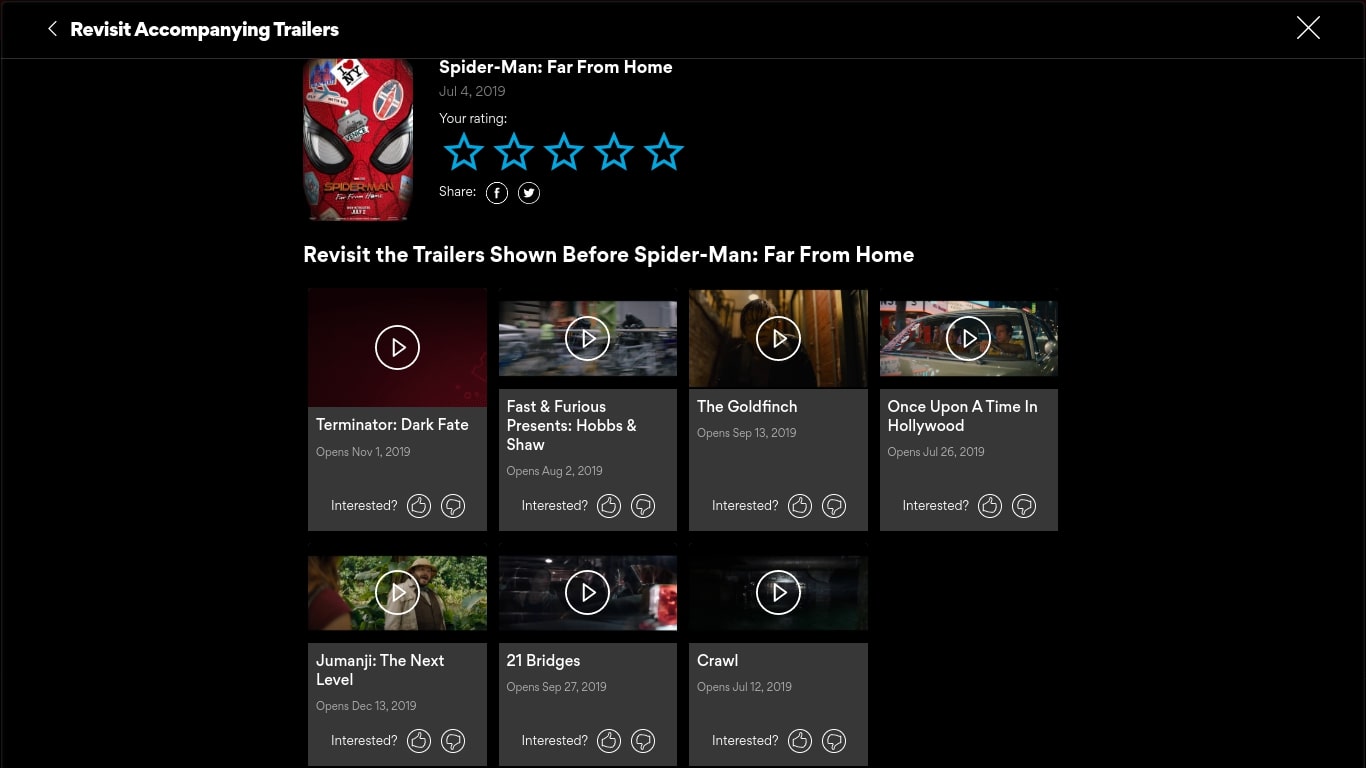
The decision-making process behind AMC’s pre-show content is informed by a blend of art and science. While there’s an artistic element to curating a compelling lineup, data plays an increasingly vital role. AMC likely leverages insights from box office performance, customer surveys, online engagement, and even real-time audience behavior data (where available) to understand which types of trailers resonate most effectively. For instance, if data shows a particular genre’s trailers lead to higher pre-ticket sales for that genre’s subsequent release, AMC might adjust its programming strategy. The specific film about to be shown also influences the pre-show. A family movie might be preceded by trailers for other family films, while a horror film might get a pre-show geared towards thrillers. This intelligent programming ensures relevance, maximizing the impact of each trailer and advertisement. The overall length of the pre-show is also subject to internal review and adjustment, continually seeking the sweet spot that balances revenue generation, studio satisfaction, and audience enjoyment.
Beyond Trailers: Advertisements and PSAs
The “pre-show” at AMC is more than just movie trailers. It’s a comprehensive block that typically includes a range of content. Commercial advertisements for consumer products and services are a significant revenue stream for exhibitors. These often run for 15-30 seconds each, and a block of several can quickly add minutes to the pre-show. Public Service Announcements (PSAs), such as “silence your phone” campaigns or reminders about theatre etiquette, are also standard. AMC often incorporates its own promotional content, highlighting its AMC Stubs loyalty program, premium formats like Dolby Cinema or IMAX, or special events. Each piece of this content serves a specific purpose, contributing to the financial health of the brand, enhancing the customer experience, or promoting future engagement with the AMC ecosystem. The challenge is to integrate these diverse elements seamlessly, creating a cohesive narrative rather than a jarring sequence of unrelated clips. AMC aims to make even the advertisements feel like a natural part of the cinematic build-up, often by selecting high-quality, visually appealing commercials.
Creating a Distinctive Brand Experience
Ultimately, the goal of AMC’s pre-show strategy is to contribute to a distinctive and memorable brand experience. The collective length and curation of trailers, combined with other content, helps define what it feels like to go to AMC. Is it a chaotic jumble of ads, or a polished, exciting warm-up to the main event? For AMC, the answer is critical. They strive for the latter, using the pre-show to showcase their commitment to quality entertainment, comfortable environments, and a comprehensive cinematic journey. This includes the subtle branding elements throughout the pre-show—the AMC logo appearing, consistent sound and visual quality, and messaging that aligns with their brand values. The pre-show is not just about showing trailers; it’s about telling AMC’s story and reinforcing its position as a beloved institution for movie lovers. It’s an opportunity to solidify customer relationships and ensure that the desire to return to “the movies” is inextricably linked with the AMC brand.
The Evolution of the Pre-Show: From Projector to Digital Marketing
The cinema pre-show, and specifically the role and length of trailers, has undergone a dramatic transformation, moving from a relatively simple, utilitarian segment to a sophisticated digital marketing platform. This evolution mirrors broader shifts in technology and consumer behavior, requiring brands like AMC to constantly adapt their strategies.
The Digital Transformation of Pre-Show
In the analog era, trailers were physical film reels, often spliced together by projectionists. The number and length were constrained by practicalities like reel changes and physical storage. The advent of digital cinema projectors revolutionized this. Now, trailers and advertisements are digital files, easily swapped, updated, and programmed via sophisticated content management systems. This digital flexibility allows AMC to personalize pre-shows to a greater extent, tailoring content based on the specific feature film, showtime, or even demographic data of the expected audience. The digital format also enables higher quality visuals and sound, enhancing the immersive experience and making trailers more impactful. This transition has provided AMC with unprecedented control and agility in managing its pre-show content, allowing for dynamic adjustments to trailer lengths and sequences as market conditions or studio campaigns evolve.
Impact of Streaming and At-Home Entertainment
The rise of streaming services and sophisticated home entertainment systems has intensified the competition for audience attention. Consumers now have an unprecedented array of content choices at their fingertips, often without commercials or with personalized ad breaks. This forces cinema brands like AMC to make their in-theatre experience even more compelling. The pre-show, therefore, can no longer afford to be a series of tedious advertisements. It must contribute to the unique value proposition of going out to the movies. This means trailers must be more engaging, the entire pre-show must be well-paced, and any advertising must feel less intrusive and more relevant. AMC leverages the communal aspect of cinema, using trailers to generate collective excitement in a way that at-home viewing cannot replicate. The length and impact of these pre-show elements are crucial in reminding patrons that the cinema offers a superior, event-level experience that justifies leaving their comfortable couches.
Technological Tools for Engagement
Modern technology offers AMC new avenues for enhancing pre-show engagement beyond just displaying trailers. Interactive elements, augmented reality experiences (e.g., via companion apps), and even personalized messaging delivered to patrons’ phones before the show are becoming possibilities. While not yet universally deployed, these technologies hold the promise of making the pre-show even more dynamic and tailored. Imagine a scenario where, based on your AMC Stubs history, the pre-show includes trailers specifically recommended for you, or where you can vote for an upcoming short film to be shown. These technological advancements mean that the concept of “trailer length” itself might evolve, becoming part of a more interactive, personalized pre-show experience that continues to build the AMC brand as an innovator in entertainment.
The Future of Cinema Pre-Rolls: Personalization and Engagement
The journey of the cinema pre-show, and the strategic thinking behind trailer lengths at AMC, is far from over. As technology advances and consumer expectations shift, the pre-show will continue to evolve, with an increasing emphasis on personalization and deeper engagement.
Interactive Pre-Shows
The future of the pre-show might move beyond passive viewing towards interactive experiences. Imagine patrons using their smartphones to engage with quizzes related to upcoming films, vote for which version of a trailer they’d like to see, or even unlock exclusive content tied to the movie about to start. These interactive elements, carefully integrated by AMC, could transform the “waiting time” into an active, enjoyable part of the overall brand experience. The length of such interactive segments would be flexible, determined by the level of engagement and the time leading up to the feature, making the traditional fixed trailer length a more fluid concept.
Personalized Trailer Queues
Leveraging data from loyalty programs like AMC Stubs, AMC could potentially create personalized trailer queues. Instead of a generic set of trailers, patrons might see previews for films specifically tailored to their viewing history and preferences. This level of personalization, akin to streaming service recommendations, would significantly enhance the relevance and engagement of the pre-show. It would mean that the “how long are trailers” question becomes less about a universal number and more about an individually optimized duration designed to maximize personal anticipation and future ticket sales, further solidifying the AMC brand’s commitment to individual customer experience.
Leveraging Data for Optimal Length
As data analytics become even more sophisticated, AMC will continue to refine its understanding of optimal pre-show and trailer lengths. A/B testing different pre-show configurations, tracking post-show satisfaction surveys, and analyzing the correlation between trailer exposure and subsequent ticket purchases will allow AMC to fine-tune its strategy. This data-driven approach will ensure that every minute of the pre-show is strategically optimized, balancing revenue generation from advertisers and studios with the paramount goal of delivering an exceptional and captivating experience for the audience. The “ideal” length will not be a static number but a dynamically managed window, constantly adjusted to ensure maximum brand impact and customer satisfaction.
In conclusion, the question of “how long are trailers at AMC” is a gateway to understanding the intricate brand strategy behind one of the world’s leading cinema chains. It reveals a dynamic interplay between building anticipation, managing operational efficiency, satisfying studio demands, and most importantly, cultivating an unforgettable customer experience. The length of a trailer, and the overall pre-show, is a critical component of AMC’s brand identity, constantly being refined and reimagined to keep the magic of the movies alive and thriving in a rapidly changing entertainment landscape.
aViewFromTheCave is a participant in the Amazon Services LLC Associates Program, an affiliate advertising program designed to provide a means for sites to earn advertising fees by advertising and linking to Amazon.com. Amazon, the Amazon logo, AmazonSupply, and the AmazonSupply logo are trademarks of Amazon.com, Inc. or its affiliates. As an Amazon Associate we earn affiliate commissions from qualifying purchases.