
For millions of moviegoers, AMC Theatres represents the quintessential cinematic experience, a place where stories unfold on grand screens and the aroma of buttery popcorn fills the air. Yet, as inflation bites and household budgets tighten, one question increasingly occupies the minds of prospective patrons: “How much does an AMC movie ticket cost?” This seemingly simple query unravels into a complex tapestry of factors, reflecting not just the inherent value of entertainment but also sophisticated pricing strategies, market dynamics, and consumer choices. Understanding the true cost of an AMC ticket—and how to navigate it—is paramount for the financially savvy movie lover. This article delves deep into AMC’s pricing model, offering insights into what drives ticket costs and how consumers can optimize their cinematic spending.

Deconstructing AMC’s Ticket Pricing: More Than Just a Number
The price printed on an AMC movie ticket is rarely a static figure. It’s the culmination of various intersecting variables, designed to maximize revenue while attracting a diverse customer base. At its core, AMC’s pricing strategy is a dynamic financial ecosystem, adapting to location, time, format, and even demand.
The Base Price: A Starting Point
Every movie at every AMC location has a fundamental, underlying price. This “base price” is typically set for a standard, 2D showing during a non-peak time. It reflects the fundamental cost of operation for that specific cinema, including rent, utilities, staff wages, film licensing fees, and a baseline profit margin. This base price can vary significantly from one theater to another, even within the same city, due to differences in operational overheads and local market competition. For instance, an AMC in a high-rent urban center will naturally have a higher base price than one in a lower-cost suburban area. This foundational cost is where all other pricing adjustments begin.
Geographical Variations: Location, Location, Location
The adage “location, location, location” holds profound financial implications for real estate, and it applies just as strongly to movie theater pricing. AMC operates hundreds of theaters across various states and municipalities, each with its own economic landscape. A ticket in New York City or Los Angeles will almost invariably cost more than an identical ticket in a smaller town in the Midwest. This isn’t arbitrary; it reflects the disparity in local economies, average disposable income, and operational costs like property taxes, minimum wage requirements, and supplier expenses. AMC strategically calibrates its pricing to match local market conditions, ensuring competitive pricing while maintaining profitability across its vast network. Consumers often find significant cost differences even between two AMC theaters within a 20-mile radius if one is situated in a bustling downtown district and the other in a quieter residential suburb.
The Impact of Showtimes and Days
Perhaps one of the most visible pricing differentiators is the time of day and day of the week. Matinee showings, typically before 4 PM, are almost universally cheaper than evening shows. This financial incentive encourages attendance during traditionally slower periods, spreading demand and optimizing theater capacity. Similarly, weekdays (Monday through Thursday) often feature lower prices than weekends (Friday, Saturday, and Sunday), which are peak attendance days. Holidays also command premium pricing, aligning with increased consumer leisure time. This dynamic pricing model is a classic example of yield management, a strategy borrowed from airlines and hotels, where prices are adjusted based on anticipated demand to maximize revenue. For the budget-conscious moviegoer, understanding and leveraging these temporal price fluctuations can lead to significant savings.
Premium Formats: The Ultimate Cinematic Upsell
AMC has heavily invested in premium large formats (PLFs) and immersive experiences, recognizing that a significant portion of its audience is willing to pay more for enhanced quality. These formats represent a substantial upsell from the base ticket price.
- IMAX: Known for its massive screens, cutting-edge projection, and powerful sound systems, IMAX screenings carry a significant premium, often adding $5-$10 or more to the base ticket price.
- Dolby Cinema: Offering dazzling visuals through Dolby Vision HDR and immersive sound with Dolby Atmos, these auditoriums provide a premium experience that also comes with a higher price tag, comparable to IMAX.
- AMC Prime/Big D: These proprietary formats boast larger screens, upgraded sound, and sometimes luxury seating, positioned as a step up from standard but often less expensive than IMAX or Dolby.
- 3D Viewings: While less common than a decade ago, 3D presentations still exist for certain films and incur an additional charge, typically a few dollars.
Each premium format requires specialized equipment, additional maintenance, and often commands higher licensing fees from studios. For consumers, the choice between standard and premium formats is a financial decision balancing perceived value and budget. Opting for a standard 2D showing is often the simplest way to keep ticket costs down.
Unpacking the Variables: What Drives Your Specific Ticket Cost?
Beyond the fundamental pricing structure, several personal and situational variables directly influence the final amount you pay at the AMC box office or online. These granular details allow for further customization of the moviegoing experience and provide additional avenues for cost management.
Standard vs. Premium Seating Options
Many modern AMC theaters, particularly those that have undergone renovation, offer tiered seating options. While standard stadium seating remains the most common, some locations feature plush recliners (often labeled as AMC Recliner or similar), reserved seating, or even dine-in options with full-service wait staff. Reserved recliners, while offering superior comfort and convenience, typically come with a slight upcharge, ranging from $1 to $3 per ticket. The rationale is that these seats provide a better experience and are often limited in number, making them a premium offering. Consumers must weigh the desire for enhanced comfort against the additional financial outlay.
Age and Senior/Student Discounts
AMC, like most entertainment venues, extends courtesy discounts to specific demographic groups.
- Child Tickets: Children aged 2-12 (policies may vary slightly by location) are almost always eligible for a reduced ticket price, often saving several dollars per ticket. This acknowledges that families are a key demographic and helps make moviegoing more accessible for them.
- Senior Discounts: Patrons typically aged 60 or 65 and over can avail themselves of senior discounts, which similarly shave a few dollars off the regular adult price. This caters to a demographic with potentially fixed incomes and more flexible schedules.
- Student Discounts: Many AMC locations near colleges or universities offer student discounts upon presentation of a valid student ID. This is a strategic move to cultivate a loyal younger audience, recognizing their often-limited budgets.
These discounts are not always automatically applied and usually require explicit request or proof of eligibility at the point of sale. Failing to inquire about them is a common oversight that can lead to unnecessary spending.
Matinee vs. Evening Showings
As touched upon previously, the time of your visit plays a crucial role. Matinee showings are a consistent money-saving opportunity. Typically, any showtime before a certain cutoff (often 4 PM or 5 PM, varying by location) qualifies for a reduced “matinee” rate. The difference can be substantial, sometimes $3-$5 per ticket. This strategy aims to fill seats during periods of lower natural demand. For individuals with flexible schedules, choosing a midday or early afternoon screening is one of the easiest ways to cut down on costs without compromising the cinematic experience itself. Evening and late-night shows, particularly on weekends, represent the peak pricing tier.
Special Events and Fathom Events
Beyond regular movie screenings, AMC hosts a variety of special events, including Fathom Events, classic film re-releases, concert films, opera broadcasts, and live sports. These events often have unique pricing structures that differ significantly from standard movie tickets. Fathom Events, for example, are typically priced at a fixed rate, which may be higher than a regular movie ticket but often lower than a premium large format ticket, regardless of the showtime or day of the week. While these offerings provide unique entertainment, their specific pricing needs to be checked independently, as they don’t always adhere to the standard discount categories or time-based pricing.
Dynamic Pricing and Demand-Based Adjustments
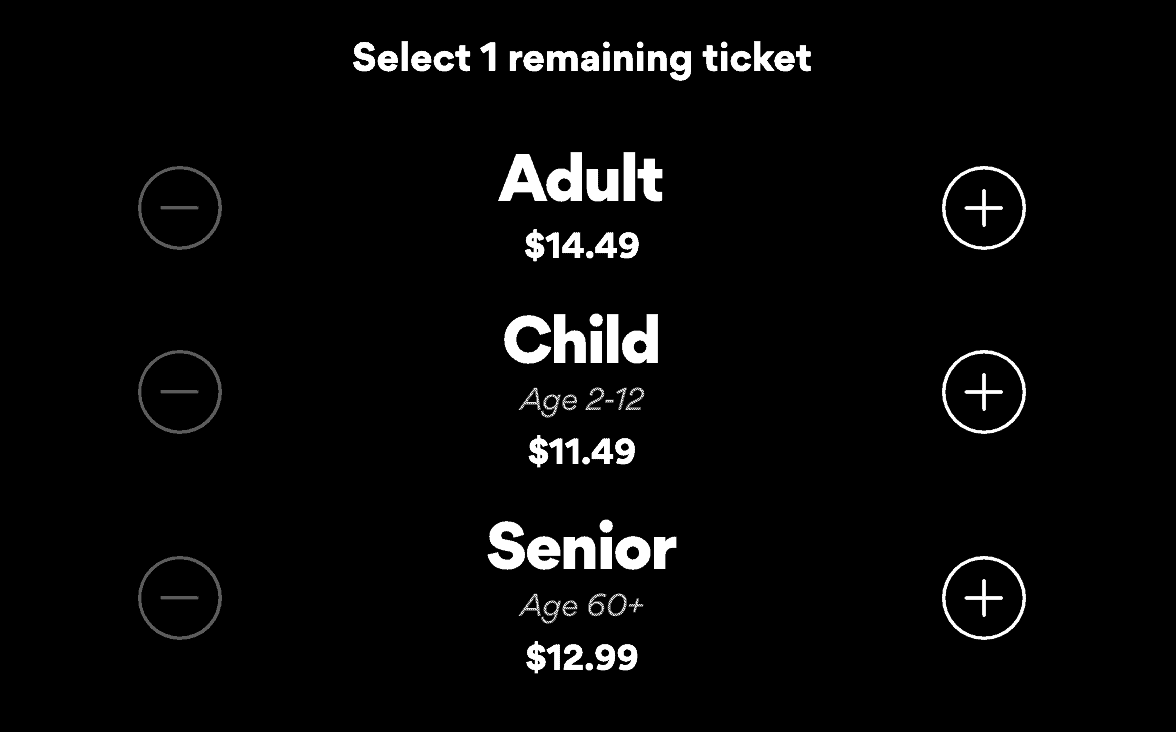
In recent years, the concept of “dynamic pricing” has gained traction across various industries, including cinema. While not as aggressive as airline pricing, AMC has experimented with and subtly implemented elements of dynamic pricing. This means ticket prices for highly anticipated blockbusters, especially during their opening weekend, might be slightly higher than for a film that has been out for several weeks or one with less mainstream appeal. Similarly, tickets for sold-out or nearly sold-out showtimes might see subtle adjustments, or promotional pricing might be withheld. This sophisticated algorithm-driven approach allows AMC to optimize revenue based on real-time demand signals, though the fluctuations might not always be overtly apparent to the average consumer.
Smart Strategies for Savvy Moviegoers: Maximizing Value at AMC
Navigating AMC’s pricing landscape doesn’t have to be a passive experience. With a few smart strategies, moviegoers can significantly reduce their expenditures, ensuring that their love for cinema doesn’t strain their wallet. Financial prudence here means leveraging loyalty programs, timing purchases, and exploring external deals.
Leveraging AMC Stubs Programs (Insider, Premiere, A-List)
AMC’s loyalty program, AMC Stubs, is arguably the most impactful tool for cost savings.
- AMC Stubs Insider (Free): This free tier offers basic benefits, including waived online ticketing fees (a significant saving of $1-$2 per ticket), discounted Tuesdays ($5-$6 tickets on Tuesdays for all members), and points earned on every dollar spent (20 points per $1). While 20 points per dollar gives you a $5 reward for every $500 spent, the discounted Tuesdays and waived online fees are immediately valuable.
- AMC Stubs Premiere (Paid Annual Fee): For an annual fee (typically around $15-$18), Premiere members get accelerated points earning (100 points per $1), larger discounts on concessions, and free size upgrades on popcorn and fountain drinks. For frequent moviegoers, the enhanced points accumulation and concession savings can quickly offset the annual fee.
- AMC Stubs A-List (Monthly Subscription): This is AMC’s ultimate value proposition for super-fans. For a monthly fee (ranging from $19.95 to $23.95 depending on location), A-List members can see up to three movies per week, including all premium formats (IMAX, Dolby Cinema, 3D), with no online ticketing fees. For anyone seeing more than one movie a month, especially in premium formats, A-List offers unparalleled savings and quickly pays for itself. This subscription model completely transforms the cost-per-ticket equation, making it negligible for avid viewers.
Understanding and selecting the right AMC Stubs tier for your viewing habits is the single most effective way to manage and reduce your movie ticket expenses.
The Power of Discount Days and Promotions
Beyond AMC Stubs Tuesdays, keep an eye out for other promotional days or limited-time offers. AMC occasionally runs promotions such as “Summer Movie Camp” for kids, special holiday deals, or throwback pricing for specific anniversaries. These are often advertised on AMC’s website, social media channels, or through email newsletters. Subscribing to their mailing list is a great way to stay informed about these fleeting financial opportunities. Additionally, partnering with specific credit card companies or other brands for promotional discounts is not uncommon.
Third-Party Deals and Gift Cards
External sources can also provide avenues for saving.
- Discounted Gift Cards: Websites like Raise.com, CardCash, or even major retailers like Costco and Sam’s Club sometimes offer AMC gift cards at a discount (e.g., a $50 gift card for $45). This represents an immediate, albeit small, saving on future purchases.
- Loyalty Programs and Credit Card Rewards: Some credit card rewards programs or airline miles programs allow redemption for AMC gift cards or offer bonus points for entertainment spending. Check your existing loyalty programs for such opportunities.
- Employer/Union Discounts: Many employers or labor unions have partnerships that offer discounted movie tickets. It’s always worth checking with your HR department or union representative.
These third-party options require a bit of proactive research but can yield worthwhile savings.
Bundle Deals and Concession Savings
While not directly about ticket prices, concessions are a major part of the overall moviegoing expense. AMC Stubs Premiere members get discount on concessions. Furthermore, AMC often offers bundle deals, such as a “combo” that includes popcorn and a drink at a slightly reduced price compared to buying them separately. Forgoing concessions entirely, or bringing your own (where permitted, check local AMC policies, usually only outside food is disallowed, but bottled water is often fine), can drastically cut down on the total cost of your outing. Some frugal moviegoers even eat a meal beforehand to avoid expensive theater food.
Off-Peak Viewing: Your Budget’s Best Friend
Reiterating the importance of timing, consciously choosing off-peak hours is a fundamental money-saving tactic. Matinees, early weekday evenings, or even late-night showings after 9 PM on a Sunday can offer significantly cheaper tickets. For those with flexible schedules, such as retirees, students, or remote workers, this strategy can unlock a much more affordable moviegoing habit. It’s a trade-off between convenience and cost, and for many, the financial benefit outweighs the slight adjustment in viewing time.
Beyond the Ticket Price: The Broader Financial Picture of Moviegoing
Understanding the cost of an AMC ticket extends beyond the number on your stub. It encompasses the entirety of the financial transaction and the value derived from the experience, as well as AMC’s broader business model. For the astute consumer, recognizing these larger financial currents offers a more complete perspective on their entertainment budget.
The Hidden Costs: Concessions and Parking
While the ticket price is transparent, the ancillary costs of a movie outing can often inflate the total expenditure dramatically. Concessions, in particular, represent a significant revenue stream for AMC and a substantial expense for consumers. A large popcorn and soda combo can easily add $15-$20 to the cost of a single ticket. Parking, especially in urban areas or popular shopping centers, can add another $5-$15. These “hidden” costs, when accumulated, can often exceed the price of the ticket itself. Budgeting for a movie night should always factor in these supplementary expenses. Opting for water instead of soda, sharing a large popcorn, or even foregoing concessions entirely by eating before or after the movie, are simple yet effective ways to manage this often-overlooked financial drain.
The Economic Impact of the Theatrical Experience
The price of an AMC ticket isn’t just a charge for two hours of entertainment; it’s an investment in a specific type of cultural consumption. The theatrical experience offers a communal, immersive escape that streaming at home, for all its convenience, often cannot replicate. The large screen, powerful sound, lack of distractions, and shared emotional response with an audience contribute to a unique value proposition. From an economic standpoint, the ticket revenue contributes to the ecosystem of filmmaking—funding future productions, supporting actors, directors, and countless crew members, and sustaining the exhibition industry itself. When you pay for an AMC ticket, you’re not just buying a seat; you’re participating in and supporting a long-standing cultural institution.
AMC’s Revenue Streams: A Holistic View
For AMC Theatres, ticket sales are only one piece of the revenue puzzle, albeit a significant one. The percentage of ticket revenue that AMC keeps varies widely, often starting low for blockbuster opening weekends and increasing as a film ages. Concessions, with their high-profit margins, are a critical component of the company’s profitability. Other revenue streams include advertising shown before films, private event rentals, and to a lesser extent, merchandise sales. Understanding these diversified income sources helps to explain why tickets are priced as they are and why concessions, for instance, are so expensive—they help balance the lower margins on ticket sales, especially for new releases. This holistic financial model dictates the overall pricing strategy and the various options presented to consumers.

Future Pricing Models: Subscription vs. Pay-Per-View
The landscape of movie consumption is constantly evolving, with streaming services offering unparalleled convenience. In response, AMC, through its A-List program, has embraced a subscription model, offering unlimited movies for a flat monthly fee. This move demonstrates a recognition that consumers are increasingly valuing subscription services. The future of movie ticket pricing might see an expansion of such models, potentially with more tiered subscription options, or even a return to more dynamic, demand-based pricing algorithms that adjust in real-time. Conversely, there could be a rise in premium pay-per-view options for at-home releases, which might influence the perceived value and pricing of in-theater experiences. The industry is in a continuous state of financial innovation, seeking the optimal balance between accessibility, profitability, and consumer desire for varied viewing options.
In conclusion, the cost of an AMC movie ticket is far from arbitrary. It is a carefully constructed price point influenced by a multitude of economic, geographic, temporal, and experiential factors. For the financially savvy moviegoer, understanding these dynamics and actively employing strategies such as leveraging loyalty programs, choosing optimal showtimes, and being mindful of ancillary costs can transform a potentially expensive outing into an affordable and enjoyable experience. As AMC continues to adapt to an ever-changing entertainment landscape, the ability to navigate its pricing will remain a key skill for any devoted cinephile.
aViewFromTheCave is a participant in the Amazon Services LLC Associates Program, an affiliate advertising program designed to provide a means for sites to earn advertising fees by advertising and linking to Amazon.com. Amazon, the Amazon logo, AmazonSupply, and the AmazonSupply logo are trademarks of Amazon.com, Inc. or its affiliates. As an Amazon Associate we earn affiliate commissions from qualifying purchases.