
Embarking on the journey to purchase a new vehicle is often exciting, filled with dreams of test drives and the perfect model. However, for most, this journey inevitably leads to a critical financial decision: how to finance the purchase. A car loan is a substantial financial commitment, and the interest rate attached to it can significantly impact the total cost of your vehicle over its lifetime. Finding the lowest car loan rate isn’t just about saving a few dollars; it’s about optimizing your personal finance, freeing up cash flow, and making a smarter investment in transportation.
In today’s dynamic financial landscape, the quest for the lowest rate can feel like navigating a complex maze. From traditional banks and credit unions to burgeoning online lenders and dealership financing, the options are plentiful, each with its own advantages and disadvantages. This comprehensive guide will dissect the factors that influence car loan rates, reveal the most promising avenues for securing competitive offers, and equip you with the strategies to position yourself as an ideal borrower, ensuring you drive away with not just your dream car, but also a loan that makes financial sense.
Understanding the Dynamics of Car Loan Rates
Before diving into where to find the lowest rates, it’s crucial to understand what factors lenders consider when determining the interest rate they offer you. These variables are universal across most financial institutions and play a pivotal role in shaping your monthly payments and the total cost of your loan. A firm grasp of these elements empowers you to proactively improve your borrowing profile and negotiate more effectively.
The Paramount Role of Your Credit Score
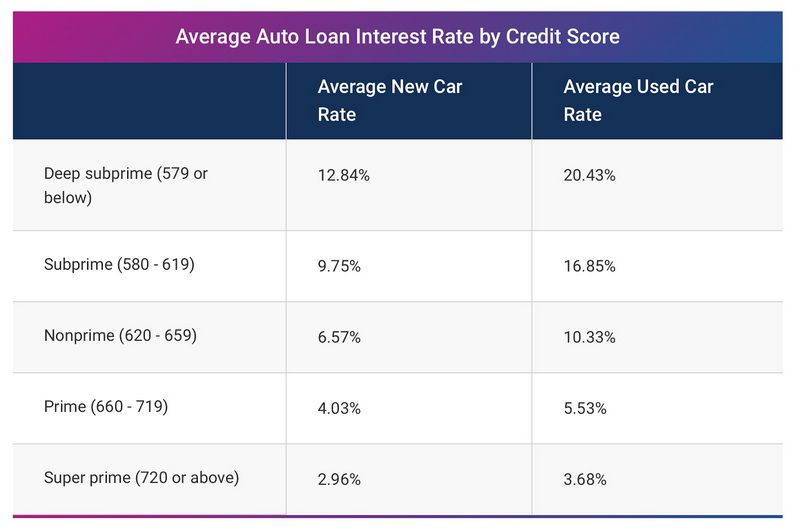
Undoubtedly, your credit score is the single most influential factor in securing a favorable car loan rate. Lenders use this three-digit number to assess your creditworthiness – essentially, how likely you are to repay your debt responsibly. A higher credit score (typically 700 and above, with excellent scores in the 800s) signals lower risk to lenders, leading to significantly lower interest rates. Conversely, a lower credit score often results in higher rates, as lenders need to compensate for the perceived increased risk.
Credit scores are calculated based on several factors, including your payment history, the amount of debt you owe, the length of your credit history, types of credit used, and new credit applications. Regularly monitoring your credit report for inaccuracies and actively working to improve your score through timely payments and managing debt can dramatically impact the rates you qualify for.
Loan Term, Down Payment, and Loan-to-Value (LTV) Ratio
The length of your loan (loan term) and the amount of money you put down upfront (down payment) also profoundly affect your interest rate. Generally, shorter loan terms (e.g., 36 or 48 months) tend to come with lower interest rates than longer terms (e.g., 60 or 72 months). While shorter terms mean higher monthly payments, they result in paying less interest over the life of the loan. Lenders prefer shorter terms because their money is tied up for less time, reducing their risk.
A substantial down payment reduces the amount you need to borrow, thereby lowering the loan-to-value (LTV) ratio. A lower LTV ratio means the lender has less financial exposure should you default, as the value of the car provides greater collateral coverage. Consequently, a larger down payment often translates into a lower interest rate. Aim for at least 10-20% of the car’s purchase price as a down payment if possible.
New vs. Used Car Loans and Vehicle Specifics
The type of vehicle you purchase—new or used—can also influence the interest rate. New car loans typically have lower interest rates than used car loans. This is primarily because new cars retain their value better in the initial years, offering more secure collateral for the lender. Used cars, especially older models, present higher depreciation risk and often have higher interest rates.
Beyond new or used, the specific make, model, and year of the car can also play a subtle role. Some lenders might offer special promotional rates for specific brands or models, particularly for new vehicles. Additionally, a vehicle’s reliability and resale value can indirectly influence a lender’s risk assessment.
Where to Hunt for the Most Competitive Car Loan Rates
Once you understand the underlying mechanics, the next step is to explore the various avenues available for securing a car loan. The key to finding the lowest rate often lies in casting a wide net and comparing offers from multiple sources. Don’t settle for the first offer you receive; thorough research and comparison shopping are paramount.
Traditional Banks and Credit Unions
Banks: Large national banks (like Chase, Bank of America, Wells Fargo) and regional banks are traditional sources for car loans. They often have competitive rates, especially for borrowers with excellent credit, and offer a familiar, structured application process. Existing customers might sometimes receive preferential rates or streamlined approval due to their established relationship with the bank.
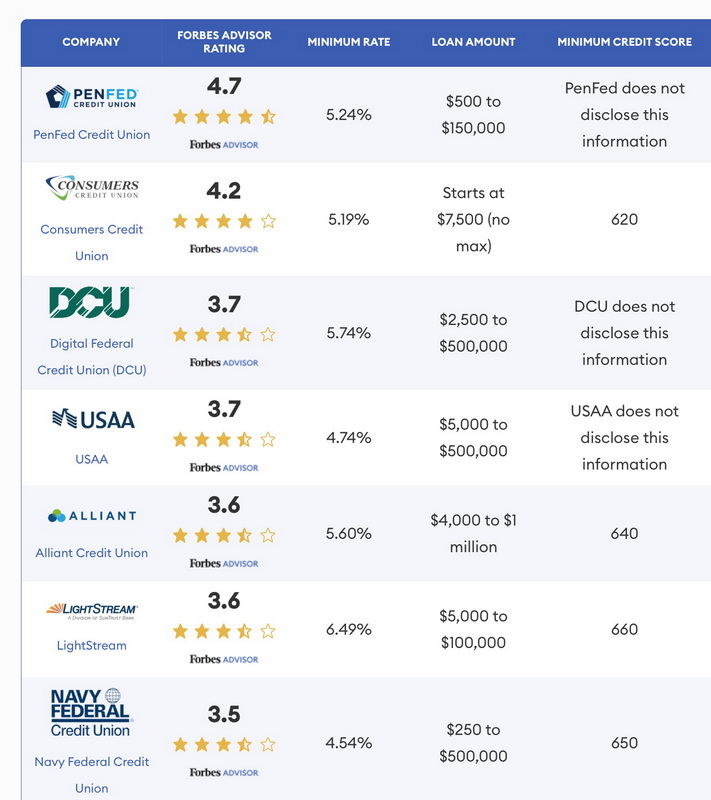
Credit Unions: Often overlooked, credit unions are non-profit financial cooperatives owned by their members. They are renowned for offering some of the most competitive interest rates on car loans, often lower than those found at traditional banks. This is because their primary goal is to serve their members, not generate profits for shareholders. To qualify, you usually need to become a member, which often involves meeting specific criteria (e.g., living in a certain area, working for a particular employer, or belonging to an association). The membership process is typically straightforward and well worth the effort for the potential savings.
Online Lenders and Lending Marketplaces
The digital age has ushered in a new era of lending, with a proliferation of online lenders and lending marketplaces. These platforms have revolutionized the car loan application process, often offering quick pre-approvals and competitive rates due to lower overhead costs.
Online Lenders: Companies like LightStream, Capital One Auto Finance, and MyAutoLoan are examples of prominent online lenders. They specialize in auto financing and can often provide highly personalized rates based on your credit profile. The application process is typically entirely online, fast, and efficient, allowing you to secure a loan offer before even stepping into a dealership.
Lending Marketplaces: Websites like LendingTree or RateGenius act as aggregators, allowing you to fill out a single application and receive multiple loan offers from various lenders. This streamlines the comparison shopping process, providing you with a snapshot of different rates and terms side-by-side, making it easier to identify the lowest options available to you.
Dealership Financing: A Double-Edged Sword
Dealerships offer financing as a convenience, often working with a network of banks and captive finance companies (e.g., Ford Credit, Honda Financial Services). While it’s convenient to complete the purchase and financing in one place, dealership financing can be a mixed bag regarding rates.
Pros: Dealerships occasionally offer promotional rates, especially for new cars, sometimes as low as 0% APR, usually tied to specific models or limited terms. These promotions are typically reserved for borrowers with impeccable credit.
Cons: Without pre-approved financing from an outside lender, you risk being offered a higher rate by the dealership. Dealers might also “mark up” the interest rate to earn additional profit. It’s crucial to always have an outside pre-approval in hand to use as a bargaining chip when negotiating with the dealership’s finance department. Never rely solely on the dealership for your financing needs.
Strategies to Secure the Absolute Lowest Rate
Finding the lowest car loan rate isn’t just about knowing where to look; it’s also about proactively implementing strategies that make you an attractive borrower. By taking control of these elements, you significantly increase your chances of securing the most favorable terms.
Get Pre-Approved Before You Shop
This is perhaps the most crucial strategy. Obtaining pre-approval from at least two or three different lenders (banks, credit unions, online lenders) before you even visit a dealership gives you immense power. A pre-approval provides you with a concrete interest rate and maximum loan amount, effectively setting a benchmark.
With a pre-approval in hand, you transform from a buyer who needs financing into a cash buyer, shifting your focus to negotiating the car’s price rather than being swayed by financing offers at the dealership. If the dealership can beat your pre-approved rate, great! If not, you have a solid fallback. Multiple loan applications within a short period (typically 14-45 days, depending on the credit bureau) are usually treated as a single hard inquiry on your credit report, minimizing the impact on your score.
Optimize Your Credit Profile
As previously discussed, your credit score is king. Before applying for a car loan, take steps to improve your credit profile:
- Check your credit report: Obtain free copies from AnnualCreditReport.com and dispute any errors.
- Pay bills on time: Payment history is the most significant factor in your score.
- Reduce existing debt: Lowering your credit utilization ratio (how much credit you’re using versus how much you have available) can boost your score.
- Avoid new credit applications: Opening new credit lines just before applying for a car loan can negatively impact your score.
A higher credit score can literally save you thousands of dollars in interest over the life of the loan.
Make a Substantial Down Payment
Increasing your down payment reduces the amount you need to borrow and signals financial stability to lenders. As mentioned, a lower LTV ratio makes you a less risky borrower, which can translate into a lower interest rate. If you can afford a 20% down payment or more, you’ll be in a much stronger position to secure favorable terms. Even a 10% down payment is better than nothing.
Shorten the Loan Term (If Feasible)
While longer loan terms mean lower monthly payments, they also mean more interest paid overall and often come with higher interest rates. If your budget allows, opting for a shorter loan term (e.g., 48 or 60 months instead of 72 or 84 months) can significantly reduce the total cost of the loan and potentially qualify you for a lower interest rate. Calculate what you can comfortably afford each month, but prioritize the shortest term that fits your budget.
Negotiate, Negotiate, Negotiate
Don’t be afraid to negotiate. With pre-approvals in hand, you have leverage. Use competing offers to ask lenders if they can beat another offer. Dealerships, in particular, often have some flexibility in the rates they can offer, especially if they are trying to close a sale. Be firm but polite, and always be prepared to walk away if the terms aren’t right for your financial situation.
Navigating the Application Process and Beyond
Once you’ve found a promising rate, the application process requires attention to detail. Post-purchase, smart financial management can continue to save you money.
Gathering Essential Documents and Understanding the Fine Print
Be prepared to provide various documents, including proof of income (pay stubs, tax returns), proof of residence (utility bills), identification (driver’s license), and possibly bank statements. Having these ready will expedite the application process.
Crucially, read every line of the loan agreement before signing. Pay close attention to the Annual Percentage Rate (APR), which includes the interest rate plus any fees, providing a more accurate picture of the total cost of borrowing. Look for prepayment penalties, late payment fees, and any optional add-ons (like extended warranties or GAP insurance) that might be rolled into the loan and inflate its cost unnecessarily. Only agree to what you genuinely need and understand.
Considering Refinancing Options
Even if you don’t secure the absolute lowest rate initially, the journey doesn’t have to end there. If your credit score improves significantly after you’ve taken out your initial loan, or if interest rates drop across the market, you might be a good candidate for refinancing. Refinancing involves taking out a new loan to pay off your existing car loan, ideally at a lower interest rate or with more favorable terms. This can reduce your monthly payments or the total interest paid over the remaining life of the loan. Many lenders offer auto loan refinancing, so it’s always worth exploring if your financial situation or market conditions change.
The Long-Term Impact on Your Financial Health
A car loan is more than just a monthly payment; it’s a significant financial obligation that impacts your overall financial health. Securing a low interest rate not only saves you money but also frees up cash flow for other financial goals, such as saving for a home, investing, or paying down other debts. Conversely, a high-interest loan can strain your budget, accumulate negative equity (owing more than the car is worth), and hinder your progress towards financial independence. Make informed decisions, continuously monitor your loan, and explore opportunities like refinancing to ensure your car loan remains an asset rather than a burden.
In conclusion, finding the lowest car loan rates requires diligence, preparation, and a strategic approach. By understanding what drives interest rates, exploring all available lending avenues, and employing smart negotiation tactics, you can secure financing that aligns with your financial well-being. Don’t let the excitement of a new car overshadow the importance of a financially sound loan. Drive smart, and save big.
aViewFromTheCave is a participant in the Amazon Services LLC Associates Program, an affiliate advertising program designed to provide a means for sites to earn advertising fees by advertising and linking to Amazon.com. Amazon, the Amazon logo, AmazonSupply, and the AmazonSupply logo are trademarks of Amazon.com, Inc. or its affiliates. As an Amazon Associate we earn affiliate commissions from qualifying purchases.