
Navigating the used car market can be a complex journey, fraught with decisions ranging from vehicle make and model to negotiating the final price. However, one of the most critical, yet often overlooked, factors that significantly impacts the total cost of your used car is the interest rate on your auto loan. While the sticker price grabs immediate attention, the interest rate dictates how much extra you’ll pay over the life of the loan, potentially adding thousands to your overall expense. Understanding “what is the current interest rate for used cars” isn’t a static answer; it’s a dynamic figure influenced by a confluence of personal financial health, market conditions, and the specific lender you choose.
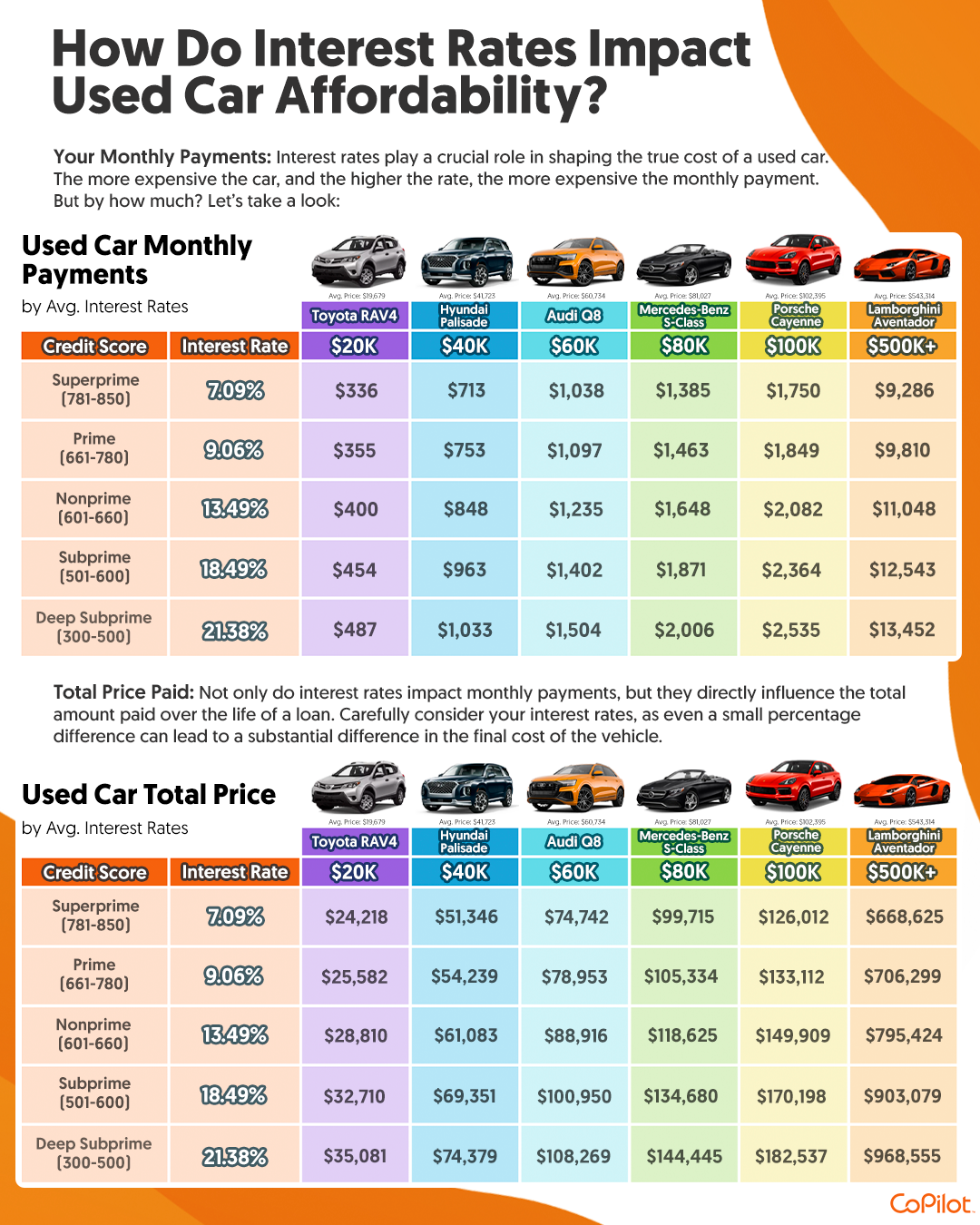
In today’s evolving economic landscape, interest rates are in constant flux, shaped by central bank policies, inflation, and the broader supply-demand dynamics of the automotive industry. For prospective used car buyers, securing a favorable interest rate can mean the difference between an affordable monthly payment and a financial strain. This comprehensive guide aims to demystify used car interest rates, providing you with the insights and strategies needed to secure the best possible financing terms. We’ll delve into the factors that dictate these rates, how to effectively research and compare offers, and actionable steps you can take to lower your borrowing costs. By the end, you’ll be equipped to approach your used car purchase not just as a consumer, but as an informed financial strategist.
Understanding the Dynamics of Used Car Interest Rates
The interest rate you pay on a used car loan is not a one-size-fits-all figure. It’s a highly individualized calculation based on a multitude of variables. To truly grasp “what is the current interest rate for used cars,” one must first understand the intricate web of factors that contribute to its determination. Lenders assess risk, market conditions, and the specifics of the loan itself to arrive at the rate they offer.
Key Factors Influencing Rates
Several core elements play a pivotal role in shaping the interest rate you’ll encounter. At the forefront is your credit score. A strong credit history, reflected by a high FICO score (generally 700+), signals reliability to lenders, often qualifying you for the lowest available rates. Conversely, a lower credit score indicates a higher risk, prompting lenders to charge a higher interest rate to compensate for that perceived risk. The loan term, or the length of time you have to repay the loan, also significantly impacts the rate. Shorter terms typically come with lower interest rates because the lender’s money is tied up for a shorter period, reducing their exposure to risk. However, shorter terms also mean higher monthly payments.
The down payment you make on the vehicle is another crucial factor. A larger down payment reduces the total amount you need to borrow, which in turn lowers the lender’s risk exposure and can result in a more favorable interest rate. Furthermore, the age and mileage of the vehicle itself play a role. Older vehicles with higher mileage often come with higher interest rates than newer used cars, as they are perceived to have a higher risk of mechanical issues and a quicker depreciation rate, making them less valuable collateral for the lender. Finally, the type of lender matters; banks, credit unions, online lenders, and dealership financing arms each have different lending criteria and rate structures. Credit unions, for example, often offer more competitive rates due to their member-owned structure. Broader market conditions, such as the Federal Reserve’s benchmark interest rates, also trickle down to influence auto loan rates across the board. When the Fed raises rates, borrowing costs for consumers generally increase.
The Difference Between New and Used Car Rates
It’s a common observation that interest rates for used car loans are generally higher than those for new car loans. This disparity is rooted in several fundamental financial principles. From a lender’s perspective, new cars are less risky. They come with manufacturer warranties, are less likely to have unforeseen mechanical issues, and their depreciation curve, while steep initially, is more predictable. This predictability makes them more stable collateral.
Used cars, on the other hand, present a higher degree of uncertainty. They typically do not come with a manufacturer warranty (or have a very limited one), may have an unknown service history, and are more prone to mechanical failures. Furthermore, their value can depreciate more rapidly or unpredictably compared to a brand-new vehicle, especially if they are older or have high mileage. This increased risk for the lender translates into a higher interest rate to compensate for the greater potential for default or loss of collateral value. Additionally, new car sales are often subsidized by manufacturers through special financing offers with ultra-low interest rates (sometimes even 0% APR) to clear inventory, a luxury rarely extended to used vehicles.
How to Determine the “Current” Rate for You
Since there isn’t one universal “current interest rate for used cars,” determining your specific rate requires proactive research and understanding your unique financial standing. This personalized approach is essential to avoid overpaying and to secure financing terms that align with your budget and goals.
Checking Your Credit Score
Your credit score is the single most influential factor in determining the interest rate you’ll be offered. Before even looking at cars, it’s paramount to know where you stand. You can obtain your credit report for free once a year from each of the three major credit bureaus (Experian, Equifax, and TransUnion) via AnnualCreditReport.com. Many credit card companies and banks also offer free credit score tracking. Review your report for any inaccuracies and understand the factors that contribute to your score. A higher score signifies lower risk to lenders, translating into lower interest rates. Knowing your score empowers you to set realistic expectations and negotiate more effectively. For instance, if you have an excellent score (780+), you should expect to qualify for the most competitive rates.
Gathering Quotes from Multiple Lenders
The biggest mistake a used car buyer can make is to accept the first financing offer, especially one from a dealership without independent verification. Dealerships often mark up interest rates as a source of profit. To truly understand “what is the current interest rate for used cars” for your profile, you must shop around for pre-approval from various lenders. This includes traditional banks, local credit unions (often known for competitive rates and personalized service), and a host of online lenders. Each lender has different underwriting criteria and risk assessments, leading to varying rate offers.
Apply for pre-approval from at least three to five different institutions. Most lenders will perform a “soft inquiry” on your credit for initial pre-qualification, which doesn’t impact your score. Once you formally apply, a “hard inquiry” occurs, which might slightly lower your score temporarily, but multiple hard inquiries for the same type of loan within a short window (typically 14-45 days, depending on the scoring model) are usually grouped as a single inquiry, minimizing impact. Armed with multiple pre-approved offers, you can confidently approach the dealership, using the best offer as leverage to negotiate a better deal, potentially even from the dealership’s own financing department.
Understanding APR vs. Interest Rate
When comparing loan offers, it’s crucial to distinguish between the stated interest rate and the Annual Percentage Rate (APR). The interest rate is simply the cost of borrowing the principal amount. The APR, however, represents the total cost of borrowing, expressed as an annual percentage. It includes not only the interest rate but also any additional fees associated with the loan, such as origination fees, documentation fees, or processing fees.
For example, a loan might have an interest rate of 6.0%, but if it includes substantial fees, its APR could be 6.5% or higher. When evaluating different loan offers, always compare the APR, not just the interest rate. The APR provides a more accurate picture of the true cost of the loan and allows for a more apples-to-apples comparison between lenders. Focusing solely on the interest rate can lead to underestimating the actual financial burden of your used car loan.
Strategies for Securing a Lower Used Car Interest Rate
While some factors influencing interest rates are beyond your immediate control (like market conditions), many others can be actively managed to improve your chances of securing a more favorable rate. A strategic approach to your financing can significantly reduce the overall cost of your used car.
Improving Your Creditworthiness
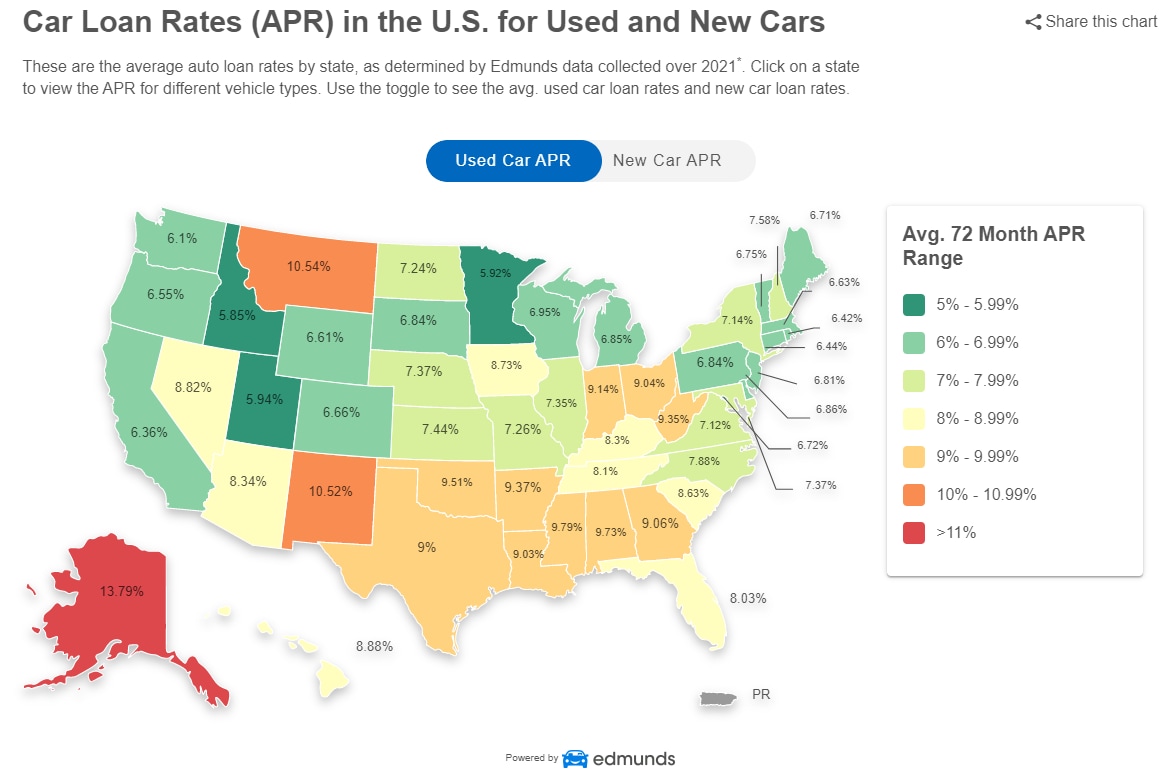
The most impactful step you can take to lower your interest rate is to improve your credit score. If you’re not in a rush to buy, dedicate a few months to building a stronger credit profile. This involves making all your payments on time, paying down existing debt (especially high-interest credit card debt) to reduce your credit utilization ratio, and avoiding opening new lines of credit. If you find errors on your credit report, dispute them immediately, as they can negatively impact your score. Even a modest improvement in your credit score can move you into a different tier of interest rates, potentially saving you hundreds or thousands of dollars over the life of the loan.
Making a Larger Down Payment
A larger down payment signals financial stability to lenders and directly reduces their risk. By putting more money down upfront, you decrease the loan amount, making the loan more attractive to lenders. This often translates into a lower interest rate. For example, if you’re buying a $20,000 used car, a $5,000 down payment means you’re only financing $15,000. This smaller loan amount, coupled with your equity in the vehicle, makes you a less risky borrower. Aim for at least 10-20% of the vehicle’s purchase price as a down payment if possible. This not only helps with interest rates but also reduces your monthly payments and lessens the likelihood of being “upside down” on your loan (owing more than the car is worth) early in the ownership period.
Choosing a Shorter Loan Term
While a longer loan term (e.g., 72 or 84 months) might seem appealing due to lower monthly payments, it almost always comes with a higher interest rate and results in paying significantly more interest over the life of the loan. Lenders charge more for longer terms because their money is at risk for a longer period, and the car itself will depreciate more over that time. Opting for a shorter loan term (e.g., 36 or 48 months) will increase your monthly payments, but it will almost certainly secure you a lower interest rate and dramatically reduce the total amount of interest you pay. Calculate what you can comfortably afford each month and prioritize the shortest loan term possible that fits your budget.
Considering a Co-signer
If your credit score is less than ideal, or you’re a young borrower with limited credit history, a co-signer can be a valuable asset. A co-signer, typically a parent or close relative with excellent credit, agrees to take on the responsibility for the loan if you fail to make payments. Their strong credit profile can help you qualify for a much lower interest rate than you could obtain on your own. However, this decision should be made with extreme caution, as the co-signer’s credit is on the line. If you default, it negatively impacts both your credit and theirs, and the lender can pursue them for repayment. Ensure clear communication and a strong understanding of the commitment before proceeding with a co-signer.
The Broader Economic Landscape and Its Impact
Beyond personal financial factors, the prevailing economic climate plays a significant role in determining “what is the current interest rate for used cars.” These macroeconomic forces can influence everything from lender appetite for risk to the supply and demand of vehicles themselves.
The Federal Reserve and Monetary Policy
The Federal Reserve, the central banking system of the United States, directly influences interest rates across the economy through its monetary policy decisions. When the Fed raises its benchmark interest rate (the federal funds rate), it becomes more expensive for banks to borrow money. These increased costs are then typically passed on to consumers in the form of higher interest rates for various loans, including auto loans. Conversely, when the Fed lowers rates, borrowing becomes cheaper, potentially leading to lower auto loan rates. Staying informed about the Fed’s announcements and general economic outlook can provide valuable context for current and future interest rate trends. A period of rising rates means that the “current interest rate for used cars” you see today might be higher than it was a few months ago, and could continue to climb.
Supply and Demand in the Used Car Market
The automotive market is subject to its own unique supply and demand dynamics, which can indirectly affect financing rates. For instance, recent years have seen significant disruptions, such as semiconductor chip shortages impacting new car production. This led to a surge in demand and prices for used cars. When used car prices rise sharply, the amount of money people need to borrow increases, which can also put upward pressure on interest rates, especially if lenders perceive an elevated risk in financing high-priced, rapidly appreciating assets. A robust supply of used vehicles at reasonable prices, on the other hand, might lead to more stable or even slightly lower interest rates as lenders feel more confident in the collateral’s value.
Inflation and Its Role
Inflation, the rate at which the general level of prices for goods and services is rising, also influences interest rates. When inflation is high, lenders often demand higher interest rates to compensate for the erosion of their money’s purchasing power over time. They want to ensure that the real return on their loan (the interest rate minus inflation) remains positive. High inflation can lead to the Federal Reserve raising interest rates to cool down the economy, which, as discussed, trickles down to consumer loans like used car financing. Therefore, periods of high inflation often coincide with higher “current interest rate for used cars” figures, making borrowing more expensive for consumers.
Beyond the Interest Rate: Other Financing Considerations
While securing a low interest rate is paramount, it’s crucial to view the financing of a used car holistically. Focusing solely on the interest rate without considering other aspects can lead to unexpected costs and financial pitfalls.
Total Cost of Ownership
The interest rate is just one piece of the puzzle. When budgeting for a used car, consider the total cost of ownership. This includes the purchase price, interest paid, sales tax, registration fees, and importantly, ongoing expenses such as car insurance, maintenance and repairs, and fuel costs. Older used cars, while potentially having lower purchase prices, might incur higher maintenance costs and may also be more expensive to insure due to their age or perceived higher risk. A car with a low interest rate might still be a poor financial decision if its long-term maintenance costs are exorbitant. Research common issues for the specific make and model you’re considering and factor these potential expenses into your overall budget.
Loan Fees and Hidden Costs
Always scrutinize the loan agreement for any additional fees beyond the interest rate. These can include:
- Origination fees: A charge for processing the loan.
- Documentation fees: Fees for handling paperwork.
- Prepayment penalties: Some lenders charge a fee if you pay off your loan early. This can negate the benefit of accelerated payments.
- Late payment fees: Standard, but important to note.
- GAP insurance: While often recommended, understand if it’s mandatory, its cost, and if you truly need it.
These fees, though sometimes small individually, can add up and significantly increase the true cost of your loan, impacting the effective APR. Ensure all fees are clearly disclosed and understood before signing any agreement. If a lender is vague about fees, consider it a red flag.

The Importance of Budgeting
Ultimately, the best interest rate in the world won’t prevent financial strain if the car payment doesn’t fit comfortably within your budget. Before you even start car shopping, sit down and create a realistic budget. Determine how much you can truly afford for a monthly car payment, including insurance and estimated maintenance costs, without compromising other essential expenses or savings goals. Use online auto loan calculators to model different scenarios—varying down payments, loan terms, and interest rates—to understand their impact on your monthly outlay. Don’t let the excitement of a new vehicle push you into a payment you can’t sustain. A responsible budget ensures that your used car purchase remains a benefit, not a burden, allowing you to enjoy your vehicle without financial stress.
In conclusion, the “current interest rate for used cars” is a complex, multi-faceted answer influenced by personal credit, lender policies, and broader economic forces. By understanding these dynamics, diligently researching offers, and strategically positioning yourself as a borrower, you can navigate the financing landscape effectively and secure a used car loan that aligns with your financial well-being.
aViewFromTheCave is a participant in the Amazon Services LLC Associates Program, an affiliate advertising program designed to provide a means for sites to earn advertising fees by advertising and linking to Amazon.com. Amazon, the Amazon logo, AmazonSupply, and the AmazonSupply logo are trademarks of Amazon.com, Inc. or its affiliates. As an Amazon Associate we earn affiliate commissions from qualifying purchases.