
Navigating the world of car loans can feel like deciphering a complex code, with terms and figures that sometimes obscure the true cost of borrowing. Among these, the Annual Percentage Rate (APR) stands out as one of the most critical numbers you’ll encounter. It’s far more than just the interest rate; it’s a comprehensive measure designed to give you a clearer picture of what you’ll actually pay to finance your new or used vehicle. Understanding the APR for a car loan isn’t just about saving money; it’s about making an informed financial decision that aligns with your budget and long-term financial health. For many, a car is one of the largest purchases they’ll make after a home, and the financing terms can significantly impact the total amount spent over the loan’s lifetime. This article will demystify the APR, explore the factors that influence it, guide you on where to find the best rates, and equip you with the knowledge to secure the most favorable car loan possible.
Demystifying APR: Beyond the Interest Rate
The Annual Percentage Rate (APR) is often conflated with the interest rate, but they are distinctly different, though related. For car loans, grasping this distinction is paramount to comparing offers accurately and understanding the true cost of credit.
Understanding Annual Percentage Rate (APR)
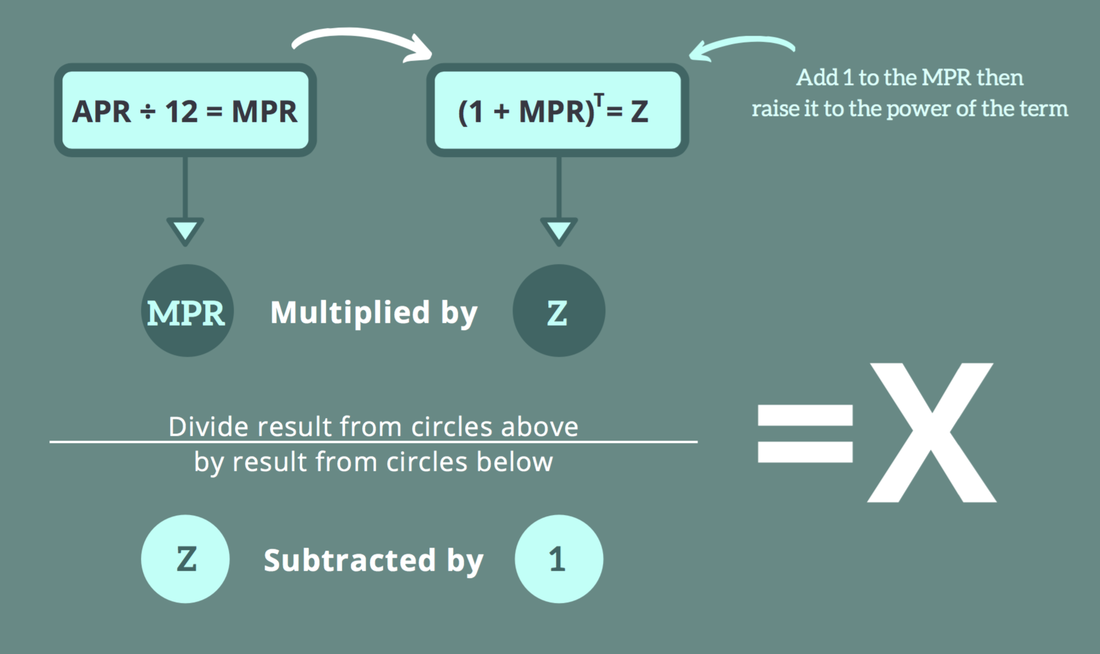
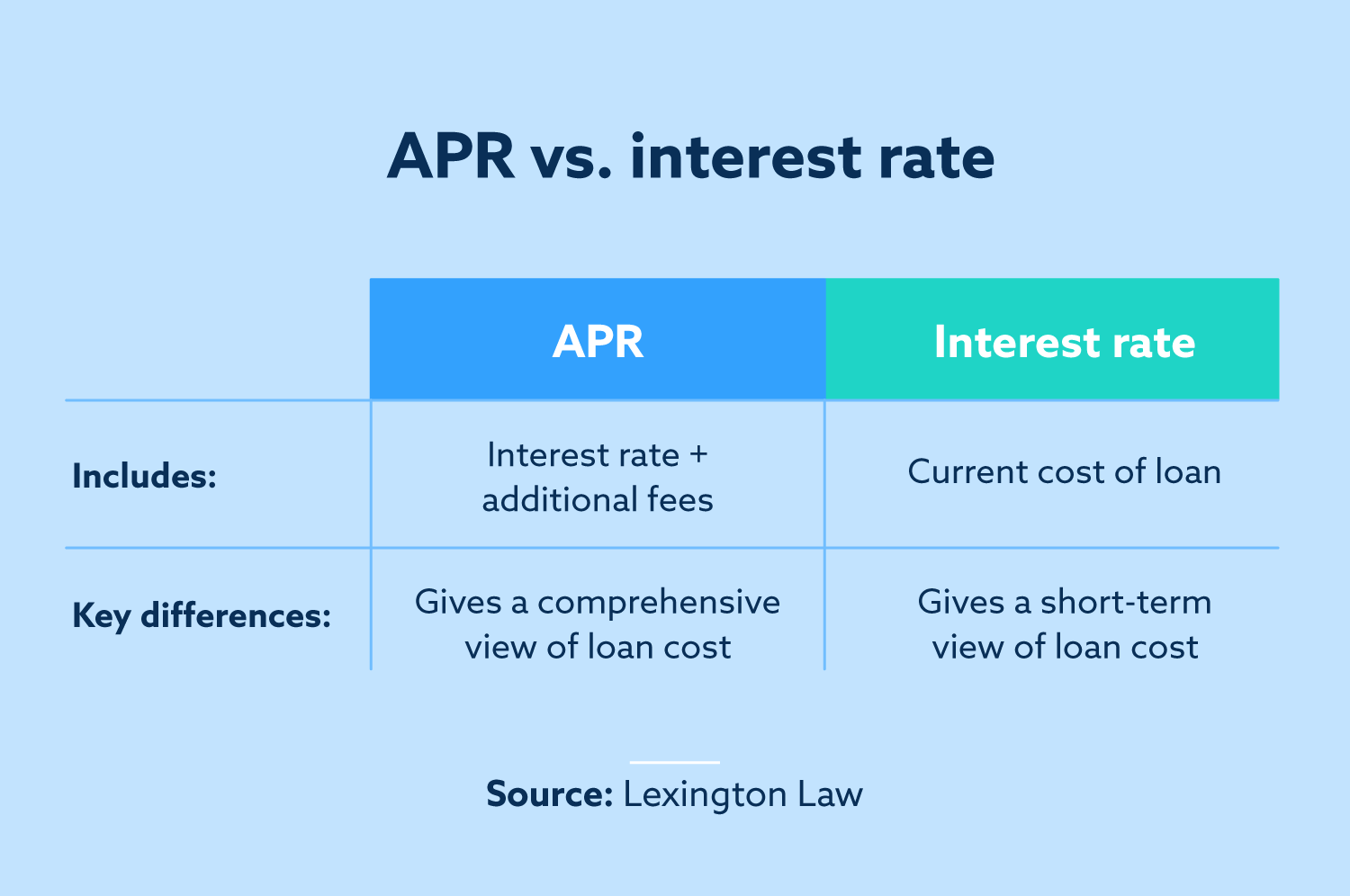
At its core, APR is the annual rate charged for borrowing, expressed as a single percentage that represents the actual yearly cost of funds over the term of a loan. Crucially, it includes not only the nominal interest rate but also any additional fees or costs associated with the loan. This means that if a lender charges an origination fee, a processing fee, or other charges that are required to obtain the loan, these costs are typically factored into the APR calculation. The Truth in Lending Act (TILA) mandates that lenders disclose the APR to consumers, providing a standardized measure that allows for a more “apples-to-apples” comparison between different loan offers. Without APR, you might be enticed by a low interest rate, only to find hidden fees making the total cost of borrowing much higher than anticipated. It’s the closest measure you have to the true cost of the money you’re borrowing, making it an indispensable tool in your car buying toolkit.
Components of Car Loan APR
While the interest rate is the most prominent component, a car loan’s APR can be influenced by several other elements:
- Nominal Interest Rate: This is the base rate charged by the lender for the use of their money. It’s often advertised and is the percentage applied to your principal balance to calculate your interest payments. It reflects the lender’s profit margin, the risk associated with lending to you, and prevailing market interest rates.
- Lender Fees: These can vary widely by institution and even by specific loan products. Common fees that might be rolled into the APR for a car loan include:
- Origination Fees: A charge for processing the loan application and setting up the loan.
- Documentation Fees: Costs associated with preparing and handling the loan paperwork.
- Underwriting Fees: Fees for assessing your creditworthiness and the risk involved.
- It’s important to note that for car loans, some fees (like state titling fees or registration) are often paid separately and are not usually included in the APR calculation, as they are not directly a cost of borrowing but rather a cost of owning the vehicle. However, any fee directly required by the lender to extend the credit will typically be part of the APR.
APR vs. Interest Rate: A Crucial Distinction
To illustrate the difference, consider two hypothetical car loan offers for a $30,000 car over a 60-month term:
- Loan A: Advertises an interest rate of 5.0% but includes $500 in lender fees.
- Loan B: Advertises an interest rate of 5.5% with no lender fees.
If you only looked at the interest rate, Loan A might seem more attractive. However, once the $500 in fees for Loan A are factored into the total cost of borrowing, its APR might actually be 5.25%, while Loan B’s APR remains 5.5%. In this scenario, Loan A, despite its lower stated interest rate, could be slightly more expensive overall due to the upfront fees. This example, while simplified, underscores why APR is the more comprehensive metric. It’s designed to standardize the comparison, providing you with a single, reliable percentage that encapsulates all the essential borrowing costs over the loan’s term. Always ask for the APR when comparing loan offers, as it gives you the most accurate basis for comparison.
Factors Influencing Your Car Loan APR
The APR you’re offered for a car loan is not a static number; it’s a dynamic figure influenced by a multitude of personal and market-driven factors. Understanding these can help you strategize for a more favorable rate.
Your Credit Score: The Primary Driver
Your credit score is arguably the most significant determinant of the APR you’ll receive. Lenders use credit scores (like FICO or VantageScore) as a quick indicator of your creditworthiness and the likelihood of you repaying the loan on time.
- Excellent Credit (780+): Borrowers in this tier typically qualify for the lowest APRs, often advertised as “best rates” or special promotional rates. Lenders view them as very low risk.
- Good Credit (670-739): Still qualifies for competitive rates, though they might be slightly higher than for excellent credit.
- Fair Credit (580-669): APRs start to climb significantly here, as lenders perceive a higher risk of default.
- Poor Credit (Below 580): Borrowers with poor credit will face the highest APRs, and might even struggle to get approved for a loan without a co-signer or a very substantial down payment.
Improving your credit score by paying bills on time, reducing existing debt, and avoiding new credit applications in the months leading up to a car loan application can dramatically lower your eventual APR.
Loan Term and Down Payment
The structure of your loan also plays a crucial role in the APR offered.
- Loan Term: Shorter loan terms (e.g., 36 or 48 months) generally come with lower APRs because lenders assume less risk over a shorter period. However, shorter terms mean higher monthly payments. Conversely, longer terms (e.g., 72 or 84 months) often have higher APRs, reflecting the increased risk for the lender over an extended period, even though monthly payments are lower.
- Down Payment: Making a substantial down payment reduces the amount you need to borrow. This not only lowers your monthly payments but also signals to the lender that you are a serious and responsible borrower, reducing their perceived risk. A larger down payment can often lead to a lower APR. A good rule of thumb is to aim for at least 10-20% of the vehicle’s purchase price, if possible.
Vehicle Type and Age
The car itself can influence your APR, largely due to its depreciation rate and perceived reliability.
- New vs. Used Cars: New cars often qualify for lower APRs, especially through captive finance companies (e.g., Toyota Financial Services, Ford Credit) offering special promotional rates. Used cars generally carry higher APRs because they have already depreciated significantly, and lenders perceive them as having a higher risk of mechanical issues, which could impact the borrower’s ability to repay.
- Specific Make and Model: Vehicles known for their reliability and strong resale value may sometimes secure slightly better rates than models with poor reliability records or rapid depreciation.
Economic Conditions and Lender Competition
Broader economic factors and the competitive landscape among lenders also contribute to the APR you’ll be offered.
- Federal Reserve Interest Rates: When the Federal Reserve raises or lowers its benchmark interest rates, it impacts the cost of borrowing for banks, which in turn influences the rates they offer to consumers.
- Lender Competition: A highly competitive market, with many banks, credit unions, and online lenders vying for your business, can drive APRs down. Conversely, in a less competitive environment, rates may be higher. Shopping around and getting multiple quotes is key to leveraging this competition.
Where to Find the Best Car Loan APRs
Securing the best possible car loan APR requires proactive research and strategic negotiation. It’s not just about finding a lender; it’s about finding the right lender and approaching the process intelligently.

Exploring Different Lender Types
Don’t limit yourself to just one type of financial institution. Each has its strengths:
- Banks: Traditional banks offer car loans, often with competitive rates for existing customers who have a strong relationship with the institution. Their rates can vary widely, so it’s worth checking with your current bank and a few others.
- Credit Unions: Often lauded for their customer-centric approach and lower operating costs, credit unions can frequently offer some of the most competitive APRs, especially for members. Joining a credit union is often easy, with minimal eligibility requirements.
- Captive Finance Companies: These are financing arms of car manufacturers (e.g., Honda Financial Services, GM Financial). They are famous for offering promotional rates, such as 0% or very low APRs, particularly on new vehicles, to attract buyers. However, these rates are usually reserved for borrowers with excellent credit and may require certain conditions.
- Online Lenders: The rise of online-only lenders has introduced greater convenience and often highly competitive rates due to their lower overheads. They can provide quick approvals and a streamlined application process. Examples include LightStream, Capital One Auto Finance, and LendingClub.
The Power of Pre-Approval
One of the most effective strategies for securing a favorable APR is to get pre-approved for a loan before you step into a dealership.
- How Pre-Approval Works: You apply to a lender (bank, credit union, online lender) and, based on your creditworthiness, they give you a conditional loan offer, including a maximum loan amount and a specific APR. This process usually involves a “soft” credit pull initially, which doesn’t impact your score, followed by a “hard” pull if you proceed with a full application.
- Benefits:
- Budget Clarity: You know exactly how much you can afford, which helps narrow down your car choices.
- Negotiating Leverage: Walking into a dealership with a pre-approval means you’re a cash buyer in their eyes. You can negotiate the car’s price without the pressure of needing their financing, which often carries markups.
- Comparison Tool: Use your pre-approved APR as a benchmark. The dealership might try to beat it, but you’ll know if their offer is truly better.
Negotiation Strategies
Even after getting pre-approved, there’s often room for negotiation.
- Focus on the Total Price, Not Just Monthly Payments: Dealers sometimes try to distract buyers by focusing solely on a comfortable monthly payment. However, a lower monthly payment over a longer term often means paying more interest and a higher total cost. Always negotiate the vehicle’s purchase price first, separate from the financing.
- Don’t Be Afraid to Walk Away: If an offer isn’t right, be prepared to walk away. There are always other cars and other lenders.
- Pit Lenders Against Each Other: Use competing offers to your advantage. If your credit union offers 4.5% APR and another bank offers 4.7%, see if the first lender can beat the second’s offer, or vice versa. Most lenders will allow you a window of time (often 14-45 days) where multiple credit inquiries for a car loan are treated as a single inquiry, minimizing impact on your credit score.
Understanding Your Car Loan Agreement and Rights
Once you’ve found a promising offer, it’s crucial to understand every detail of your car loan agreement before signing on the dotted line. Being informed protects your financial interests.
Key Elements of the Loan Contract
Your car loan contract is a legally binding document that outlines the terms of your borrowing. Pay close attention to these critical details:
- APR: Reconfirm the final Annual Percentage Rate. This is the ultimate cost metric you agreed upon.
- Total Loan Amount: This is the principal you are borrowing, including any add-ons or fees rolled into the loan.
- Total Payment: This figure represents the sum of all your monthly payments over the life of the loan. Comparing this to the total loan amount will show you the exact amount of interest you’ll pay.
- Payment Schedule: Confirm the due date of your monthly payments and how payments will be applied (e.g., first to interest, then principal).
- Prepayment Penalties: While rare for car loans, some lenders might charge a fee if you pay off your loan early. Always check for this clause.
- Late Payment Fees: Understand the grace period (if any) and the charges for late payments.
- Additional Products: Be wary of optional add-ons like extended warranties, GAP insurance, or paint protection plans that are rolled into your loan without clear explanation. While some can be valuable, others may be overpriced or unnecessary for your situation. Ensure you understand what you’re buying and if it’s truly optional.
The Role of Disclosure
The Truth in Lending Act (TILA) is a federal law designed to protect consumers in credit transactions. It mandates that lenders provide clear and concise disclosures about the terms of credit, most notably the APR and the total cost of the loan.
- Your Right to Information: TILA ensures that you have the right to receive detailed information about your loan, including the APR, finance charges, total amount financed, and the total amount of payments, before you commit to the loan.
- Understand Before You Sign: Never feel pressured to sign a document you haven’t fully read and understood. Ask questions until you are completely clear on all terms. If a lender is evasive or rushing you, consider it a red flag.
Refinancing Your Car Loan
Your financial situation and market conditions can change, potentially opening up opportunities to refinance your car loan to a lower APR.
- When It Makes Sense:
- Improved Credit Score: If your credit score has significantly improved since you took out the original loan, you might qualify for a much lower APR.
- Lower Market Rates: If general interest rates have dropped since your initial loan, refinancing could save you money.
- Desire for Different Terms: You might want to lower your monthly payments by extending the loan term (though this often means paying more interest overall) or shorten the term to pay it off faster.
- Considerations: Refinancing usually involves new fees, so calculate if the savings from a lower APR outweigh these costs. Also, consider how much time is left on your original loan; if you’re close to paying it off, refinancing might not be worth the effort. Always compare the new APR and total cost to what you’d pay on your current loan for the remaining term.
Practical Tips for Securing a Favorable Car Loan APR
Beyond understanding the mechanics of APR, a few practical steps can significantly improve your chances of getting the best rate.
Build and Maintain Good Credit
This cannot be stressed enough. Your credit score is your financial passport.
- Pay Bills on Time: Payment history is the biggest factor in your credit score.
- Keep Credit Utilization Low: Aim to use no more than 30% of your available credit on credit cards.
- Check Your Credit Report Regularly: Dispute any errors that could be dragging down your score. You can get a free report annually from each of the three major bureaus at AnnualCreditReport.com.
Save for a Substantial Down Payment
A larger down payment reduces the amount you need to borrow and lessens the lender’s risk, often translating to a better APR. It also means you’ll pay less interest over the life of the loan because the principal is smaller. Aim for at least 10-20% of the vehicle’s purchase price.
Research and Compare Thoroughly
Don’t settle for the first offer you receive, or simply accept the dealership’s financing.
- Get Multiple Quotes: Apply for pre-approval with several banks, credit unions, and online lenders within a short window (typically 14-45 days) to minimize the impact on your credit score.
- Use Comparison Tools: Many online platforms allow you to compare car loan rates from various lenders side-by-side.
Understand the Total Cost, Not Just Monthly Payments
It’s easy to get fixated on the monthly payment, but this can be misleading. A lower monthly payment achieved through a longer loan term often means paying significantly more in total interest. Always ask for the total cost of the loan over its entire term, which is the sum of all your payments, including principal and interest. This figure provides the clearest picture of the true financial commitment.
Conclusion
The APR for a car loan is much more than a simple number; it’s the financial compass that guides you to the true cost of borrowing. By understanding its components, the factors that influence it, and the strategies for securing a favorable rate, you empower yourself to make a financially savvy decision. From diligently monitoring your credit score to exhaustively comparing offers from diverse lenders and meticulously scrutinizing every clause in your loan agreement, each step you take contributes to a more informed and advantageous outcome. A car loan is a significant financial commitment, and approaching it with knowledge and confidence not only saves you money but also lays a strong foundation for your overall financial well-being. Don’t let the allure of a new vehicle overshadow the importance of sound financial planning; your wallet will thank you for it.
aViewFromTheCave is a participant in the Amazon Services LLC Associates Program, an affiliate advertising program designed to provide a means for sites to earn advertising fees by advertising and linking to Amazon.com. Amazon, the Amazon logo, AmazonSupply, and the AmazonSupply logo are trademarks of Amazon.com, Inc. or its affiliates. As an Amazon Associate we earn affiliate commissions from qualifying purchases.