
Understanding current car loan interest rates is a cornerstone of responsible financial planning when purchasing a vehicle. In today’s dynamic economic climate, these rates are not static; they fluctuate based on a complex interplay of individual borrower characteristics, market conditions, and global economic trends. For many, a car is the second-largest purchase they’ll ever make, after a home, and the interest rate attached to its financing can dramatically impact the total cost of ownership. This comprehensive guide will dissect the current landscape of auto loan rates, identify the factors that shape them, and equip you with the strategies to secure the most favorable terms for your next car purchase.
Understanding the Current Landscape of Car Loan Interest Rates
The auto loan market is a bustling ecosystem, constantly responding to shifts in the broader economy. Getting a snapshot of current rates requires looking at various segments, as a single “average” rate can be misleading.
Snapshot of Today’s Auto Loan Market
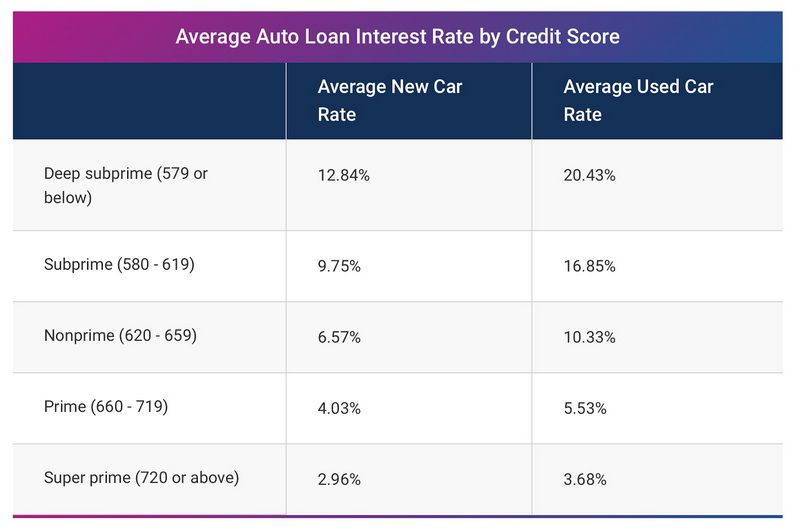
As of late 2023 and early 2024, car loan interest rates have generally trended upwards compared to the historically low rates seen in previous years. This increase is largely a reflection of the Federal Reserve’s aggressive interest rate hikes aimed at combating inflation. While the Fed’s rates directly impact prime rates for banks, this ripple effect translates into higher borrowing costs for consumers across the board, including auto loans. New car loan rates typically range from 5% to 9% for well-qualified borrowers, while used car rates, due to higher perceived risk, often fall between 7% and 12% or even higher, depending on the vehicle’s age and mileage. It’s crucial to remember these are averages, and individual rates can vary significantly. Economic indicators such as inflation rates, consumer spending, and employment figures all play a role in shaping lenders’ risk assessments and, consequently, the rates they offer.
Prime vs. Subprime Rates
A fundamental distinction in the auto loan market is between prime and subprime rates. Prime rates are offered to borrowers with excellent credit scores (generally FICO scores of 660 and above). These individuals represent lower risk to lenders and thus qualify for the most competitive interest rates. Subprime rates, conversely, are extended to borrowers with lower credit scores (typically below 620). These borrowers are considered higher risk, leading lenders to charge significantly higher interest rates to compensate for that increased risk. The gap between prime and subprime rates can be substantial, sometimes as much as 10 percentage points or more, profoundly impacting the total cost of the loan and monthly payments. Understanding where you fall on this spectrum is the first step in assessing what rates you might qualify for.
New vs. Used Car Loan Rates
Another critical differentiation exists between financing new and used vehicles. Generally, interest rates for used car loans are higher than those for new car loans. Several reasons contribute to this disparity. New cars tend to hold their value better in the initial years, making them a more secure collateral for lenders. Used cars, by their nature, are older, have more miles, and often carry a higher risk of mechanical issues, which can diminish their value and thus the collateral’s security. Furthermore, used car loans often come with shorter terms, which while potentially leading to higher monthly payments, can sometimes result in less total interest paid over the life of the loan compared to a longer-term new car loan, assuming the interest rates are somewhat comparable.
Key Factors Influencing Car Loan Interest Rates
While the general market dictates a range, your specific interest rate is determined by a confluence of individual and macroeconomic factors. Understanding these can empower you to improve your position before applying for a loan.
Your Credit Score: The Ultimate Determinant
Without a doubt, your credit score is the single most influential factor in determining the car loan interest rate you receive. Lenders use your credit score as a quick summary of your creditworthiness and your likelihood of repaying debt on time. A high FICO score (generally 720+) signals a responsible borrower with a history of timely payments and low credit utilization, leading to the lowest available rates. Conversely, a low score indicates a higher risk, prompting lenders to offer higher rates to offset the potential for default. Even a seemingly small difference in your credit score can translate into thousands of dollars in extra interest paid over the life of a car loan. Therefore, checking and understanding your credit score well in advance of applying is paramount.
Loan Term and Down Payment
The length of your loan (the “loan term”) and the size of your down payment also play significant roles. Longer loan terms (e.g., 72 or 84 months) often come with higher interest rates than shorter terms (e.g., 36 or 48 months). While a longer term reduces your monthly payment, the increased interest rate and extended period mean you’ll pay substantially more in total interest over the life of the loan. A substantial down payment, on the other hand, reduces the amount you need to borrow, thereby lowering the lender’s risk and potentially qualifying you for a lower interest rate. A larger down payment also builds equity faster, reducing the risk of being “upside down” on your loan (owing more than the car is worth).
Vehicle Type and Age
The car itself is also a factor. As mentioned, new cars generally qualify for lower rates than used cars. Beyond that, the specific make, model, and even trim level can indirectly influence rates. Lenders assess the resale value and demand for a particular vehicle. A car that holds its value well is better collateral, potentially leading to slightly more favorable rates. The older a used car is, the higher the perceived risk of mechanical issues and depreciation, which can push rates higher. Some lenders might even have age limits for vehicles they will finance.
Economic Indicators: Federal Reserve Rates and Inflation
Beyond individual factors, broader economic conditions exert a powerful influence. The Federal Reserve’s target interest rate, which serves as a benchmark for borrowing costs across the economy, directly impacts what lenders can charge. When the Fed raises rates, commercial banks’ borrowing costs increase, and they pass these higher costs on to consumers in the form of higher loan rates. Inflation also plays a role; high inflation erodes the purchasing power of money over time, prompting lenders to demand higher interest rates to ensure the real return on their loans isn’t diminished. Economic stability, employment rates, and consumer confidence also indirectly affect the willingness of lenders to offer competitive rates.
Strategies for Securing the Best Car Loan Rates
Knowledge is power, but action is what translates that power into savings. Several proactive strategies can significantly improve your chances of securing the most favorable car loan rates.
Improving Your Creditworthiness

The most impactful step you can take is to improve your credit score. This isn’t an overnight fix, but even a few months of focused effort can make a difference. Start by obtaining your credit reports from all three major bureaus (Experian, Equifax, TransUnion) and dispute any errors. Pay all your bills on time, every time, as payment history is the most critical component of your score. Reduce your credit card balances to lower your credit utilization ratio, ideally below 30%. Avoid opening new credit accounts or closing old ones immediately before applying for a car loan, as these actions can temporarily ding your score.
Shopping Around: Comparing Lenders
Never take the first loan offer you receive, especially from a dealership. It’s imperative to shop around and compare offers from multiple lenders, including banks, credit unions, and online lenders. Credit unions, in particular, are often known for offering competitive rates due to their non-profit structure. Online lenders can also provide quick pre-approvals with competitive terms. Obtaining pre-approval from a few different sources gives you a solid understanding of the rates you qualify for before you even step into a dealership, empowering you with leverage in negotiations. Multiple inquiries for the same type of loan within a short period (typically 14-45 days, depending on the scoring model) are usually treated as a single inquiry, so don’t be afraid to compare.
Negotiation Tactics with Dealerships
Once you have pre-approval offers in hand, you are in a stronger negotiating position at the dealership. Don’t reveal your pre-approved rate until the dealership’s finance department gives you their best offer. They might be able to beat your pre-approved rate, especially if they have incentives from their own lending partners. Be clear that you are comparing offers and are looking for the best overall deal, not just a low monthly payment. Remember, dealerships make money on both the car sale and the financing, so they have an incentive to offer you their own loan. However, your pre-approval provides a strong benchmark.
The Power of a Large Down Payment
While not always feasible for everyone, making a larger down payment is a highly effective strategy for securing better interest rates. By reducing the loan amount, you decrease the lender’s risk and demonstrate your financial commitment to the purchase. This can lead to a lower interest rate, which in turn means lower monthly payments and less total interest paid over the loan’s life. Aim for at least 10-20% of the vehicle’s purchase price, if possible. A significant down payment also helps mitigate the risk of being upside down on your loan, especially with depreciation on new vehicles.
The Impact of Interest Rates on Your Car Purchase
The interest rate isn’t just a number; it fundamentally alters the financial reality of your car purchase, influencing everything from your monthly budget to your long-term wealth.
Calculating Your Monthly Payment and Total Cost
The most direct impact of an interest rate is on your monthly payment and the total amount you will pay over the life of the loan. Even a small difference in the interest rate can add up significantly. For example, on a $30,000 car loan over five years, a 6% interest rate results in a monthly payment of approximately $579 and total interest paid of about $4,740. If that rate were 9%, the monthly payment jumps to around $622, and total interest paid skyrockets to roughly $7,320 – nearly $2,600 more over five years for the exact same car. Utilize online car loan calculators to model different scenarios with varying rates, loan terms, and down payments to fully grasp the financial implications.
Short-Term vs. Long-Term Loan Considerations
The loan term, in conjunction with the interest rate, determines your monthly financial burden and the speed at which you build equity. A shorter loan term (e.g., 36 or 48 months) generally means a higher monthly payment but a lower interest rate and significantly less total interest paid. You also own the car outright faster, freeing up cash flow sooner. A longer loan term (e.g., 72 or 84 months) offers lower monthly payments, making a more expensive car seem affordable. However, it almost always comes with a higher interest rate, much more total interest paid, and a prolonged period of debt. Longer terms also increase the likelihood of being “upside down” on your loan, meaning you owe more than the car is worth, especially in the early years of ownership when depreciation is most rapid.
The True Cost of a Higher Interest Rate
Beyond the direct financial costs, a higher interest rate has several broader implications. It ties up more of your disposable income in debt servicing, reducing your ability to save, invest, or spend on other priorities. It can also make it harder to qualify for other loans (like a mortgage) in the future, as a significant chunk of your income is already committed. Furthermore, a high interest rate, especially on a longer term, means you’re paying mostly interest in the early stages of the loan, delaying the point at which you start building substantial equity in your vehicle. Understanding this true cost encourages diligent credit management and strategic loan shopping.
Navigating the Application Process and Beyond
Once you’ve done your homework on rates and strategies, the final steps involve a smooth application process and an awareness of post-purchase options.
Gathering Necessary Documentation
Before applying for a car loan, have all your essential documents ready. This typically includes government-issued identification, proof of income (pay stubs, tax returns if self-employed), proof of residency (utility bills), and information about your current debts and assets. If you’re trading in a vehicle, you’ll also need its title or loan payoff information. Being prepared streamlines the application process and can prevent delays.
Understanding Loan Offers and Fine Print
When reviewing loan offers, look beyond just the interest rate. Scrutinize the Annual Percentage Rate (APR), which includes the interest rate plus any additional fees, giving you the true cost of borrowing. Understand the total amount financed, the monthly payment, the loan term, and any prepayment penalties. Some loans may have clauses that allow interest rates to change, or include hidden fees. Always read the fine print carefully, and don’t hesitate to ask lenders to explain anything you don’t understand before signing.

Refinancing Options: A Second Chance
Even if you initially secured a less-than-ideal interest rate, you might have a second chance through refinancing. If your credit score has improved since your original purchase, market rates have dropped, or you simply found a better offer, refinancing your car loan can significantly reduce your interest rate and monthly payments. Many lenders offer refinancing, allowing you to pay off your old loan with a new one that has more favorable terms. This can be a smart financial move if circumstances have changed or you initially rushed into a loan without thoroughly shopping around.
In conclusion, current car loan interest rates are a moving target, influenced by everything from global economic policies to your personal financial history. By understanding these dynamics, diligently managing your credit, and strategically shopping for the best loan, you can navigate the auto financing landscape with confidence and ensure your next car purchase is as financially sound as it is exciting.
aViewFromTheCave is a participant in the Amazon Services LLC Associates Program, an affiliate advertising program designed to provide a means for sites to earn advertising fees by advertising and linking to Amazon.com. Amazon, the Amazon logo, AmazonSupply, and the AmazonSupply logo are trademarks of Amazon.com, Inc. or its affiliates. As an Amazon Associate we earn affiliate commissions from qualifying purchases.