
For many, the mention of “interest” conjures images of complex financial jargon and hidden costs. Yet, understanding interest is not just for economists or financial advisors; it’s a fundamental aspect of personal finance that touches nearly every individual at some point. Whether you’re taking out a mortgage, financing a car, using a credit card, or even considering a personal loan, interest is the price you pay for borrowing money. Without a clear grasp of this cost, you risk making uninformed decisions that could significantly impact your long-term financial health.
This is where an “how much interest would I pay calculator” transforms from a niche tool into an indispensable ally. It demystifies the borrowing process, providing clarity and foresight into the true financial commitment behind any loan. Far from being just a simple arithmetic device, an interest calculator is a powerful instrument for financial planning, budgeting, and making strategic choices that can save you thousands over the life of your debts. It allows you to move beyond the monthly payment figure to truly understand the overall expense, empowering you to navigate the world of credit with confidence and control.

Unmasking the True Cost of Borrowing: Why Interest Matters
The concept of interest, while often overlooked in the excitement of securing a loan, is the bedrock of lending and borrowing. It represents the cost of using someone else’s money, a fee charged by the lender to compensate them for the risk and the opportunity cost of not using that money themselves. Grasping its various forms and implications is the first step towards mastering your financial obligations.
The Fundamental Role of Interest
At its core, interest is the rent paid for money. When you borrow, you’re not just agreeing to return the principal amount; you’re also agreeing to pay an additional sum—the interest—for the privilege of using those funds. This seemingly simple concept underpins the entire financial system, influencing everything from global economies to your personal budget. For the borrower, it’s a significant component of their debt burden, while for the lender, it’s the primary source of profit. Recognizing interest as a fundamental cost, rather than an optional extra, is crucial for sound financial management.
Different Types of Interest
Not all interest is created equal, and understanding the distinctions is vital. The two most common types are simple and compound interest, each with profoundly different implications for borrowers.
- Simple Interest: This is calculated only on the principal amount of a loan or deposit. It’s straightforward and easy to compute, typically used for short-term loans or specific types of bonds. For example, if you borrow $1,000 at 5% simple interest for a year, you’d pay $50 in interest, regardless of how payments are made.
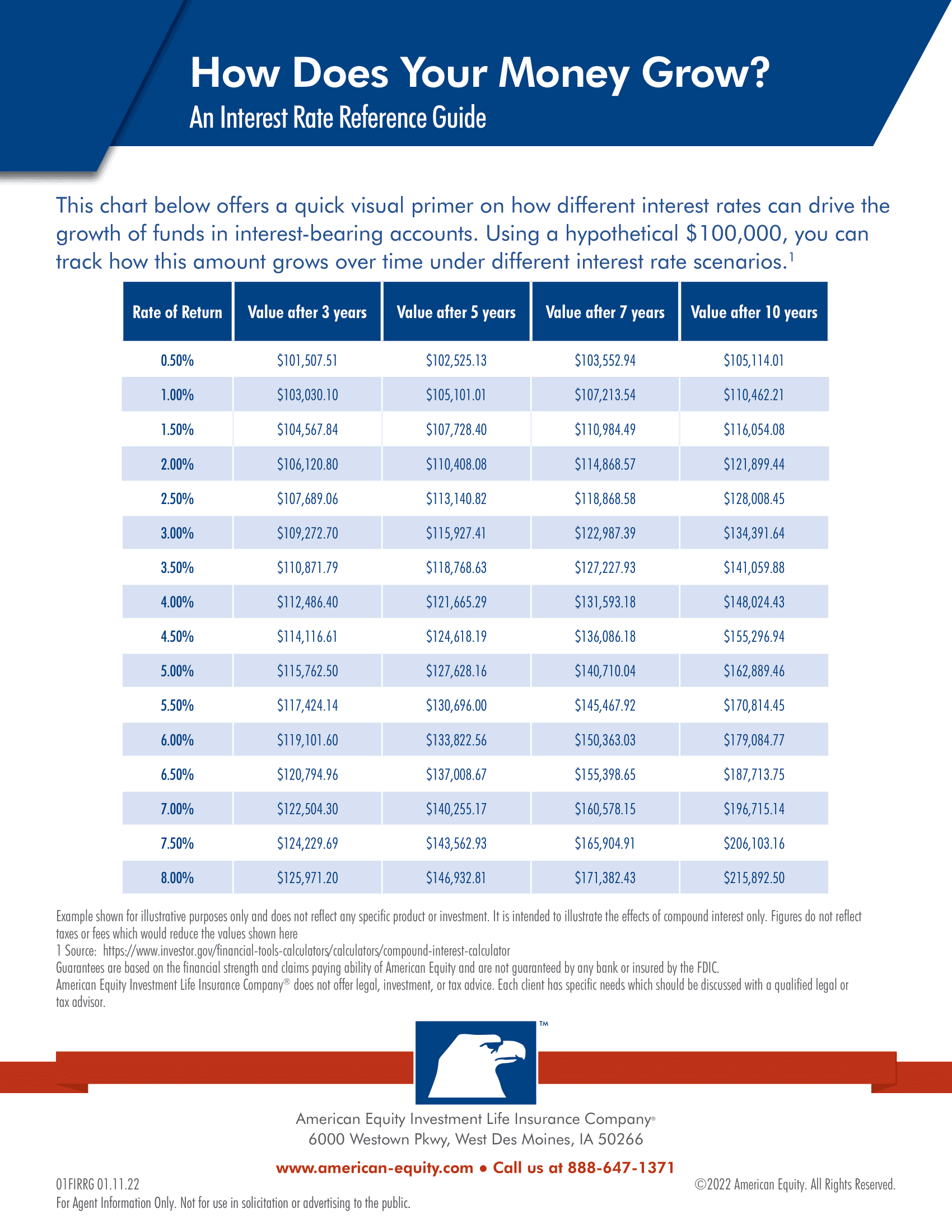
- Compound Interest: This is where things get more complex, and often, more costly for the borrower. Compound interest is calculated on the initial principal and also on the accumulated interest from previous periods. This “interest on interest” effect can lead to a significantly larger total repayment over time. Most consumer loans, like mortgages and credit cards, use compound interest, often compounded monthly or even daily, leading to rapid growth of debt if not managed effectively.
Beyond simple and compound, you also encounter fixed interest rates (which remain constant throughout the loan term, offering predictability) and variable interest rates (which can fluctuate based on market conditions, introducing an element of uncertainty).
Common Scenarios for Interest Payments
Interest isn’t confined to a single type of financial product; it’s pervasive across a multitude of borrowing scenarios:
- Mortgages: The largest loan most people will ever take on, mortgages carry substantial interest payments over 15 to 30 years. Understanding how much interest accumulates is key to deciding on terms and potential prepayments.
- Car Loans: While shorter in duration than mortgages, car loans still represent a significant interest burden, especially if extended over five or more years.
- Personal Loans: Often used for debt consolidation, home improvements, or unexpected expenses, personal loans come with varying interest rates depending on your creditworthiness and the lender.
- Credit Cards: Perhaps the most notorious for high-interest rates, credit cards can quickly spiral into unmanageable debt if balances are carried month-to-month, thanks to compounding interest.
- Student Loans: These loans, particularly unsubsidized ones, accrue interest even while the student is in school, adding to the total principal upon graduation.
In each of these scenarios, an interest calculator provides the essential transparency needed to evaluate the true financial obligation before committing.
The Mechanics Behind an Interest Payment Calculator
At its heart, an “how much interest would I pay calculator” is a sophisticated financial modeling tool that takes a few key pieces of information and, through specific algorithms, projects your repayment schedule and total interest cost. While the outward appearance is often user-friendly, the underlying mechanics offer deep insights into your loan.
Key Variables in Interest Calculation
To accurately determine your interest payments, a calculator relies on several critical inputs:
- Principal Amount (Loan Amount): This is the initial sum of money borrowed. The larger the principal, generally the larger the total interest paid, assuming other variables remain constant.
- Interest Rate: Expressed as a percentage (e.g., 5%), this is the annual cost of borrowing the principal. It’s crucial to distinguish between the nominal interest rate and the Annual Percentage Rate (APR). The APR often includes additional fees and charges, providing a more comprehensive measure of the loan’s true annual cost.
- Loan Term (Duration): This is the length of time over which you agree to repay the loan, typically expressed in months or years. A longer term generally results in lower monthly payments but a higher total interest paid over the life of the loan. Conversely, a shorter term means higher monthly payments but less total interest.
- Compounding Frequency: As discussed earlier, how often interest is compounded (e.g., monthly, daily, annually) significantly impacts the total interest accrued, especially for loans with higher rates or longer terms. Most consumer loans compound monthly.
How the Calculator Works (Basic Logic)
While the exact algorithms can vary, most interest calculators operate on principles derived from amortization. For a loan with fixed payments and a fixed interest rate (like a traditional mortgage or car loan), the calculator uses a standard amortization formula:
- It first calculates the interest portion of each payment based on the current outstanding principal.
- The remainder of the payment then goes towards reducing the principal.
- With each subsequent payment, the outstanding principal is lower, meaning a smaller portion of the next payment goes to interest, and a larger portion goes to principal. This process continues until the loan is fully repaid.
For a simple interest calculation, it might use a basic formula: Interest = Principal × Rate × Time. However, for complex loans with compounding, it will often project an entire amortization schedule, breaking down each payment.
Beyond Simple Numbers: What a Good Calculator Shows
A truly insightful interest payment calculator goes beyond merely displaying your monthly payment. It provides a comprehensive breakdown of your loan’s financial implications:
- Total Interest Paid: This is perhaps the most eye-opening figure, revealing the full cost of borrowing beyond the principal. It allows you to see how much extra money you’re spending.
- Total Principal Paid: This confirms the original amount you borrowed.
- Total Cost of Loan: The sum of total principal paid and total interest paid, giving you the complete picture of your financial outlay.
- Monthly Payment Breakdown: Many advanced calculators will even show you, for each payment, how much goes towards interest and how much towards principal, demonstrating the amortization process in action.
- Amortization Schedule: A detailed table listing every payment, the interest portion, the principal portion, and the remaining balance, often month-by-month. This is invaluable for long-term planning.
By providing these granular details, an interest calculator transforms abstract numbers into concrete financial realities, allowing you to make truly informed decisions.
Navigating Common Loan Types with Your Calculator
The utility of an interest payment calculator shines brightest when applied to the specific types of loans that dominate personal finance. Each loan category presents unique challenges and opportunities for interest management.
Mortgage Interest: The Long-Term Commitment
A mortgage is typically the largest financial obligation most people will undertake, spanning decades. The interest paid over a 15-year or 30-year term can be astronomical. An interest calculator allows you to:
- Compare Terms: See the vast difference in total interest paid between a 15-year and a 30-year mortgage, even with slightly different interest rates. While a 30-year loan offers lower monthly payments, it almost always results in paying significantly more interest over time.
- Evaluate Prepayments: Crucially, it helps visualize the impact of making extra payments towards your principal. Even a small additional payment each month can shave years off your loan term and save tens of thousands in interest, an effect that’s instantly demonstrable with the calculator.
- Assess Refinancing: Before committing to a refinance, the calculator can show if the new interest rate and terms will genuinely save you money over the remaining life of your loan, accounting for closing costs.
Auto Loans: Understanding Depreciation and Interest
Car loans are typically shorter than mortgages, but interest can still add a substantial amount to the cost of your vehicle. The calculator helps you:

- Balance Term vs. Total Cost: While a 72-month car loan might seem appealing with lower monthly payments, the calculator will quickly reveal how much more interest you’ll pay compared to a 36- or 48-month loan.
- Avoid Being “Upside Down”: By seeing the principal reduction schedule, you can understand how quickly you’re building equity in the car versus its depreciation rate. This helps avoid the common problem of owing more on the car than it’s worth.
- Negotiate Better: Armed with knowledge of different loan scenarios, you can negotiate financing terms more effectively with dealerships or banks.
Personal Loans: Flexibility at a Cost
Personal loans offer flexibility for various needs, from debt consolidation to funding major purchases. The calculator enables you to:
- Compare Lender Offers: With varied rates from banks, credit unions, and online lenders, you can plug in different APRs and terms to find the most cost-effective option for your specific needs.
- Visualize Debt Consolidation Savings: If using a personal loan to consolidate higher-interest credit card debt, the calculator clearly demonstrates the potential savings in interest and the clear path to being debt-free.
- Plan Repayment Strategies: Understand the fixed monthly payment and total interest, allowing you to integrate it into your budget and plan for early repayment if desired.
Credit Card Interest: The Debt Trap
Credit cards are perhaps the most dangerous form of debt due to their high Annual Percentage Rates (APRs) and the power of compounding interest. An interest calculator serves as a stark warning and a powerful planning tool:
- Illustrate Minimum Payment Pitfalls: Plug in a credit card balance and a typical high APR, then see how long it takes and how much interest you’ll pay if you only make minimum payments. The results are often shocking, highlighting how minimum payments barely chip away at principal.
- Demonstrate the Power of Extra Payments: Show how paying even a small amount more than the minimum can dramatically reduce the time to pay off the debt and significantly cut down on total interest paid.
- Evaluate Balance Transfers: Before transferring a balance to a 0% APR card, the calculator can help you determine if you can pay off the full balance within the promotional period, thereby avoiding deferred interest.
By providing these insights, an interest calculator equips you to make smarter choices across your entire borrowing portfolio.
Strategies to Minimize Your Interest Payments
Understanding how interest works and seeing its impact through a calculator is only half the battle. The other half is proactively adopting strategies to reduce the amount of interest you pay over time. This proactive approach can lead to significant savings and faster debt freedom.
Optimize Your Loan Terms
The choices you make when first taking out a loan have a profound impact on the total interest paid.
- Shorter Loan Durations (If Affordable): While a longer loan term means lower monthly payments, it invariably leads to more interest paid over the life of the loan. If your budget allows, opting for the shortest possible term will save you a substantial amount of interest. Use the calculator to compare a 3-year vs. 5-year auto loan, or a 15-year vs. 30-year mortgage, and see the tangible savings.
- Higher Down Payments: A larger down payment reduces the principal amount you need to borrow. Less principal means less interest will accrue. For a mortgage, a higher down payment can also help you avoid Private Mortgage Insurance (PMI), another cost saving.
Improve Your Credit Score
Your credit score is a numerical representation of your creditworthiness. A higher score typically translates to lower interest rates on loans, as lenders perceive you as less risky.
- Access to Lower Interest Rates: Lenders reserve their best rates for borrowers with excellent credit scores. Improving your score means you qualify for more favorable terms, directly reducing your interest payments.
- Maintaining Good Payment History: Consistently paying your bills on time is the most crucial factor in building and maintaining a strong credit score. Avoid late payments at all costs.
- Lowering Credit Utilization: Keeping your credit card balances low relative to your credit limits also positively impacts your score.
Strategic Repayment Techniques
Beyond the initial loan setup, there are several ongoing strategies you can employ to accelerate principal reduction and reduce interest.
- Bi-Weekly Mortgage Payments: Instead of one monthly payment, you make a half-payment every two weeks. This results in 26 half-payments, or 13 full monthly payments, per year instead of 12. That extra payment annually goes directly to principal, significantly shortening your loan term and saving interest.
- Making Extra Principal Payments: Whenever you have extra funds (e.g., a bonus, tax refund), apply them directly to the principal of your highest-interest debt. Even small, inconsistent extra payments can yield substantial long-term savings, as less principal means less interest accrues going forward.
- Debt Avalanche vs. Debt Snowball: If you have multiple debts, decide on a repayment strategy. The debt avalanche method focuses on paying off the debt with the highest interest rate first, while making minimum payments on others. This mathematically saves the most interest. The debt snowball method prioritizes paying off the smallest balance first, providing psychological wins. Use an interest calculator to see the interest savings difference between these two approaches.
Refinancing and Balance Transfers
These options can be powerful tools for reducing interest, but they require careful consideration.
- When Refinancing Makes Sense: If interest rates have dropped significantly since you took out your original loan, or if your credit score has improved dramatically, refinancing could secure you a lower rate. Use the calculator to compare your current loan to potential new terms, including closing costs, to ensure it’s a net benefit.
- Leveraging 0% APR Balance Transfer Offers: For high-interest credit card debt, transferring a balance to a card with a promotional 0% APR can give you a window of time to pay down the principal without accruing interest. However, be vigilant about the expiration of the promotional period and any balance transfer fees.
Implementing these strategies, often guided and quantified by an interest calculator, moves you from simply managing debt to actively conquering it.
Empowering Your Financial Future with Interest Calculators
In an increasingly complex financial landscape, knowledge is not just power—it’s also peace of mind. An “how much interest would I pay calculator” is more than just a tool; it’s a gateway to greater financial literacy and control, empowering you to make decisions that resonate positively through your financial future.
Budgeting and Planning
Integrating your understanding of interest into your budgeting process is transformative.
- Integrating Loan Payments into Your Budget: By knowing the precise breakdown of your monthly payments (principal vs. interest), you can better allocate funds. Understanding the exact figures an interest calculator provides removes guesswork and ensures your budget accurately reflects your loan obligations.
- Forecasting Future Financial Obligations: For significant life events like buying a home or a car, using an interest calculator before you commit allows you to realistically forecast the impact on your monthly cash flow and total debt burden. This proactive planning helps prevent financial strain and enables you to set achievable savings goals.
Informed Decision-Making
Perhaps the most significant benefit of using an interest calculator is its ability to facilitate truly informed decision-making.
- Comparing Different Loan Offers: Never simply accept the first loan offer. Use the calculator to compare various scenarios from different lenders, with different interest rates and terms. This empowers you to identify the most financially advantageous option, potentially saving you thousands over the loan’s life.
- Understanding the True Cost Before Committing: Before signing on the dotted line for any loan, an interest calculator provides a crystal-clear picture of the total financial commitment. This transparency helps you avoid buyer’s remorse and ensures you’re comfortable with the full cost of borrowing, not just the attractive monthly payment.
- Evaluating Investment vs. Debt Repayment: For those with extra funds, the calculator can help you weigh whether it’s more financially beneficial to invest that money or use it to pay down high-interest debt, often revealing that eliminating high-interest debt is the more prudent choice.
Building Financial Literacy
Ultimately, engaging with tools like an interest calculator contributes significantly to your overall financial literacy.
- Demystifying Complex Financial Concepts: By interactively seeing how principal, interest rates, and terms interact, you gain a tangible understanding of concepts that might otherwise seem abstract or intimidating. This hands-on experience builds confidence.
- Fostering a Proactive Approach to Personal Finance: Rather than passively accepting loan terms, understanding interest encourages a proactive stance. You become an active participant in managing your money, seeking out better deals, and strategizing to minimize costs. This mindset is invaluable for long-term financial success.
In conclusion, the “how much interest would I pay calculator” is far more than a simple numerical tool. It’s an educator, a planner, and a powerful ally in your financial journey. By leveraging its capabilities, you transition from being a passive borrower to an informed financial manager, capable of making strategic choices that protect your wealth and accelerate your path to financial freedom. Embrace this tool, and unlock a clearer, more controlled financial future.
aViewFromTheCave is a participant in the Amazon Services LLC Associates Program, an affiliate advertising program designed to provide a means for sites to earn advertising fees by advertising and linking to Amazon.com. Amazon, the Amazon logo, AmazonSupply, and the AmazonSupply logo are trademarks of Amazon.com, Inc. or its affiliates. As an Amazon Associate we earn affiliate commissions from qualifying purchases.