
Navigating the world of car loans can feel like a complex journey, with various terms, interest rates, and payment structures to consider. Among the most crucial decisions a car buyer faces is determining the optimal length of their loan. This choice profoundly impacts not only your monthly budget but also the total amount you’ll pay for your vehicle over its lifetime. It’s a delicate balancing act between immediate affordability and long-term financial prudence, demanding a thoughtful approach rooted in a deep understanding of personal finance principles.
The “ideal” car loan length isn’t a one-size-fits-all answer; it’s a highly personalized decision influenced by individual financial health, the specific vehicle being purchased, prevailing interest rates, and future financial goals. While shorter terms often mean higher monthly payments, they typically result in less interest paid overall and faster equity build-up. Conversely, longer terms offer lower monthly payments, making vehicles more “affordable” in the short run, but come with the significant drawback of accumulating substantially more interest and the risk of negative equity. Understanding these dynamics is the first step toward making a financially sound decision that aligns with your broader monetary objectives.

The Core Dilemma: Balancing Monthly Payments and Total Cost
The fundamental tension in choosing a car loan term lies between managing your immediate cash flow through lower monthly payments and minimizing the total financial outlay over the life of the loan. This often presents a paradox: what feels affordable now might cost you significantly more in the long run.
Shorter Loan Terms: The Case for Financial Prudence
Opting for a shorter car loan term, typically 36 or 48 months, is often championed by financial advisors for several compelling reasons. The most apparent advantage is the substantial reduction in the total interest paid. Because you’re borrowing the money for a shorter period, the lender has less time to accrue interest on the principal. This means that while your monthly payments will be higher, the overall cost of the car will be significantly less.
Furthermore, a shorter loan term accelerates the pace at which you build equity in your vehicle. Equity is the difference between your car’s market value and what you still owe on the loan. Building equity faster means you’re less likely to find yourself “upside down” on your loan (owing more than the car is worth), a precarious situation especially if you need to sell or trade in the car sooner than expected. This rapid equity accumulation provides a stronger financial position, offering more flexibility and peace of mind. A shorter term also means you’ll own your car outright sooner, freeing up that monthly payment for other financial goals like savings, investments, or debt reduction.
Longer Loan Terms: The Appeal of Affordability
The allure of longer loan terms, often stretching to 60, 72, or even 84 months, is undeniable for many car buyers. The primary benefit is the significantly lower monthly payment, which can make a more expensive vehicle seem within reach or simply ease the strain on a tight monthly budget. For individuals or families prioritising immediate cash flow, these longer terms can be a tempting solution, allowing them to purchase a newer, more reliable, or more feature-rich vehicle without the burden of a high monthly payment.
However, the perceived affordability of longer terms comes with considerable financial drawbacks. The most significant is the dramatic increase in the total interest paid over the life of the loan. While each individual payment is lower, the extended duration gives interest more time to accumulate, often adding thousands of dollars to the car’s overall price. Moreover, longer terms heighten the risk of negative equity. Cars depreciate rapidly, especially in their first few years. If your loan term extends beyond the typical useful life of the vehicle’s warranty or its period of steepest depreciation, you could easily find yourself owing more than the car is worth, making it difficult to sell or trade without taking a financial loss.
The “Sweet Spot”: Finding Your Ideal Duration
Given the trade-offs, the “sweet spot” for a car loan term often lies in a thoughtful assessment of your individual financial situation and priorities. For many, a 48 or 60-month loan strikes a good balance, offering manageable monthly payments without excessively inflating the total interest paid. This range typically allows for reasonable equity build-up and ensures that the loan term doesn’t outlive the car’s most reliable years or its factory warranty.
Ultimately, finding your ideal duration requires more than just looking at the monthly payment. It demands a holistic view of your budget, your long-term financial aspirations, and a clear understanding of the total cost implications. Don’t let the immediate comfort of a lower payment blind you to the long-term financial burden it might impose.
Factors Influencing Your Ideal Loan Term
Deciding on the optimal car loan length is not a one-dimensional problem. It requires a comprehensive evaluation of several interconnected factors that are unique to your financial situation and the specific vehicle you intend to purchase.
Your Personal Financial Health
Your personal financial health is arguably the most critical determinant. This includes your stable monthly income, your existing debt-to-income ratio, your credit score, and your emergency savings. A strong credit score generally qualifies you for lower interest rates, which can make shorter loan terms more palatable, as the higher monthly payment is somewhat offset by reduced interest. Conversely, a lower credit score might push you towards longer terms to achieve a manageable monthly payment, but this also means you’ll be paying a higher interest rate for a longer period, significantly increasing the total cost.
It’s crucial to assess your existing financial commitments. Do you have a mortgage, student loans, or other significant debts? How much discretionary income do you truly have after all essential expenses? Overextending yourself with a high car payment, even for a shorter term, can jeopardize your ability to save, invest, or handle unexpected financial emergencies. A prudent approach involves ensuring your car payment, combined with insurance and running costs, doesn’t exceed a comfortable percentage of your net income, often recommended to be no more than 10-15%.
The Car’s Value and Depreciation
The type of car you’re buying and its anticipated depreciation rate also play a significant role. New cars depreciate the fastest, losing a substantial portion of their value in the first year or two. If you take out a very long loan on a new car, you risk being “underwater” (negative equity) for a considerable period. This means you owe more than the car is worth, which can be a problem if you need to sell the car or if it’s totaled in an accident, as your insurance payout might not cover the outstanding loan balance.
Used cars generally depreciate slower after their initial drop, making them potentially better candidates for shorter loan terms, as you start with a lower principal amount and build equity more quickly. Considering the longevity and reliability of the specific make and model is also important. A car known for its durability might justify a slightly longer loan term if it aligns with your financial strategy, but be wary of extending terms beyond the vehicle’s expected useful life or warranty period, as you might end up paying for a car that requires significant maintenance.
Interest Rates and Loan Terms Offered
Market interest rates and the specific terms offered by lenders are non-negotiable elements in your decision. Interest rates fluctuate based on economic conditions, central bank policies, and your individual creditworthiness. A low interest rate environment makes any loan term more attractive, but particularly empowers shorter terms by reducing the impact of higher monthly payments. Conversely, high interest rates amplify the total cost of longer loans, making the interest paid a much more substantial burden.
It’s essential to shop around for the best interest rates from multiple lenders—banks, credit unions, and even the dealership’s financing department. Don’t just accept the first offer. A difference of even a percentage point or two can save you thousands over the life of the loan. Also, be aware that some lenders offer incentives for specific loan terms, which could subtly steer you in one direction. Always focus on the Annual Percentage Rate (APR), which reflects the true annual cost of borrowing, including any fees.
Future Financial Goals
Finally, your future financial goals should heavily influence your car loan decision. Are you saving for a down payment on a house, planning for retirement, building an emergency fund, or hoping to start a family soon? A high car payment, especially one that lasts for many years, can significantly impede progress toward these critical life goals.
A shorter loan term, though demanding higher monthly payments initially, frees up your cash flow sooner, allowing you to reallocate those funds towards other savings or investment vehicles. Conversely, a longer loan term, while offering immediate payment relief, commits a portion of your income for an extended period, potentially delaying other important financial milestones. Consider the opportunity cost: what else could you do with the money you’re spending on car loan interest? Aligning your car loan term with your broader financial roadmap ensures that your vehicle purchase supports, rather than detracts from, your long-term wealth-building objectives.
Understanding the True Cost: Beyond the Monthly Payment
Many car buyers make the mistake of focusing almost exclusively on the monthly payment. While crucial for budgeting, it’s merely one piece of the puzzle. A true understanding of a car loan’s cost requires looking at the bigger picture, including total interest, depreciation, and ongoing ownership expenses.
Total Interest Paid Over Time
This is perhaps the most overlooked aspect of car loans, particularly for longer terms. A lower monthly payment invariably means a longer loan term, and a longer loan term almost always means paying significantly more in total interest. For example, a $30,000 car financed at 5% interest over 60 months might cost you around $3,900 in interest. Extend that to 84 months, and your total interest could jump to over $5,600, despite lower individual monthly payments. That’s an extra $1,700 essentially for the privilege of stretching out the payments. This difference only grows with higher interest rates and larger loan amounts. Always ask to see the total interest paid for different loan terms before committing.
Negative Equity Risk
Negative equity, or being “upside down” on your loan, occurs when you owe more on your car than its current market value. This is a common problem, particularly with new cars that depreciate rapidly in their first few years. Longer loan terms exacerbate this risk because the principal balance decreases more slowly, while the car’s value continues to fall faster than you’re paying it off. If your car is totaled or stolen while you have negative equity, your insurance payout might not cover the full loan amount, leaving you to pay the difference out of pocket. Similarly, if you need to sell or trade in the car, you’ll have to pay the outstanding balance to the lender, potentially rolling that deficit into a new car loan, creating a vicious cycle of debt. Gap insurance can mitigate this risk, but it’s an additional cost.
Maintenance Costs and Warranty Expiration
Consider the practical lifespan of your vehicle and its warranty. Many new cars come with a factory warranty that typically lasts for 3 years/36,000 miles or 5 years/60,000 miles. If your loan term extends beyond this warranty period, you run the risk of incurring significant out-of-pocket maintenance and repair costs while still making car payments. This can lead to a situation where you’re paying for an aging vehicle that requires expensive repairs, diminishing the perceived value and increasing the financial strain. For example, if you take an 84-month loan on a new car with a 60-month warranty, you’ll have two years of payments with potentially no warranty coverage, exposing you to unforeseen repair bills.
Opportunity Cost
Every dollar spent on car loan interest is a dollar that cannot be invested, saved, or used for other purposes that could generate wealth or improve your financial position. This is known as opportunity cost. A longer loan term, with its higher total interest, represents a greater opportunity cost. Imagine investing that extra $1,700 (from the earlier example of the 84-month vs. 60-month loan) over several years. Compounded returns could turn that seemingly small difference into a substantial sum, dwarfing the immediate relief of a lower monthly payment. Understanding this lost potential for growth is crucial for making informed financial decisions.
Strategies for Smart Car Loan Management
Once you understand the nuances of loan terms, you can employ various strategies to manage your car loan effectively, ensuring it supports your financial goals rather than hindering them.
Run the Numbers: Using Loan Calculators
Before even stepping into a dealership, use online car loan calculators to model different scenarios. Input various loan amounts, interest rates, and loan terms (36, 48, 60, 72, 84 months). These tools allow you to compare how changes in the loan term affect both your monthly payment and, crucially, the total interest paid. This hands-on exercise can be an eye-opening experience, clearly illustrating the long-term financial implications of extending a loan term for a slightly lower monthly payment. It empowers you to approach negotiations with a clear understanding of what you can truly afford and what compromises you’re willing to make.
Making a Larger Down Payment
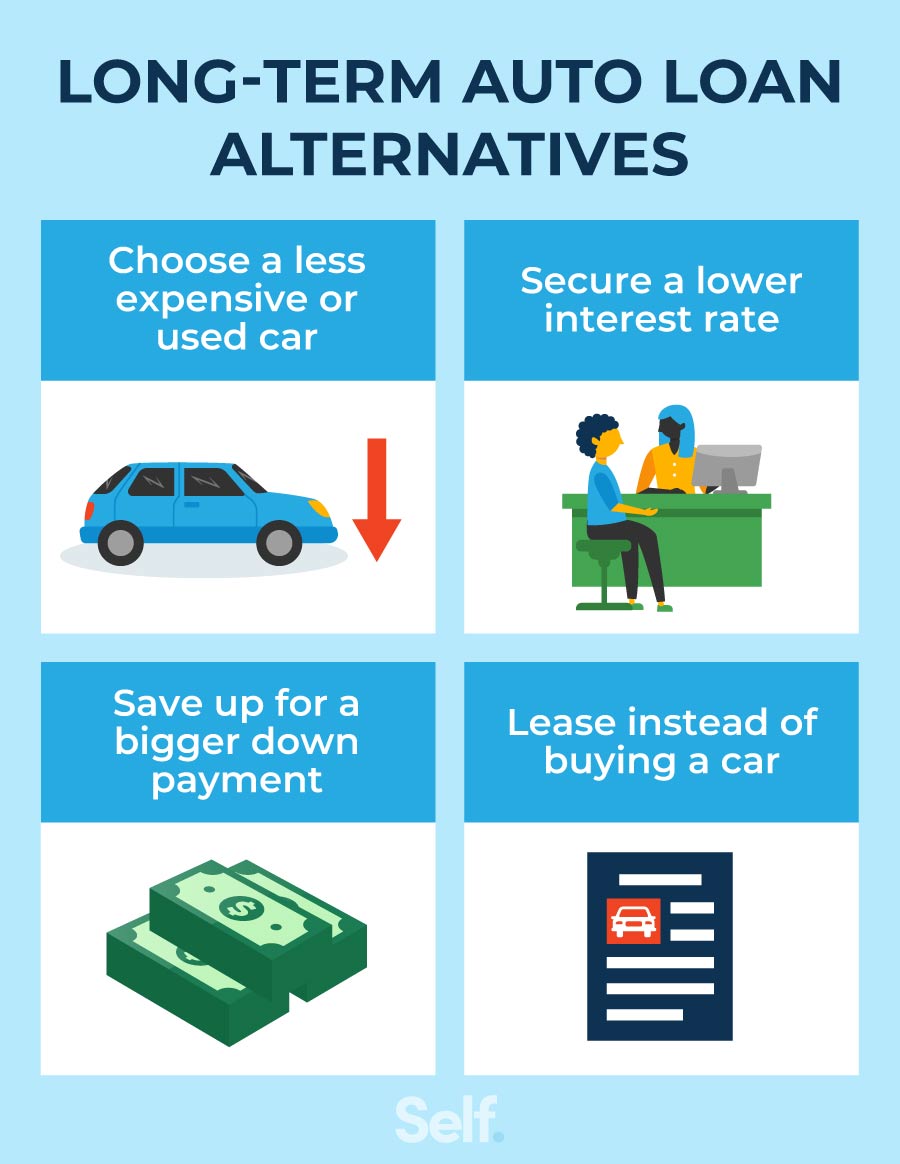
One of the most effective ways to reduce your overall loan cost and manage your loan term is to make a larger down payment. A substantial down payment reduces the principal amount you need to borrow, which in turn means less interest accrues over time. It can also enable you to opt for a shorter loan term with a manageable monthly payment, or significantly lower payments on a longer term while building equity faster. Aiming for at least a 10-20% down payment on a new car, or even more for a used car, is a sound financial strategy that minimizes your risk of negative equity and saves you money in the long run.
Considering a Used Car
Purchasing a used car instead of a new one can dramatically simplify your car loan decisions. Used cars generally come with a lower purchase price, meaning you’ll need to borrow less money. This inherently reduces the total interest paid and makes shorter loan terms more accessible. While new cars rapidly depreciate, used cars have already absorbed the steepest part of their depreciation curve, making them less prone to negative equity issues. A well-maintained used car, especially one a few years old, can offer excellent value and reliability without the significant financial burden often associated with new car ownership.
Refinancing Options
If your financial situation improves after you’ve taken out a car loan – perhaps your credit score has increased, or interest rates have dropped – refinancing could be a viable strategy. Refinancing involves taking out a new loan to pay off your existing one, ideally at a lower interest rate or with different terms. This can significantly reduce your monthly payments or the total interest paid, especially if you can secure a better rate and keep a similar or shorter loan term. Before refinancing, compare the new offer’s APR and total cost against your current loan to ensure it truly provides a financial advantage, remembering to account for any refinancing fees.
The Power of Extra Payments
Even if you’re locked into a longer loan term, you can still mitigate its impact by making extra payments whenever possible. Even small additional payments applied directly to the principal can shave months off your loan term and save you hundreds or thousands in interest. Consider rounding up your monthly payment, making a bi-weekly payment, or dedicating unexpected windfalls like tax refunds or bonuses to your car loan. Always ensure that any extra payments are explicitly applied to the principal balance to maximize their impact.
Red Flags and Pitfalls to Avoid
In the pursuit of car ownership, certain practices can lead to long-term financial distress. Being aware of these red flags and pitfalls can help you avoid costly mistakes.
Extending Terms Just to Lower Payments
The most common trap is extending the loan term solely to achieve a lower monthly payment without fully understanding the long-term cost implications. While a $50 difference in monthly payments might seem appealing, it could add thousands to your total interest paid and keep you in debt for years longer. Always balance the immediate budget relief against the significantly higher total cost over the loan’s life. Sometimes, it’s better to reconsider the vehicle’s price point or save for a larger down payment than to stretch a loan to an unsustainable length.
Rolling Negative Equity into a New Loan
A dangerous cycle begins when you trade in a car that has negative equity and roll that outstanding balance into your new car loan. This means you’re starting your new loan already “upside down” with a larger principal than the new car is even worth. This perpetuates negative equity, inflates your new loan amount, and guarantees you’ll pay more in interest on a vehicle that’s instantly worth less than your debt. If you find yourself in this situation, it’s often better to pay off the negative equity separately or wait until you have positive equity before trading in your car.
Ignoring the Total Cost of Ownership
Beyond the loan payment, a car comes with a host of other expenses, including insurance, fuel, maintenance, repairs, registration, and potential depreciation. These are often referred to as the “total cost of ownership.” Focusing solely on the car payment can lead you to overlook these significant recurring costs. A seemingly affordable car payment for a luxury vehicle, for example, might be overshadowed by exorbitant insurance premiums, specialized maintenance requirements, and premium fuel costs. Always factor in these additional expenses when calculating your true affordability to avoid financial surprises down the road.
Choosing the right car loan length is a pivotal financial decision that requires careful consideration beyond just the monthly payment. By understanding the trade-offs between shorter and longer terms, evaluating your personal financial situation, and employing smart strategies for loan management, you can make a choice that aligns with your financial well-being. Prioritize total cost over immediate payment relief, avoid common pitfalls, and always empower yourself with knowledge and calculation to ensure your car purchase is a smart investment, not a long-term financial burden.
aViewFromTheCave is a participant in the Amazon Services LLC Associates Program, an affiliate advertising program designed to provide a means for sites to earn advertising fees by advertising and linking to Amazon.com. Amazon, the Amazon logo, AmazonSupply, and the AmazonSupply logo are trademarks of Amazon.com, Inc. or its affiliates. As an Amazon Associate we earn affiliate commissions from qualifying purchases.